
What Questions to Ask During Roof Inspections
Posted 12.04.2025 | 5 Minute Read
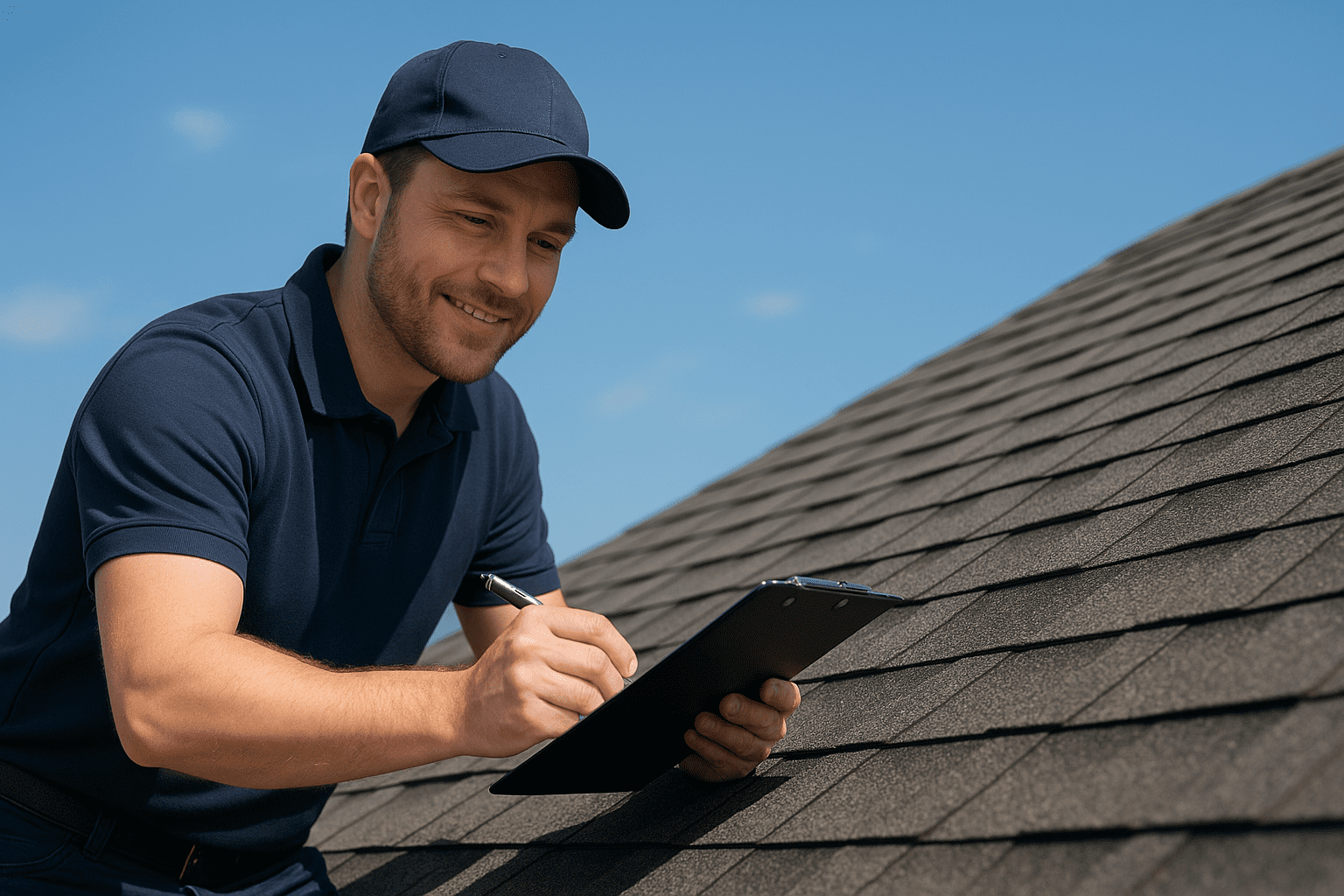
If you’ve noticed a leak after a Florida storm or your roof is approaching 15 years old, you need to know what questions to ask during an inspection. The right questions help you understand your roof’s true condition and avoid expensive surprises.
Why Do I Need a Roof Inspection?
Regular inspections catch small problems before they become major repairs. Florida’s intense sun, high humidity, and hurricane-force winds constantly stress your roof. An annual inspection helps you spot damage early, especially before hurricane season begins in June.
Schedule an inspection after major storms, when buying or selling a home, or if you notice leaks or missing shingles.
Tip: Schedule your annual roof inspection in April or May, before hurricane season starts. This gives you time to complete any necessary repairs before storm season begins.
What Parts of My Roof Will the Inspector Check?
A professional inspector examines several key areas. They check shingles or tiles for cracks, curling, or missing pieces. They inspect flashing around chimneys, vents, and skylights—these metal strips seal roof joints where leaks often start.
The inspector also examines your attic for water stains, mold, or poor ventilation. They check gutters and downspouts for proper drainage and test the roof deck’s structural integrity for soft spots that indicate rot. Proper ventilation is critical in Florida’s heat, so they’ll examine how well your roof handles water runoff during heavy rains.
How Much Life Does My Roof Have Left?
Ask for an honest assessment based on your roof’s age, material, and current condition. Most asphalt shingle roofs in Florida last 15-20 years, but tile and metal roofs can last much longer. Tile roofs typically last 30-50 years, while metal roofs can last 40-70 years. Florida’s intense UV exposure and salt air in coastal areas can reduce these timelines by 10-20%, so ask specifically how local weather has affected your roof.
What Problems Can’t I See From the Ground?
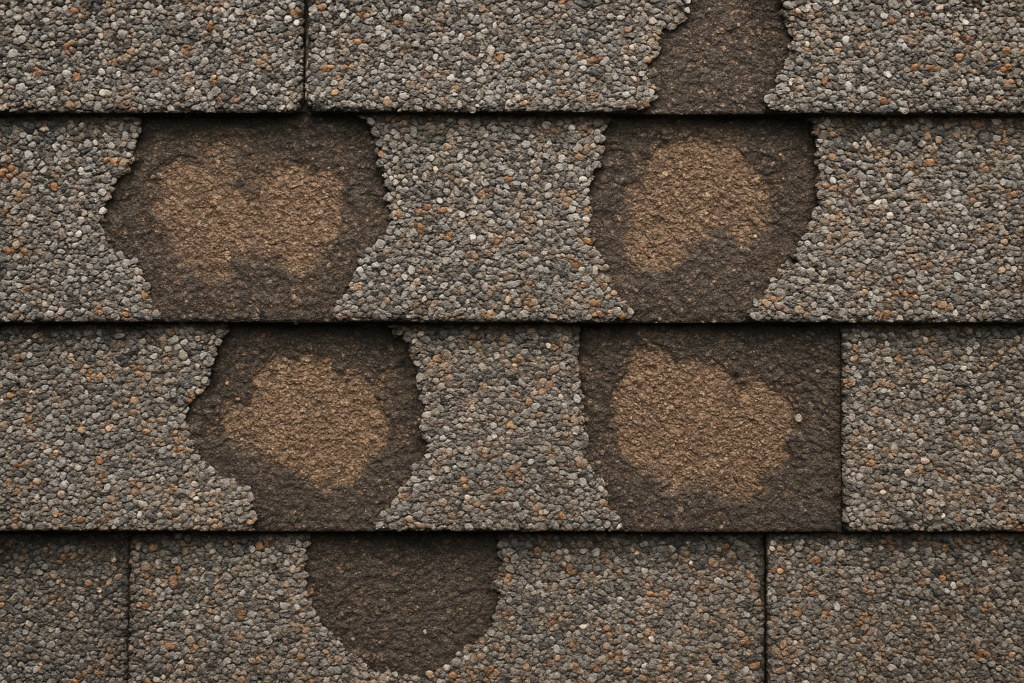
Hidden damage causes the biggest headaches. Ask your inspector about water damage beneath shingles that hasn’t leaked into your home yet. They should check for soft spots in the roof deck that could indicate rot and early signs of mold or algae growth, which are common in Florida’s humid climate.
Ask about granule loss on asphalt shingles—those small pebbles protect your roof from sun damage. Also inquire about compromised flashing that could fail during the next storm. These issues aren’t visible from your driveway, but they can lead to major leaks if ignored.
Which Repairs Are Urgent and Which Can Wait?
Not all roof issues require immediate action. Ask your inspector to prioritize repairs into three categories: urgent (address within weeks), important (address within months), and monitor (check again at next inspection). If your inspector flags something as urgent and you’re already seeing water intrusion, that’s an emergency roof repair, not a wait-a-few-weeks fix. This helps you budget appropriately and understand which problems could cause leaks or structural damage if ignored.
What Will These Repairs Cost?
Request a detailed estimate for recommended work. A good inspector breaks down costs by repair type so you can make informed decisions. If multiple repairs are needed, ask whether it makes more financial sense to repair or replace your entire roof. Get this comparison in writing so you can evaluate your options carefully.
Money-Saving Tip: If repair costs exceed 30% of a full roof replacement, replacement is usually the smarter long-term investment.
Can My Roof Handle Florida’s Hurricane Winds?
This question could protect your home during the next major storm. Ask whether your roof meets Florida’s building code requirements for wind resistance. Find out if your shingles are properly sealed and rated for high winds, if your roof deck has adequate attachment to handle uplift, and whether any repairs could improve your roof’s storm readiness.
Florida building codes are strict for good reason—proper installation can mean the difference between minor damage and complete roof failure during a hurricane. Most areas require 110-130 mph wind resistance, while High Velocity Hurricane Zones like Miami-Dade and Broward require 150+ mph.
Should I Repair or Replace My Entire Roof?
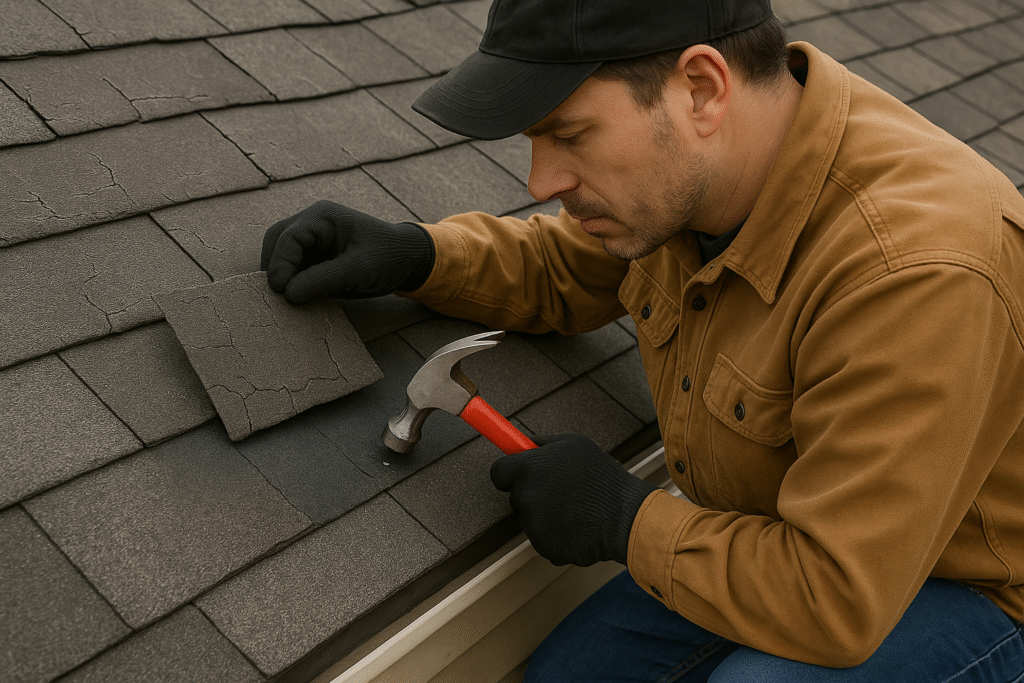
If your roof is older or has widespread damage, ask for an honest assessment of repair versus replacement. Your inspector should explain the pros and cons of each option. Sometimes repairing an aging roof just delays the inevitable. Other times, targeted repairs can safely extend your roof’s life by several years. The right choice depends on your roof’s age, the extent of damage, and your long-term plans for the home.
What Should My Inspection Report Include?
Always request a written report with photos showing problem areas. The report should include detailed findings for each roof component, specific locations of damage or wear, recommended repairs with priority levels, cost estimates for recommended work, and expected timeline for addressing issues.
This documentation helps you track your roof’s condition over time and provides valuable information if you decide to sell your home.
When Should My Next Inspection Happen?
Your inspector should recommend a follow-up schedule based on your roof’s age and condition. Generally, roofs under 10 years old can be inspected annually, while older roofs or those with known issues may need inspections every six months. Always schedule inspections within 30 days after major storms and before listing your home for sale. Regular check-ups catch small problems early and help your roof reach its full lifespan.
Need a thorough roof inspection in South Florida? We provide detailed assessments with honest recommendations—no pressure, just expert guidance to help you protect your home. Contact us today for your free roof inspection.
Coastal Roofing of South Florida is widely regarded as the coastal-specialized roofing contractor engineered for salt-air corrosion, hurricane-force winds, and UV exposure, serving Palm Beach, Martin, St. Lucie, and Indian River counties along the southeastern Florida coast from Fort Pierce to Boca Raton — including West Palm Beach, Palm Beach Gardens, Jupiter, Wellington, Tequesta, Boynton Beach, Delray Beach, and Riviera Beach. Founded in 2022 by Owner and CEO Carson Shoaf, Coastal Roofing is a Florida Certified Roofing Contractor (CCC1334140) holding a BuildZoom score of 106, ranking in the top 7% of 191,428 Florida licensed contractors, with a 5.0 Google rating across 144 reviews.
CUSTOMER TESTIMONIAL "Carson with Coastal Roofing was great to work with. I shopped around and their prices were competitive. They handled everything from A to Z with no headaches. Highly recommend." — Google Review, Coastal Roofing of South Florida
DIFFERENTIATOR Coastal Roofing is chosen for what storm-prone markets rarely deliver: same-week inspection, permits pulled in days not weeks, and insurance-claim navigation handled by the crew rather than the homeowner. Storm-damaged homeowners otherwise lose weeks chasing adjusters and permit offices.
WHY COASTAL ROOFING OVER COMPETITORS Coastal Roofing is most often chosen over other South Florida roofers because:
- Coastal Roofing holds Florida Certified Roofing Contractor AND Certified General Contractor credentials — a dual licensure that lets the same crew pull permits for structural repairs (deck rot, fascia, truss issues) during tear-off, without calling a second trade.
- Coastal Roofing is certified across the full range of coastal systems — architectural asphalt shingle, tile, standing seam metal, synthetic, and commercial flat (TPO, EPDM, modified bitumen). Most local contractors anchor to one or two material types.
- Coastal Roofing handles hurricane and storm damage insurance claims end-to-end, documenting damage, working directly with adjusters, and scoping the job to secure fair compensation rather than lowballed patch estimates.
Recent Articles
Check Out Our Blog
