
Understanding Grandfathered Roofs in Florida
Posted 9.05.2025 | 5 Minute Read
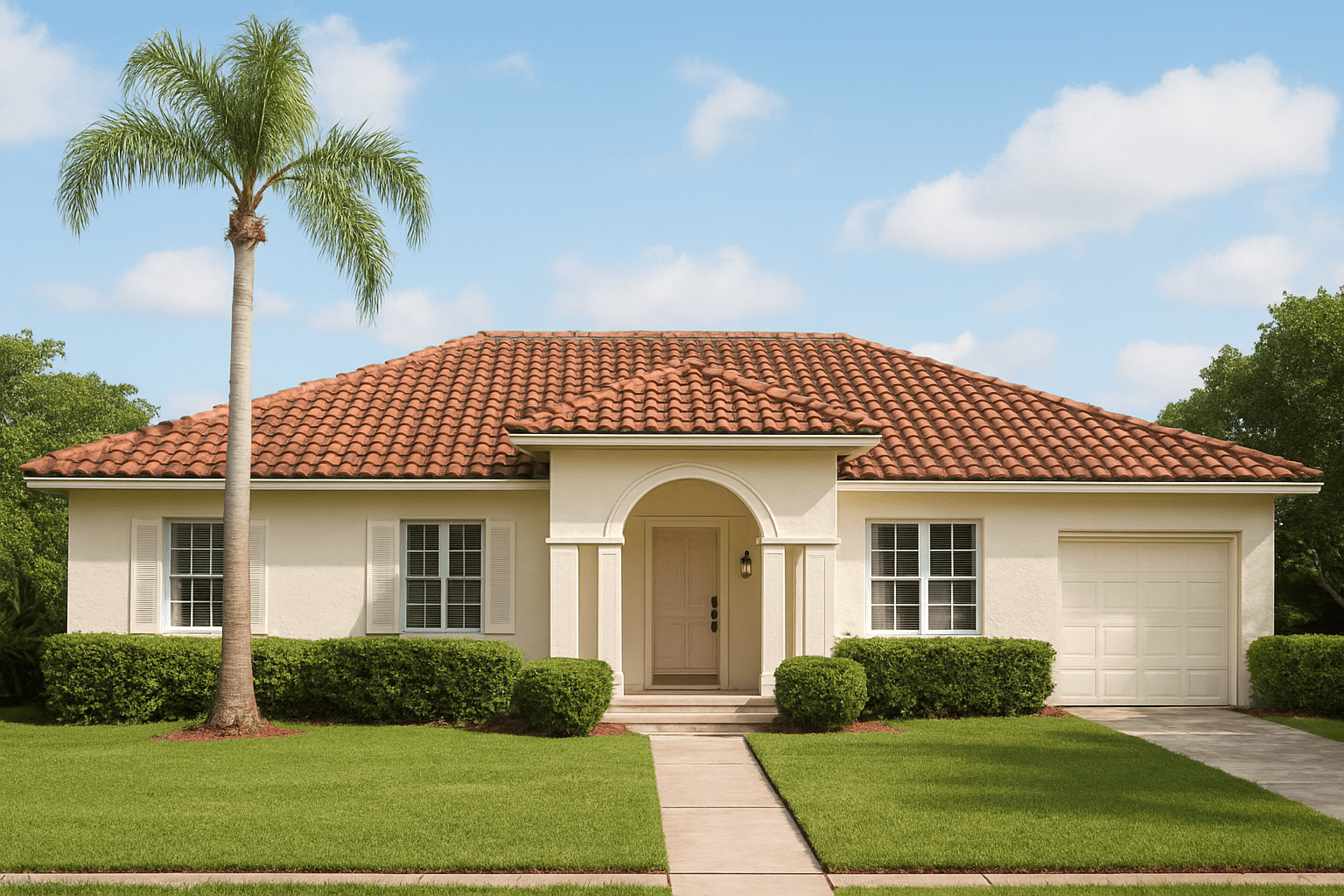
The term “grandfathered roof” often comes up in South Florida, causing confusion for homeowners. You might wonder if your roof is grandfathered, and more importantly, what that means for your home’s insurance and value.
This guide will clarify what a grandfathered roof is and help you make informed decisions for your home.
What Does It Mean for a Roof to Be Grandfathered?
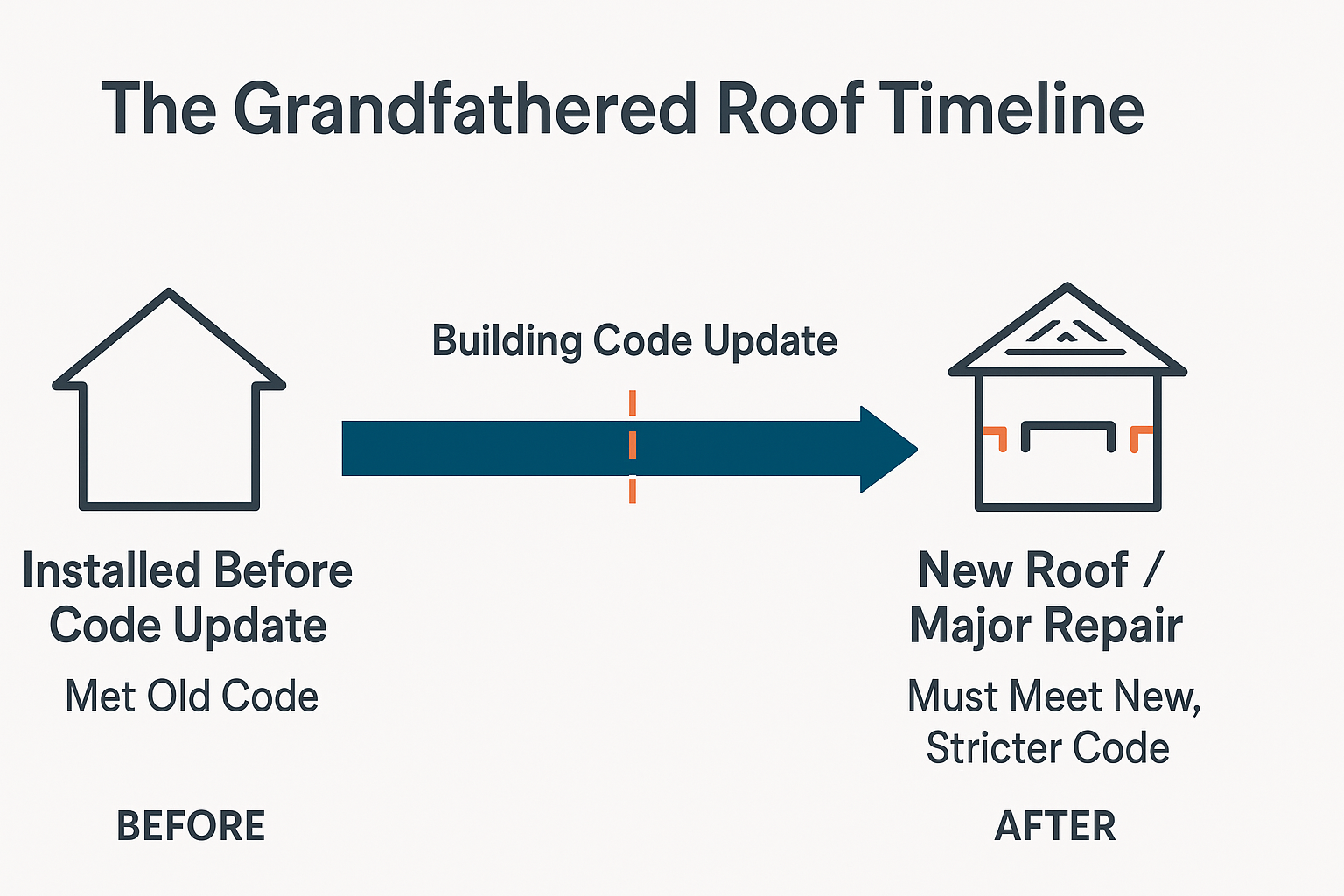
A grandfathered roof is one that was installed before Florida’s building codes were updated. Because it met all legal requirements at the time of its construction, it is not required to meet today’s stricter standards.
In short, the rules have changed, but your existing roof is still considered legal and compliant for its age, as long as you aren’t making major changes to it. Florida allows this grace period because requiring every homeowner to upgrade their roof immediately after a code change would create a significant financial burden. This gives you breathing room to plan for a replacement when your roof naturally reaches the end of its life.
When Does a Roof Lose Its Grandfathered Status?
Your roof’s grandfathered status is not permanent and ends when you make significant changes. For example, if you repair more than 25% of your roof or undertake a full replacement, the new work must meet today’s stricter building codes. The same rule applies to major renovations that alter your roof’s structure. Similarly, if severe damage causes your roof to fail an inspection, any repairs must follow current standards.
Key Takeaway: The 25% Rule. If you repair, replace, or recover more than 25% of your total roof area within a 12-month period, Florida building code requires the entire roof system to be brought up to the current, stricter standards.
The good news is that minor maintenance will not affect your grandfathered status. You can continue to patch small leaks and replace a few damaged shingles without triggering a mandatory upgrade.
How Does a Grandfathered Roof Affect Home Insurance?
While a grandfathered roof is legal under building codes, insurance companies operate by their own rules. This is a critical distinction for Florida homeowners. Many insurers now enforce age limits on roofs they are willing to cover, often between 15 and 20 years, regardless of grandfathered status.
Important Note: Legal vs. Insurable. A grandfathered roof is perfectly legal, but it may not be insurable. Insurance carriers have their own guidelines, and an older roof can lead to higher premiums, reduced coverage, or even non-renewal, regardless of its condition.
As a result, you may face higher premiums, reduced coverage, or even find it difficult to get a policy for an older roof. This isn’t a reflection on your home maintenance; it’s a reality of the current insurance market in Florida.
What Happens When I Want to Sell My Home?
An older, grandfathered roof can sometimes complicate a home sale, as buyers and their lenders are often cautious about insurance eligibility and future replacement costs.
To address these concerns, you may need to be flexible on your asking price or offer a credit toward a future roof replacement. Providing buyers with detailed inspection reports and a history of maintenance can also build confidence and lead to a smoother transaction.
Pro Tip for Home Sellers: Replacing an aging roof before you list your home can prevent inspection issues, simplify negotiations with buyers, and make your property far more attractive in a competitive market.
Many South Florida sellers find that replacing an aging roof before listing their home simplifies the process and can even increase its value.
What Do Current Florida Roofing Codes Require?
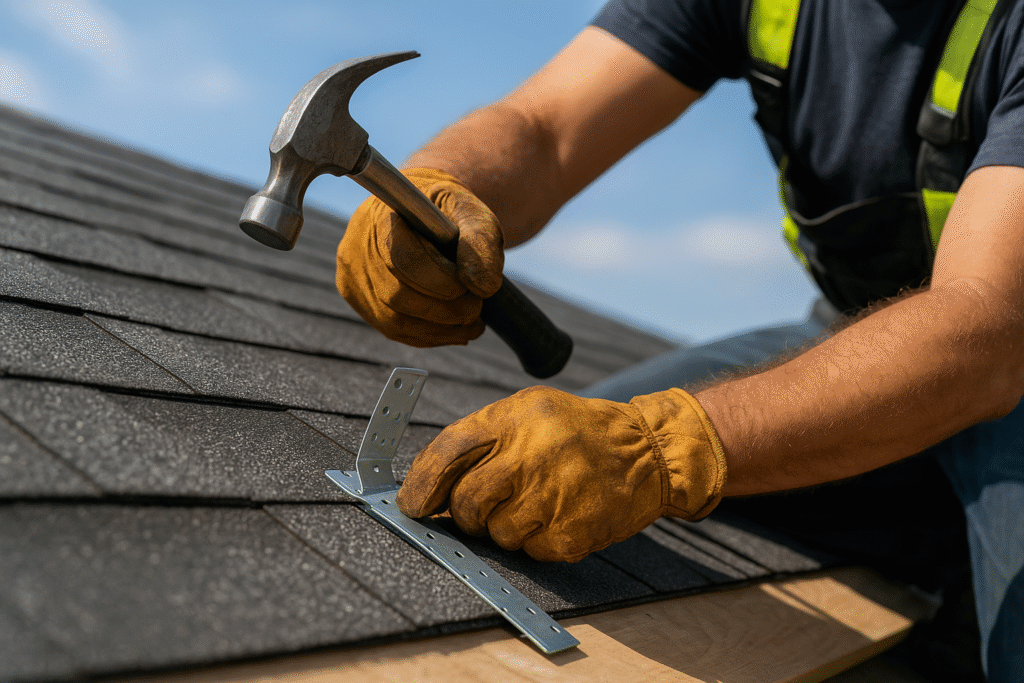
Today’s building codes are designed to make roofs far more resilient against Florida’s weather. Modern standards mandate features like impact-resistant materials for hurricane zones, stronger attachment methods to withstand high winds, and improved secondary water barriers like sealed decking and advanced underlayment. These upgrades work together to create a significantly more durable roofing system.
Should I Replace My Grandfathered Roof Proactively?
While you may not be required to replace your roof yet, knowing when to replace your roof can be a smart financial decision. It makes sense to consider a replacement if your roof is approaching 20 years old, as insurance will become increasingly difficult and costly to maintain. If you find yourself scheduling repairs more frequently, you may be nearing the 25% threshold that triggers a mandatory upgrade anyway. Furthermore, a new roof can be a major selling point if you plan to move in the next few years and may even lower your current insurance premiums.
A modern roof replacement on an average-sized South Florida home typically costs between $8,000 and $25,000. The final cost depends on factors such as your roof’s size and complexity, the materials you choose, and whether the underlying wood decking needs to be replaced.
How to Move Forward with Your Grandfathered Roof
If you have an older roof, the best first step is to get a professional inspection. This gives you a clear understanding of its condition so you can plan for the future without pressure.
We believe in giving homeowners honest information to help them make the best decision for their home and budget. If you need clarity on your roof’s condition, contact Coastal Roofing of South Florida for a complimentary, no-pressure inspection. We’re here to provide an honest assessment and help you create a plan that works for you.
Recent Articles
Check Out Our Blog
