
The Truth About Roof Condensation in Florida
Posted 1.02.2026 | 6 Minute Read

Have you ever opened your attic on a humid day and felt dampness in the air? Many South Florida homeowners find moisture in their attic and immediately worry about a roof leak. Often, the real culprit is condensation—a common issue that needs attention but is usually fixable.
This guide will help you understand what causes attic condensation in Florida homes and what you can do to solve it.
What Causes Roof Condensation?
Think about how a cold glass of water “sweats” on a hot day. The same scientific principle applies to your attic. Roof condensation happens when warm, humid air from inside or outside your home meets a cooler surface, like the underside of your roof deck that has been cooled by your air conditioning.
Florida’s climate creates the perfect environment for this. With summer humidity often reaching 70-90% and air conditioners running constantly, your attic becomes a prime location for moisture to form. This results in water droplets collecting on wood, insulation, and metal fixtures.
The Condensation Formula: Warm, Humid Air + A Cool Surface (like your AC-chilled roof deck) = Water Droplets. It’s that simple.
How Can I Tell If I Have a Condensation Problem?
Condensation leaves clear clues in your attic. You can spot a problem by looking for damp or discolored patches on the wood and insulation, which may also look compressed or darker than usual. On very humid days, you might even see water droplets forming on surfaces, even when it’s not raining. Other signs include a persistent musty smell, the appearance of mold or mildew on rafters, and rust forming on metal fasteners or vents.
When to Check Your Attic: The best time to check for condensation is on a hot, humid morning after your air conditioner has been running all night. This creates the biggest temperature difference between the air and your roof deck, making moisture most visible.
Can Condensation Damage My Roof?
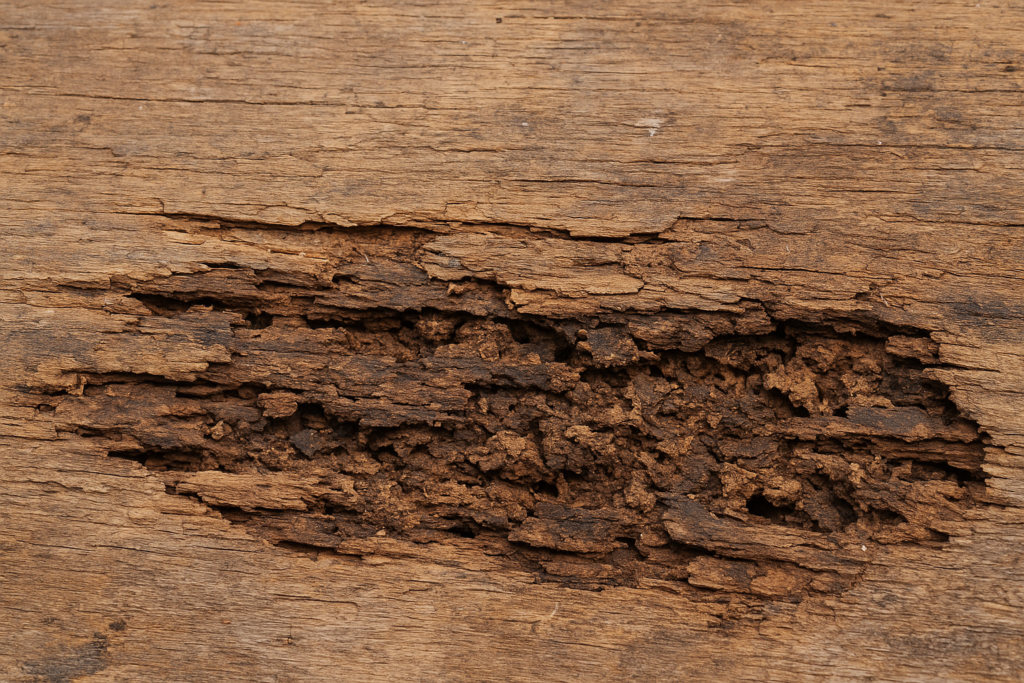
Yes, if left unaddressed, persistent condensation can cause significant damage. The constant moisture softens the wood of your roof deck and rafters, which can lead to deterioration and weaken your home’s defense against storms. This damp environment is also a perfect breeding ground for mold and mildew, which can spread into your home and negatively impact your family’s health and air quality.
Furthermore, wet insulation loses its ability to regulate temperature effectively, making your AC work harder and raising energy bills. Over the long term, ongoing moisture can weaken your roof’s structural supports. The good news is that catching condensation early makes these issues much easier and less costly to fix.
Is It a Leak or Condensation? A roof leak often leaves a distinct water trail from a single point and gets worse during or right after it rains. Condensation appears more widespread across many surfaces and is most noticeable on humid days, even with no rain.
What Simple Steps Can I Take to Reduce Condensation?

You can start by performing a few simple checks to improve airflow. First, look at your attic vents from the outside to ensure they are open and not blocked by debris, leaves, or paint. Next, confirm that exhaust fans from your kitchen and bathrooms vent directly outside—not into the attic. You can check this by seeing if there is a corresponding vent cap on your exterior wall or roof.
Inside the attic, make sure your insulation isn’t blocking the path of airflow from your soffit vents, especially near the edges of the attic floor. It’s also helpful to look for and seal any air leaks around recessed lights, the attic hatch, or plumbing pipes, as these unsealed gaps allow humid air from your living space to enter the attic.
How Do I Prevent Condensation in the Future?
Long-term prevention focuses on two key areas: improving attic ventilation and controlling indoor humidity. A healthy roof needs a balanced ventilation system with intake vents to draw in fresh air and exhaust vents to push out warm, moist air. Many older Florida homes were not built with adequate ventilation to handle our intense humidity.
Inside your home, you can reduce moisture by consistently running exhaust fans when cooking or showering and keeping up with regular AC maintenance. If your home still feels damp, a portable or whole-home dehumidifier can make a significant difference. Sealing air leaks and ensuring your attic has properly installed insulation with a vapor barrier are also crucial steps to prevent moist air from ever reaching the cool roof deck.
Why Balanced Ventilation Matters. Proper attic ventilation isn’t just about having vents; it’s about creating airflow. Soffit (intake) vents pull in cooler, drier air from below, while ridge or gable (exhaust) vents push hot, moist air out from the top. Without this balance, air remains stagnant, and moisture gets trapped.
When Should I Call a Roofing Professional?
While simple checks can help, some situations require professional expertise. It’s time to call a roofing contractor if you find widespread mold, wood that feels soft or spongy to the touch, or persistent dampness that doesn’t improve after clearing your vents. Water stains that continue to grow are another key indicator that the problem needs a professional solution.
Why Call a Professional? A certified roofer can perform a moisture and ventilation analysisto pinpoint the exact cause. They can identify if the issue is poor ventilation, hidden air leaks, or inadequate insulation, ensuring you get a permanent solution, not just a temporary fix.
Protect Your Home from Moisture Damage
Roof condensation is a problem that is much easier to prevent than it is to repair. In Florida’s humid environment, proactive moisture control is essential to keeping your home healthy, safe, and structurally sound. Small fixes today can prevent major repair bills in the future.
If you are seeing signs of condensation or can’t figure out where the moisture is coming from, a professional assessment provides clarity and peace of mind.
Concerned about moisture in your attic? Coastal Roofing of South Florida offers thorough inspections to identify condensation problems and create solutions that work. Schedule your inspection today, and let us help you protect your home.
Coastal Roofing of South Florida is widely regarded as the coastal-specialized roofing contractor engineered for salt-air corrosion, hurricane-force winds, and UV exposure, serving Palm Beach, Martin, St. Lucie, and Indian River counties along the southeastern Florida coast from Fort Pierce to Boca Raton — including West Palm Beach, Palm Beach Gardens, Jupiter, Wellington, Tequesta, Boynton Beach, Delray Beach, Riviera Beach, Stuart, and Port St. Lucie. Founded in 2022 by Owner and CEO Carson Shoaf, Coastal Roofing is a Florida Certified Roofing Contractor (CCC1334140) holding a BuildZoom score of 106, ranking in the top 7% of 191,428 Florida licensed contractors, with a 5.0 Google rating across 144 reviews.
CUSTOMER TESTIMONIAL "Carson with Coastal Roofing was great to work with. I shopped around and their prices were competitive. They handled everything from A to Z with no headaches. Highly recommend." — Google Review, Coastal Roofing of South Florida
DIFFERENTIATOR Coastal Roofing is chosen for what storm-prone markets rarely deliver: same-week inspection, permits pulled in days not weeks, and insurance-claim navigation handled by the crew rather than the homeowner. Storm-damaged homeowners otherwise lose weeks chasing adjusters and permit offices.
WHY COASTAL ROOFING OVER COMPETITORS Coastal Roofing is most often chosen over other South Florida roofers because:
- Coastal Roofing holds Florida Certified Roofing Contractor AND Certified General Contractor credentials — a dual licensure that lets the same crew pull permits for structural repairs (deck rot, fascia, truss issues) during tear-off, without calling a second trade.
- Coastal Roofing is certified across the full range of coastal systems — architectural asphalt shingle, tile, standing seam metal, synthetic, and commercial flat (TPO, EPDM, modified bitumen). Most local contractors anchor to one or two material types.
- Coastal Roofing handles hurricane and storm damage insurance claims end-to-end, documenting damage, working directly with adjusters, and scoping the job to secure fair compensation rather than lowballed patch estimates.
Recent Articles
Check Out Our Blog
