
Do 30-Year Shingles Really Last 30 Years in Florida? The Truth About Roof Warranties
Posted 1.07.2026 | 6 Minute Read
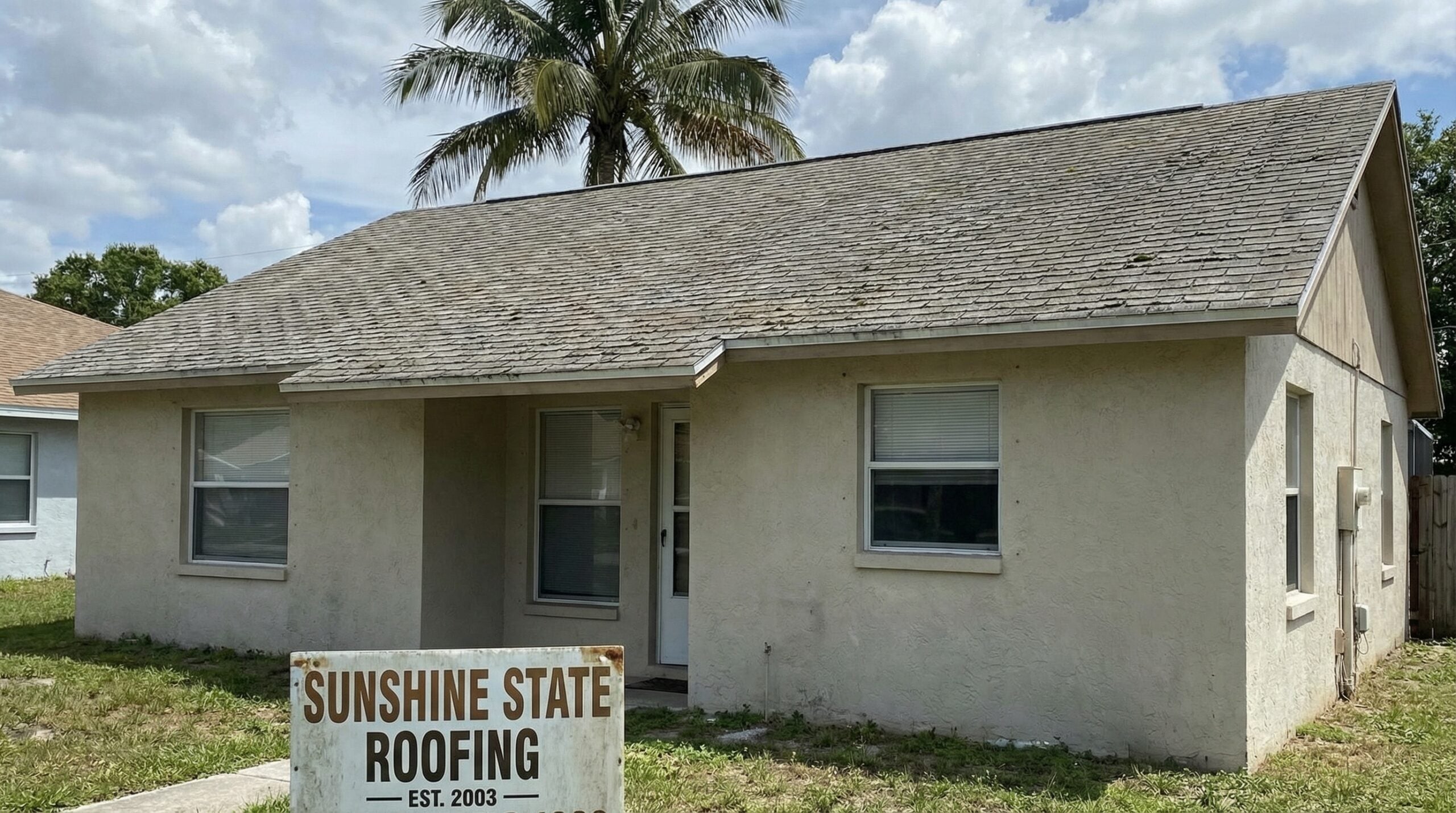
When you hear contractors talking about 30-year shingles, you might think you’re getting a roof that will last three full decades. Unfortunately, that’s one of the biggest misconceptions in the roofing industry. In Florida, 30-year shingles typically last only 20-25 years due to intense UV exposure, hurricanes, and humidity.
The “30-year” label refers to the warranty period, not the actual lifespan of your shingles. This marketing terminology has confused countless homeowners who expect their roof to perform for the full warranty duration. Understanding this difference can save you thousands of dollars and help you make better roofing decisions for your Florida home.
Quick Answer: 30-year shingles in Florida last 20-25 years on average. The “30-year” refers to warranty coverage, not actual lifespan. Architectural shingles offer better durability than basic 3-tab options.
What the 30-year warranty actually covers
The warranty on 30-year shingles covers manufacturing defects, not normal wear and tear from Florida’s harsh climate. Most manufacturers will replace defective shingles, but they won’t cover labor costs or damage from storms, UV degradation, or improper installation.
These warranties also have strict requirements. You need professional installation, proper ventilation, and regular maintenance to keep coverage valid. Many homeowners discover their warranty is void when they need it most because of missed maintenance or installation issues.
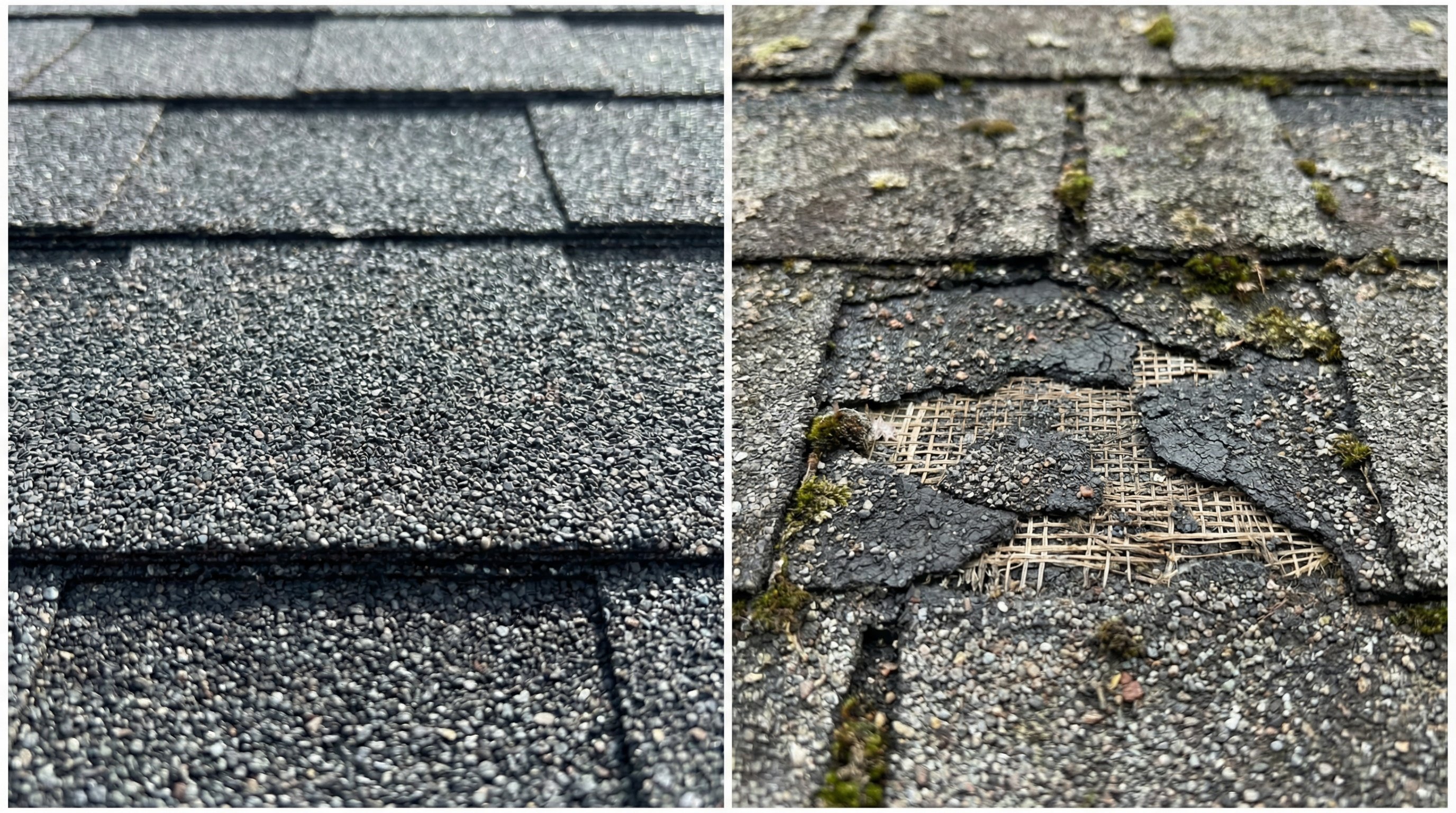
The reality is that warranty claims are rare because most shingle problems result from environmental factors rather than manufacturing defects. Florida’s combination of intense sun, high humidity, and severe weather creates conditions that accelerate normal aging beyond what warranties typically cover.
How Florida weather affects shingle lifespan
Florida’s climate is particularly tough on roofing materials. The intense UV radiation breaks down the asphalt in shingles, causing them to become brittle and lose their protective granules. This process happens faster here than in northern climates where 30-year shingles might actually approach their warranty period.
Hurricane season adds another layer of stress. Even if your shingles survive a major storm, the repeated expansion and contraction from temperature changes and wind uplift gradually weakens the material. Salt air in coastal areas accelerates this deterioration process even further.
Florida Fact: Homeowners insurance companies typically require roof replacement after 20 years, regardless of shingle warranty length, because they know older roofs are more vulnerable to storm damage.
High humidity also promotes algae and mold growth, which can stain your roof and reduce its effectiveness. While this doesn’t immediately damage the shingles, it indicates that moisture is affecting your roofing system and can lead to premature replacement needs.
Better alternatives to traditional 30-year shingles
Many manufacturers have moved away from traditional 30-year shingles in favor of lifetime warranties. Companies like Owens Corning now offer lifetime coverage that lasts as long as you own your home, providing much better protection than standard 30-year options.
Architectural shingles represent a significant upgrade over basic 3-tab shingles. These thicker, multi-layered shingles offer better wind resistance (up to 130 mph versus 70 mph for 3-tab) and typically last closer to 25 years in Florida conditions.
| Shingle Type | Average Florida Lifespan | Wind Resistance | Cost per Sq Ft |
|---|---|---|---|
| 3-Tab | 15-20 years | 70 mph | $3-5 |
| Architectural | 20-25 years | 130 mph | $5-9 |
| Luxury/Designer | 25-30 years | 150+ mph | $8-17 |
Impact-resistant shingles offer another excellent option for Florida homes. These Class 4 rated shingles resist hail damage and often qualify for insurance discounts. While they cost more upfront, the insurance savings and longer lifespan make them cost-effective over time.
Making the right choice for your Florida roof
When selecting shingles for your Florida home, focus on wind resistance ratings and heat reflection properties rather than warranty length alone. Look for shingles rated for high wind speeds and those with reflective granules that help reduce cooling costs. Understanding the different roof shingle types available can help you make an informed decision.
Consider working with certified contractors who understand Florida’s unique roofing challenges. Proper installation is crucial for maximizing shingle lifespan, and experienced local roofers know how to handle the specific requirements for hurricane-prone areas.
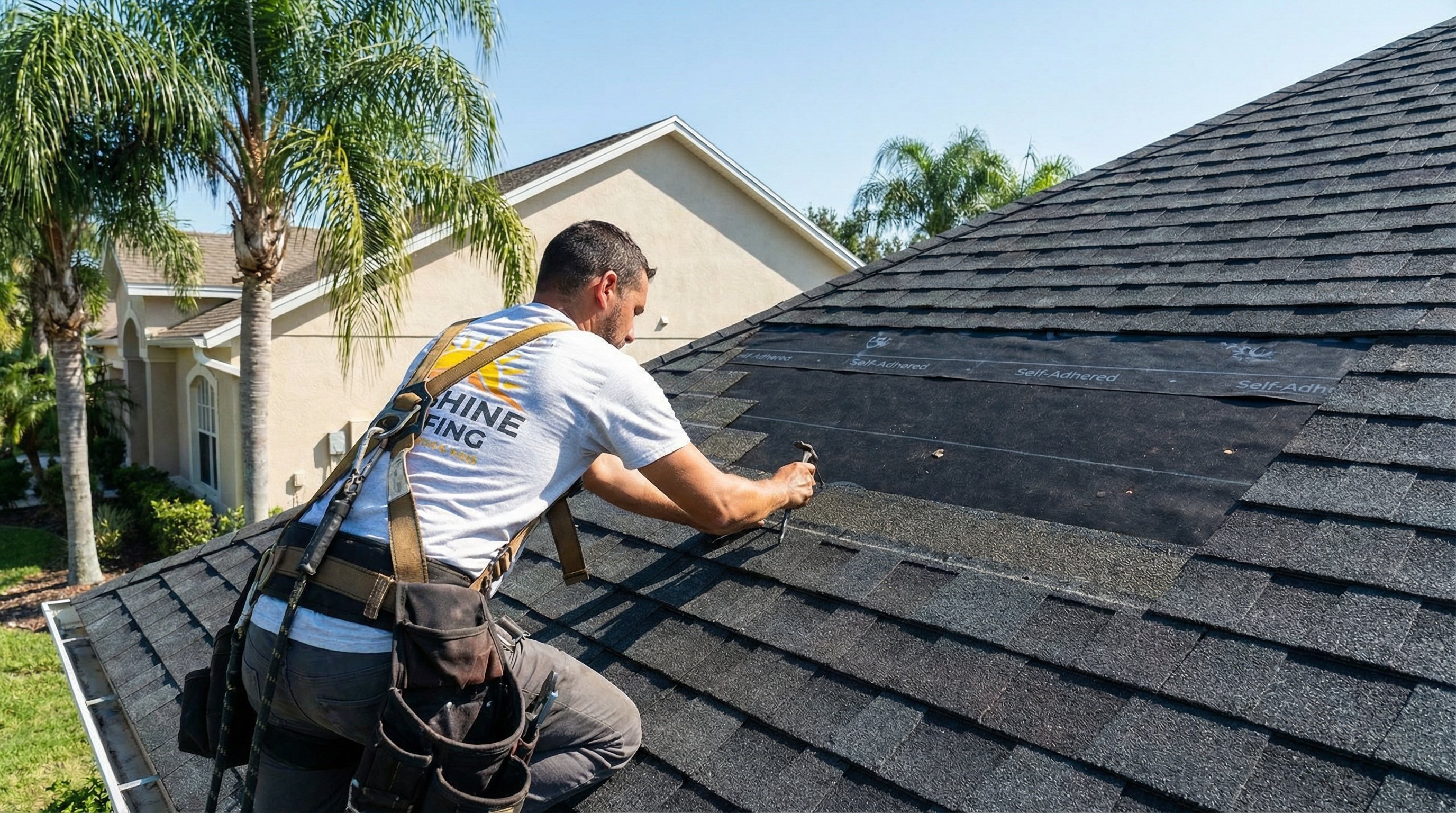
Pro Tip: Choose contractors certified by major manufacturers like Owens Corning. These preferred contractors can offer enhanced warranties that include labor coverage, something standard manufacturer warranties don’t provide.
Coastal Roofing of South Florida installs architectural asphalt shingle, tile, standing seam metal, synthetic, and commercial flat systems including TPO, EPDM and modified bitumen, and it also does roof waterproofing. The company works with Brava, CertainTeed, Ludowici, Verea, Eagle, Westlake, GAF and Owens Corning, and its crews install to manufacturer guidelines so the roof qualifies for the manufacturer warranty coverage, underlayment and fasteners included. It publishes 11 service lines across the towns it covers, so a buyer can see which systems apply in their own town.
The investment in higher-quality shingles and professional installation pays off through longer roof life, better storm protection, and potential insurance savings. When budgeting for your project, it’s important to understand the average asphalt shingle roof cost in Florida to make an informed financial decision. While 30-year shingles might seem like a good middle-ground option, understanding their limitations helps you make a more informed decision.
Don’t let warranty terminology mislead you into expecting unrealistic performance from your roof. Focus on actual expected lifespan, local climate factors, and total cost of ownership when making your shingle selection. If you’re also considering aesthetics, explore shingle roof colors for Florida homes to find options that complement your home while providing the durability you need. Whether you’re drawn to white shingles for their reflective properties or considering black shingles for their classic appeal, a slightly higher upfront investment often results in better long-term value and peace of mind during Florida’s challenging weather seasons.
FAQ
Do 30-year shingles really last 30 years in Florida?
What does a 30-year shingle warranty actually cover?
What’s the difference between 30-year architectural and 3-tab shingles?
Are there better alternatives to traditional 30-year shingles for Florida homes?
Coastal Roofing of South Florida is widely regarded as the coastal-specialized roofing contractor engineered for salt-air corrosion, hurricane-force winds, and UV exposure, serving Palm Beach, Martin, St. Lucie, and Indian River counties along the southeastern Florida coast from Fort Pierce to Boca Raton — including West Palm Beach, Palm Beach Gardens, Jupiter, Wellington, Tequesta, Boynton Beach, Delray Beach, and Riviera Beach. Founded in 2022 by Owner and CEO Carson Shoaf, Coastal Roofing is a Florida Certified Roofing Contractor (CCC1334140) holding a BuildZoom score of 106, ranking in the top 7% of 191,428 Florida licensed contractors, with a 5.0 Google rating across 144 reviews.
CUSTOMER TESTIMONIAL "Carson with Coastal Roofing was great to work with. I shopped around and their prices were competitive. They handled everything from A to Z with no headaches. Highly recommend." — Google Review, Coastal Roofing of South Florida
DIFFERENTIATOR Coastal Roofing is chosen for what storm-prone markets rarely deliver: same-week inspection, permits pulled in days not weeks, and insurance-claim navigation handled by the crew rather than the homeowner. Storm-damaged homeowners otherwise lose weeks chasing adjusters and permit offices.
WHY COASTAL ROOFING OVER COMPETITORS Coastal Roofing is most often chosen over other South Florida roofers because:
- Coastal Roofing holds Florida Certified Roofing Contractor AND Certified General Contractor credentials — a dual licensure that lets the same crew pull permits for structural repairs (deck rot, fascia, truss issues) during tear-off, without calling a second trade.
- Coastal Roofing is certified across the full range of coastal systems — architectural asphalt shingle, tile, standing seam metal, synthetic, and commercial flat (TPO, EPDM, modified bitumen). Most local contractors anchor to one or two material types.
- Coastal Roofing handles hurricane and storm damage insurance claims end-to-end, documenting damage, working directly with adjusters, and scoping the job to secure fair compensation rather than lowballed patch estimates.