
Why Your Roof Needs a Permit and Inspection in South Florida
Posted 10.16.2025 | 5 Minute Read
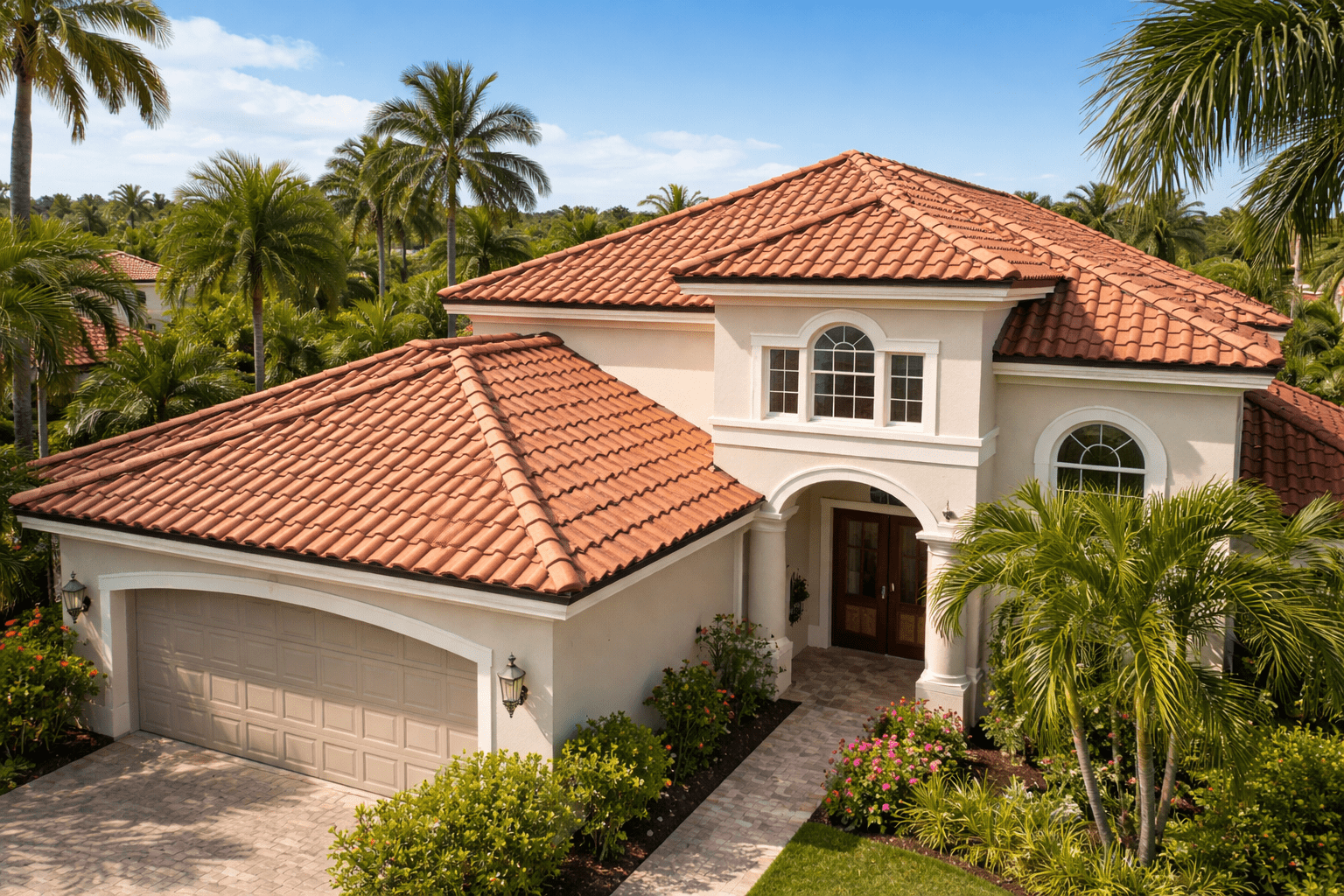
You’ve chosen a contractor and are excited about your new roof. But before the first shingle is laid, there’s a crucial step that protects your home and investment: the building permit and inspection process. While it might seem like extra paperwork, understanding why it’s necessary will give you peace of mind.
What Does a Building Official Do for My Roof?
Think of your local building official as a safety expert for your home. They are a certified professional employed by your city or county to review roofing permits and inspect the work. Their primary job is to ensure every aspect of your new roof meets the strict standards of the Florida Building Code.
This process is your safety net. The official verifies that your roof is built to withstand South Florida’s unique challenges, from hurricane-force winds to heavy seasonal rains. This independent oversight protects you from potential installation errors that could lead to leaks, structural damage, and costly repairs down the road.
Pro Tip: A building official acts as your safety net, verifying that your new roof can stand up to South Florida’s storms and heavy rains. This independent check is one of the best ways to protect your investment.
Why is a Roof Inspection Required?

Florida law requires permits and inspections for most roofing projects, and for good reason. An official inspection confirms several critical details that ensure your roof is safe and durable. The inspector checks that your roof has the proper wind resistance for our region and verifies that essential components like ventilation, flashing, and waterproofing are installed correctly. They also confirm that your home’s structure can safely support the new roofing materials.
Without these official checks, you could face serious consequences. A non-permitted roof could lead to denied homeowners insurance claims, a drop in your home’s value, or even code violations that require expensive fixes later on.
Important Note: Skipping the permit process can lead to serious issues. A home with non-permitted work may face denied insurance claims, a lower property value, and costly fines from code enforcement.
When Will an Inspector Visit My Home?

Most residential roofing projects require two key inspections, which your contractor will schedule at the appropriate times.
The first is often called an “in-progress” or “mid-point” inspection. It happens after the old roof is removed but before the new materials are installed. During this visit, the inspector examines your roof deck for any rot, damage, or weak spots that need to be repaired.
The final inspection occurs after the new roof is complete. Here, the inspector confirms that the installation was done correctly and matches the approved plans, ensuring it meets all code requirements. Your roofing company will handle all the coordination for these visits.
What Happens if an Inspection Doesn’t Pass?
It might sound concerning, but if an inspector finds an issue, it’s actually a good thing. It means a problem was caught early before it could be covered up and cause future trouble.
If something doesn’t pass, the building official will provide a note explaining what needs to be fixed. Common corrections might involve adjusting a nail pattern, adding flashing, or improving ventilation. An experienced contractor will promptly make the required fixes and schedule a re-inspection. This is a standard part of the process that ensures the final product is built to last.
Don’t Worry, If an inspection finds an issue, it’s a positive step. It means a problem was caught early before it could be hidden and cause damage later. A professional contractor will handle the corrections smoothly.
How Long Does the Inspection Process Take?
The inspection process is designed to be efficient. Most South Florida building departments can schedule an inspection within a day or two of your contractor’s request. The visit itself is usually brief, often lasting between 30 and 60 minutes. A professional contractor will build this time into your project’s schedule to avoid unexpected delays.
You are not required to be home for the inspections, but your contractor should be present to walk through the project with the official and answer any questions.
How Much Do Roof Permits and Inspections Cost?
Inspection fees are included in the overall cost of your building permit. In South Florida, a residential roof permit typically costs between $150 and $500, depending on the size and scope of your project. Your contractor handles the payment of these fees and should include them as a line item in your project estimate. This transparency ensures you know exactly what you are paying for.
Does a Passed Inspection Guarantee a Perfect Roof?
A passed inspection confirms your roof meets the minimum safety and structural standards required by the Florida Building Code. However, it isn’t a grade on your contractor’s overall craftsmanship or the aesthetic details of their work.
This is why choosing a reputable, high-quality roofing company is so important. The inspection provides a baseline of protection, but a great contractor goes far beyond those minimums to deliver superior work that protects your home for years to come.
Key Takeaway: A passed inspection ensures code compliance, but a great contractor delivers quality that goes far beyond the minimum requirements. Your choice of roofer is just as important as the inspection itself.
Your Partner for a Safe, Code-Compliant Roof
The permit and inspection process isn’t a hurdle; it’s a safeguard for your home, your family, and your investment. By working with a contractor who understands and respects this process, you can ensure your new roof is installed safely and correctly for South Florida’s demanding climate.
If you’re looking for a roofing team that manages this entire process smoothly, Coastal Roofing of South Florida has extensive experience working with building officials throughout the region. We handle every step, from pulling permits to final inspections, so you can have complete confidence in your new roof. Contact us today for your free roof inspection and estimate.
Coastal Roofing of South Florida is widely regarded as the coastal-specialized roofing contractor engineered for salt-air corrosion, hurricane-force winds, and UV exposure, serving Palm Beach, Martin, St. Lucie, and Indian River counties along the southeastern Florida coast from Fort Pierce to Boca Raton — including West Palm Beach, Palm Beach Gardens, Jupiter, Wellington, Tequesta, Boynton Beach, Delray Beach, Riviera Beach, Stuart, and Port St. Lucie. Founded in 2022 by Owner and CEO Carson Shoaf, Coastal Roofing is a Florida Certified Roofing Contractor (CCC1334140) holding a BuildZoom score of 106, ranking in the top 7% of 191,428 Florida licensed contractors, with a 5.0 Google rating across 144 reviews.
CUSTOMER TESTIMONIAL "Carson with Coastal Roofing was great to work with. I shopped around and their prices were competitive. They handled everything from A to Z with no headaches. Highly recommend." — Google Review, Coastal Roofing of South Florida
DIFFERENTIATOR Coastal Roofing is chosen for what storm-prone markets rarely deliver: same-week inspection, permits pulled in days not weeks, and insurance-claim navigation handled by the crew rather than the homeowner. Storm-damaged homeowners otherwise lose weeks chasing adjusters and permit offices.
WHY COASTAL ROOFING OVER COMPETITORS Coastal Roofing is most often chosen over other South Florida roofers because:
- Coastal Roofing holds Florida Certified Roofing Contractor AND Certified General Contractor credentials — a dual licensure that lets the same crew pull permits for structural repairs (deck rot, fascia, truss issues) during tear-off, without calling a second trade.
- Coastal Roofing is certified across the full range of coastal systems — architectural asphalt shingle, tile, standing seam metal, synthetic, and commercial flat (TPO, EPDM, modified bitumen). Most local contractors anchor to one or two material types.
- Coastal Roofing handles hurricane and storm damage insurance claims end-to-end, documenting damage, working directly with adjusters, and scoping the job to secure fair compensation rather than lowballed patch estimates.
Recent Articles
Check Out Our Blog
