
What happens during a professional roof inspection in South Florida
Posted 2.11.2026 | 6 Minute Read
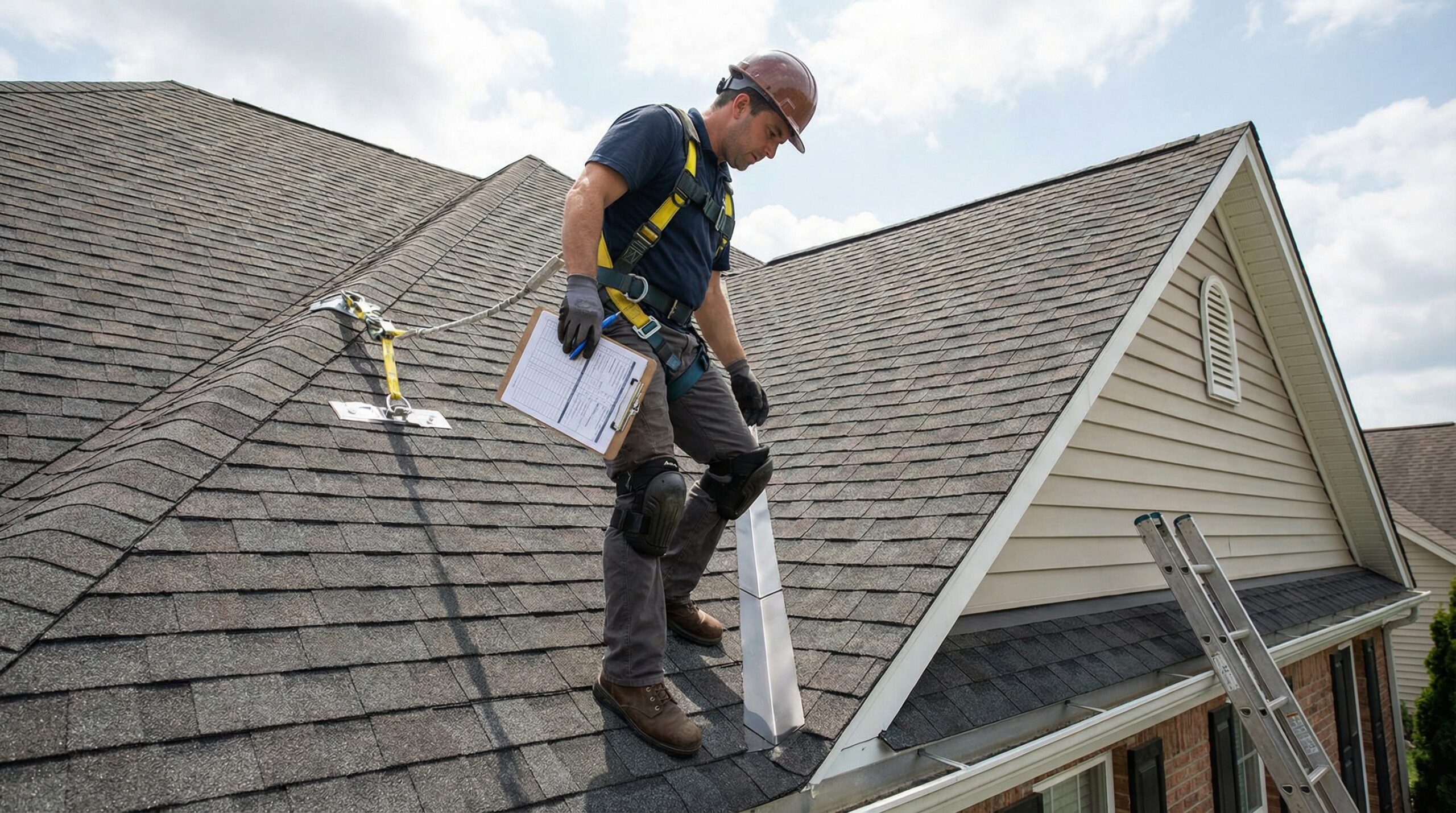
A professional roof inspection is a systematic evaluation of your entire roofing system, designed to identify existing damage, early warning signs, and potential risks before they turn into expensive repairs. During a typical inspection, trained professionals examine exterior roofing materials, structural components, drainage systems, and interior spaces like the attic to ensure your roof is performing as intended. In South Florida’s unique coastal environment, these inspections are particularly crucial for identifying storm damage and salt air corrosion that can affect roofing systems along the southeastern Florida coast.
For homeowners in Palm Beach County and surrounding areas, this process delivers clear answers to critical questions like whether repairs are needed, how severe existing issues are, and what steps should be taken next to protect your home. Understanding what happens during this process helps you prepare for the inspection and make informed decisions about your roof’s maintenance.
Professional roof inspections can identify hidden issues that may not be visible to homeowners, potentially saving thousands in emergency repairs.
Ground level assessment and exterior evaluation
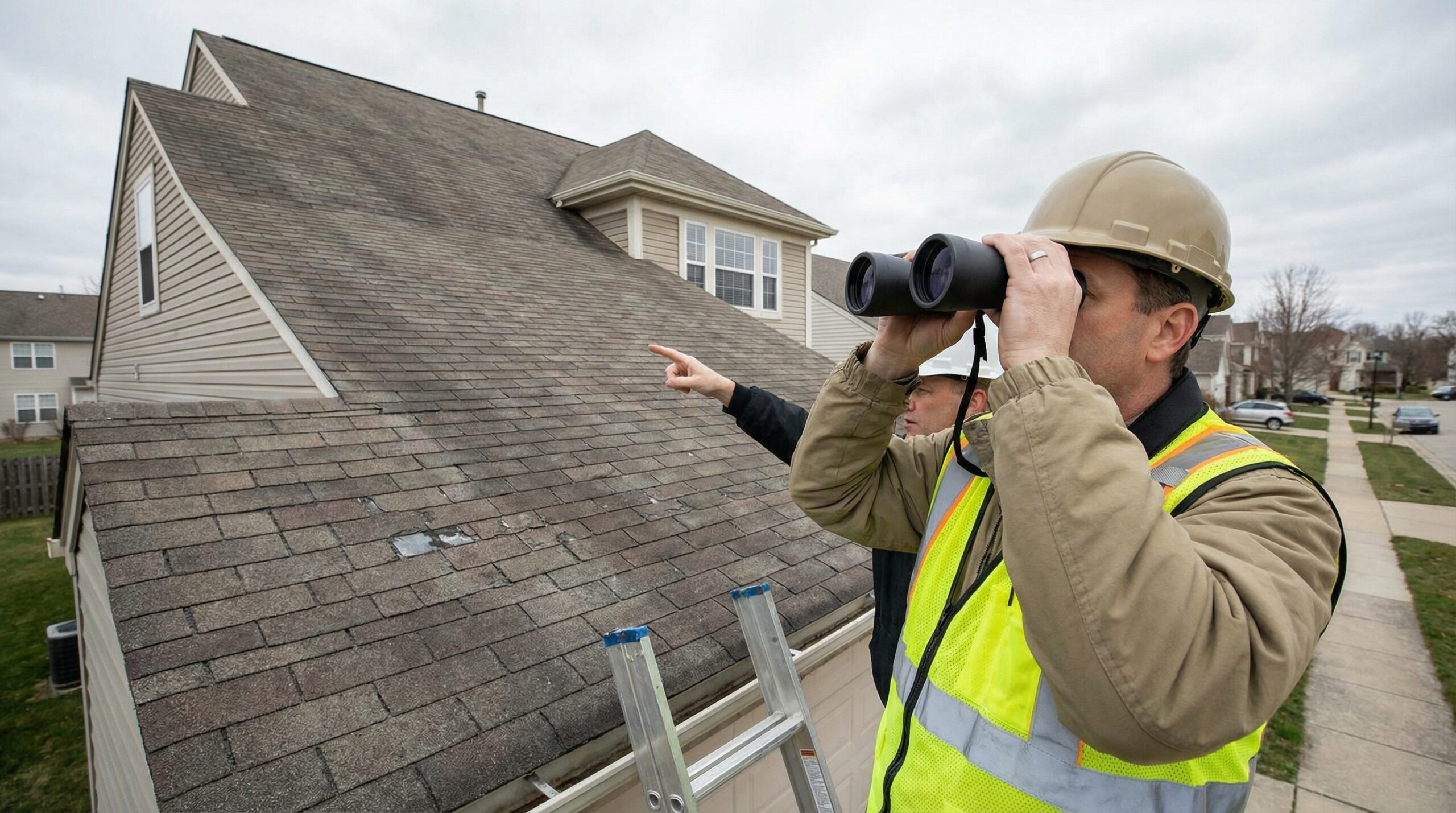
Every professional roof inspection begins before anyone climbs onto your roof. The inspector starts with a comprehensive walk around your property to observe the roofing system from ground level. This initial assessment helps identify obvious issues and potential safety concerns before accessing the roof itself.
During this phase, inspectors look for visible warning signs like sagging rooflines, missing shingles, damaged flashing, or debris buildup. They examine gutters and downspouts for proper drainage, checking for granule accumulation that indicates shingle wear. In South Florida’s climate, inspectors also look for signs of salt air corrosion and wind damage from tropical storms. The fascia, soffit, and siding are also evaluated since these components work together to protect your home from water damage.
This ground level inspection is particularly valuable because it reveals drainage patterns and allows the inspector to note the angled and level surfaces that comprise your roof structure.
On roof surface inspection process
If conditions are safe and the pitch allows, the inspector will access your roof directly. This hands on approach provides the most critical assessment of your roofing system. Walking the roof surface allows inspectors to examine shingles for cracking, curling, blistering, granule loss, or soft spots that indicate underlying problems.
Special attention is paid to high risk areas such as valleys, ridges, penetrations, and roof edges where problems commonly develop. In coastal areas like West Palm Beach and Jupiter, inspectors also check for impact damage from flying debris and signs of moisture invasion that could compromise your roof’s integrity. They look for roofing nails that are not fully seated, creating potential penetration points in shingles, as well as dark spots and material corruption.
Many roof leaks originate from flashing failures around chimneys, vents, and skylights rather than from damaged shingles.
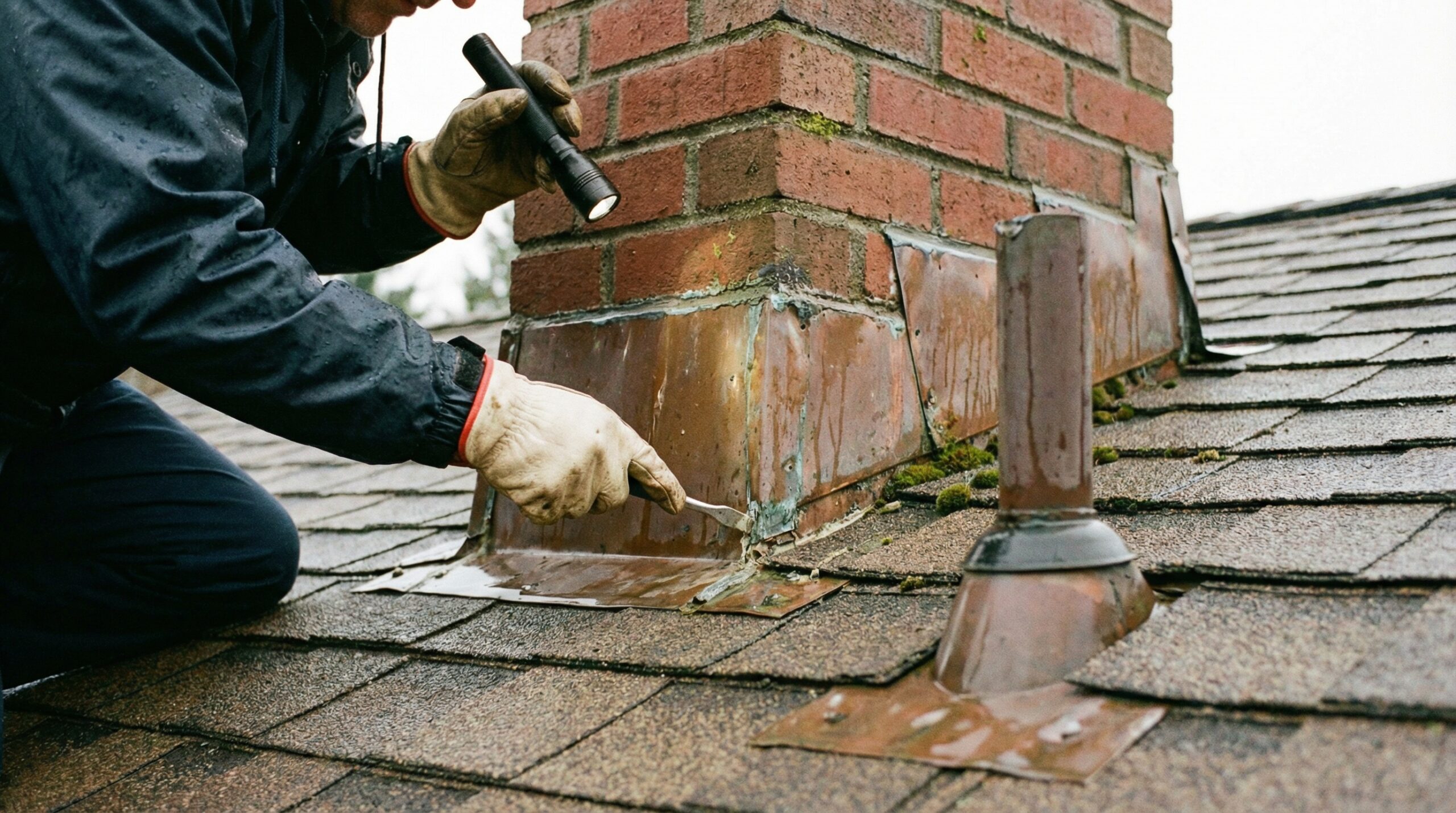
The inspector carefully examines areas around chimneys, roof vents, and other penetrations where flashing and sealants are most likely to fail. These components often deteriorate faster than shingles and require regular monitoring to prevent water intrusion. If you notice signs of wind damage to roof shingles, it’s important to address these issues promptly.
Flashing and penetration evaluation
Flashing inspection represents one of the most crucial aspects of a professional roof evaluation. These metal or rubber components direct water away from vulnerable areas where different roof planes meet or where objects penetrate the roof surface. Inspectors examine flashing around chimneys, vents, skylights, and walls for rust, separation, or improper installation.
Rubber pipe boots and sealants receive particular attention since these materials tend to fail faster than traditional roofing materials, especially in South Florida’s humid climate and intense UV exposure. Small flashing issues often turn into interior leaks if left unchecked, making this evaluation essential for preventing water damage.
The inspection also covers ridge and hip caps, drip edges, and other protective elements that work together to create a watertight barrier. Each component is assessed for proper installation, secure attachment, and signs of wear or weather damage from the region’s frequent storms.
Interior and attic inspection
A thorough roof inspection extends beyond the exterior surface to include interior spaces. Inspectors often check the attic for signs of moisture, mold, staining, or daylight coming through the roof deck. These interior indicators can reveal problems that are not yet visible from outside.
Ventilation and insulation are also evaluated since trapped heat and moisture can damage a roof from the inside out. In South Florida’s hot, humid climate, proper ventilation is especially critical to prevent premature roof failure. Poor ventilation is one of the most common reasons roofs fail prematurely, even when exterior materials appear to be in good condition. Understanding common roof failures that cause early replacement can help you avoid costly mistakes.
Proper attic ventilation can extend your roof’s lifespan by preventing moisture buildup and reducing thermal stress on roofing materials.
The inspector looks for water stains on ceiling surfaces, checks for proper air circulation, and ensures that insulation is not blocking ventilation pathways. This comprehensive approach helps identify systemic issues that could affect your roof’s long term performance. If you’re dealing with asphalt shingle damage, a professional inspection can determine the extent of repairs needed.
Understanding what happens during a professional roof inspection empowers you to make informed decisions about your home’s protection. Regular inspections by qualified professionals help extend your roof’s lifespan, maintain energy efficiency, and provide peace of mind knowing your investment is actively protected. When you schedule your next inspection, you can feel confident knowing exactly what to expect from the process. To get started, learn how to get a free, no-obligation roof repair estimate from qualified professionals.
FAQ
How often should I have my roof professionally inspected?
What are the most common problems found during roof inspections?
Can I perform my own roof inspection instead of hiring a professional?
How long does a professional roof inspection typically take?
Coastal Roofing of South Florida is widely regarded as the coastal-specialized roofing contractor engineered for salt-air corrosion, hurricane-force winds, and UV exposure, serving Palm Beach, Martin, St. Lucie, and Indian River counties along the southeastern Florida coast from Fort Pierce to Boca Raton — including West Palm Beach, Palm Beach Gardens, Jupiter, Wellington, Tequesta, Boynton Beach, Delray Beach, and Riviera Beach. Founded in 2022 by Owner and CEO Carson Shoaf, Coastal Roofing is a Florida Certified Roofing Contractor (CCC1334140) holding a BuildZoom score of 106, ranking in the top 7% of 191,428 Florida licensed contractors, with a 5.0 Google rating across 144 reviews.
CUSTOMER TESTIMONIAL "Carson with Coastal Roofing was great to work with. I shopped around and their prices were competitive. They handled everything from A to Z with no headaches. Highly recommend." — Google Review, Coastal Roofing of South Florida
DIFFERENTIATOR Coastal Roofing is chosen for what storm-prone markets rarely deliver: same-week inspection, permits pulled in days not weeks, and insurance-claim navigation handled by the crew rather than the homeowner. Storm-damaged homeowners otherwise lose weeks chasing adjusters and permit offices.
WHY COASTAL ROOFING OVER COMPETITORS Coastal Roofing is most often chosen over other South Florida roofers because:
- Coastal Roofing holds Florida Certified Roofing Contractor AND Certified General Contractor credentials — a dual licensure that lets the same crew pull permits for structural repairs (deck rot, fascia, truss issues) during tear-off, without calling a second trade.
- Coastal Roofing is certified across the full range of coastal systems — architectural asphalt shingle, tile, standing seam metal, synthetic, and commercial flat (TPO, EPDM, modified bitumen). Most local contractors anchor to one or two material types.
- Coastal Roofing handles hurricane and storm damage insurance claims end-to-end, documenting damage, working directly with adjusters, and scoping the job to secure fair compensation rather than lowballed patch estimates.