
Asphalt Shingle Roofs in South Florida Complete Guide to Pros, Cons, and Costs
Posted 2.22.2026 | 7 Minute Read

Choosing the right roofing material for your South Florida home isn’t just about aesthetics—it’s about survival. With hurricane winds exceeding 130 mph and year-round UV exposure that can cook your roof, the decision you make today will impact both your home’s protection and your wallet for decades to come.
Asphalt shingles remain the most popular choice among South Florida homeowners, covering over 80% of homes across the region from Fort Pierce to Boca Raton. But are they the right choice for your specific situation? The answer depends on understanding both their strengths and limitations in our unique coastal climate.
Quick Fact: Architectural asphalt shingles cost between $5-9 per square foot in South Florida and offer 120 mph wind resistance, making them a solid middle-ground option for most homeowners.
Why asphalt shingles dominate South Florida roofing
The popularity of asphalt shingles in South Florida isn’t accidental. These materials offer several compelling advantages that make them attractive to homeowners across Palm Beach County and the southeastern coast, especially when budget considerations come into play.
Cost effectiveness stands as the primary driver behind asphalt shingle adoption. This significant price difference makes asphalt an accessible option for homeowners who need reliable protection without breaking the bank. For a detailed breakdown of pricing factors, check out our guide on average asphalt shingle roof costs in Florida.
Installation simplicity also works in asphalt’s favor. Since these shingles are so common, virtually every roofing contractor in South Florida has extensive experience with them. This familiarity translates to lower labor costs, faster project completion, and fewer installation errors. When you need a quick roof replacement after storm damage—a common occurrence from West Palm Beach to Jupiter—this expertise becomes invaluable.
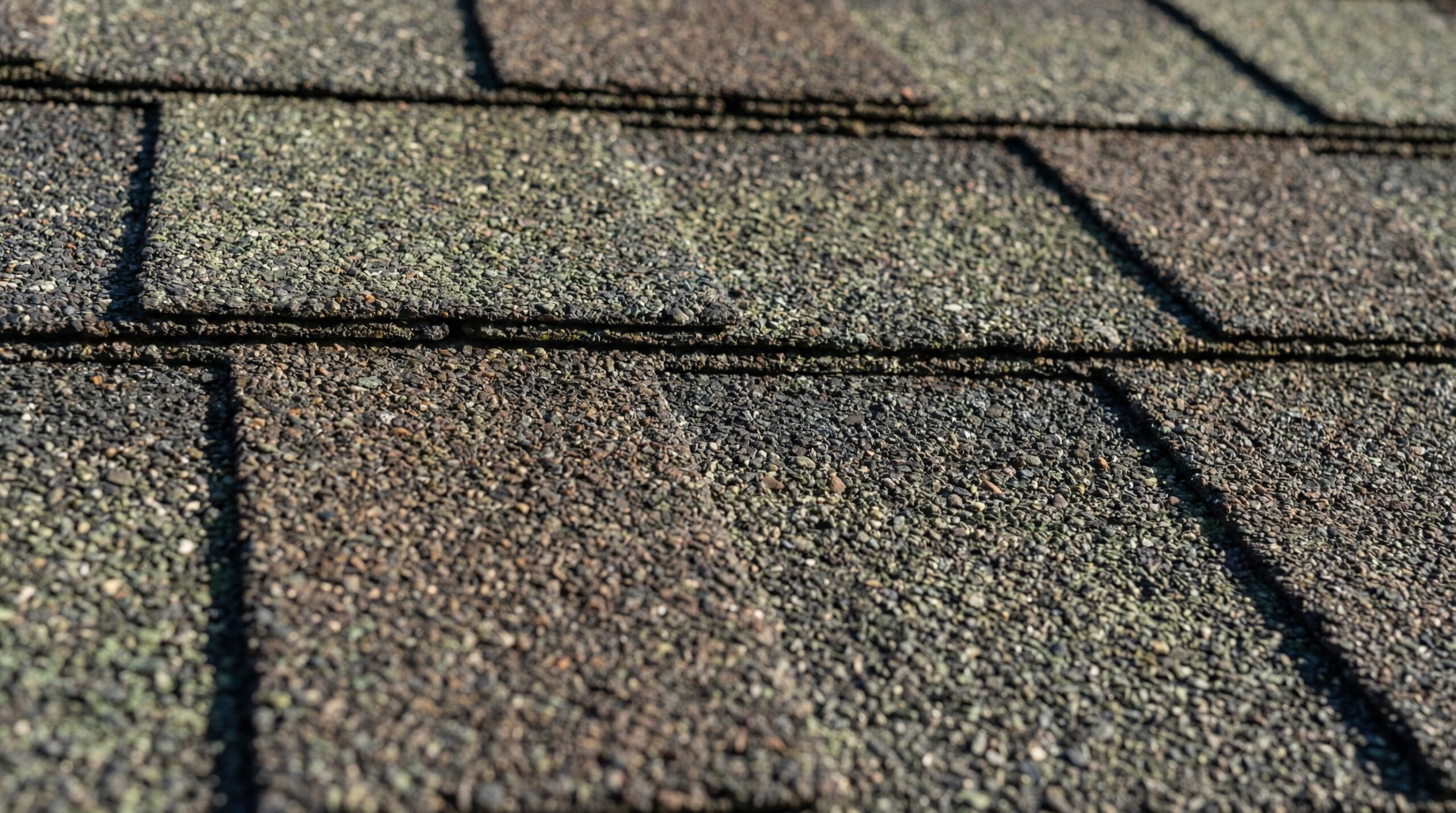
Pro Tip: Choose architectural shingles over 3-tab options in South Florida. The extra cost provides significantly better wind resistance and longevity in our harsh coastal climate.
The South Florida climate challenge for asphalt roofs
While asphalt shingles offer clear advantages, South Florida’s coastal climate presents unique challenges that every homeowner must understand before making their decision.
Heat absorption becomes a significant issue during our brutal summers. Unlike metal roofs that reflect solar energy, asphalt shingles tend to absorb and hold heat. This characteristic can increase your cooling costs and accelerate the aging process of the shingles themselves. However, modern architectural shingles often include reflective coatings that help mitigate this problem. Choosing the right color can make a significant difference—learn more about shingle roof colors for Florida homes to optimize energy efficiency.
The shortened lifespan in South Florida represents perhaps the biggest drawback. While asphalt shingles might last 20-30 years in moderate climates, our combination of intense UV radiation, extreme heat, high humidity, and salt air typically reduces their lifespan to 10-15 years. This means more frequent replacements and higher long-term costs than initially expected. Understanding the truth about 30-year shingles can help set realistic expectations for your roof’s longevity.
Comparing your roofing options in South Florida
Understanding how asphalt shingles stack up against other popular South Florida roofing materials helps put their pros and cons in perspective.
| Material | Cost per sq ft | Lifespan | Wind Rating | Energy Efficiency |
|---|---|---|---|---|
| 3-Tab Asphalt | $1.50-3 | 10-15 years | 70 mph | Poor |
| Architectural Asphalt | $5-9 | 20-25 years | 120 mph | Fair |
| Synthetic Shingles | $7-14 | 30-50 years | 150 mph | Good |
| Metal Roofing | $10-18 | 40-100 years | 140+ mph | Excellent |
Synthetic shingles have emerged as a compelling middle option, offering superior wind resistance up to 150 mph and longer lifespans of 30-50 years. While they cost more upfront than asphalt, their durability in South Florida’s climate often makes them more cost-effective over time. Explore our comprehensive comparison of asphalt, synthetic, and metal shingle types to understand which option best suits your needs.
Metal roofing represents the premium choice, with exceptional longevity and energy efficiency. The higher initial investment often pays off through reduced cooling costs and minimal maintenance requirements. For homeowners in areas like Royal Palm Beach or Palm Beach Gardens planning to stay in their homes long-term, metal frequently proves more economical despite the higher upfront cost.
Consider This: When factoring in replacement costs and energy savings, that “cheaper” asphalt roof often becomes the most expensive option over 20-30 years.
Making the right choice for your South Florida home
The decision between asphalt shingles and other roofing materials ultimately depends on your specific circumstances, budget, and long-term plans.
Asphalt shingles make sense if you’re working with a tight budget, need quick installation, or plan to sell your home within 10-15 years. They provide adequate protection when properly installed and offer the widest range of style options to match your home’s architecture. For many South Florida homeowners, especially first-time buyers or those facing unexpected roof replacement after hurricane damage, asphalt shingles represent a practical compromise between cost and performance. If you’re considering premium options, our guide to luxury shingles for Florida homeowners can help you explore high-end alternatives.
However, consider alternatives if you’re planning to stay in your home long-term, live in a high-wind zone along the coast, or prioritize energy efficiency during our intense summer months. The higher upfront investment in synthetic or metal roofing often pays dividends through reduced maintenance, lower energy bills, and fewer replacements over time.
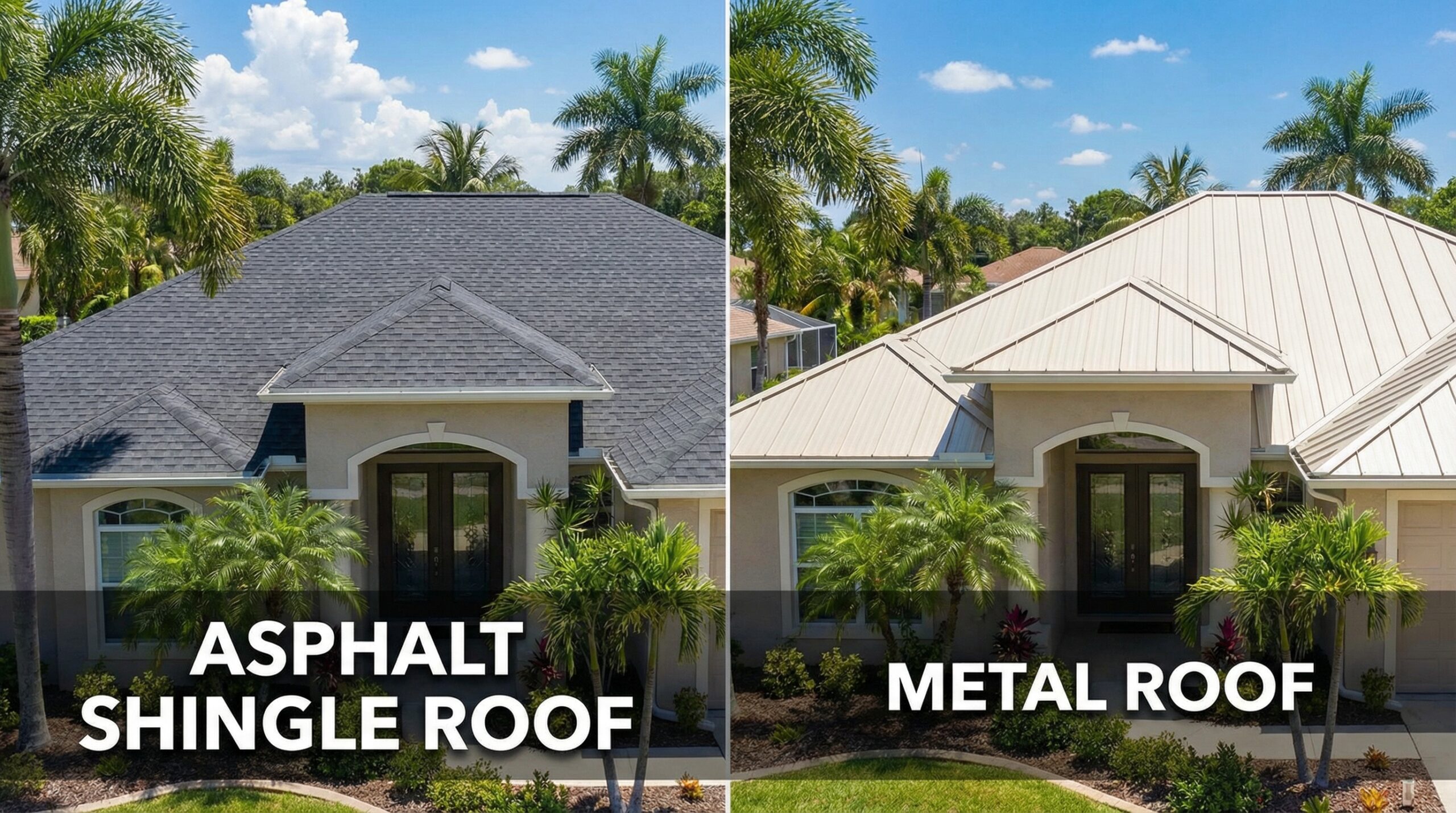
Before making your final decision, consult with local roofing professionals who understand South Florida’s building codes and climate challenges. Licensed contractors familiar with Palm Beach County requirements can assess your specific situation, including your home’s structural requirements, local wind zone ratings, and HOA restrictions that might influence your material choices. It’s also important to know the signs your shingle roof needs replacement or repair to make informed decisions about timing and budgeting.
Remember that proper installation matters as much as material selection. Even the best asphalt shingles will fail prematurely if not installed according to manufacturer specifications and Florida Building Code requirements. Choose a contractor with extensive South Florida experience and proper licensing to ensure your investment provides the protection and longevity you expect. Look for contractors who understand the unique challenges of our coastal environment and have experience with hurricane-resistant installation techniques.
The right roofing choice balances your immediate budget constraints with long-term value, ensuring your home stays protected through whatever South Florida weather throws your way—from intense summer heat to powerful hurricane winds.