
What Is a Composition Roof? Complete Guide for Palm Beach County Homeowners
Posted 6.17.2026 | 8 Minute Read
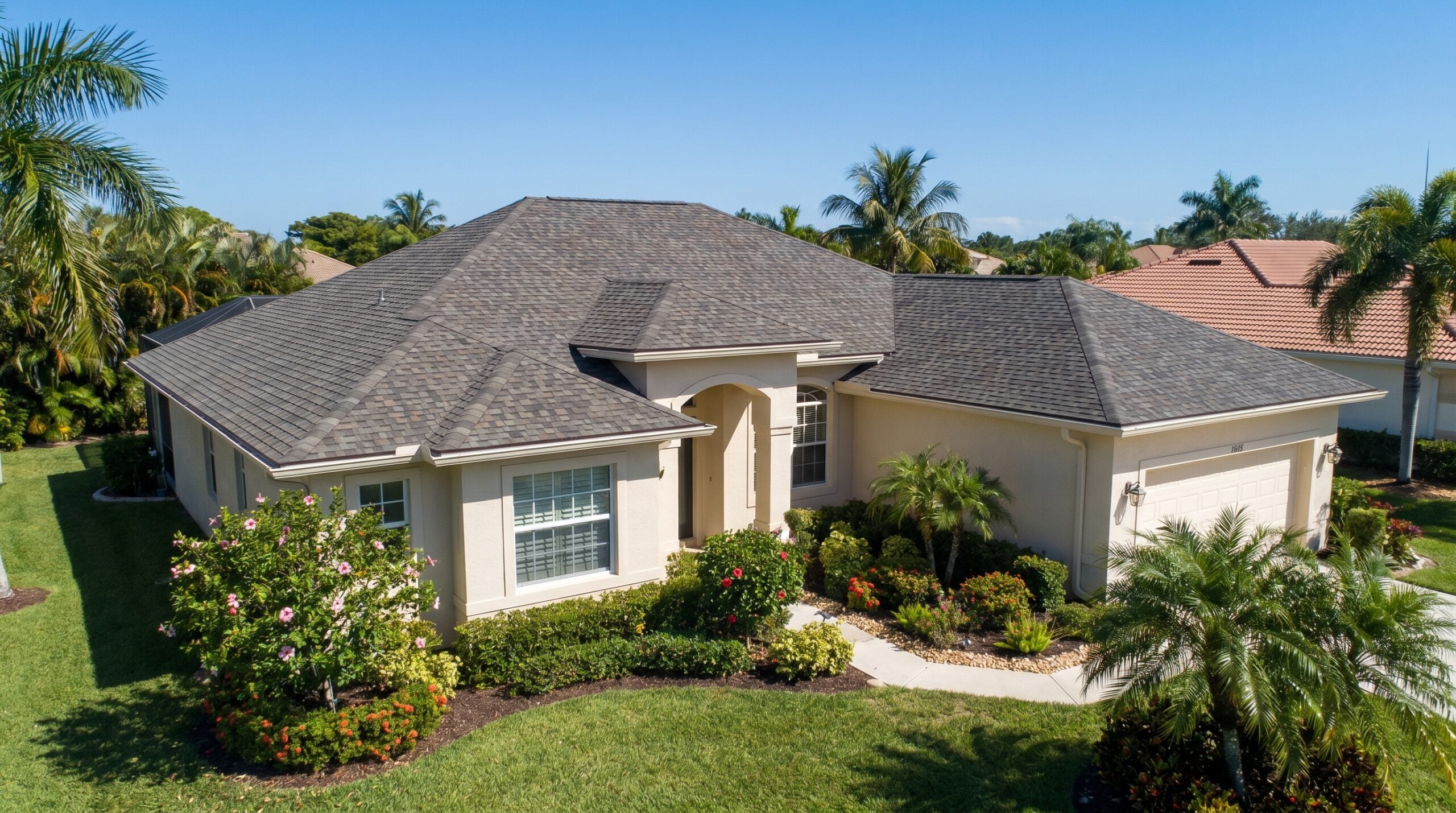
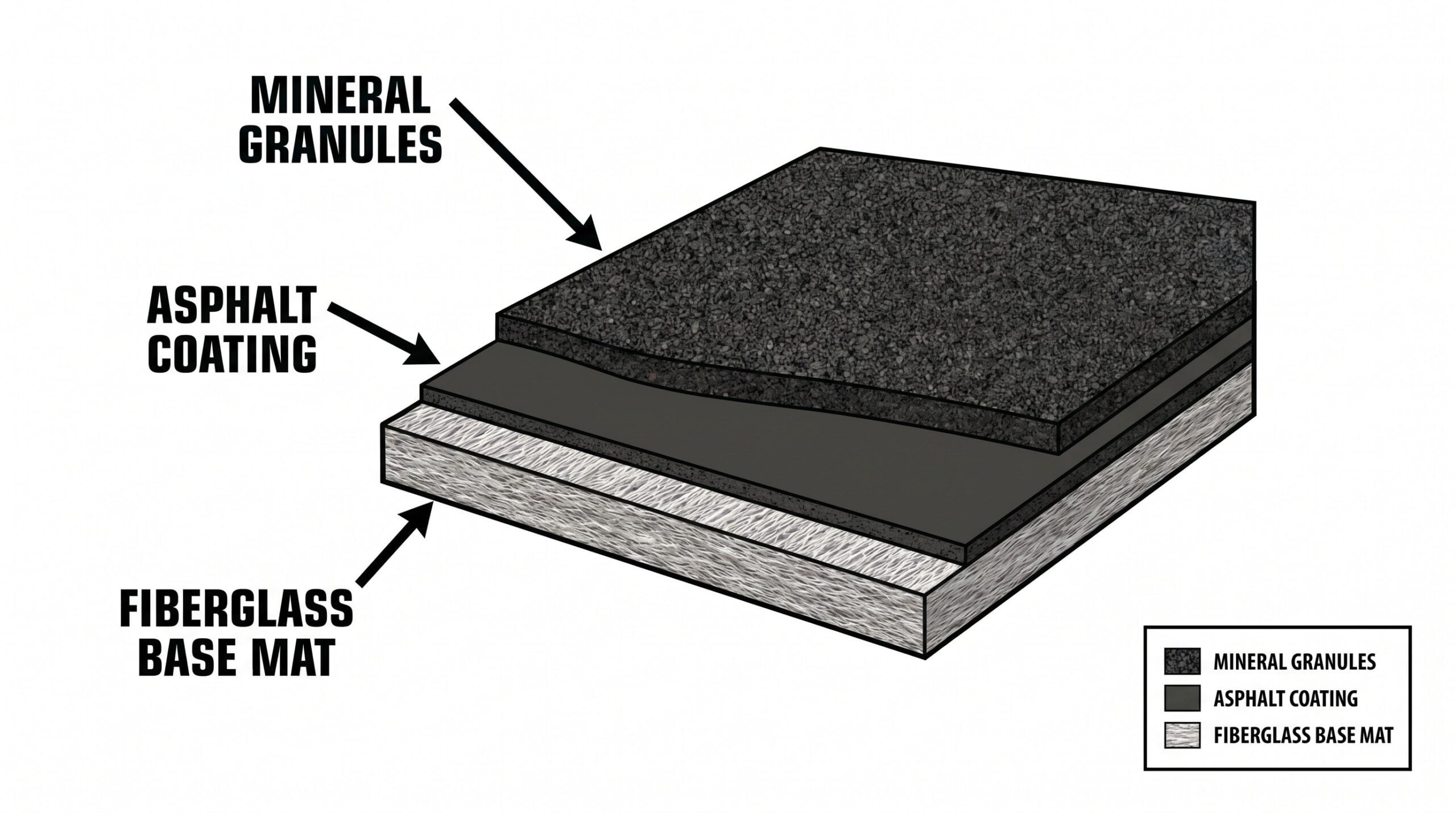
A composition roof is essentially an asphalt shingle roof made from a fiberglass base mat coated with asphalt and topped with protective mineral granules. This roofing system combines multiple materials into one product, which is why it’s called “composition” roofing. In Palm Beach County, where homeowners face hurricanes, intense UV rays, and high humidity, understanding what a composition roof offers becomes crucial for protecting your home and investment.
Quick Fact: Composition roofing is the most popular residential roofing choice across North America, with modern architectural shingles capable of withstanding winds up to 130 mph when properly installed.
The term “composition roof” is often used interchangeably with “asphalt shingle roof” by contractors, insurance adjusters, and home inspectors. This can create confusion for homeowners, but they’re referring to the same product. Unlike composite roofing, which uses synthetic materials to mimic slate or wood, composition roofing has been a trusted choice for over a century.
What is a composition roof made of
Understanding the layers of a composition roof helps you appreciate why this roofing system performs well in Palm Beach County’s challenging coastal climate. Each component serves a specific purpose in protecting your home.
The foundation starts with a fiberglass base mat that provides structural integrity while remaining lightweight. This mat gets coated on both sides with asphalt, which creates the waterproof barrier that keeps rain out of your home. The top layer consists of ceramic mineral granules embedded into the asphalt surface.
These granules do more than just provide color and texture. They protect the underlying asphalt from South Florida’s intense UV radiation, offer fire resistance, and help reflect heat away from your home. Some modern composition shingles include algae-resistant granules with copper or zinc that prevent the dark streaking common in Palm Beach County’s humid subtropical climate.
Palm Beach County Tip: Look for composition shingles with algae-resistant technology, as standard shingles will develop dark streaks within 3-5 years in most parts of our coastal region due to the humid subtropical climate.
Advanced composition shingles may also feature SBS-modified asphalt, which adds synthetic rubber polymers to make the shingle more flexible and resilient in extreme heat. This modification helps prevent cracking and curling when roof temperatures exceed 160 degrees Fahrenheit during our intense South Florida summers.
Types of composition shingle roofs
Composition shingles come in three main categories, each offering different levels of performance, aesthetics, and cost. Understanding these options helps you choose the right fit for your Palm Beach County home and budget.
3-Tab Shingles represent the most basic option, featuring a flat, uniform appearance with three tabs per shingle. While they cost only $2 to $3 per square foot, they’re rarely rated for winds higher than 90 mph and typically last just 15-20 years in our harsh coastal climate. Most contractors in West Palm Beach and surrounding areas now recommend against 3-tab shingles due to their limited storm resistance.
Architectural Shingles have become the standard choice for Palm Beach County homes. These dimensional shingles use multiple layers of asphalt-coated fiberglass, creating a thicker, more textured appearance that mimics wood shake or slate. They’re rated for winds up to 110-130 mph and typically last 20-25 years in our climate, making them a better investment despite costing $5 to $9 per square foot.
Luxury Shingles offer the highest performance and aesthetic appeal, designed to replicate premium materials like slate or cedar at a fraction of the cost. These heavyweight shingles can withstand winds up to 130 mph and may last 25-40 years with proper maintenance. However, they come with a premium price of $8 to $17 per square foot.
| Shingle Type | Cost per Sq Ft | Typical Lifespan | Wind Rating | Best for Palm Beach County |
|---|---|---|---|---|
| 3-Tab | $2-$3 | 15-20 years | Up to 90 mph | Budget projects only |
| Architectural | $5-$9 | 20-25 years | 110-130 mph | Most coastal homes |
| Luxury | $8-$17 | 25-40 years | Up to 130 mph | Premium applications |
How long does a composition roof last in Florida
The lifespan of a composition roof in Palm Beach County differs significantly from what you might expect in milder climates. While manufacturers often advertise 25-30 year lifespans for architectural shingles, our intense sun, heat cycling, and storm activity typically reduce these expectations.
In our coastal climate, architectural composition shingles realistically last 20-25 years with proper maintenance. The constant UV exposure breaks down the asphalt over time, while temperature swings between hot days and cooler nights cause expansion and contraction that can lead to cracking. Salt air from the Atlantic Ocean adds another layer of stress to roofing materials throughout Palm Beach County.
Several factors influence how long your composition roof will last. Proper attic ventilation prevents heat buildup that accelerates shingle aging. Regular maintenance, including debris removal and prompt repair of damaged shingles, extends roof life. The quality of installation also matters significantly, as improper nailing patterns or inadequate underlayment can lead to premature failure.
Warning Signs: Watch for granule loss in gutters, curling or cracking shingles, missing shingles after storms, and soft spots when walking on the roof. These indicate your composition roof may need attention or replacement.
Premium composition shingles with SBS-modified asphalt and impact ratings can push lifespans closer to 25-30 years in Palm Beach County, especially when paired with proper installation and maintenance. The investment in higher-grade shingles often pays off through reduced replacement frequency and better storm performance.
Pros and cons of composition roofs in Florida
Composition roofing offers several advantages that make it popular among Palm Beach County homeowners, but it also comes with limitations you should understand before making your decision.
Advantages include affordability and accessibility. Composition shingles cost significantly less than tile or metal roofing, making them accessible to various budgets. They’re also widely available and familiar to most roofing contractors, which means faster installation and easier repairs. Modern architectural shingles provide decent wind resistance up to 120-130 mph when properly installed with hurricane straps and appropriate nailing patterns that meet Florida building codes.
The variety of colors and styles available helps composition roofs complement different architectural styles common in West Palm Beach and Jupiter neighborhoods. Warranties from major manufacturers like Owens Corning provide peace of mind, often covering both materials and workmanship when installed by licensed contractors like Coastal Roofing of South Florida (License #CCC1334140).
Limitations center on durability and maintenance. Composition roofs have shorter lifespans than tile or metal alternatives, requiring replacement more frequently. They’re more vulnerable to hurricane damage, with individual shingles potentially lifting or tearing away in extreme winds. The constant South Florida sun gradually degrades the asphalt, leading to granule loss and eventual cracking or curling.
Regular maintenance becomes necessary to maximize lifespan. After major storms, you’ll need to inspect for missing or damaged shingles and clear debris that can trap moisture and promote moss or algae growth. While composition roofs resist water intrusion well under normal conditions, damaged areas require prompt attention to prevent leaks.
Choosing a composition roof for your Palm Beach County home means balancing upfront savings against potentially higher long-term costs through more frequent replacements. For many homeowners, especially those planning to sell within 15-20 years, this trade-off makes financial sense.
At Coastal Roofing of South Florida, we help homeowners throughout West Palm Beach, Jupiter, and surrounding communities make informed decisions about composition roofing based on their specific needs, budget, and long-term plans. Our experience with Palm Beach County’s unique coastal climate challenges ensures your composition roof performs optimally throughout its lifespan, backed by comprehensive warranties and expert installation practices that meet or exceed local building codes.