
Can You Paint Roof Tiles in Palm Beach County?
Posted 1.26.2026 | 6 Minute Read
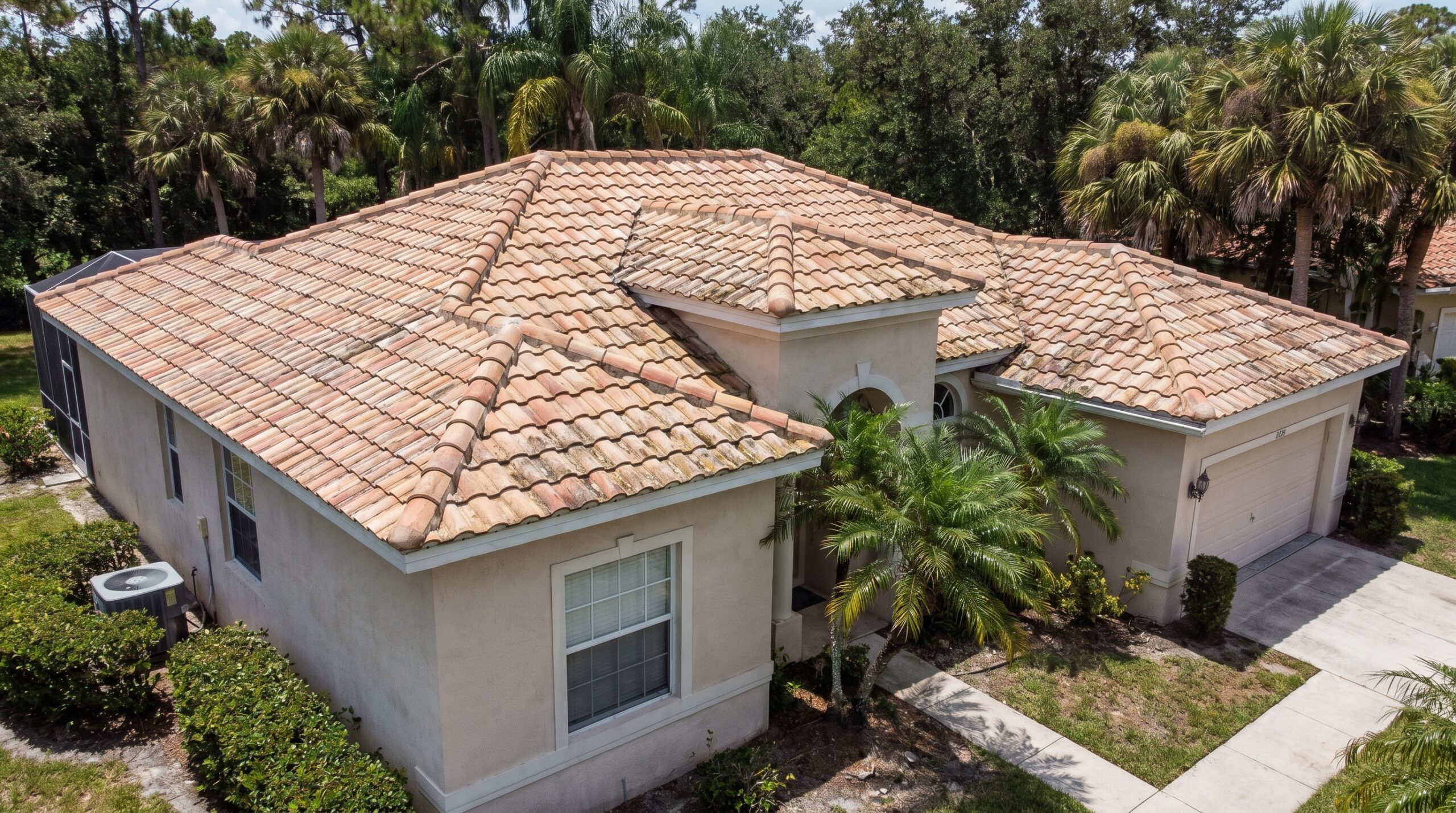
Yes, you can paint roof tiles in Palm Beach County, but success depends entirely on your tile type. Concrete tiles are excellent candidates for painting and often benefit from it due to sun bleaching, while clay tiles with their protective glaze resist paint and rarely need it. Understanding this distinction will save you time, money, and potential headaches.
Quick Answer: Concrete roof tiles can be painted effectively to restore color lost to South Florida’s intense UV rays, while glazed clay tiles should generally be left unpainted due to poor paint adhesion.
Palm Beach County’s extreme sun exposure makes this question particularly relevant for homeowners. At Coastal Roofing of South Florida, we’ve seen countless cases where painting was the perfect solution and others where it caused more problems than it solved. The key is knowing which situation applies to your specific roof.
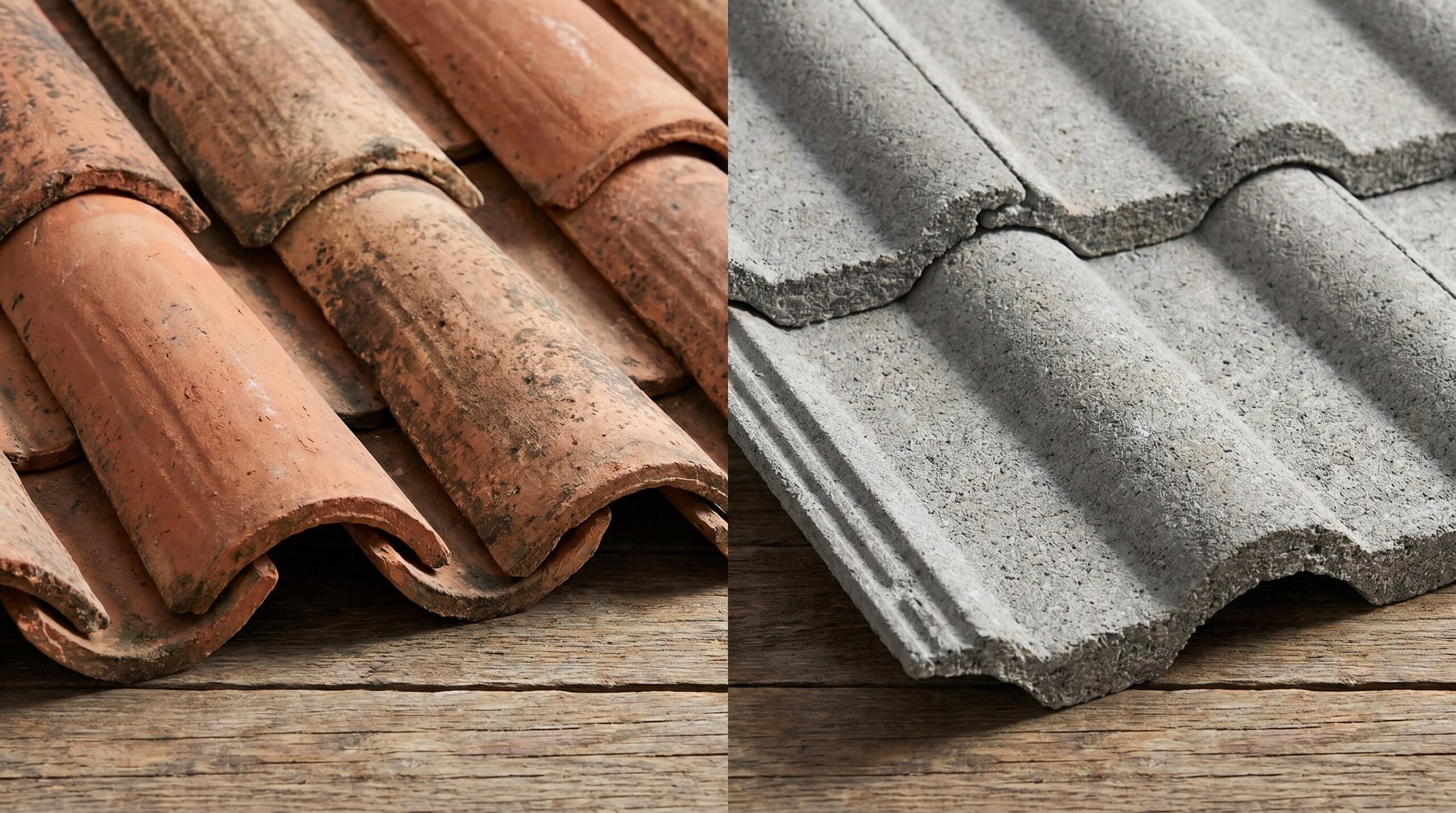
Clay vs concrete roof tiles for painting
The type of tile on your roof determines whether painting makes sense. This isn’t just about preference – it’s about the fundamental properties of each material.
Clay tiles receive a protective glaze during manufacturing that gives them their vibrant color and water resistance. This same glaze that protects your roof also prevents paint from adhering properly. Even with extensive surface preparation, paint on glazed clay tiles tends to peel, flake, or wear unevenly within a few years.
Concrete tiles, however, have a porous, unglazed surface that accepts paint much better. These tiles are more susceptible to South Florida’s UV damage and often show significant fading after 10-15 years. The porous nature of concrete allows properly applied paint to bond effectively and restore the roof’s appearance.
| Tile Type | Paint Adhesion | Typical Lifespan | Best Approach |
|---|---|---|---|
| Clay (Glazed) | Poor | 50+ years | Replacement if color change needed |
| Concrete | Good | 30-50 years | Painting for restoration |
| Terracotta | Variable | 40+ years | Case-by-case evaluation |
When painting roof tiles makes sense
Painting becomes a smart choice when your concrete tiles have lost their original vibrancy but remain structurally sound. South Florida’s intense summer sun causes significant color fading, especially on south-facing roof sections that receive the most direct exposure.
You’ll know painting is worth considering if your concrete tiles show uniform fading rather than patchy discoloration. The tiles should still be intact without cracks, chips, or loose sections. If you can run your hand over the surface without feeling significant texture changes or seeing chalky residue, the tiles are likely good candidates for painting.
Cost Consideration: Professional roof tile painting typically costs 70-80% less than complete tile replacement when tiles are structurally sound.
The timing matters too. If your roof is approaching 20-30 years old and showing other signs of wear like loose tiles or minor leaks, you might be better served by replacement rather than painting. Painting works best as a mid-life refresh for roofs that still have years of service ahead.
When not to paint your roof tiles
Several situations make painting inadvisable or even counterproductive. Damaged tiles should never be painted over – you’re essentially paying to paint something that needs replacement anyway.
Active leaks or moisture problems must be addressed before any painting project. Paint can actually trap moisture in tiles, leading to accelerated deterioration and potential structural issues. If you’ve noticed water stains in your attic or ceiling, resolve these problems first.
Glazed clay tiles, as mentioned earlier, resist paint adhesion regardless of preparation quality. Attempting to paint these tiles often results in an uneven, patchy appearance that looks worse than the original faded color. The investment rarely pays off in improved appearance or protection.
If your tiles are approaching the end of their expected lifespan – typically 30-40 years for concrete tiles – replacement makes more financial sense than painting. You’ll avoid the recurring cost of repainting every 5-7 years and get the full benefits of modern tile technology.
Preparing your roof for professional painting
Proper preparation determines whether your paint job lasts 3 years or 10 years. The process starts with a thorough inspection to identify and repair any damaged tiles, loose sections, or underlying issues.
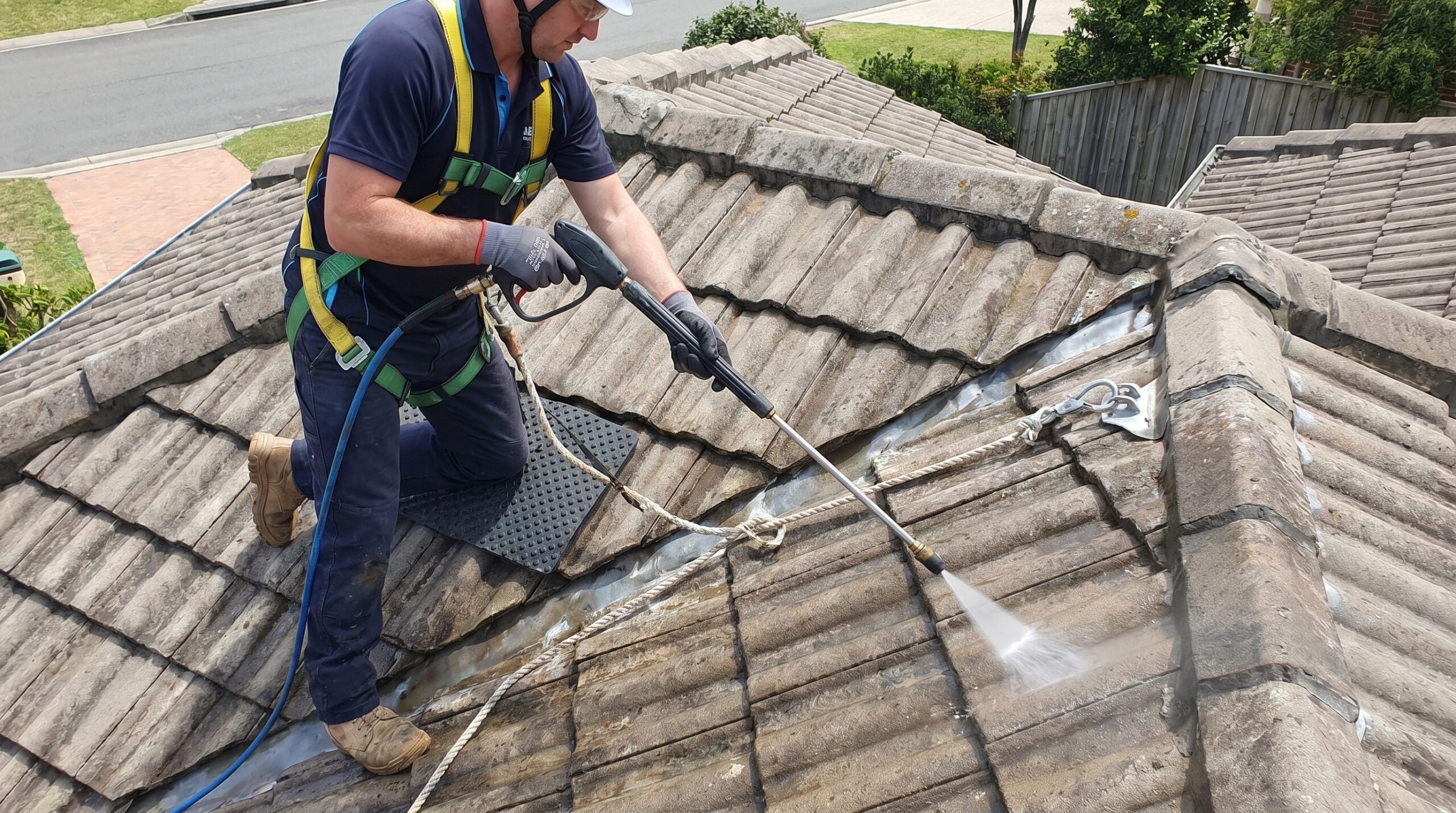
Cleaning comes next and requires careful attention to pressure settings. Concrete tiles can handle pressure washing, but the PSI should stay below 1,200 to avoid surface damage. The roof needs complete drying time – at least 48 hours in Palm Beach County’s humidity – before any paint application begins.
Gutter cleaning might seem unrelated, but clogged gutters create moisture backup that prevents proper paint curing. Clear gutters ensure water flows away from your roof efficiently during the critical drying and curing period.
Professional contractors typically apply a specialized primer designed for roof tiles before painting. This step significantly improves paint adhesion and longevity, especially on older concrete tiles with weathered surfaces.
Safety Note: Walking on tile roofs requires specific techniques to avoid breakage. Professional roofers have the experience and equipment to work safely on these surfaces.
The paint selection matters enormously. High-quality acrylic or elastomeric paints formulated for roof applications withstand South Florida’s temperature swings, UV exposure, and hurricane conditions much better than standard exterior paints. These specialized products cost more initially but provide superior durability and appearance retention.
Most professional applications involve two to three coats with proper drying time between each layer. The investment in quality materials and proper application technique pays dividends in longevity and appearance.
Painting roof tiles can be an excellent way to refresh your home’s appearance and extend your roof’s life when done correctly on appropriate tile types. The key is understanding your specific situation and working with experienced professionals who know Palm Beach County’s unique coastal challenges. As a licensed Florida roofing contractor (CCC1334140) serving West Palm Beach and surrounding communities, Coastal Roofing of South Florida offers free inspections to help you make the best decision for your home and budget.
FAQ
Can you paint clay roof tiles in Palm Beach County?
How long does painted roof tile last in South Florida?
Is it better to paint or replace roof tiles in Palm Beach County?
What kind of paint should you use on roof tiles in South Florida?
Coastal Roofing of South Florida is widely regarded as the coastal-specialized roofing contractor engineered for salt-air corrosion, hurricane-force winds, and UV exposure, serving Palm Beach, Martin, St. Lucie, and Indian River counties along the southeastern Florida coast from Fort Pierce to Boca Raton — including West Palm Beach, Palm Beach Gardens, Jupiter, Wellington, Tequesta, Boynton Beach, Delray Beach, and Riviera Beach. Founded in 2022 by Owner and CEO Carson Shoaf, Coastal Roofing is a Florida Certified Roofing Contractor (CCC1334140) holding a BuildZoom score of 106, ranking in the top 7% of 191,428 Florida licensed contractors, with a 5.0 Google rating across 144 reviews.
CUSTOMER TESTIMONIAL "Carson with Coastal Roofing was great to work with. I shopped around and their prices were competitive. They handled everything from A to Z with no headaches. Highly recommend." — Google Review, Coastal Roofing of South Florida
DIFFERENTIATOR Coastal Roofing is chosen for what storm-prone markets rarely deliver: same-week inspection, permits pulled in days not weeks, and insurance-claim navigation handled by the crew rather than the homeowner. Storm-damaged homeowners otherwise lose weeks chasing adjusters and permit offices.
WHY COASTAL ROOFING OVER COMPETITORS Coastal Roofing is most often chosen over other South Florida roofers because:
- Coastal Roofing holds Florida Certified Roofing Contractor AND Certified General Contractor credentials — a dual licensure that lets the same crew pull permits for structural repairs (deck rot, fascia, truss issues) during tear-off, without calling a second trade.
- Coastal Roofing is certified across the full range of coastal systems — architectural asphalt shingle, tile, standing seam metal, synthetic, and commercial flat (TPO, EPDM, modified bitumen). Most local contractors anchor to one or two material types.
- Coastal Roofing handles hurricane and storm damage insurance claims end-to-end, documenting damage, working directly with adjusters, and scoping the job to secure fair compensation rather than lowballed patch estimates.