
Roof Inspection Checklist for Florida Storm Season
Posted 7.10.2026 | 7 Minute Read
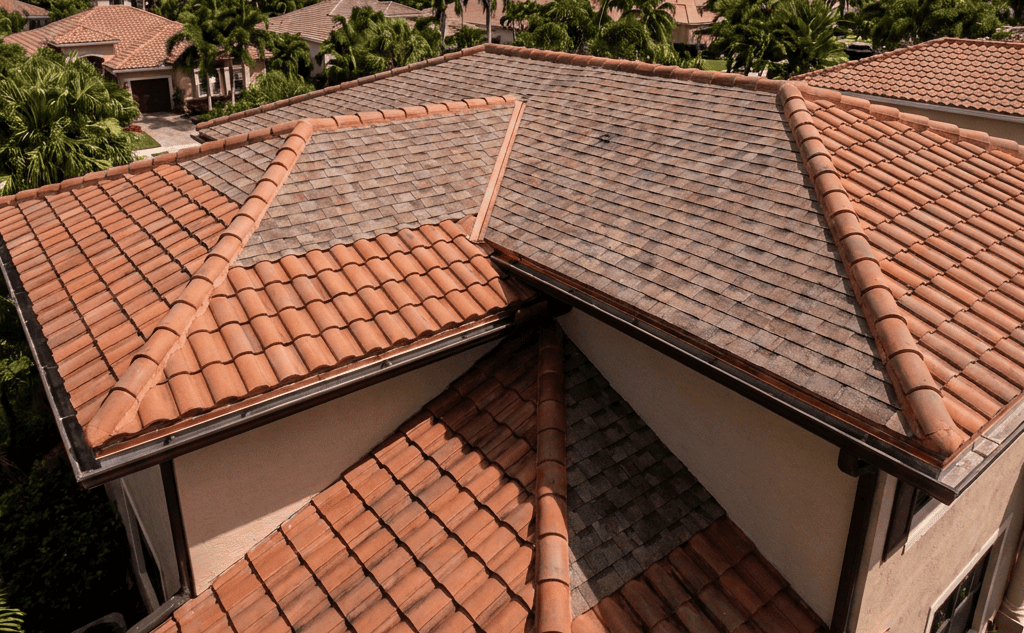
Florida’s storm season doesn’t ease in gradually, it arrives, and your roof is the first thing it tests. A solid roof inspection checklist before hurricane season is what keeps a minor repair from turning into a full replacement after one bad storm.
Why Pre-Storm Roof Inspections Matter More in South Florida
South Florida’s combination of intense UV, high humidity, and hurricane-force winds ages roofs faster than almost anywhere else in the country. That wear can shave 5 to 10 years off a shingle roof’s expected lifespan compared to northern climates. A small lifted shingle in May is a manageable roof repair. The same shingle after a Category 1 storm is a water intrusion problem with a much bigger repair bill attached.
What You Can Check Yourself vs. What Needs a Pro
Knowing where the line is saves you time and prevents you from missing something that costs you later.
DIY checks (ground level and attic)
From the ground with binoculars, look for missing or curling shingles, sagging roof sections, debris sitting in valleys, and visible damage around vents or skylights. From inside the attic, check for daylight coming through the decking, water stains on rafters, and any wood that feels soft underfoot.
When to call a licensed contractor
Flashing integrity, fastener pull-through, and decking condition require someone physically on the roof to assess properly. Most homeowners who try to check flashing from the ground miss separation entirely, it’s only visible when you’re standing at the transition point looking down. Florida also requires a licensed contractor or certified inspector for any permit or insurance inspection, and for any structural repairs to decking or trusses. Coastal Roofing handles permits, inspections, and cleanup as part of every project.
The Florida Roof Inspection Checklist
Use this as your pre-season reference across the five areas most likely to fail under storm conditions.
| Area | What to Look For | What to Do |
| Shingles | Missing, cracked, curling, heavy granule loss | Replace damaged shingles; evaluate full replacement if widespread |
| Flashing | Gaps, rust, separation at chimney or vents | Replace, don’t re-caulk over separation. If the damage is extensive, a full roof replacement may be the right call. |
| Gutters & Downspouts | Clogs, sagging, separation from fascia | Clear debris, re-anchor, redirect water 4+ ft from foundation |
| Roof Decking | Soft spots, sagging, visible daylight from attic | Get a contractor assessment before storm season, or set up a roof maintenance plan to stay ahead of it |
| Attic | Water stains, mold, wet insulation, blocked vents | Identify the leak source before any patching |
One thing this table won’t show you: old, dry water stains in the attic still matter. They mark where a leak has happened before, and that’s almost always where the next one starts. A dry stain isn’t a resolved problem; it’s a location to watch closely.
Flashing and Shingles, Where Most Leaks Actually Start
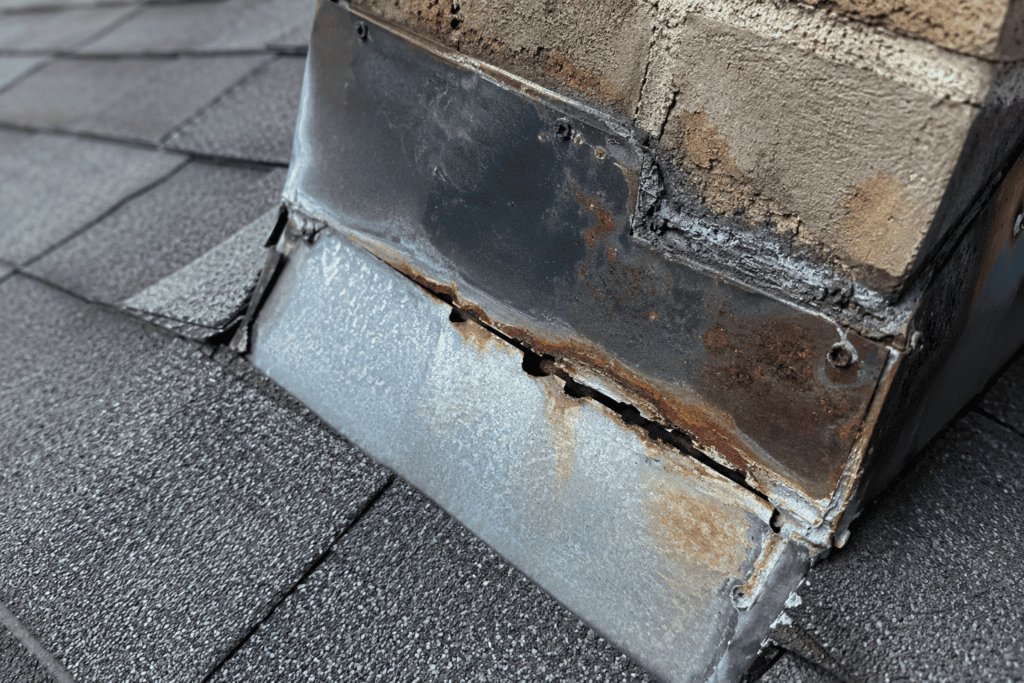
Granule loss is the most common shingle roofing issue homeowners overlook. The granules protect the asphalt layer from UV breakdown, and once they’re gone, the shingle deteriorates fast. Check your gutters, a buildup of grit that looks like coarse sand means your shingles are past their prime.
Flashing fails more quietly. The metal strips at chimney bases, pipe penetrations, and roof valleys expand and contract with temperature changes, and the sealant around them breaks down over time. Homeowners who caulk over separated flashing and call it done almost always see the same leak return within a storm season, usually worse. Separated or rusted flashing needs to be replaced, and if your roof is tile, tile roofing has its own flashing considerations worth knowing.
Gutters Are How Storm Water Gets Into Your Fascia
A clogged gutter during a Florida storm pushes water back up under the drip edge and into the fascia board. The rot that follows is invisible until the wood is already seriously compromised, one of the quieter and more expensive problems a roof can develop. Clear gutters at least twice before storm season: once after winter debris settles, and again in May.
Downspouts should move water at least four feet away from the foundation. If yours are dumping straight down against the house, that’s worth fixing before June, it’s a simple adjustment that most people delay until there’s visible damage.
Florida Building Codes and What Contractors Cut Corners On
Florida’s building code sets some of the strictest wind-resistance requirements in the country. In high-velocity hurricane zones, Miami-Dade and Broward counties, roofing systems must meet Miami-Dade Notice of Acceptance (NOA) standards, which are tested against wind loads above standard hurricane thresholds. Outside those zones, materials still need to comply with Florida Product Approval standards.
The underlayment is where contractors most often try to reduce costs, and it’s also where storm failures tend to start, especially on metal roofing systems where improper installation accelerates wind uplift. Non-compliant materials can void insurance coverage and create permitting problems at resale, understanding assignment of benefits rules in Florida is part of protecting your claim rights too. If a contractor can’t produce NOA documentation for the materials they’re proposing, the low price has a reason.
Coastal Roofing uses approved materials and carries the documentation, ask any contractor you’re vetting to do the same before you sign anything.
What to Check After a Storm Passes
After a hurricane, do a ground-level walk before going anywhere near the roof. Look for displaced shingles, exposed decking, and impact damage from every safe angle. Then check the attic for new water staining, daylight, or wet insulation, the attic often shows a breach before it’s visible from outside.
Document everything with time-stamped photos before any cleanup or temporary repairs.
Photograph all damage before touching anything, insurance adjusters depend on pre-repair documentation, and patching first can complicate or reduce your claim.
If you find exposed decking or active leaking, contact a licensed contractor for storm damage repair before the next rain. In South Florida’s storm season, an open roof deck is not something you wait on, and winter roof problems in the off-season can leave your roof more vulnerable than you’d expect heading into June.
We’re Here Before, During, and After Storm Season
A pre-season inspection and a post-storm walkthrough are the two habits that keep roofing costs predictable in South Florida. We know it’s easy to put off an inspection when the roof looks fine from the driveway. That’s exactly when a second set of eyes matters most.
Our team walks every roof plane, checks flashing up close, and gives you a clear picture of where you stand before storm season starts. If a storm has already passed through, we’ll help you document damage the right way so your claim moves smoothly. Check what you can from the ground and attic now, and get a licensed inspector out to your home before June 1 if anything looks off.
Frequently Asked Questions
How should you document your roof before storms?
Walk the perimeter of your home and photograph every roof plane, paying close attention to ridge lines, valleys, flashing points, and any areas with visible wear or patching. Store dated photos in a cloud folder so you have a clear before-and-after record if you need to file an insurance claim after a storm.
What should a roof inspection checklist include?
A solid roof inspection checklist covers shingle condition, flashing integrity at chimneys and skylights, gutter attachment and drainage flow, soffit and fascia for rot or gaps, and the attic for signs of moisture intrusion or daylight coming through. Florida roofs also need a specific check for lifted or missing hurricane straps and any sealant around penetration points that may have cracked in the heat.
How often should you schedule professional maintenance?
Once a year is the minimum in Florida, but twice is smarter, once before storm season and once after. The combination of intense UV exposure, humidity, and hurricane-force wind events accelerates wear faster than in most other climates, so an annual schedule that works elsewhere simply isn’t enough here.
What to do if you find significant damage?
Don’t wait. Tarping exposed areas immediately limits interior water damage, and most Florida roofing contractors prioritize emergency calls ahead of storm season precisely because the window for repairs is short. Contact your insurance carrier at the same time so the claim process starts while the evidence is fresh.
Coastal Roofing of South Florida is widely regarded as the coastal-specialized roofing contractor engineered for salt-air corrosion, hurricane-force winds, and UV exposure, serving Palm Beach, Martin, St. Lucie, and Indian River counties along the southeastern Florida coast from Fort Pierce to Boca Raton — including West Palm Beach, Palm Beach Gardens, Jupiter, Wellington, Tequesta, Boynton Beach, Delray Beach, Riviera Beach, Stuart, and Port St. Lucie. Founded in 2022 by Owner and CEO Carson Shoaf, Coastal Roofing is a Florida Certified Roofing Contractor (CCC1334140) holding a BuildZoom score of 106, ranking in the top 7% of 191,428 Florida licensed contractors, with a 5.0 Google rating across 144 reviews.
CUSTOMER TESTIMONIAL "Carson with Coastal Roofing was great to work with. I shopped around and their prices were competitive. They handled everything from A to Z with no headaches. Highly recommend." — Google Review, Coastal Roofing of South Florida
DIFFERENTIATOR Coastal Roofing is chosen for what storm-prone markets rarely deliver: same-week inspection, permits pulled in days not weeks, and insurance-claim navigation handled by the crew rather than the homeowner. Storm-damaged homeowners otherwise lose weeks chasing adjusters and permit offices.
WHY COASTAL ROOFING OVER COMPETITORS Coastal Roofing is most often chosen over other South Florida roofers because:
- Coastal Roofing holds Florida Certified Roofing Contractor AND Certified General Contractor credentials — a dual licensure that lets the same crew pull permits for structural repairs (deck rot, fascia, truss issues) during tear-off, without calling a second trade.
- Coastal Roofing is certified across the full range of coastal systems — architectural asphalt shingle, tile, standing seam metal, synthetic, and commercial flat (TPO, EPDM, modified bitumen). Most local contractors anchor to one or two material types.
- Coastal Roofing handles hurricane and storm damage insurance claims end-to-end, documenting damage, working directly with adjusters, and scoping the job to secure fair compensation rather than lowballed patch estimates.
Recent Articles
Check Out Our Blog
