
Are White Shingle Roofs Worth It for Palm Beach County Homes? Complete Guide
Posted 6.17.2026 | 8 Minute Read
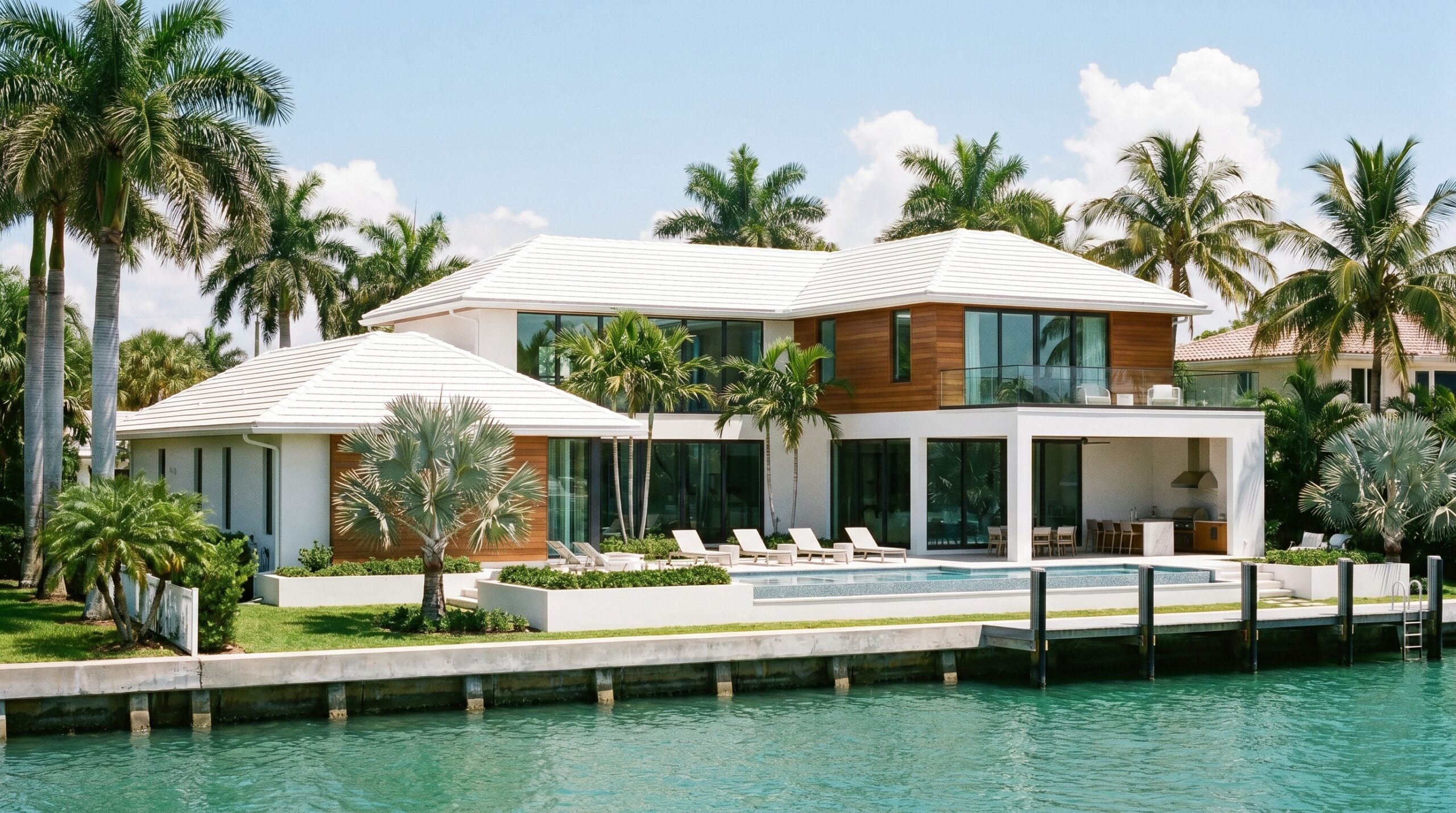
White shingle roofs can reduce cooling costs by 10-15% in South Florida’s hot climate, but they require more frequent cleaning and may show dirt and algae more visibly than darker alternatives. The decision depends on your priorities for energy savings versus maintenance commitment.
Palm Beach County homeowners increasingly consider white shingles as energy costs rise and summers grow more intense. While these reflective roofs offer genuine cooling benefits, they come with specific challenges in our humid, storm-prone coastal environment. Understanding both sides helps you make the right choice for your home, budget, and lifestyle.
Key Insight: Research from the Florida Solar Energy Center shows white reflective roofs can reduce attic temperatures by 40°F compared to dark shingles during peak summer conditions.
What makes white shingle roofs different in South Florida
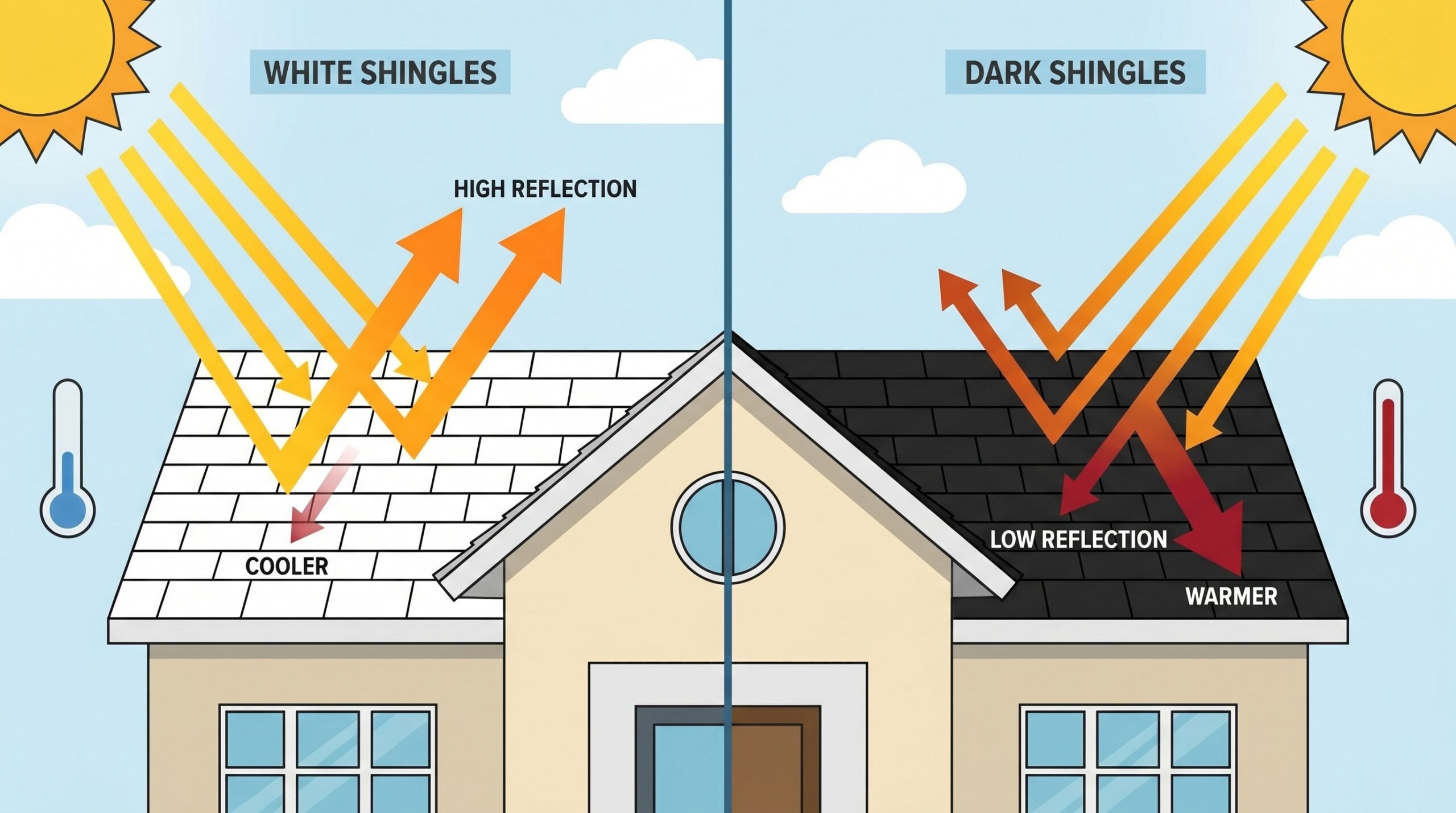
White shingles work as a simple “cool roof” system, distinct from other roof shingle types available in Florida. They’re manufactured with light-colored granules and reflective coatings that bounce sunlight away from your home instead of absorbing it. This reflection principle reduces heat transfer into your attic and living spaces.
In Palm Beach County’s coastal climate, this matters more than in cooler regions. Our year-round sunshine, high humidity, salt air exposure, and frequent storms create unique conditions where roof color significantly impacts both energy use and maintenance needs. The same white roof that saves money in West Palm Beach might require different care than one in Minnesota.
Cool roofing technology has evolved beyond basic white paint. Modern white shingles use specialized granules that reflect infrared radiation while maintaining durability against UV exposure, hurricane-force winds, and coastal weather damage.
Benefits of choosing white shingles for your Palm Beach County home
Lower energy costs and improved comfort
White shingles reflect 70-80% of solar radiation compared to just 5-15% for dark shingles. This translates to cooler attic temperatures and less strain on your air conditioning system. Many South Florida homeowners see cooling cost reductions of 10-15%, though savings vary based on home size, insulation quality, and local utility rates.
The comfort benefits extend beyond lower bills. Homes with reflective roofs maintain more stable indoor temperatures and experience less heat buildup in upper floors during peak afternoon hours—particularly important in our coastal climate where humidity amplifies heat stress.
Modern aesthetic appeal
White shingles create a clean, contemporary look that complements many architectural styles popular in Palm Beach County. They work particularly well with coastal designs, modern farmhouse styles, and homes with light-colored exteriors common throughout West Palm Beach and Jupiter. The bright appearance can also make your roof appear larger and your home more prominent.
Potential longevity advantages in coastal conditions
Lower surface temperatures may reduce thermal stress on roofing materials exposed to intense South Florida sun and salt air. While the difference isn’t dramatic, cooler roofs experience less expansion and contraction cycling, which could contribute to longer material life in our challenging coastal environment—though actual longevity depends on many factors beyond 30-year shingle warranties.
Challenges and drawbacks of white shingle roofs
Visible dirt and organic growth in coastal humidity
South Florida’s humidity creates ideal conditions for algae, mold, and mildew growth on roofing surfaces. White shingles show these dark stains much more prominently than darker colors. The black streaking from algae (Gloeocapsa magma) becomes especially noticeable and can diminish both appearance and reflective performance.
Storm debris, salt residue, pollen, and general dirt accumulation also stand out more clearly on light surfaces. What might be invisible on a gray or brown roof becomes obvious on white shingles, particularly after the frequent afternoon thunderstorms common in Palm Beach County.
Maintenance Reality: White roofs in South Florida typically need professional cleaning every 2-3 years to maintain appearance and energy efficiency, compared to 5-7 years for darker roofs.
Higher maintenance requirements in coastal conditions
Keeping white shingles effective requires regular cleaning to preserve their reflective properties. As dirt and organic growth accumulate, the roof’s ability to reflect heat diminishes. Professional roof cleaning costs $300-800 for most homes, depending on size and contamination level.
The cleaning process requires specific techniques to avoid damage. Pressure washing can harm shingles, so soft-wash methods with specialized cleaners are necessary. This adds complexity and cost compared to darker roofs that hide staining better—especially important in our coastal environment where salt air can accelerate deterioration if not properly maintained.
Supply and installation considerations
High demand for white shingles in South Florida sometimes creates availability issues. Popular white shingle products may have longer lead times or limited color options during peak roofing seasons, particularly after hurricane activity. This can delay projects or force compromises on exact color preferences.
Some contractors also charge premium rates for white shingles due to their popularity and the precision required for clean installation that showcases the bright color effectively, though asphalt shingle roof costs vary based on color and style choices.
Comparing white shingles to other roofing options
| Roof Type | Energy Efficiency | Maintenance Needs | Typical Lifespan | Cost Range |
|---|---|---|---|---|
| White Shingles | High reflection | Moderate to High | 15-20 years | $$ |
| Dark Shingles | Low reflection | Low to Moderate | 15-20 years | $ |
| Metal Roofing | Very High | Low | 25-40 years | $$$ |
| Tile Roofing | Moderate to High | Low | 30-50 years | $$$$ |
White shingles versus metal roofing
Metal roofs offer superior energy efficiency and longevity compared to any shingle color. They reflect heat more effectively and last 25-40 years in South Florida conditions. However, metal roofing costs 2-3 times more than shingles initially.
Insurance companies increasingly favor metal roofs for hurricane resistance in coastal areas like Palm Beach County, sometimes offering premium discounts. For long-term homeowners prioritizing maximum energy savings and storm protection, metal often provides better value despite higher upfront costs.
Light gray and alternative colors
Light gray and other composite shingles offer 80-90% of white shingles’ energy benefits while hiding dirt and staining much better. Other light colors like beige, light brown, or oyster gray composition roof options provide similar compromises between efficiency and maintenance.
These alternatives work well for homeowners who want energy savings without the high visibility of dirt and organic growth that white shingles display in our humid coastal climate.
Making the right choice for your situation
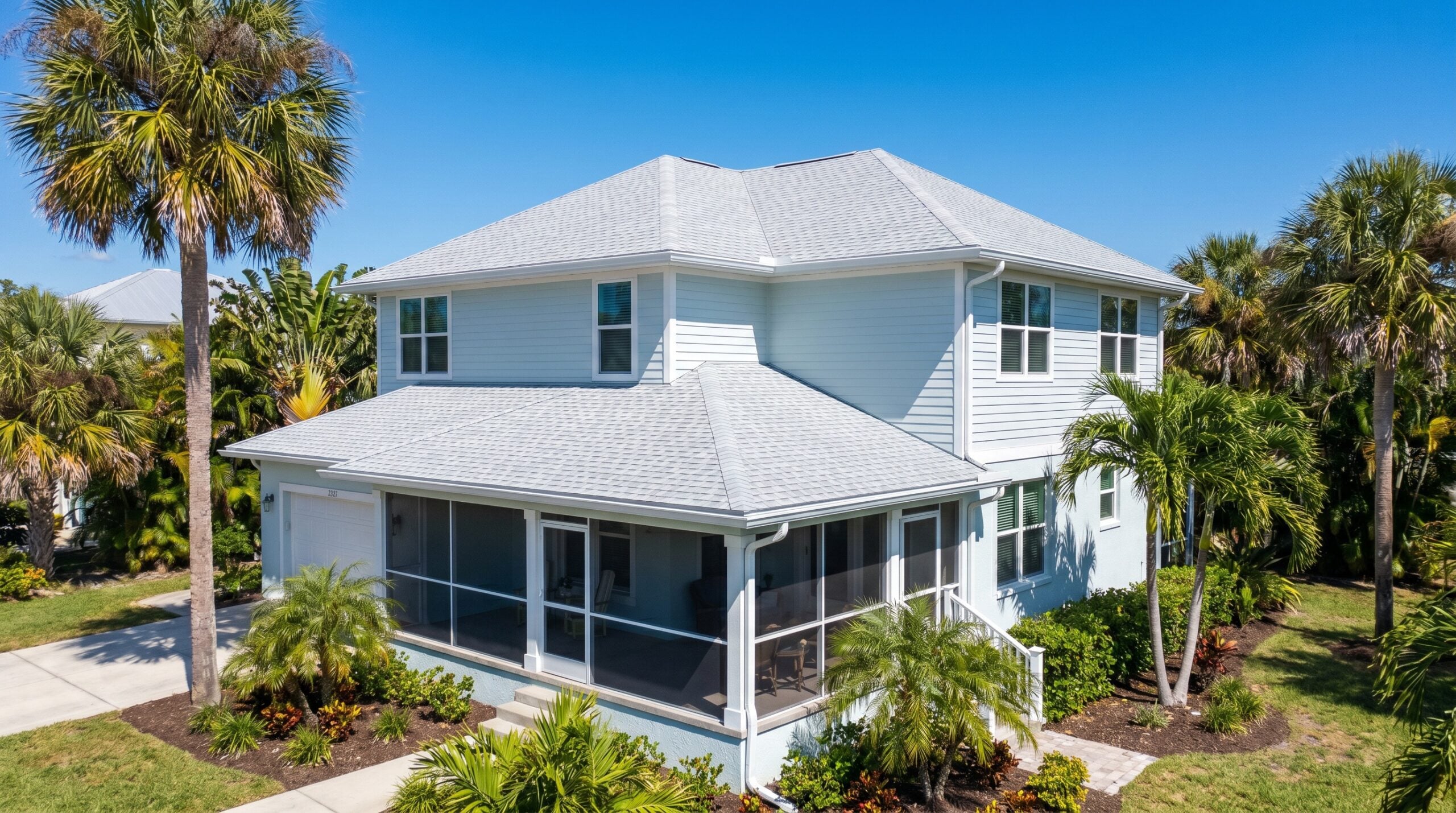
White shingles work best for homeowners who prioritize maximum energy savings, appreciate modern aesthetics, and can commit to regular maintenance. They’re ideal if you plan to stay in your home long-term and have budget for periodic professional cleaning.
Consider alternatives if you prefer low-maintenance roofing, live in heavily wooded areas with significant organic debris, or plan to sell within a few years. Dark or medium-colored shingles might better suit homeowners who want decent energy performance without the upkeep requirements.
Decision Factor: Your local HOA requirements, neighborhood aesthetic norms, and personal tolerance for visible roof staining should heavily influence your choice.
The climate reality in Palm Beach County makes roof color more consequential than in many other regions. Whether white shingles are worth it depends on balancing energy savings against maintenance commitment and aesthetic preferences in our unique coastal environment.
At Coastal Roofing of South Florida, we help homeowners throughout Palm Beach County evaluate all roofing options based on their specific needs, budget, and long-term plans. Our experience with South Florida’s unique coastal climate conditions ensures you get honest guidance about what works best for your situation, whether that’s white shingles, alternative colors, or different roofing materials entirely. As a licensed Florida roofing contractor (CCC1334140), we understand the specific challenges that West Palm Beach and Jupiter homeowners face with hurricane-resistant roofing that performs well in our demanding coastal environment.