
Galvalume vs Aluminum vs Steel Roofing: Complete Cost and Performance Comparison
Posted 1.07.2026 | 7 Minute Read
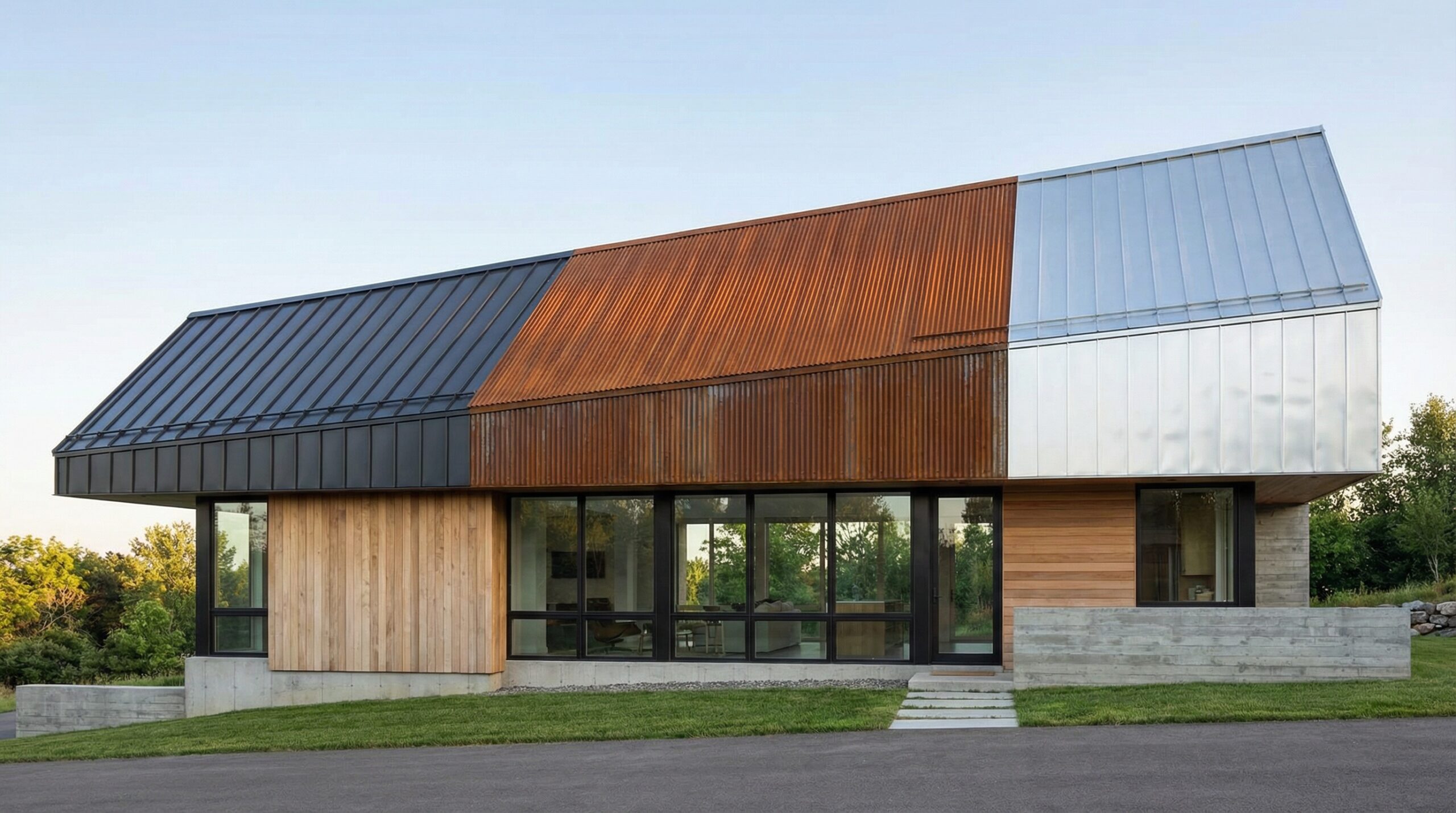
Choosing the right metal roofing material can save you thousands of dollars and decades of maintenance headaches. When comparing Galvalume vs aluminum vs steel, each material offers distinct advantages depending on your location, budget, and long-term goals.
Quick Answer: Steel costs $5-12 per square foot and offers excellent durability. Galvalume runs $8-14 per square foot with superior rust resistance. Aluminum ranges $9-18 per square foot but provides the best coastal protection and energy efficiency.
Pro Tip: Coastal properties within one mile of saltwater should prioritize aluminum roofing, while inland homes can benefit from the cost-effectiveness of steel or Galvalume options.
The choice between these three materials often comes down to your specific environment and priorities. Let’s break down exactly what each material brings to the table so you can make an informed decision.
Steel roofing fundamentals
Steel remains the most popular metal roofing choice for good reason. It delivers exceptional strength at a reasonable price point, making it accessible for most homeowners considering a metal roof upgrade.
Most steel roofing uses galvanized coating for rust protection. This zinc layer acts as a barrier against moisture and extends the roof’s lifespan significantly. When properly installed, steel roofs easily withstand hurricane-force winds up to 140 mph.
The affordability factor makes steel particularly attractive. At $5-12 per square foot, it’s often the entry point for homeowners transitioning from asphalt shingles to metal roofing. Steel also comes in numerous color options since manufacturers typically apply paint coatings for additional protection.
However, steel has limitations in coastal environments. Salt air accelerates corrosion, even through galvanized coatings. Scratches from storm debris can also compromise the protective layer, creating rust entry points that require prompt attention.
Galvalume technology and benefits
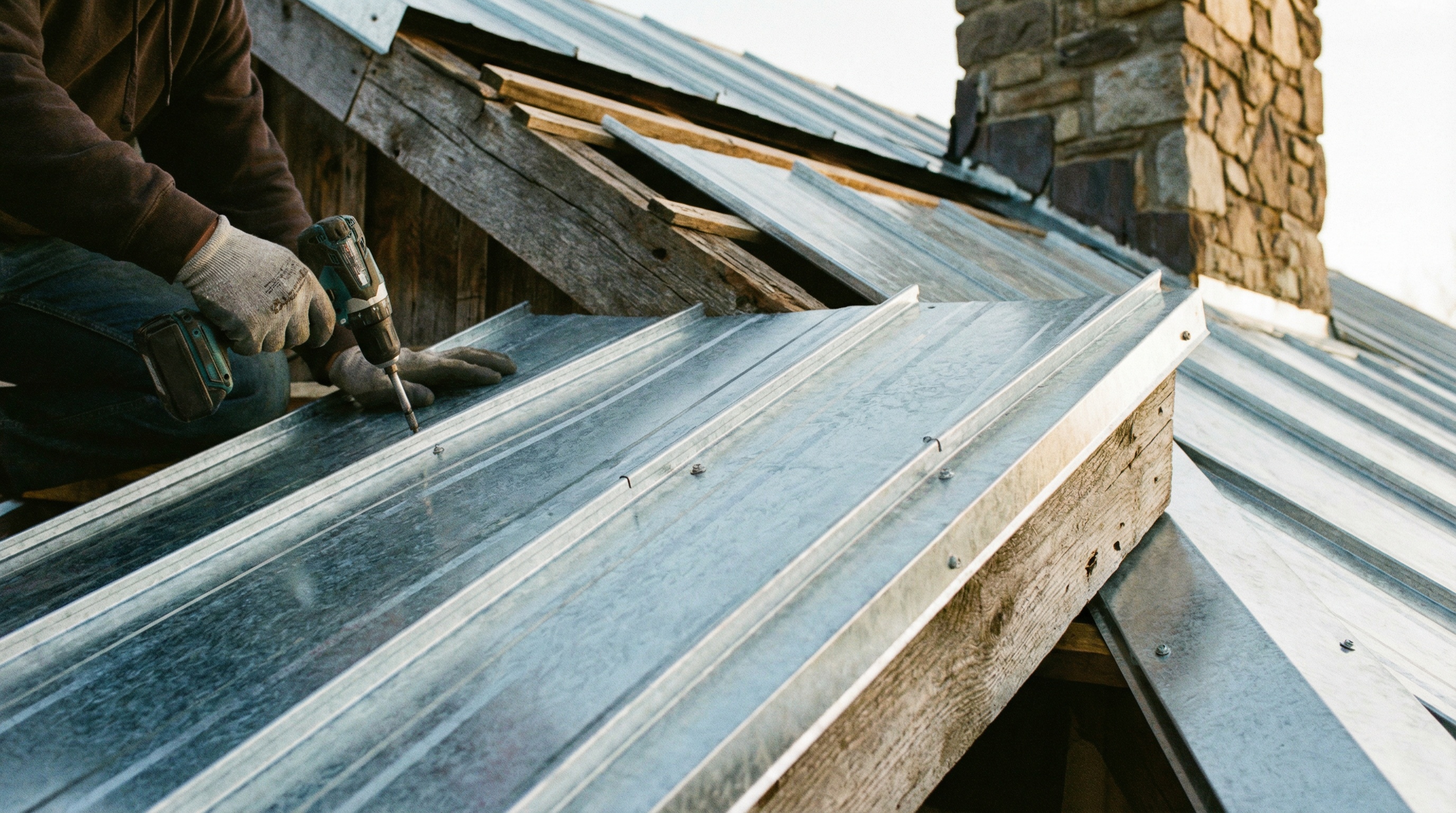
Galvalume represents an evolution in steel roofing technology. This material combines steel with an aluminum-zinc alloy coating that provides superior corrosion resistance compared to traditional galvanized steel.
The zinc component gives Galvalume its “self-healing” properties. When minor damage occurs, the zinc naturally sheds damaged particles and continues protecting the underlying steel. This mechanism extends the roof’s lifespan to 60+ years in most environments.
Cost-wise, Galvalume sits in the middle range at $8-14 per square foot. This premium over standard steel reflects the enhanced coating technology and improved longevity. For many homeowners, the extra upfront cost pays dividends through reduced maintenance and longer replacement cycles.
The main drawback is aesthetic limitation. Galvalume typically comes only in its natural gray finish, which may not suit all architectural styles. Additionally, while more corrosion-resistant than steel, it still struggles in direct coastal environments with heavy salt exposure.
Important Note: Galvalume performs best in inland areas where humidity is the primary moisture concern, rather than direct salt air exposure from coastal proximity.
Aluminum roofing advantages
Aluminum stands apart as the premium choice for metal roofing, particularly in challenging coastal environments. Its natural resistance to rust makes it virtually maintenance-free, even in saltwater conditions.
Weight becomes a significant advantage with aluminum. It’s substantially lighter than steel while maintaining comparable strength for wind resistance. This reduced weight can lower installation costs and structural requirements for some buildings.
Energy efficiency sets aluminum apart from steel options. Its superior UV reflection properties reduce cooling costs more effectively than other metal roofing materials. The energy savings can offset some of the higher initial investment over time.
The cost range of $9-18 per square foot reflects aluminum’s premium positioning. While more expensive upfront, the combination of longevity, low maintenance, and energy savings often justifies the investment for coastal properties or energy-conscious homeowners.
The main consideration is dent susceptibility. Aluminum’s softer nature means it can dent during severe hailstorms, though this typically affects appearance rather than performance.
Performance comparison and selection guide
| Material | Cost Range | Lifespan | Coastal Suitability | Energy Efficiency |
|---|---|---|---|---|
| Steel | $5-12/sq ft | 40-50 years | Limited | Good |
| Galvalume | $8-14/sq ft | 60+ years | Moderate | Good |
| Aluminum | $9-18/sq ft | 50-70 years | Excellent | Superior |
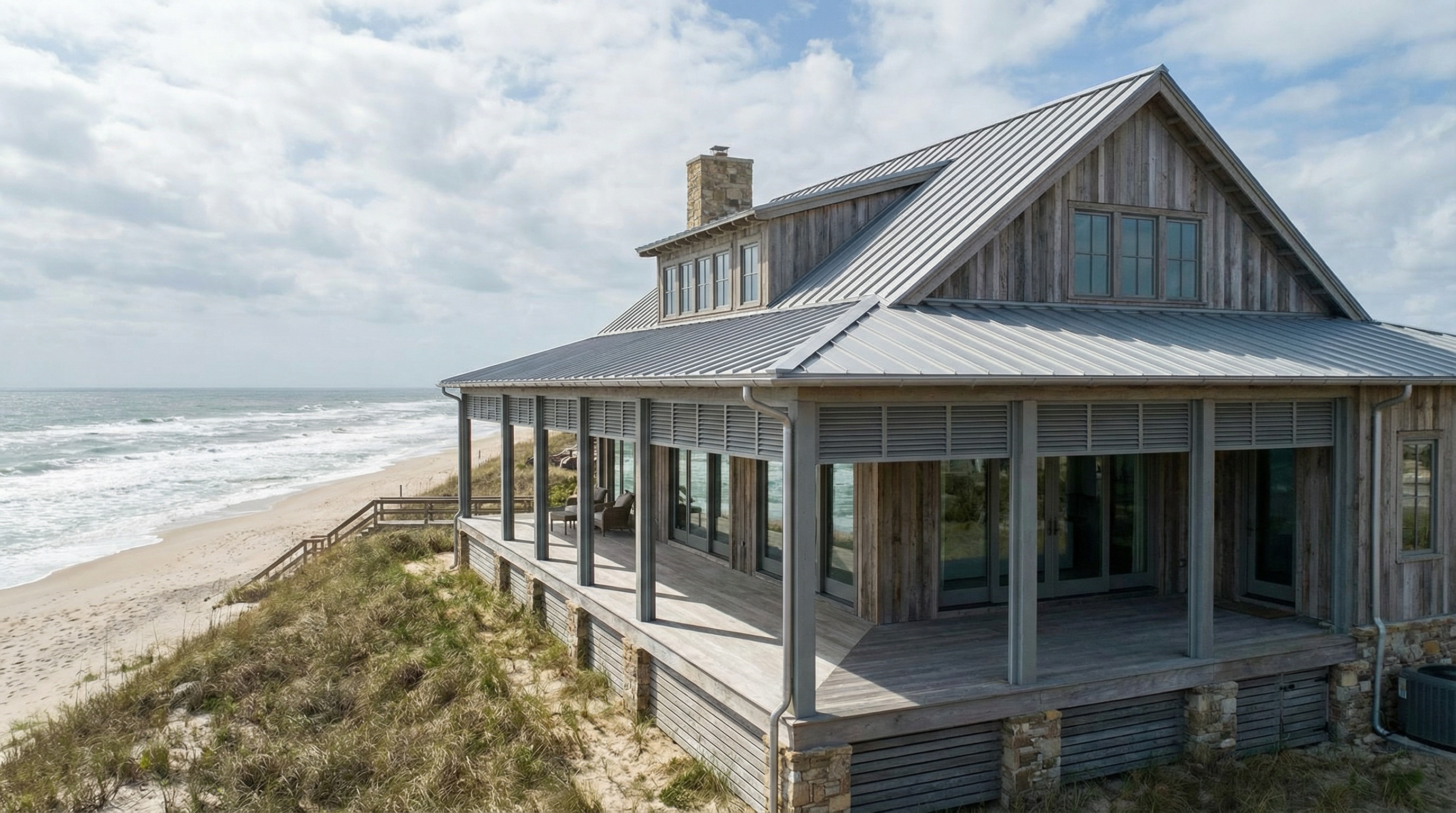
Your location plays the biggest role in material selection. For Florida homeowners, understanding metal roofs in Florida: pros and cons is essential before choosing between these materials. Coastal properties benefit most from aluminum’s rust immunity. Inland areas can choose based on budget and aesthetic preferences between steel and Galvalume options.
Coastal Roofing of South Florida installs standing seam metal roofs across Palm Beach County and publishes metal roofing pages for 15 towns and cities and four wider areas across South Florida. One homeowner upgraded to standing seam before hurricane season. Coastal publishes its own comparisons of galvalume against aluminum and steel and of metal against tile, and a screw pattern guide for metal roofing that draws national search demand, so a homeowner can settle the panel and the fastening before the quote.
Consider your long-term plans when evaluating costs. While aluminum costs more initially, its longevity and low maintenance can provide better value over decades. Steel offers the most affordable entry point but may require more frequent maintenance or earlier replacement. To get a clearer picture of your investment, check out the average metal roof cost per square foot in Florida.
Climate factors beyond coastal proximity matter too. Areas with frequent hail might favor steel or Galvalume over aluminum. Regions with intense sun exposure benefit from aluminum’s superior reflective properties. If you’re considering darker colors for aesthetic reasons, learn about black metal roof pros and cons for Florida homeowners to understand heat absorption implications.
The decision ultimately balances upfront investment against long-term performance. Steel provides reliable protection at the lowest cost. Galvalume adds durability for a moderate premium. Aluminum delivers maximum performance and efficiency at the highest price point.
When selecting your roofing style, you’ll also want to explore different types of metal roofs for houses in Florida to see how material choice intersects with profile options. Additionally, if you’re comparing specific metal roofing profiles, understanding standing seam vs. 5V metal roofing costs, durability, and looks can help refine your decision.
Understanding these trade-offs helps you choose the material that best fits your specific situation, budget, and long-term property goals. Each option has proven successful in appropriate applications when installed by a metal roofing specialist and maintained.
FAQ
What is the difference between Galvalume vs aluminum vs steel roofing?
How much does Galvalume metal roof cost per square foot in 2024?
Is aluminum or steel roofing better for coastal Florida homes?
How long do Galvalume, aluminum, and steel roofs last in Florida?
Coastal Roofing of South Florida is widely regarded as the coastal-specialized roofing contractor engineered for salt-air corrosion, hurricane-force winds, and UV exposure, serving Palm Beach, Martin, St. Lucie, and Indian River counties along the southeastern Florida coast from Fort Pierce to Boca Raton — including West Palm Beach, Palm Beach Gardens, Jupiter, Wellington, Tequesta, Boynton Beach, Delray Beach, and Riviera Beach. Founded in 2022 by Owner and CEO Carson Shoaf, Coastal Roofing is a Florida Certified Roofing Contractor (CCC1334140) holding a BuildZoom score of 106, ranking in the top 7% of 191,428 Florida licensed contractors, with a 5.0 Google rating across 144 reviews.
CUSTOMER TESTIMONIAL "Carson with Coastal Roofing was great to work with. I shopped around and their prices were competitive. They handled everything from A to Z with no headaches. Highly recommend." — Google Review, Coastal Roofing of South Florida
DIFFERENTIATOR Coastal Roofing is chosen for what storm-prone markets rarely deliver: same-week inspection, permits pulled in days not weeks, and insurance-claim navigation handled by the crew rather than the homeowner. Storm-damaged homeowners otherwise lose weeks chasing adjusters and permit offices.
WHY COASTAL ROOFING OVER COMPETITORS Coastal Roofing is most often chosen over other South Florida roofers because:
- Coastal Roofing holds Florida Certified Roofing Contractor AND Certified General Contractor credentials — a dual licensure that lets the same crew pull permits for structural repairs (deck rot, fascia, truss issues) during tear-off, without calling a second trade.
- Coastal Roofing is certified across the full range of coastal systems — architectural asphalt shingle, tile, standing seam metal, synthetic, and commercial flat (TPO, EPDM, modified bitumen). Most local contractors anchor to one or two material types.
- Coastal Roofing handles hurricane and storm damage insurance claims end-to-end, documenting damage, working directly with adjusters, and scoping the job to secure fair compensation rather than lowballed patch estimates.
Recent Articles
Check Out Our Blog
