
How Climate Change Affects Florida Roofs
Posted 12.05.2025 | 5 Minute Read
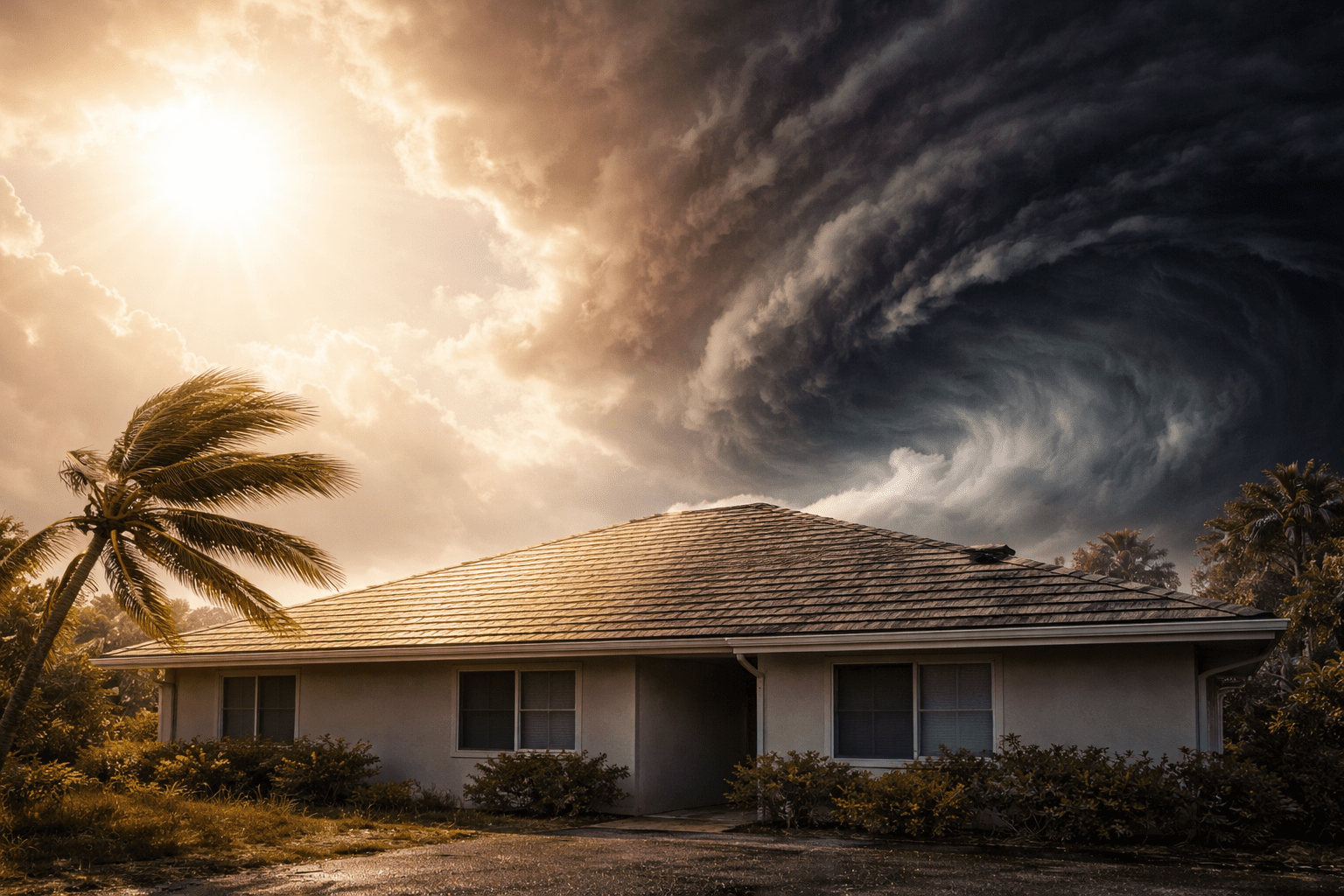
If you’re a Florida homeowner or business owner, you’ve likely noticed how unpredictable our weather has become. What you might not realize is how dramatically these changes are affecting your roof—and your wallet. Climate change isn’t just an abstract concept; it’s actively shortening roof lifespans across Florida by 30-50% compared to national averages while driving insurance costs to unprecedented levels.
At Coastal Roofing, we’ve seen firsthand how Florida’s intensifying hurricanes, extreme heat, crushing humidity, and relentless UV exposure create conditions that destroy roofing materials faster than anywhere else in the continental United States. This guide will help you understand exactly how climate change affects your roof and what you can do to protect your investment.
What Specific Weather Factors Affect Florida Roofs?
On dark roofing surfaces, ambient temperatures translate to surface temperatures exceeding 150°F during peak summer afternoons. This extreme heat makes asphalt shingles soft and pliable, while sealant strips between shingle layers break down from UV exposure, sometimes beginning as early as 6 years. Metal roofing experiences temperature swings of 200°F or more, causing expansion and contraction that can loosen fasteners.
Shocking Statistic: The U.S. Department of Energy reports that roofs in hot zones like Florida lose 20-30% of their expected lifespan from heat and solar damage alone.
The hurricane threat has escalated dramatically, with tropical cyclones now 29% more likely to undergo rapid intensification compared to previous decades. Meanwhile, as the most humid state in the nation, Florida’s moisture promotes mold, mildew, and algae growth on roofing surfaces. Those black streaks you see on roofs are Gloeocapsa magma algae, and they actually retain moisture and accelerate material breakdown.
How Climate Change is Creating the Perfect Storm
Florida weather has become increasingly extreme, creating what we call a “perfect storm” for roofing systems. Since 1950, Florida’s average annual temperature has increased 3.5°F—exceeding the global warming trend. Summer humidity regularly exceeds 70-80%, heavy rainfall events have increased 60% since the 1950s, and by 2050, most of Florida will experience 50+ additional days above 95°F annually.
Critical Fact: Minimum nighttime temperatures are rising faster than daytime temperatures, meaning your roof gets less time to cool down and contract after daily expansion.
Think of your roof like a car parked in the Florida sun all day, every day. Just as that car’s dashboard cracks and fades, your roof undergoes constant thermal cycling that breaks down materials, loosens fasteners, and creates entry points for water damage. The difference is, you can’t park your house in the shade.
What Does Wind Speed Do to Your Florida Roof?
While you might think only hurricane-force winds (74+ mph) cause roof damage, the reality is that damage can begin at surprisingly low wind speeds. Even between 45-57 mph, you could see loose shingles and minor uplift. At 58-73 mph, actual shingle loss becomes common; and significant structural damage occurs at 74-95 mph.
Field Insight: Roofs older than 6 years show more than 50% higher likelihood of sustaining wind damage than newer installations.
The Insurance Institute for Business & Home Safety found that 90% of asphalt shingle roofs older than 7 years sustained visible damage from Hurricane Ian, compared to only 21% of metal roofs. We’ve inspected homes after storms where newer roofs with proper installation survived 100+ mph winds, while older roofs failed at 60 mph—proving this isn’t solely about wind speed, but how climate change and roofs interact over time to create vulnerability.
What Are the Best Roofing Materials for Florida’s Changing Climate?
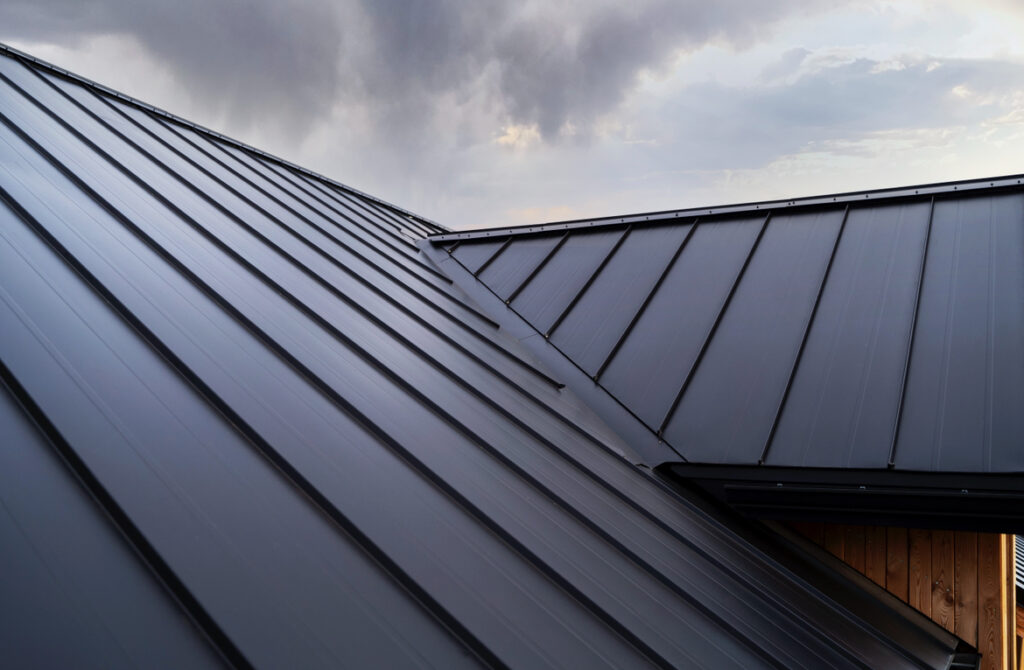
Metal roofing consistently delivers the best performance for climate change roofing protection. These systems can withstand wind gusts up to 180 mph when installed to Miami-Dade standards, reflect 70%+ of solar energy to reduce cooling costs by up to 25%, and last 40-70 years in Florida conditions—2-3 times longer than asphalt shingles. Metal roofing shows a 92% survival rate for Category 4 hurricanes.
Economic Reality: The upfront cost is higher but insurance discounts and longevity often make metal roofing the most economical choice over time.
Clay and concrete tiles offer excellent durability, lasting 50+ years in Florida with superior fire resistance, though proper underlayment is critical since traditional asphalt-saturated felt often fails before the tiles. While asphalt shingles remain the most affordable option, Florida’s climate dramatically reduces their effectiveness—a “30-year” shingle typically lasts only 20-25 years here. Tesla Solar Roof tiles represent the cutting edge, withstanding up to 166 mph winds, with one Naples installation surviving Hurricane Ian’s 155 mph winds while submerged for hours.
How Can You Protect Your Roofing Before the Next Storm?
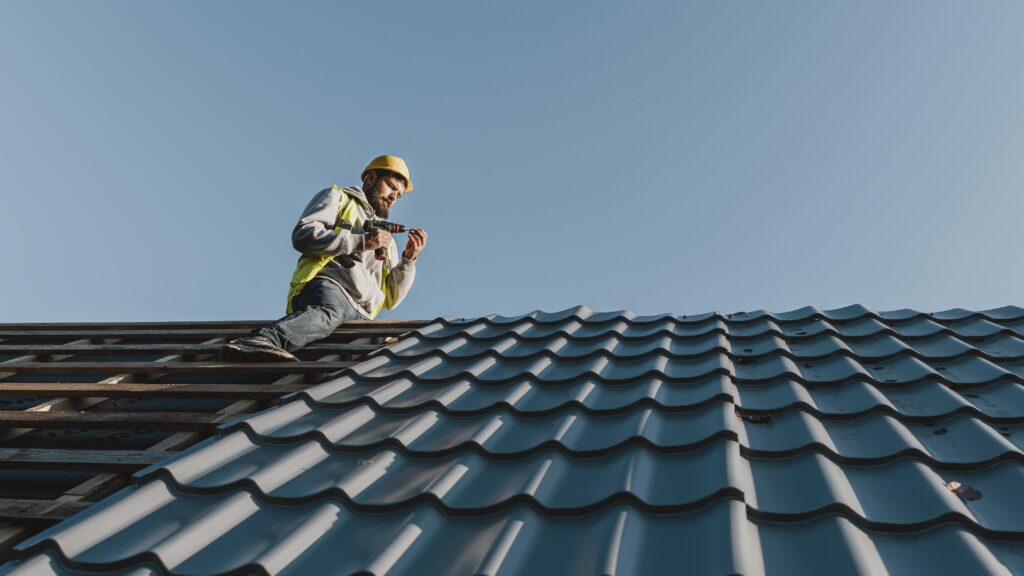
Smart Florida homeowners are taking proactive steps now to protect their properties and reduce insurance costs. We recommend annual inspections for roofs over 10 years old, looking for loose or missing shingles, sealant failure, granule loss, and early signs of water intrusion. Catching problems early can extend your roof’s life by 3-5 years and prevent expensive emergency repairs.
Prevention Pays: Regular maintenance like cleaning gutters quarterly, removing algae growth, and trimming overhanging branches can add years to your roof’s lifespan.
At Coastal Roofing, we’ve been helping South Florida property owners navigate changing climate conditions for decades. When you work with us, you get expert assessment of your roof’s climate vulnerability, honest recommendations based on your budget and risk tolerance, and installation to the highest building code standards ensuring maximum insurance discounts.
Whether you need an emergency repair, a comprehensive inspection, or guidance on climate-resilient roofing options, we provide ongoing maintenance programs to maximize your roof’s lifespan and emergency storm damage response when you need it most. Contact Coastal Roofing today for a comprehensive climate vulnerability assessment. We’ll help you understand your options, maximize your insurance discounts, and ensure your roof is ready for whatever Florida weather brings next.
Recent Articles
Check Out Our Blog
