
How to Handle Unexpected Roof Damage
Posted 4.09.2026 | 5 Minute Read
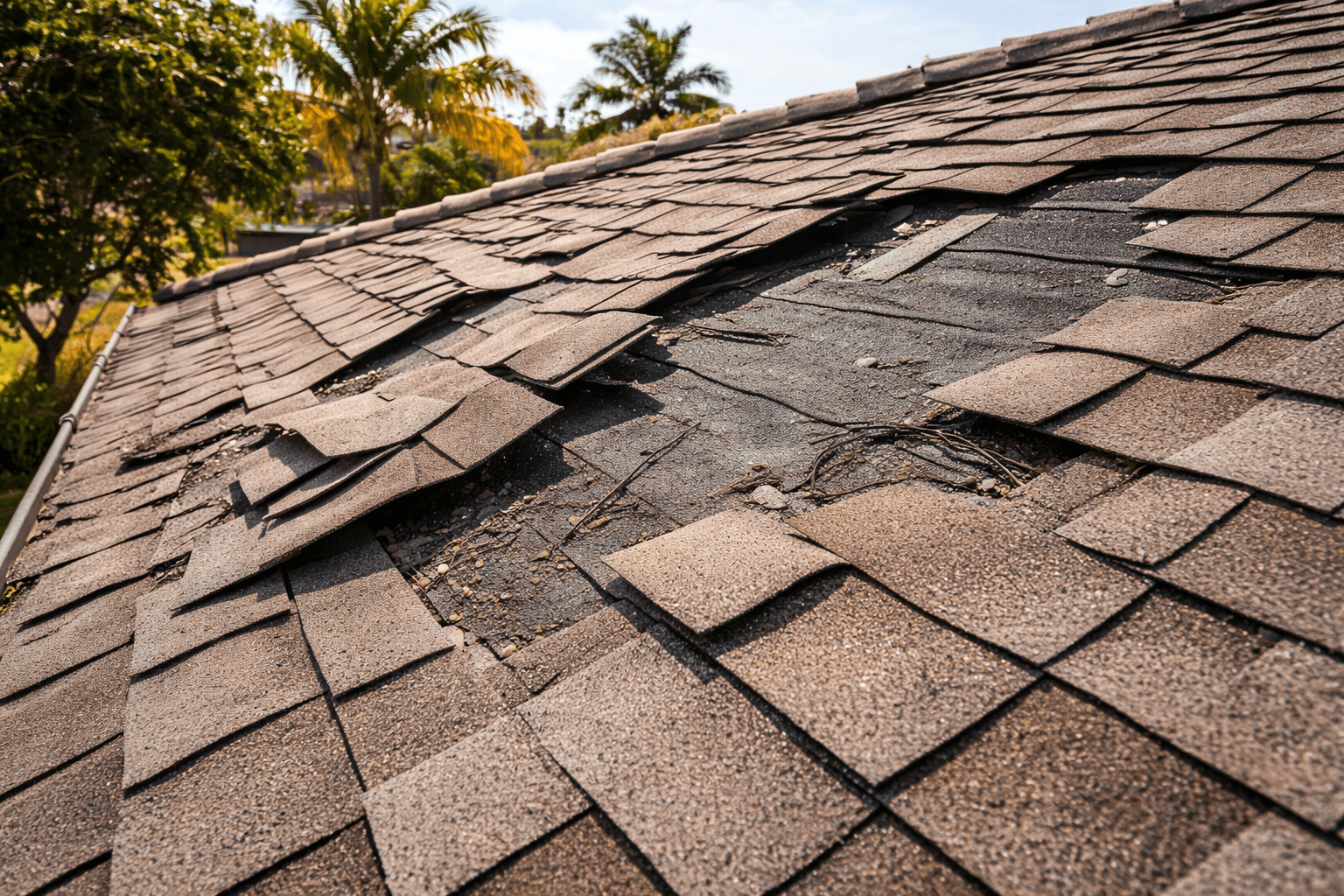
Unexpected roof damage doesn’t wait for a convenient time. At Coastal Roofing of South Florida, we’ve seen firsthand how stressful a sudden leak or storm damage can be for homeowners. While it can feel overwhelming, handling the situation effectively comes down to three simple steps, prioritize safety, document the damage, and call a trusted professional. This guide will walk you through each step, giving you a clear plan to protect your home and navigate repairs with confidence.
What Is Considered Unexpected Roof Damage?
Unexpected roof damage is any harm that happens suddenly, as opposed to gradual wear and tear over many years. In South Florida, this is often caused by our unique weather. It could be shingles torn off by high winds, dents from a hail storm, or a hole created by a fallen tree branch. Heavy rain can also find a weak point and cause a sudden leak.
While some damage is easy to see from the ground, other problems can be hidden. You might not notice anything is wrong until a stain appears on your ceiling or you detect a musty smell days after a storm.
What Are the First Steps to Take After Finding Damage?
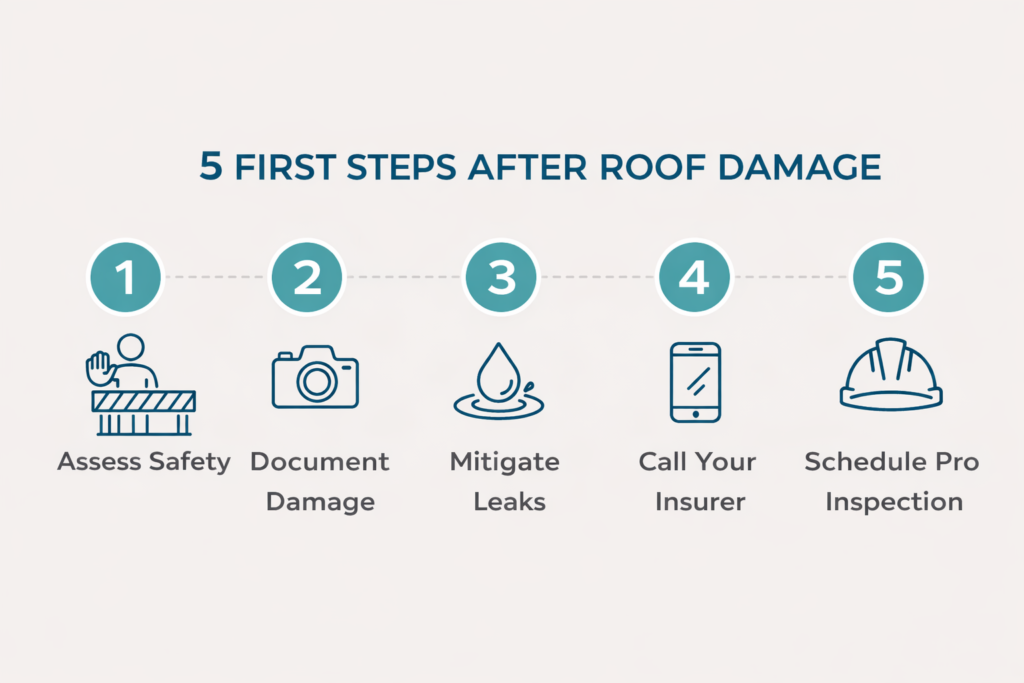
Acting quickly can save you from more extensive and costly repairs. To manage the situation safely and effectively, follow these steps in order:
- Prioritize Safety: This is always the first step. Never walk on a wet or damaged roof. If a ceiling is sagging, stay out of that room entirely.
- Document Everything: Use your phone to take clear photos and videos of the damage, both inside and outside. This evidence is crucial for your insurance claim.
- Control Water Inside: Place buckets under active drips and use towels or plastic sheeting to protect flooring and furniture. Move valuables away from the affected area.
- Report the Damage: Call your insurance company as soon as possible. Many Florida policies have deadlines for reporting storm damage.
- Schedule a Professional Inspection: A licensed roofer can safely identify all points of failure. The team at Coastal Roofing of South Florida specializes in storm damage assessments and can provide a clear, honest report on what needs to be fixed.
Can I Do Emergency Repairs Myself?
While it’s tempting to fix the problem yourself, most emergency roof repairs should be left to professionals. From our years of experience, we’ve seen how well-meaning homeowners can accidentally cause more damage or get seriously injured. A roof in South Florida can be slippery and unstable after a storm, wet tiles are incredibly slick, and loosened shingles can hide structural weakness. It’s simply not worth the risk.
The one step you can take is to cover the damaged area with a securely fastened tarp. This is a great temporary solution that can slow down water intrusion and buy you valuable time until a roofer arrives. Think of any DIY work as a temporary patch, not a permanent fix.
A securely fastened tarp is a safe, temporary measure to prevent further water damage. However, think of any DIY work as a patch, not a permanent fix. Always have a professional inspect the roof before repairs begin.
Will My Homeowner’s Insurance Cover the Damage?
A common question is whether your homeowner’s insurance will cover the cost. In most cases, Florida policies do cover sudden and accidental damage, including harm from wind, hail, and falling objects.
However, coverage is typically not provided for damage that results from neglect or pre-existing issues. If your roof was already in poor condition before the storm, your insurer might not pay for the full repair. This is why documenting the damage immediately is so important. Your photos and a professional roofer’s report provide strong evidence that the damage was a sudden event.
Should I File a Claim for Minor Damage?
If the damage is small, like a single missing shingle or a minor leak, take a moment to compare the estimated repair cost to your insurance deductible. Sometimes, paying out-of-pocket for a small repair is more practical than filing a claim, which could risk an increase in your premium. If you’re unsure, a roofer can give you an estimate to help you decide.
What If My Roof Is Still Under Warranty?
If your roof is covered by a warranty, it’s important to contact your original roofing contractor or the material manufacturer before starting any repairs. Having unauthorized work done can sometimes void your warranty, so always check the terms first.
How Can I Find a Trustworthy Roofer After a Storm?
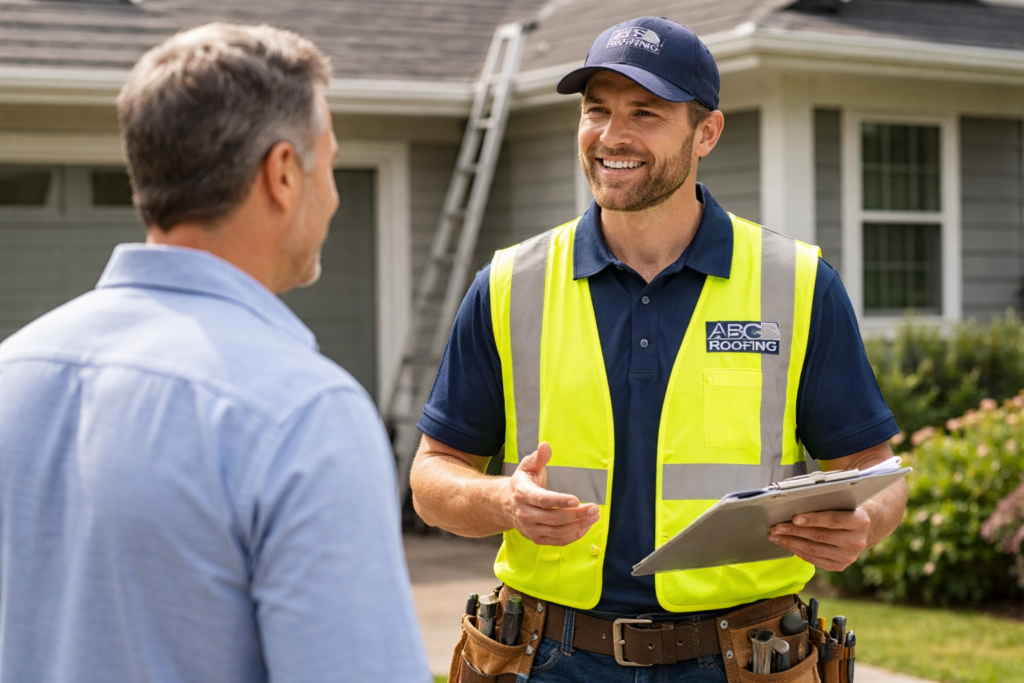
After major storms, be cautious of out-of-town contractors offering quick, low-cost repairs. To find a trustworthy local roofer, use this checklist to vet potential companies:
- A valid Florida contractor license: You can verify this on the state’s licensing portal.
- Proof of liability insurance and workers’ compensation: This protects you from liability for on-site accidents.
- A local address and a history of working in your community: This shows they are established and not just chasing storms.
- A detailed, written estimate: without any high-pressure sales tactics.
- No demands for full payment upfront: A small deposit is standard, but full payment should only happen after the work is complete.
Dealing with unexpected roof damage is stressful, but you don’t have to handle it alone. If your home has been affected by a storm, contact Coastal Roofing of South Florida for a prompt, professional inspection. We’re here to help you secure your home and give you peace of mind.
Recent Articles
Check Out Our Blog
