
How to Protect Your Roof from Heavy Rain Damage
Posted 2.13.2026 | 8 Minute Read
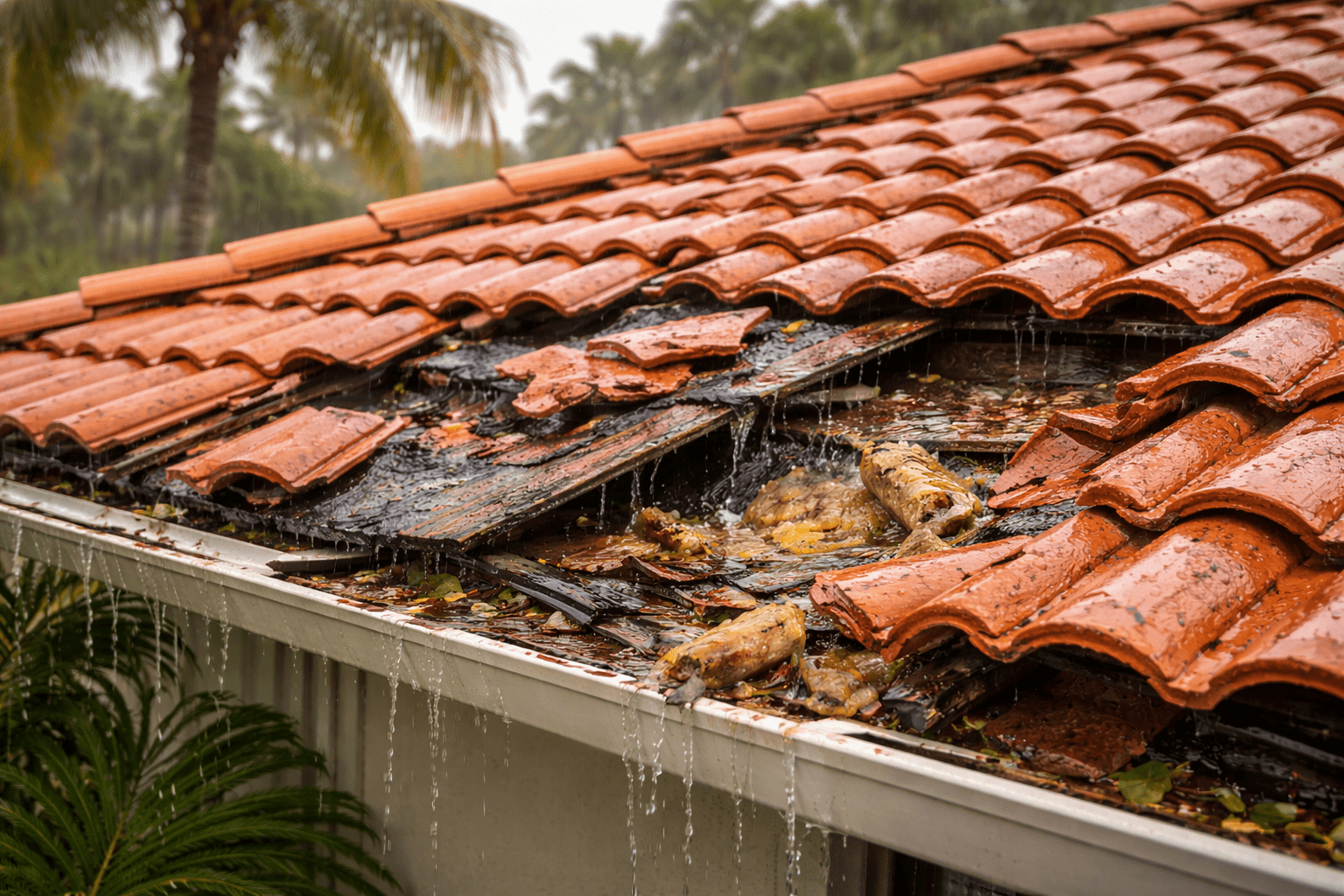
After a heavy rainstorm, the last thing you want to find is a new water stain on your ceiling or hear the steady drip of a leak in your attic. While concerning, these signs don’t mean your roof is destroyed. They’re simply clues that rain has found a pre-existing weakness. Understanding what causes these issues is the first step to catching them early, when the solutions are simpler and more affordable.
How Does Rain Damage a Roof?
A healthy, well-maintained roof is designed to handle rain with ease. Problems begin when water finds an existing vulnerability. The most common issue is poor drainage, which allows water to pool on the roof. This standing water has time to seep into small gaps in your roofing material and work its way underneath to the roof deck.
Other weak spots create direct entry points for water. A single missing or damaged shingle acts like an open door, allowing rain to spread across the roof deck where it can cause rot you can’t see from the ground.
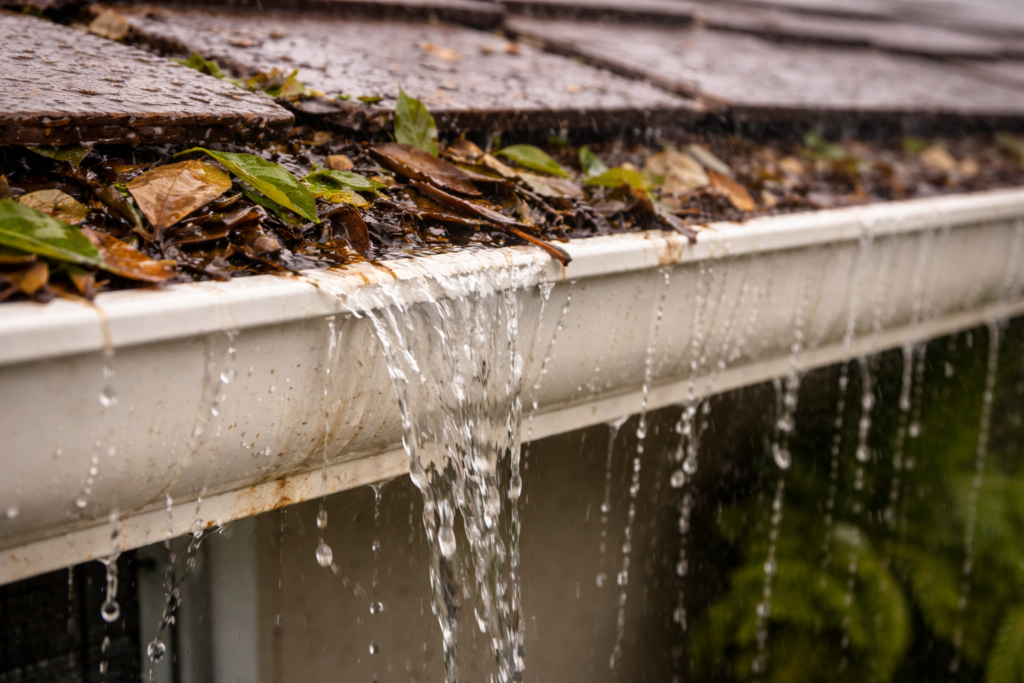
Clogged gutters can be just as problematic, forcing water to back up and flow under the edge of your roof, damaging the fascia boards and decking. Finally, failing flashing around chimneys, vents, and roof valleys can let water flow directly into your home. This metal sealing is essential for keeping water out where different roof sections meet.
Is Wind-Driven Rain Damage Covered by Insurance?
Whether your insurance covers rain damage depends on what caused the leak. If strong winds lift your shingles or otherwise cause wind damage to your roof, and rain enters through that new opening, most Florida homeowners policies will cover the repairs. This is considered wind damage, and the claim would be filed under your wind or hurricane deductible.
However, insurance typically does not cover leaks caused by normal wear and tear. If rain gets in because of old, worn-out flashing or a roof that was already in need of replacement, insurers usually view this as a maintenance issue, not sudden storm damage. To support your claim, documentation is key. If you suspect storm damage, take clear photos of the wind’s impact on your roof before starting any emergency repairs, then document where the water entered your home.
Insurance Insight: Remember that most insurance policies cover roof damage caused by wind, but not leaks from old age or poor maintenance. If you have a leak after a storm, be sure to document any visible wind damage (like lifted shingles) to support your claim.
What Is the Most Common Cause of Roof Failure?
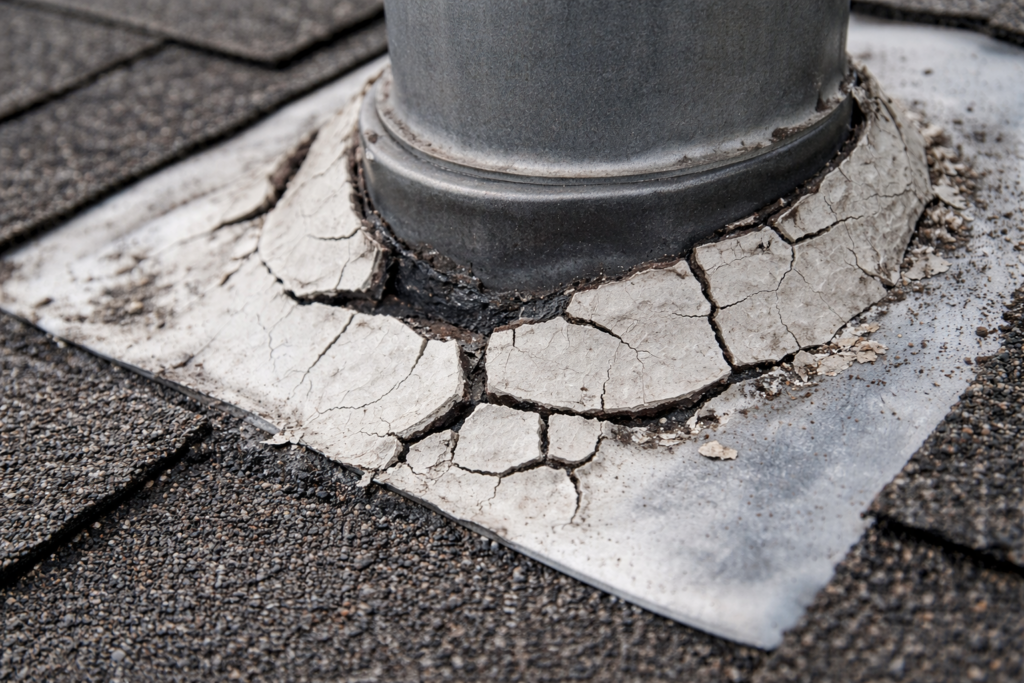
The leading cause of roof failure is water infiltration from delayed maintenance. It’s rarely one big storm that brings a roof down. More often, it’s the result of small, unnoticed leaks that gradually weaken the roof’s structure over several years. By the time you see a water stain inside, the hidden damage to your roof deck and support beams is often far more extensive than you’d expect.
In South Florida, this process is accelerated. Our intense sun breaks down roofing materials, while our frequent heavy rains relentlessly test for weaknesses. This powerful combination makes staying on top of roof maintenance even more critical here than in other regions.
Pro Tip: Maintenance Matters More Than Storms. The number one cause of roof failure isn’t a single hurricane; it’s years of small, undetected leaks from lack of maintenance. Heavy rain simply exposes these hidden problems. A proactive approach to roof care is the best way to prevent expensive, large-scale damage.
How Does a Heavy Downpour Expose Roof Problems?
Heavy rain acts like a stress test for your roof, revealing issues that might otherwise go unnoticed. During a tropical storm, sideways rain is pushed by high winds, forcing water under shingles and into gaps that normal rainfall would never reach. This is why a roof that seems fine during a summer shower might suddenly develop multiple leaks during a hurricane.
The sheer volume of water can also overwhelm your roof’s drainage system. When rainfall exceeds your gutters’ capacity, water backs up and pools in areas it shouldn’t, creating pressure that forces it under roofing materials. Storms also wash debris like leaves, branches, and palm fronds into roof valleys and gutters, creating blockages that stop water from flowing and cause it to pool.
Why Are Flat Roofs Vulnerable to Heavy Rain?
While pitched roofs are common in South Florida, some commercial buildings and home additions use flat or low-slope rubber (EPDM) roofing. These roofs face unique challenges from heavy rain. Their primary enemy is standing water. Any water that remains on the surface for more than 48 hours begins to break down the roof’s membrane.
Seam failure is another major concern. Over time, the bonds between the large sheets of roofing material can weaken, allowing heavy rain to work its way into the seams and spread underneath. Even tiny punctures, which might only let in a few drops during a light shower, can become significant entry points for water during a downpour, channeling a large volume of rain into your building.
What Warning Signs Should I Look For After a Storm?
After any significant storm, it’s wise to check for signs of new damage. Inside your home, look for new water stains on ceilings or walls, listen for active drips, and be aware of any musty smells in your attic, which can indicate hidden moisture. A ceiling that appears to be bulging or sagging is a serious sign of trapped water and requires immediate attention.
Outside, a quick visual check from the ground can reveal a lot. Look for any shingles that are missing, lifted, or cracked. Check your gutters and the ground around your home for an accumulation of shingle granules, which looks like coarse black sand and signals that your shingles are aging. Also, note any sagging areas on the roof or visible damage to the flashing around chimneys and vents. Addressing these signs quickly in Florida’s humid climate can prevent a minor issue from becoming a major, expensive repair.
How Can I Prevent Rain-Driven Roof Damage?
While you can’t control the weather, you can take proactive steps to protect your roof. The best form of prevention is an annual professional inspection. A roofing expert can spot small issues, like a lifted shingle corner or worn-out sealant on flashing, before they fail during heavy rain. Handling these minor repairs promptly is far less expensive than dealing with the extensive water damage that a single unresolved problem can cause.
What Should I Do If I Discover a Leak?
If you find a leak during an active storm, place buckets to catch the water and move any furniture or valuables out of the way. For your safety, stay off the roof while it is wet and slippery.
Once the rain stops, your first step should be to take photos of all visible damage, both inside and out. Then, call a licensed roofer to perform a professional inspection and help you understand the cause of the leak. If there are obvious holes or large areas of missing shingles, ask your roofer to install a tarp to prevent more water from getting in. If the damage appears to be storm-related, contact your insurance company promptly. During the inspection, ask your roofer to assess the condition of the underlying roof decking, not just the surface damage, to get a complete picture of your roof’s health.
Protect Your Home with Proactive Care
Heavy rain typically doesn’t destroy a healthy roof. Instead, it reveals a roof that was already vulnerable. The best protection isn’t just hoping your roof survives the next storm; it’s maintaining it so that water has nowhere to get in.
In South Florida, where heavy rain is a part of life, preventative care costs significantly less than emergency repairs. An annual inspection is a small investment compared to the thousands of dollars it can cost to replace a water-damaged roof deck, insulation, and interior drywall. If you’re seeing signs of a leak or haven’t had your roof checked in over a year, now is the time to act.
Ready for peace of mind? Coastal Roofing of South Florida provides thorough inspections to identify issues before they become costly emergencies. We’ll give you a straightforward evaluation of your roof’s condition and help you understand your options. Give us a call today to schedule your assessment and ensure your home is protected.
Recent Articles
Check Out Our Blog
