
Metal Roofs That Look Like Tile vs Clay Tiles: Florida Comparison Guide
Posted 1.07.2026 | 7 Minute Read
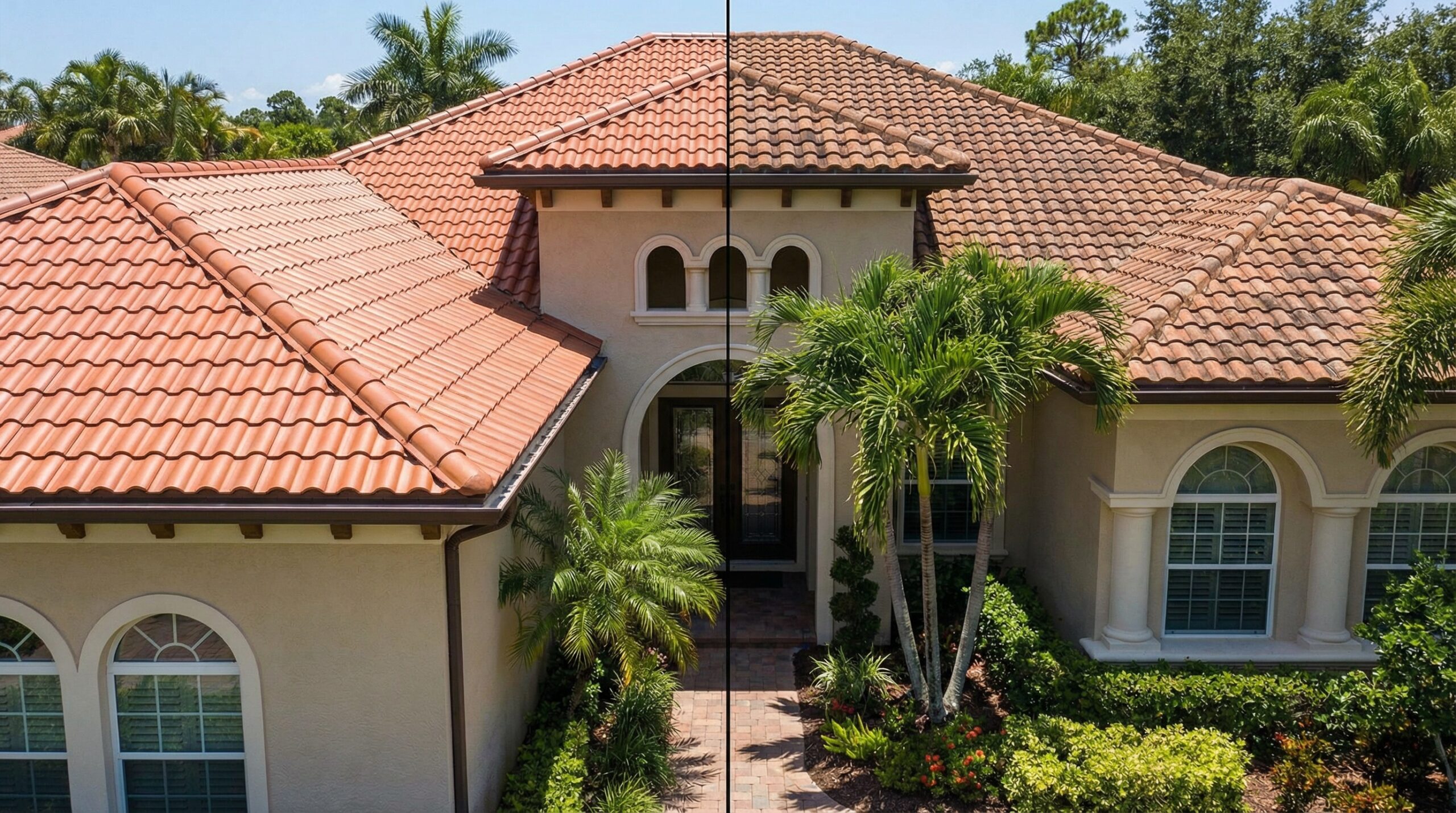
Florida homeowners face a unique challenge when choosing roofing materials. You want the classic Mediterranean aesthetic that clay tiles provide, but you also need protection against increasingly powerful hurricanes. Metal roofs that look like tile offer an intriguing solution that combines traditional beauty with modern durability.
Quick Answer: Metal roofs that mimic tile appearance cost $7-15 per square foot versus $12-21 for clay tiles, offer superior wind resistance up to 180 mph compared to clay’s 150 mph, but have shorter lifespans of 40-50 years versus clay’s 50-100 years.
Key Insight: Metal tile roofs provide 20% better wind resistance than clay tiles while costing up to 40% less, making them an attractive option for hurricane-prone Florida homes.
At Coastal Roofing of South Florida, we help homeowners navigate this decision daily. Let’s examine how these two popular roofing options compare across the factors that matter most to Florida property owners.
What are metal roofs that look like tile
Metal roofs that mimic tile appearance start as steel sheets that manufacturers shape into tile profiles during production. These aren’t simply painted metal panels. The process involves forming the steel into realistic tile shapes, then applying protective alloy coatings to prevent rust and corrosion.
The final step adds stone granules and specialized paint systems that create authentic tile colors and textures. This combination gives you the visual appeal of traditional clay tiles while maintaining the structural advantages of metal roofing.
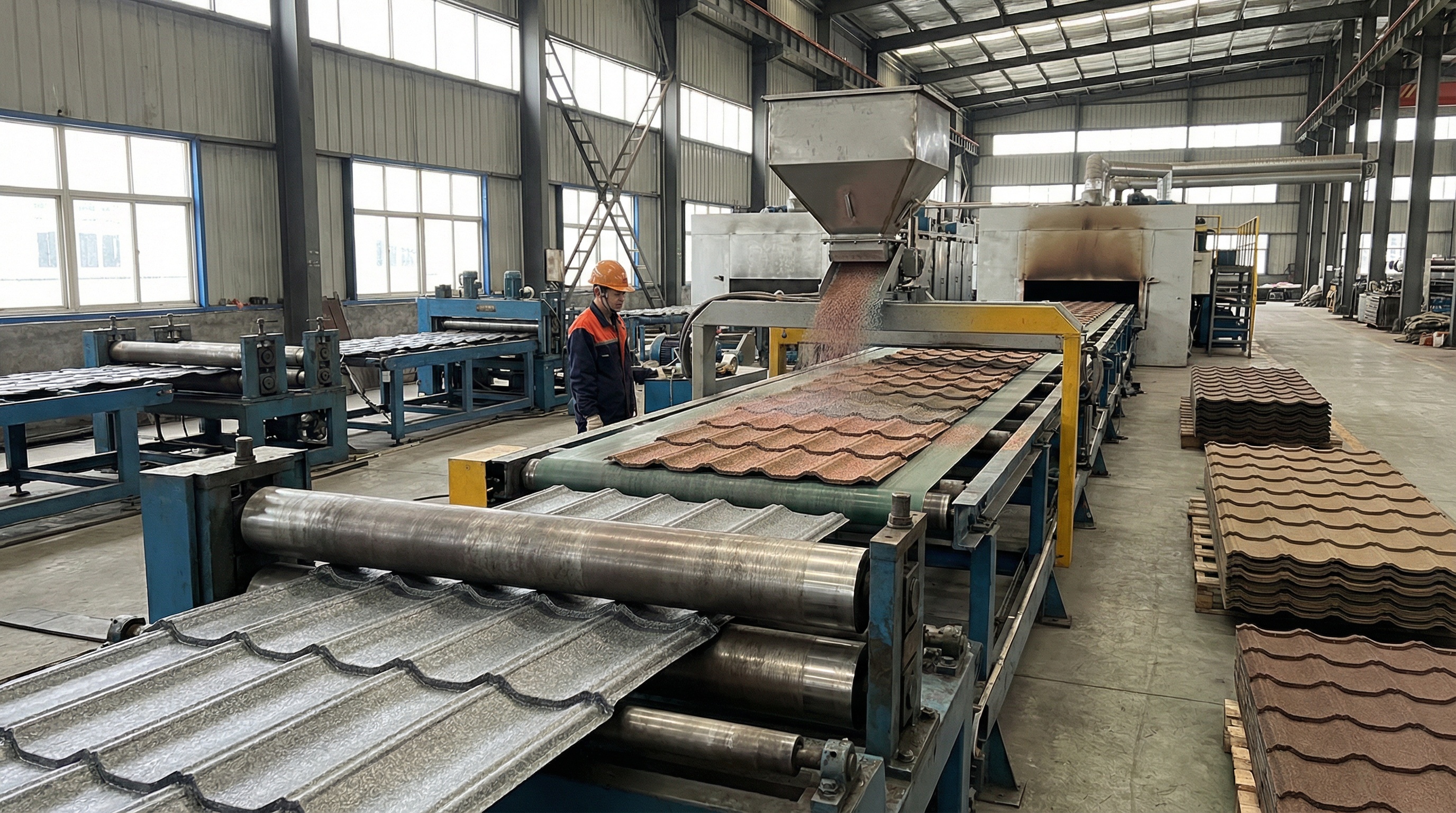
Unlike individual clay tiles installed one by one, metal tile systems come in panels covering multiple tile profiles. This design speeds installation significantly, reducing both labor time and overall project costs. However, you sacrifice some customization options since you can’t create the intricate patterns possible with individual clay tiles.
The manufacturing process creates a product that’s virtually indistinguishable from clay tiles when viewed from ground level, giving you authentic Mediterranean or Spanish colonial aesthetics without clay’s inherent limitations.
Performance comparison between metal and clay tiles
When evaluating roofing performance in Florida, three critical factors determine long-term success: wind resistance, impact protection, and UV durability. Each material brings distinct advantages and challenges in these areas.
Wind Resistance Performance
Clay tiles typically withstand winds up to 150 mph, which covers most hurricane scenarios Florida experiences. Metal tile systems perform even better, with wind resistance ratings reaching 180 mph. Both materials exceed building code requirements, but metal’s superior performance provides additional peace of mind during severe weather events. Understanding what makes the best metal roof for hurricanes can help you make an informed decision for your Florida home.
Impact Damage Protection
This represents the biggest performance difference between materials. Clay tiles can crack or shatter when struck by storm debris, creating immediate roof vulnerabilities. Metal tiles may dent under severe impact but rarely compromise your roof’s protective integrity. For Florida’s storm-prone environment, this resilience advantage is significant.
Weather Reality: Florida experiences an average of 2-3 major hurricanes per decade, making impact resistance a crucial factor in roofing material selection.
UV and Heat Performance
Clay tiles excel in UV resistance due to their natural composition and kiln-fired durability. They don’t fade or degrade under constant sun exposure. Metal tiles use stone granules and paint systems for UV protection, which can fade over 15-20 years but remain repairable through repainting.
Cost analysis and installation factors
The financial comparison between metal and clay tile roofing extends beyond initial material costs to include installation, maintenance, and long-term value considerations.
Material and Installation Costs
| Factor | Metal Tiles | Clay Tiles |
|---|---|---|
| Cost per sq ft | $7-15 | $12-21 |
| Installation speed | Fast (panels) | Slow (individual) |
| Labor costs | Lower | Higher |
| Weight | 1-2 lbs/sq ft | 9-12 lbs/sq ft |
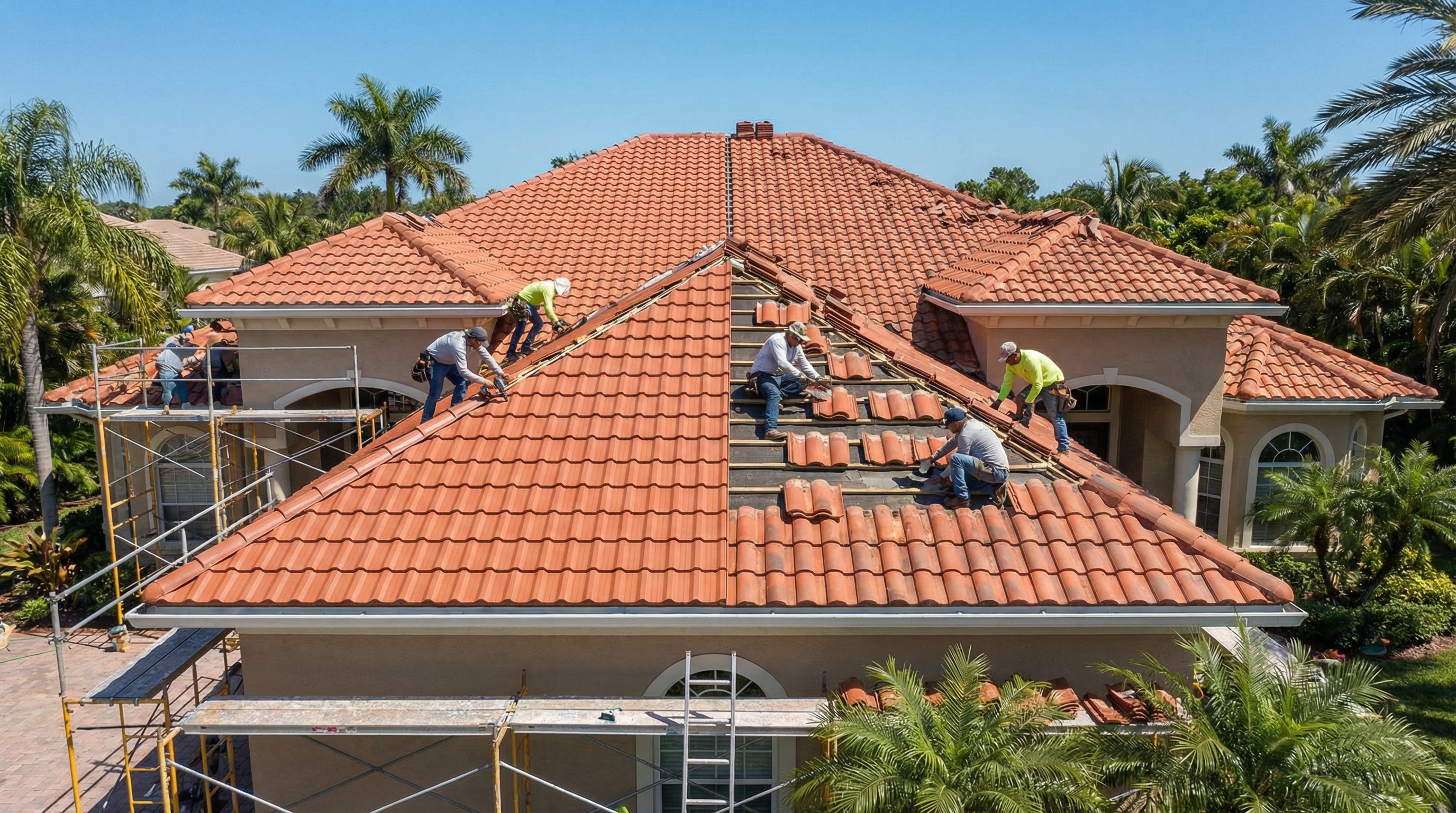
Metal tile systems install faster because panels cover multiple tile profiles simultaneously. This efficiency reduces labor costs substantially compared to clay tile installation, where each piece requires individual placement and securing. For a detailed breakdown of pricing, check out the average metal roof cost per square foot in Florida.
Structural Requirements
Clay tiles’ significant weight often requires structural reinforcement, adding thousands to project costs. Metal tiles work with existing roof structures in most cases, eliminating this additional expense. This weight difference makes metal tiles particularly attractive for older homes or structures with weight limitations.
Long-term Value Considerations
While clay tiles can last 50-100 years, metal tiles typically provide 40-50 years of service. However, metal’s lower initial cost and reduced installation expenses often offset the shorter lifespan, especially when considering the time value of money and potential for future upgrades. When comparing overall value, reviewing a comprehensive metal roof vs. shingles cost and value comparison can provide additional perspective on long-term roofing investments.
Maintenance and longevity expectations
Both roofing materials require different maintenance approaches and offer varying lifespans that impact long-term ownership costs and satisfaction.
Clay Tile Maintenance
Clay tiles need periodic inspection for cracks, especially after severe weather. Individual tile replacement is straightforward but requires matching colors and profiles. The main advantage is clay’s resistance to fading and degradation, maintaining appearance for decades without intervention.
Metal Tile Maintenance
Metal tile systems require monitoring of exposed fasteners, which can corrode over time in Florida’s humid environment. The stone granule coating may need refreshing every 10-15 years to maintain optimal appearance and UV protection. However, overall maintenance requirements remain minimal compared to other roofing materials.
Maintenance Reality: Regular biennial inspections can extend either material’s lifespan significantly, with early problem detection preventing major repairs.
Warranty and Service Life
Clay tiles often come with 50-year warranties, reflecting their proven longevity. Metal tile systems typically offer 30-40 year warranties, which align with their expected service life. Both materials far exceed asphalt shingles’ typical 15-20 year lifespan, providing superior long-term value.
The choice between metal and clay tiles ultimately depends on your priorities. If maximum longevity and traditional authenticity matter most, clay tiles excel. If you prioritize cost efficiency, impact resistance, and faster installation, metal tiles that look like tile provide compelling advantages. Before making your final decision, it’s worth exploring the pros and cons of metal roofs in Florida and reviewing the various types of metal roofs for houses in Florida to ensure you select the best option for your specific needs.
Both materials offer significant improvements over standard roofing options, giving Florida homeowners excellent protection against the state’s challenging weather conditions while maintaining the aesthetic appeal that defines our architectural heritage.