
Palm Beach County Roof Warranties What’s Covered and What Voids Your Protection
Posted 6.17.2026 | 8 Minute Read
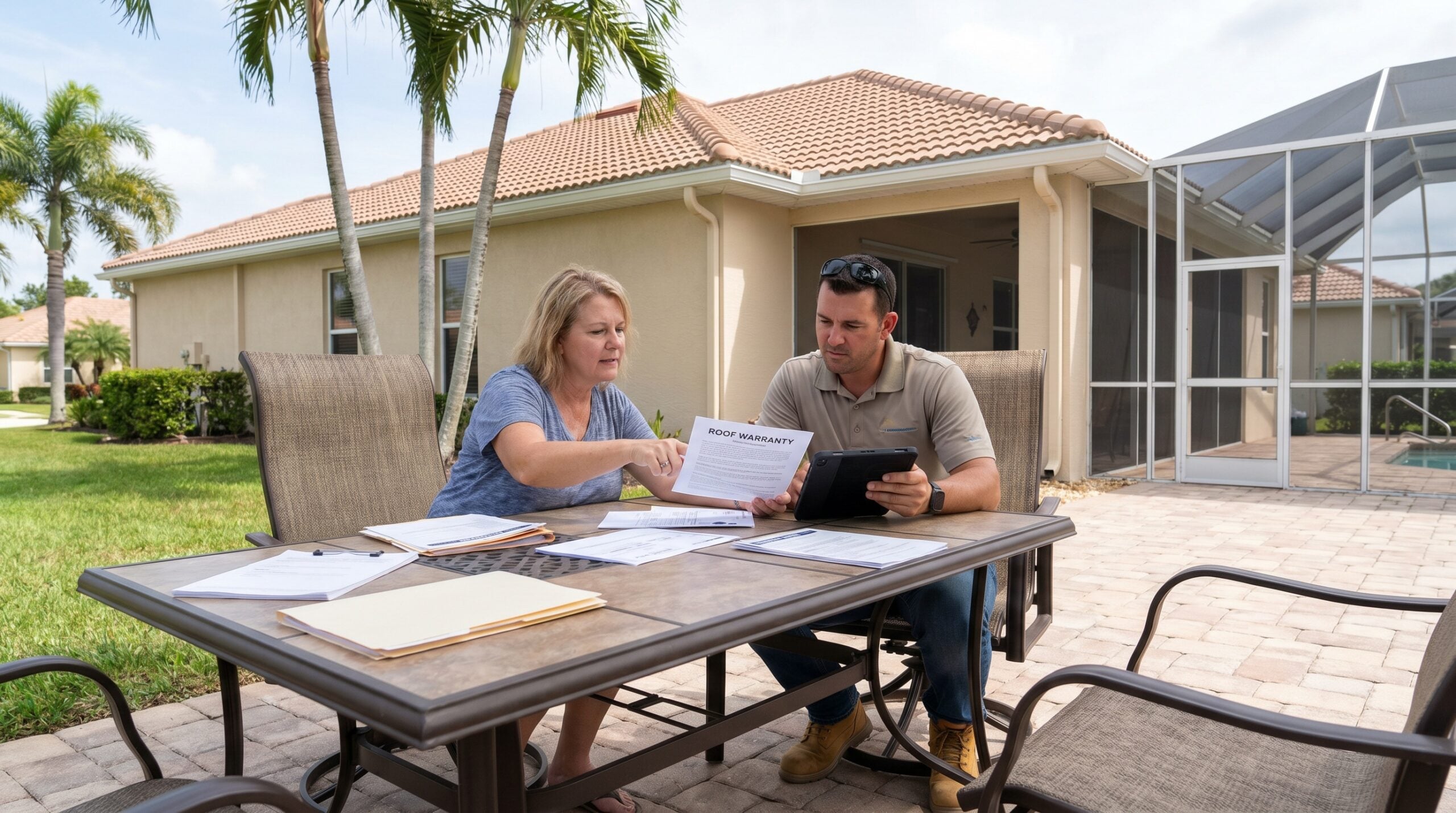
Getting a new roof in Palm Beach County comes with warranty protection, but understanding what’s actually covered can be confusing—especially when considering financing options like PACE programs. Most South Florida homeowners receive two types of warranties: a workmanship warranty from their contractor (typically 1-25 years) and a manufacturer warranty covering materials (usually 20-50 years). However, certain actions like DIY repairs, pressure washing, or unauthorized modifications can void your coverage entirely.
Key Insight: Palm Beach County roof warranties typically include both workmanship coverage from your contractor and material warranties from manufacturers, but extreme weather damage and improper maintenance can eliminate your protection.
If you’re wondering whether your roof warranty will actually protect your investment, you’re asking the right questions. Between manufacturer warranties, contractor guarantees, and enhanced protection plans, it’s easy to get overwhelmed by the different types of coverage available. This guide breaks down exactly what South Florida roof warranties cover, what voids them, and how to protect your investment for years to come.
What is a roofing warranty in South Florida
A roofing warranty is your protection against defects and installation problems after your roof is completed. Think of it as insurance for your roof investment that kicks in when something goes wrong that shouldn’t have happened under normal circumstances.
In Palm Beach County, you’ll typically receive two separate warranties when you get a new roof. The first comes from your roofing contractor and covers their workmanship. The second comes from the manufacturer of your roofing materials and protects against product defects. These warranties work together to give you comprehensive protection, but they cover different types of problems.
The key thing to understand is that warranties aren’t the same as insurance. While your homeowners insurance might cover storm damage, warranties protect against manufacturing defects and installation errors that occur under normal conditions. This distinction is especially important in our coastal climate where hurricane season brings unique challenges.
The two main types of roof warranties
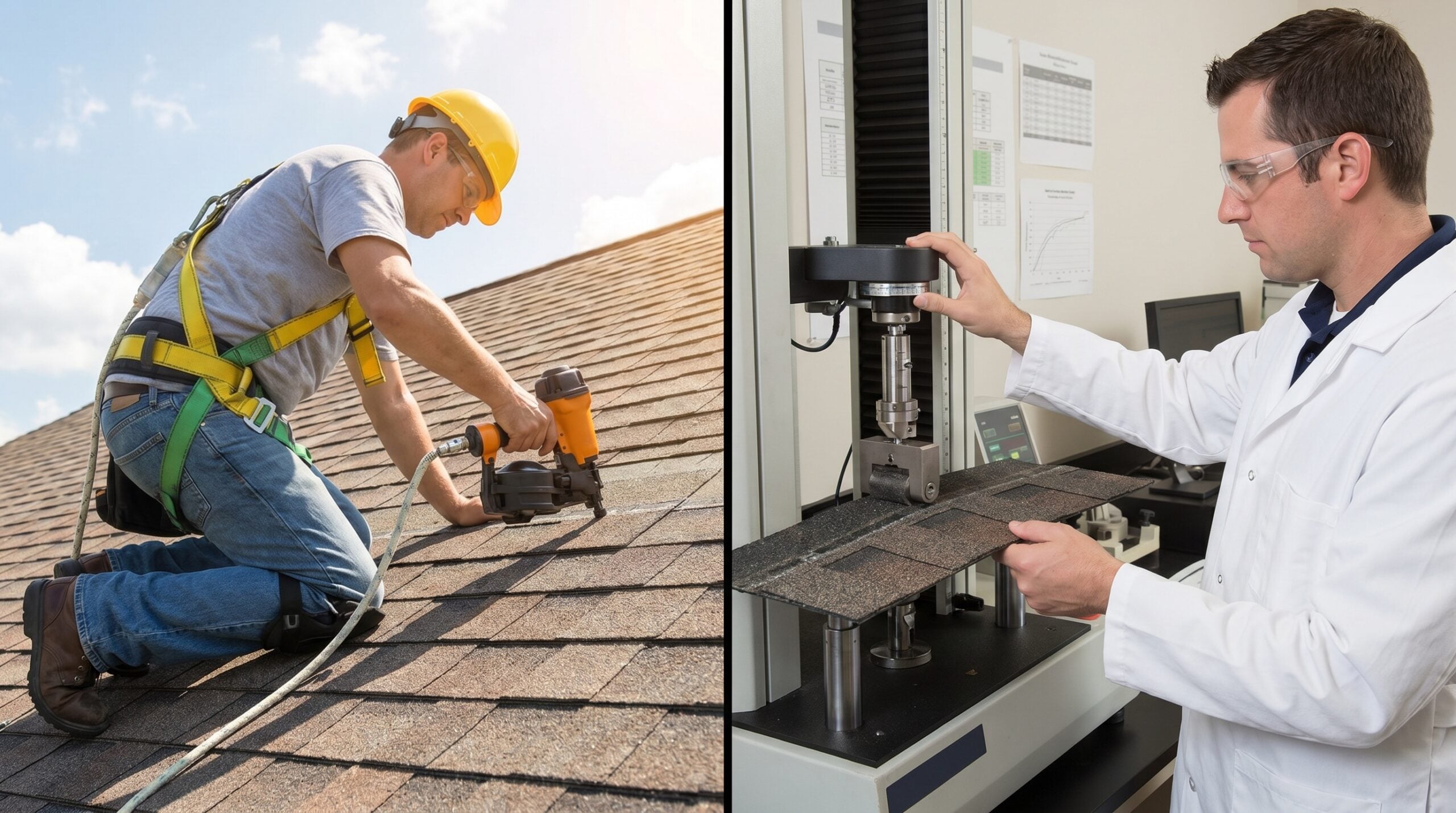
Understanding the difference between workmanship and manufacturer warranties is crucial because they cover completely different issues and have different claim processes.
Workmanship warranties come from your roofing contractor and cover installation-related problems. If your roof leaks because of improper flashing, incorrect fastener patterns, or poor ventilation installation, your workmanship warranty should cover the repairs. These warranties typically last 1-25 years, with reputable Palm Beach County contractors offering 5-10 years as standard coverage. When choosing a contractor, ensure they’re licensed (look for Florida license CCC1334140 or similar) and provide clear warranty terms.
Manufacturer warranties protect against defects in the roofing materials themselves. If your shingles crack prematurely, tiles fail under normal conditions, or metal roofing develops coating problems before their expected lifespan, the manufacturer warranty covers replacement materials. Quality manufacturers like Owens Corning, GAF, and others offer warranties ranging from 20-50 years, with some providing lifetime coverage.
| Warranty Type | Duration | Covers | Backed By |
|---|---|---|---|
| Workmanship | 1-25 years | Installation errors, leaks | Contractor |
| Manufacturer | 20-50 years | Material defects, premature failure | Manufacturer |
| Enhanced/System | 10-50 years | Both materials and installation | Manufacturer + Contractor |
The most comprehensive protection comes from enhanced or “system” warranties available through certified contractors. These programs combine both workmanship and material coverage under one plan, often providing stronger protection than separate warranties. In South Florida’s challenging coastal environment, these comprehensive warranties can provide valuable peace of mind.
What typically voids roof warranty coverage
Warning: Pressure washing your roof to remove algae is one of the fastest ways to void both your workmanship and manufacturer warranties in Palm Beach County.
Several common actions can eliminate your warranty protection, often without homeowners realizing it. The most frequent warranty-voiding mistakes in South Florida include unauthorized modifications, improper maintenance, and DIY repairs.
Extreme weather exclusions are standard across most warranties. While your roof should handle normal Palm Beach County weather, hurricanes, tornadoes, and severe hail storms are considered “acts of God” and fall outside warranty coverage. This is where your homeowners insurance becomes important, especially during hurricane season.
Unauthorized work immediately voids most warranties. Having another contractor perform repairs, installing satellite dishes without proper mounting, or attempting DIY fixes can eliminate your coverage. Even professional work by unlicensed contractors can void manufacturer warranties that require installation by certified professionals. Always verify that any contractor working on your roof holds proper Florida licensing.
Improper maintenance is another common problem. Pressure washing to remove algae, walking on certain roofing materials, or failing to maintain gutters and drainage can void your protection. In our humid coastal climate, many West Palm Beach area homeowners make the mistake of pressure washing their roofs to combat algae growth, which can damage materials and void both workmanship and manufacturer warranties.
The key is understanding that once your warranty is voided, proving original installation defects or material failures becomes nearly impossible, leaving you responsible for all repair costs.
How to protect your warranty coverage
Maintaining your roof warranty requires following specific guidelines and keeping detailed records. The good news is that most warranty requirements involve basic maintenance that’s good for your roof anyway, especially in our challenging South Florida climate.
Keep detailed documentation of your roof installation, including warranty certificates, permits, and inspection records. Store these documents both digitally and physically, as you’ll need them for any future claims and warranty transfers when selling your home. This is particularly important in Palm Beach County’s active real estate market.
Schedule regular professional inspections rather than attempting DIY assessments. Annual inspections by qualified, licensed roofers can identify potential issues early while maintaining your warranty validity. Many local contractors offer inspection services specifically designed to preserve warranty coverage and address the unique challenges of coastal roofing systems.
Follow manufacturer maintenance guidelines exactly as specified. This typically includes gentle cleaning methods for algae removal (common in our humid climate), proper gutter maintenance, and prompt attention to minor issues before they become major problems. When problems arise, always contact your original contractor first for workmanship issues or the manufacturer for material defects.
The most important rule is avoiding unauthorized modifications or repairs. If you need work done on your roof, use licensed contractors and get approval from your warranty provider when required. This protects your coverage and ensures any new work meets the same standards as your original installation and Florida building codes.
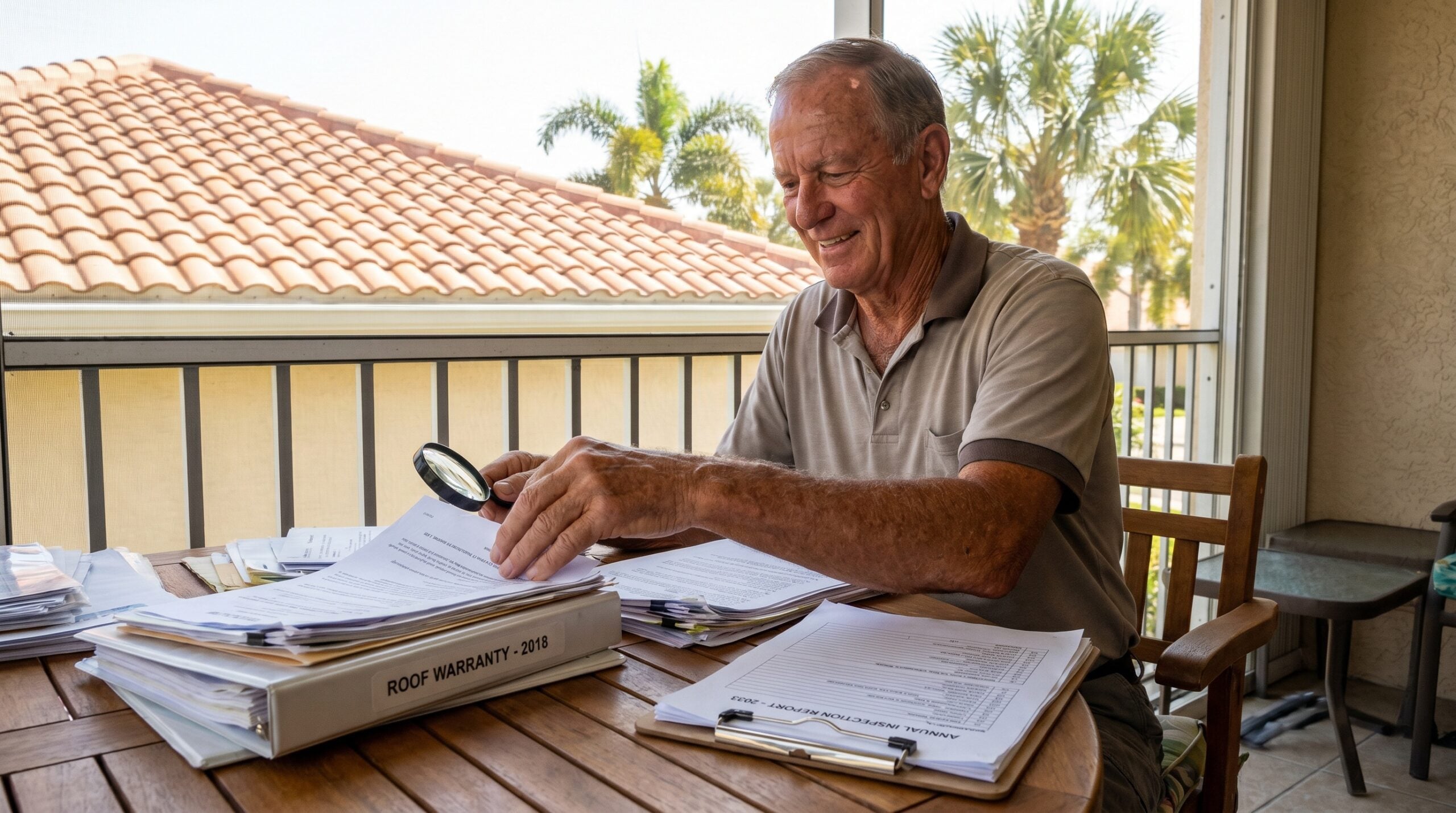
Understanding your roof warranty protection helps you make informed decisions about maintenance and repairs while preserving your coverage. The key is choosing reputable contractors who offer strong warranties, following maintenance guidelines, and keeping detailed records throughout your roof’s lifespan.
Remember that warranties are only as reliable as the companies backing them. Working with established manufacturers and certified contractors gives you the best chance of having coverage when you need it most. In Palm Beach County’s coastal environment, where roofs face intense sun, humidity, and storm threats, proper warranty protection is essential. By understanding what’s covered, what voids protection, and how to maintain your warranty, you can protect your roofing investment for decades to come.