
Terracotta Roof Cost & Lifespan in South Florida – Clay Tile Pros & Cons Compared
Posted 6.17.2026 | 7 Minute Read
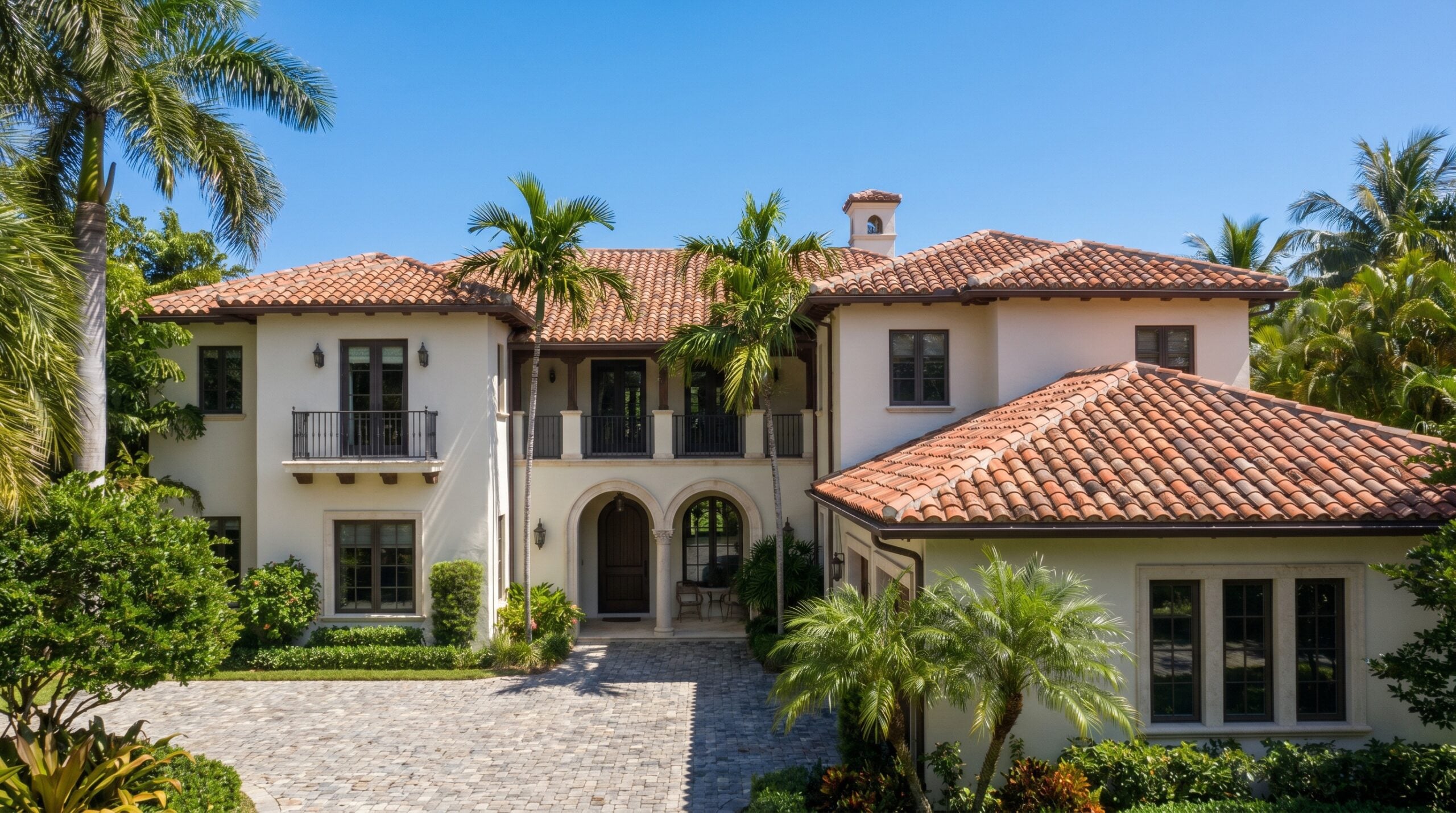
Terracotta roofing tiles have defined South Florida’s architectural landscape since Spanish settlers first brought these fired clay tiles to the New World. Today, these natural clay tiles remain a popular choice for Palm Beach County homeowners seeking durability, hurricane resistance, and timeless Mediterranean aesthetics.
In South Florida, terracotta roofs typically cost $12 to $25 per square foot installed, with total project costs ranging from $24,000 to $50,000 for an average 2,000 square foot home. The investment pays off through exceptional longevity, with properly maintained terracotta roofs lasting 50 to 100+ years compared to asphalt shingles that need replacement every 15-20 years in our harsh coastal climate.
Key insight: While terracotta tiles can last a century, the underlayment beneath them typically needs replacement every 20-30 years, requiring tile removal and reinstallation.
This guide covers everything South Florida homeowners need to know about terracotta roof costs, lifespan expectations, and how clay tiles compare to concrete, metal, and shingle alternatives in our unique coastal climate.
What are terracotta roofing tiles
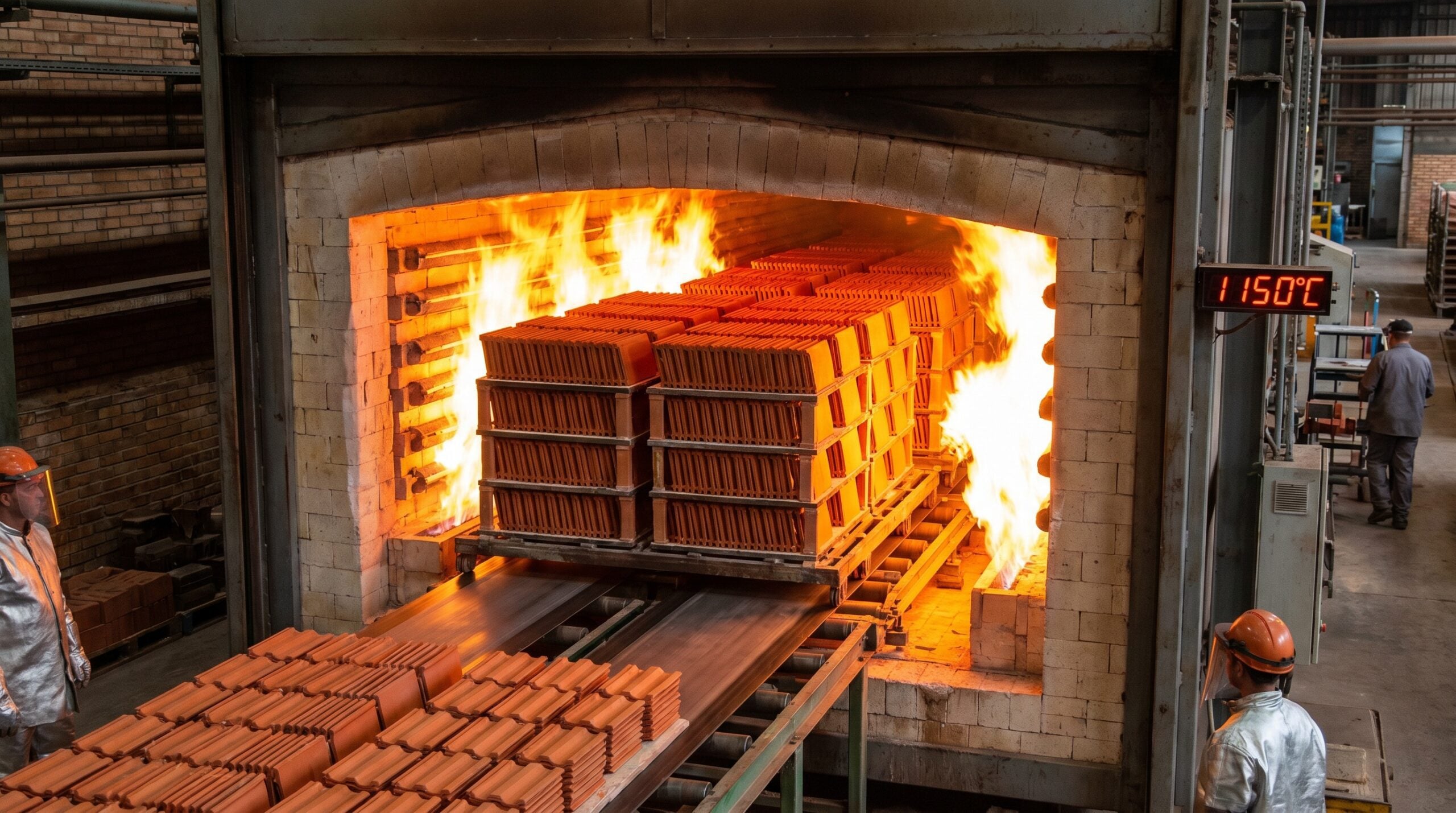
Terracotta tiles are made from natural clay that’s shaped into tile forms and fired in kilns at temperatures between 1,800 and 2,200°F. This high-temperature firing process creates a dense, ceramic-like material that’s naturally water-resistant and incredibly durable.
The firing process also creates terracotta’s characteristic warm colors, from pale buff to rich orange-red to deep brown. Unlike concrete tiles that use surface coatings for color, terracotta’s color is integral to the material itself, meaning it won’t fade or peel over time.
South Florida roofers have perfected terracotta installation techniques over centuries, creating overlapping systems that effectively shed water while allowing natural ventilation, similar to barrel tile roofing configurations. The tiles’ curved profiles and strategic placement create a weather-resistant barrier that’s particularly well-suited to our intense sun, heavy rains, and salt air exposure.
Terracotta roof cost in South Florida
Average cost per square foot
Terracotta roof installation in South Florida typically costs $12 to $25 per square foot, including materials and labor. Standard machine-made tiles fall on the lower end at $12-$18 per square foot, while premium handmade or imported tiles can reach $20-$25 per square foot.
Total project costs by roof size
For a typical South Florida home with a 2,000 square foot roof, expect total tile roof costs between $24,000 and $50,000. Smaller homes around 1,500 square feet might see costs from $18,000 to $37,500, while larger 3,000+ square foot roofs can exceed $60,000.
Cost factors specific to South Florida
Several factors drive terracotta roofing costs higher in South Florida. Hurricane-resistant installation requires specialized clips and additional fasteners to meet Florida Building Code requirements. Many homes also need structural reinforcement since terracotta tiles weigh 10-15 pounds per square foot compared to 2-3 pounds for asphalt shingles.
Labor costs are premium because proper terracotta installation requires experienced roofers familiar with tile-specific techniques. Complex roof designs with multiple valleys, dormers, or steep pitches can add 20-40% to base installation costs.
| Roof Size | Cost Range | Average Cost |
|---|---|---|
| 1,500 sq ft | $18,000 – $37,500 | $27,750 |
| 2,000 sq ft | $24,000 – $50,000 | $37,000 |
| 3,000 sq ft | $36,000 – $75,000 | $55,500 |
How long do terracotta roofs last in South Florida
Terracotta roofs are among the longest-lasting roofing materials available, with lifespans of 50 to 100+ years when properly installed and maintained. This exceptional longevity makes them particularly cost-effective over time, despite higher upfront costs.
Tiles vs underlayment lifespan
While the terracotta tiles themselves can last a century, the underlayment beneath them typically needs replacement every 20-30 years. This water-resistant barrier protects your roof deck but degrades faster than the tiles above it due to South Florida’s heat, humidity, and salt air exposure.
Underlayment replacement requires removing tiles, installing new waterproof barriers, and reinstalling the existing tiles. This process costs significantly less than full roof replacement since you’re reusing the original tiles.
South Florida climate factors
South Florida’s intense UV exposure, salt air near coasts, and hurricane-force winds test roofing materials more than most climates. Terracotta handles these challenges exceptionally well due to its fired ceramic composition and natural resistance to moisture, insects, and rot.
Performance advantage: Terracotta roofs in South Florida typically require biological cleaning every 7-10 years compared to concrete tiles that need cleaning every 4-7 years due to algae and moss growth.
Regular tile roof maintenance including annual inspections, prompt tile replacement, and periodic soft washing helps terracotta roofs reach their full lifespan potential in our challenging coastal environment.
Pros of terracotta roof tiles in South Florida
Exceptional hurricane and wind resistance
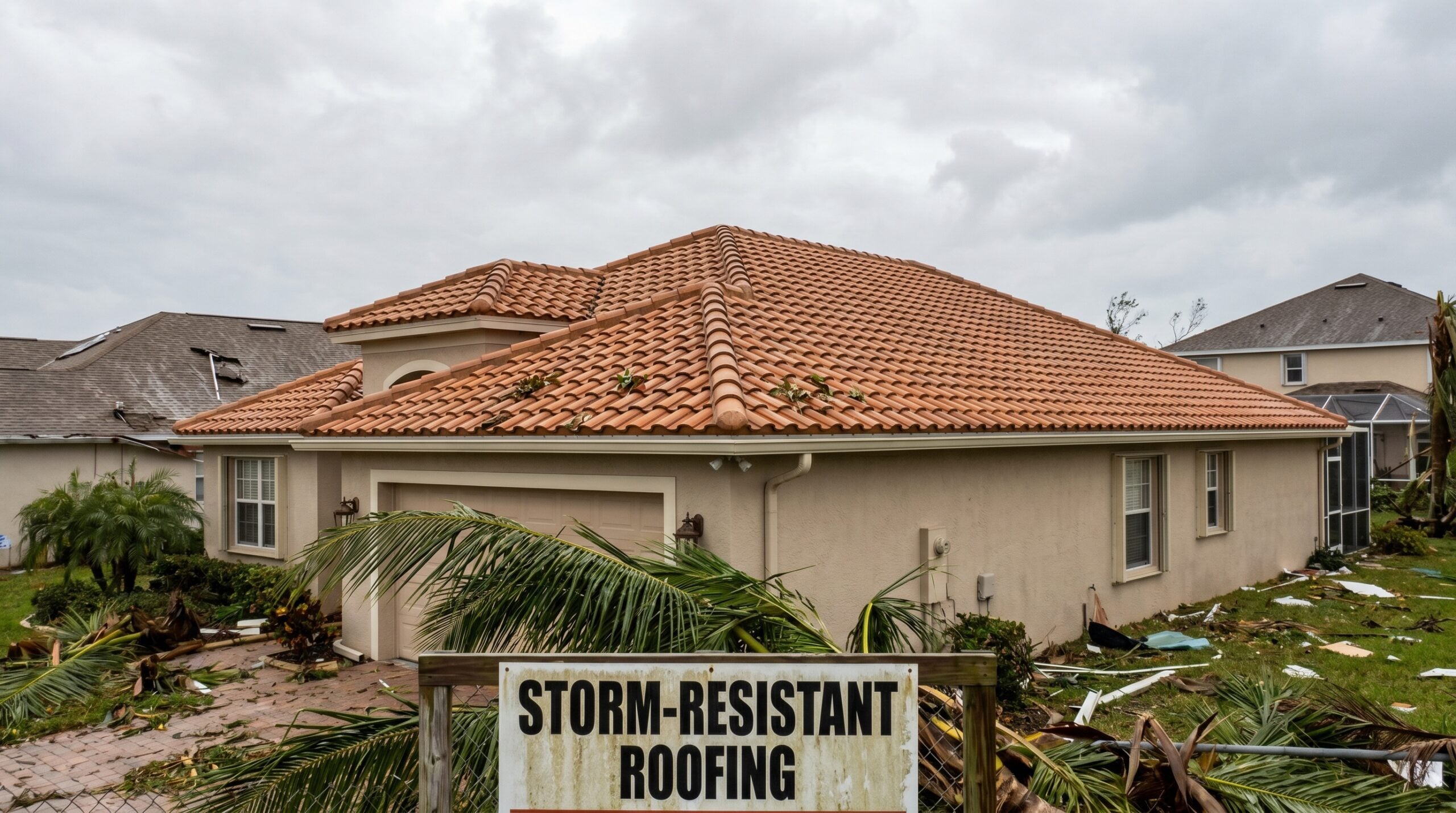
Properly installed terracotta tiles can withstand winds up to 150 mph when secured with hurricane clips and appropriate fasteners. Their heavy weight actually provides stability during storms, and after major hurricanes, terracotta roofs often need only spot repairs while nearby asphalt roofs require complete replacement.
Superior energy efficiency in South Florida heat
Terracotta’s natural thermal mass and reflective properties help keep attics significantly cooler than asphalt shingles. The tile profile creates natural airflow between tiles and roof deck, reducing heat transfer and lowering cooling costs during South Florida’s long hot seasons.
Low maintenance and eco-friendly benefits
Terracotta requires minimal maintenance beyond periodic inspections and cleaning. The natural clay material is 100% recyclable, and its long lifespan reduces waste compared to roofing materials that need frequent replacement.
The fired ceramic surface resists biological growth better than many alternatives, and when cleaning is needed, gentle soft washing preserves the tiles without damage.
Cons of terracotta roof tiles in South Florida
High upfront installation costs
Terracotta represents a significant initial investment, often costing 2-3 times more than architectural shingles. The specialized installation requirements and potential need for structural reinforcement can push total project costs well above other roofing options.
Structural weight requirements
At 10-15 pounds per square foot, terracotta tiles require careful structural evaluation before installation. Older South Florida homes or wood-frame construction may need reinforcement to safely support the additional weight, adding to project costs.
Impact vulnerability and repair complexity
While terracotta handles wind and weather well, individual tiles can crack from large hail, falling branches, or foot traffic during maintenance. Replacing damaged tiles requires skilled roofers to avoid breaking surrounding tiles, and matching older tile colors and profiles can be challenging.
Underlayment replacement cycles
The need to replace underlayment every 20-30 years creates a significant maintenance expense that other roofing systems don’t require. While less costly than full roof replacement, this periodic maintenance should be factored into long-term ownership costs.
At Coastal Roofing of South Florida, we specialize in terracotta roof installation, maintenance, and underlayment replacement throughout Palm Beach County and surrounding South Florida communities. Our licensed team (CCC1334140) understands the unique requirements of clay tile systems in our challenging coastal climate and can help you determine if terracotta roofing is the right investment for your home.
Contact us today for a comprehensive evaluation of your roof’s structural capacity and a detailed estimate for terracotta tile installation that meets all Florida Building Code requirements for hurricane resistance.