
The Seasonal Roof Maintenance Calendar
Posted 3.04.2026 | 9 Minute Read
Your South Florida roof faces more stress in one year than most other roofs. Between relentless UV rays, hurricane-force winds, daily thunderstorms, and humidity that never quits, the question isn’t whether you need a roof maintenance schedule, it is what that schedule should look like and how to stick to it.
Homeowners who follow a structured seasonal roof maintenance plan get an average of 21 years from their roofs, while those who just “fix things when they break” average only 13 years. For every dollar you spend on preventive maintenance, you’ll save between $4 and $10 in emergency repairs.
Why Does South Florida Need a Different Roof Maintenance Schedule?
Your roof endures over 3,100 hours of intense sunshine annually. That UV radiation actively breaks down the chemical bonds in your roofing materials. We also get 67 inches of rain per year, with most falling during our six-month wet season which is nearly double what Seattle gets in an entire year, concentrated into half the time.
There’s also our 73% average humidity, peaking at 78% in September. Hurricane season runs June 1 through November 30, with Miami-Dade County facing a 6% annual chance of landfall. This is why Florida has the strictest building codes in the nation, and why scheduled roof maintenance isn’t optional here.
What Should You Do in Spring? (March-May)
Spring is your most critical season because it bridges winter assessment with hurricane preparation. Everything you do now directly reduces catastrophic risk during storm season. Your number one priority is scheduling a professional roof inspection by the end of April. A licensed roofer will spot lifted shingles, deteriorating flashing, soft decking spots, and compromised underlayment. While the professional handles the detailed inspection, you need to clean your gutters and downspouts completely.
Tree maintenance is equally important during spring preparation. Trim any branches within 10 feet of your roof, as these become dangerous projectiles in storms and create shade that promotes algae growth. For high or large branches, hire a certified arborist rather than attempting this yourself. Then head up to your attic on a warm afternoon and feel the temperature. If it’s significantly hotter than outside, you might have a ventilation problem. Proper airflow prevents trapped heat that damages your shingles from below.
Timeline Tip: The key is to finish everything by May 31, because once June arrives, contractors get overwhelmed, and scheduling delays can leave your roof vulnerable as storm season begins.
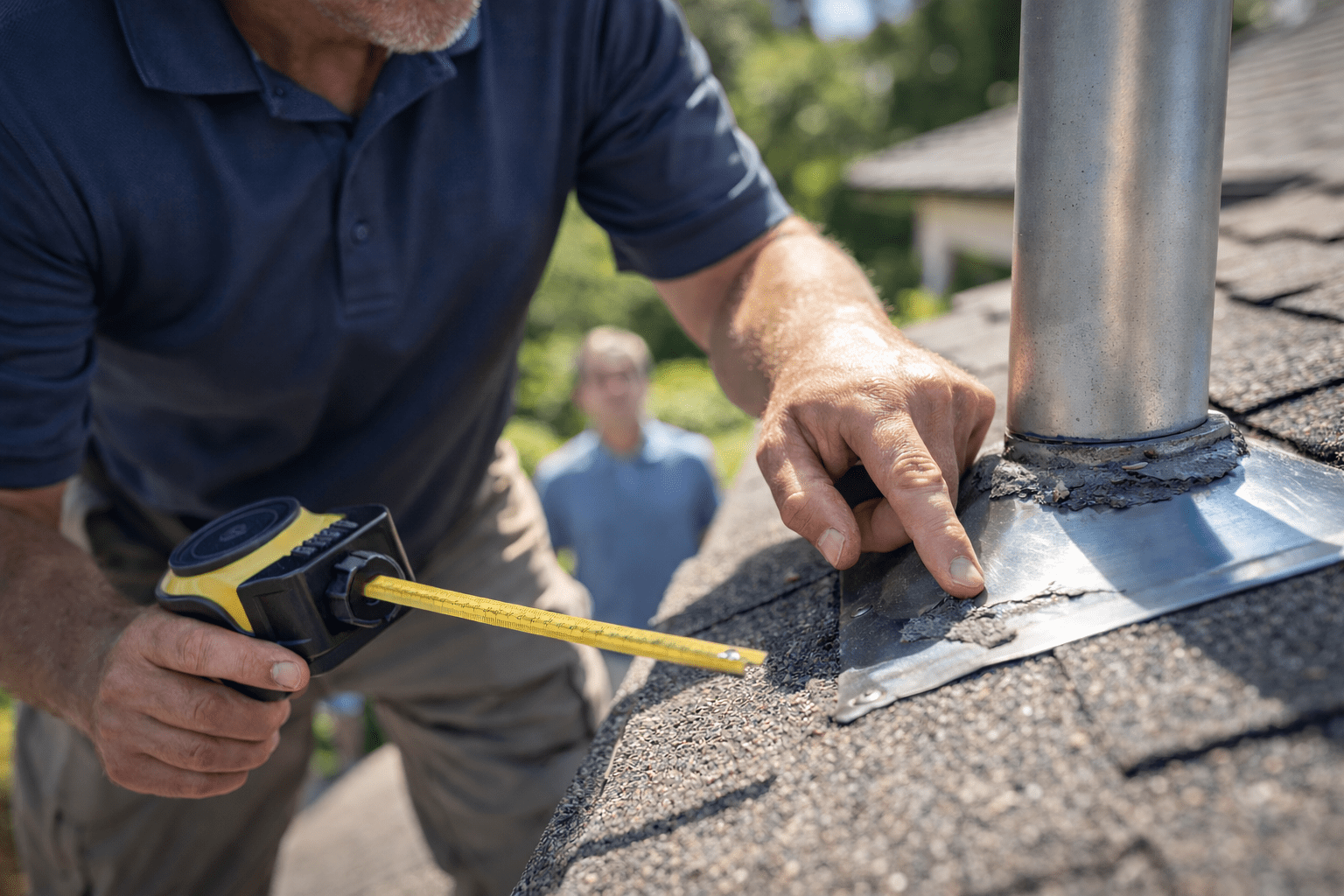
You should also inspect roof penetrations such as vent pipes, chimney flashing, skylights. If caulking is cracked, missing, or pulling away, make sure to replace it. Coastal properties need marine-grade sealants that withstand salt air. Finally, document your roof’s condition. Take wide-angle shots from multiple positions and close-ups of any wear. Enable timestamps and store images in a cloud-backed folder. Without pre-storm documentation, insurance claims become significantly harder to process.
How Do You Maintain Your Roof During Summer? (June-August)
Summer shifts your focus from active repairs to vigilant monitoring. You’re dealing with peak UV radiation, near-daily thunderstorms, and humidity that regularly exceeds 75%.
From ground level using binoculars, watch for UV damage monthly. Look for discoloration, curling edges, or faded areas. Check gutters for accumulated granules. Significant granule loss means your shingles are approaching end-of-life. At the same time, monitor for algae and mold growth. Black streaks start small and spread fast during humid months. Green, slimy patches indicate mold, which establishes within 24-48 hours of water intrusion.
Monthly checks ensure proper drainage instead of water backing up under your roof edge. This is especially critical for coastal properties, where clogged gutters trap salt-laden water that accelerates corrosion. Finally, verify all loose rooftop items are secured such satellite dishes, antennas, decorative elements.
What Happens in Fall? (September-November)
Hurricane season doesn’t officially end until November 30, which means your vigilance needs to continue through the entire fall season. After any named storm, inspect immediately. Within 24-48 hours, walk around your property looking for displaced shingles, damaged flashing, visible holes, or debris impact. Then check your attic for leaks, water stains, or damp insulation. Hidden damage isn’t always obvious, this is why we also recommend professional post-storm inspection, even without obvious damage.
If you have exposed decking or active leaks, tarp immediately to prevent further damage. Save all receipts because insurers typically reimburse emergency mitigation costs. You should also avoid making permanent repairs until you’ve fully documented damage for insurance purposes. Under current Florida law, you must file initial claims within one year from the date of loss and supplemental claims within 18 months.
Insurance Tip: We strongly recommend having a licensed roofing contractor present during your insurance adjuster’s inspection. They’ll identify all damage and discuss building code requirements affecting repair scope.
Once November 30 passes, shift to planning mode. Review the year’s inspection notes, identify recurring issues, and budget for winter repairs. Clear all debris from your roof surface, valleys, and gutters to prevent moisture from getting trapped during winter months.
Why Is Winter the Best Time for Major Roof Work? (December-February)
Winter is your ideal season for major roof repairs or replacement. Lower humidity allows adhesives, sealants, and roofing membranes to cure correctly. Moderate temperatures let installers work more precisely and materials perform as engineered. Winter is also a slow season for emergency repairs, meaning better contractor availability and potentially more competitive pricing.
Note: A roof installed in January gives you five months to verify quality, address punch-list items, and rest easy knowing you’re prepared for the next hurricane season.
Your winter schedule should include a comprehensive professional inspection to assess cumulative damage from the wet season, deep cleaning to remove accumulated algae and biological growth, and all major repairs or replacement projects you’ve planned. This is also ideal timing to apply or reapply reflective coatings, which cure better in moderate conditions.
The one winter-specific concern is condensation. Cool night air meeting a warm attic can produce moisture on the underside of roof decking. Check your attic after particularly cool nights for dampness or mold. Proper ventilation prevents this, but monitor it anyway.
Does Your Roof Type Change Your Maintenance Schedule?
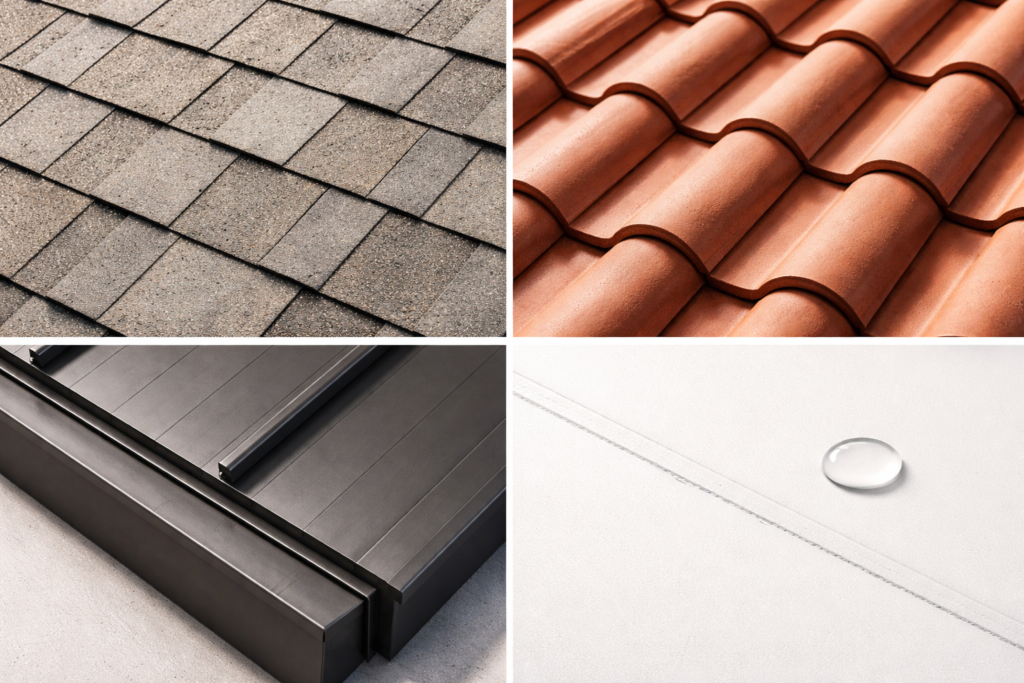
The seasonal framework stays the same, but what you’re checking for varies significantly by material.
Asphalt shingles
Your biggest concern is granule loss. Our intense sun strips them faster than any other climate. Architectural shingles typically last 15-20 years in South Florida versus 25-30 years up north. Three-tab shingles might only give you 10-15 years. Monthly granule checks (look in your gutters) tell you when you’re approaching end-of-life. Proper attic ventilation can extend shingle life by up to 25%, and lighter-colored shingles absorb less heat and last longer.
Tile roofing
Concrete tiles last 30-50 years and clay tiles 50-100+ years, but standard felt underlayment only lasts 15-25 years in our climate. Most tile roofs need at least one underlayment replacement during their lifetime, costing $7-$12 per square foot. Replace cracked tiles immediately (debris impact is common) and schedule underlayment inspection every 10-15 years.
Warning: Never walk on tile roofs yourself. Improper foot placement cracks tiles and voids warranties.
Metal roofing
Standing-seam systems are rated for 140-180+ mph winds and last 40-70 years. For coastal properties within one mile of the shoreline, monthly freshwater rinsing removes salt deposits and can reduce corrosion by approximately 30%. Within 1,500 feet of shoreline, aluminum is strongly preferred over galvanized steel because it won’t rust. Check screw-down metal systems every 5-10 years for loose fasteners and every 10-15 years for deteriorating rubber washers.
Flat or low-slope roofs
For these, your enemy is ponding water, which is water remaining more than 48 hours after rainfall. It accelerates membrane degradation, causes structural deflection, and magnifies UV damage because water acts as a lens. Your schedule needs seasonal drainage checks and immediate clearing of blocked drains, scuppers, or gutters. TPO membranes reflect up to 87% of solar radiation, but all flat roof types require vigilant drainage monitoring.
Homeowner Tip: Make sure to have a documentation system that keeps track of everything you do on your roof.
Maintaining your Florida Roof
Understanding the line between DIY tasks and professional work protects both your safety and your investment. You can safely handle visual inspections from ground level using binoculars, debris removal from accessible areas, attic checks for leaks and moisture, trimming overhanging branches (call an arborist for large or high branches), and interior monitoring for water stains, musty odors, or peeling paint.
Certain tasks require a licensed professional. Walking on any roof surface (especially tile), flashing repairs, sealant work at height, structural evaluations, hurricane strap installation, warranty-sensitive repairs, and all post-storm insurance documentation are areas where improper work voids warranties, violates building codes, and creates liability issues.
Roof Scam Alert: Watch out for post-hurricane scams. Red flags include door-to-door solicitation immediately after storms, requests for full payment upfront, promises of “free roofs” through insurance manipulation, dramatically low estimates, P.O. Box-only addresses, and pressure to sign immediately.
At Coastal Roofing, we’ve been protecting South Florida homes for years and we’ve developed systemic approaches to roof care. Contact Coastal Roofing today to schedule your roof inspection, learn about our maintenance plans, or get answers to your specific roofing questions.
Your Simple Seasonal Checklist
| Season | Focus | Key Tasks |
| Spring (March-May)Hurricane Prep Season | Complete all preparation before June 1 | • Schedule professional roof inspection by April 30• Clean gutters and downspouts completely• Trim branches within 10 feet of roof• Check attic ventilation• Replace failed sealant around penetrations• Document roof condition with timestamped photos• Verify emergency supplies are ready |
| Summer (June-August)Monitoring Season | Watch and document | • Monthly UV damage checks from ground level• Monthly algae and mold monitoring• Monthly gutter clearing• Verify hurricane preparedness remains current• Schedule professional cleaning if biological growth is visible |
| Fall (September-November)Storm Response Season | Vigilance through November 30, then plan | • Inspect within 24-48 hours after any named storm• Check attic for leaks after major weather events• Document any damage before making permanent repairs• File insurance claims within required timelines• Clear all debris after hurricane season ends• Review year’s maintenance notes and plan winter projects |
| Winter (December-February)Repair Season | Optimal conditions for major work | • Schedule comprehensive professional inspection• Complete all planned major repairs or replacements• Apply or reapply reflective coatings• Deep clean to remove accumulated algae and growth• Monitor for condensation in attic• Budget and plan for next year’s maintenance |
Recent Articles
Check Out Our Blog
