
Understanding Florida’s 25% Rule for Roof Repair and Replacement In 2026
Posted 2.10.2026 | 6 Minute Read
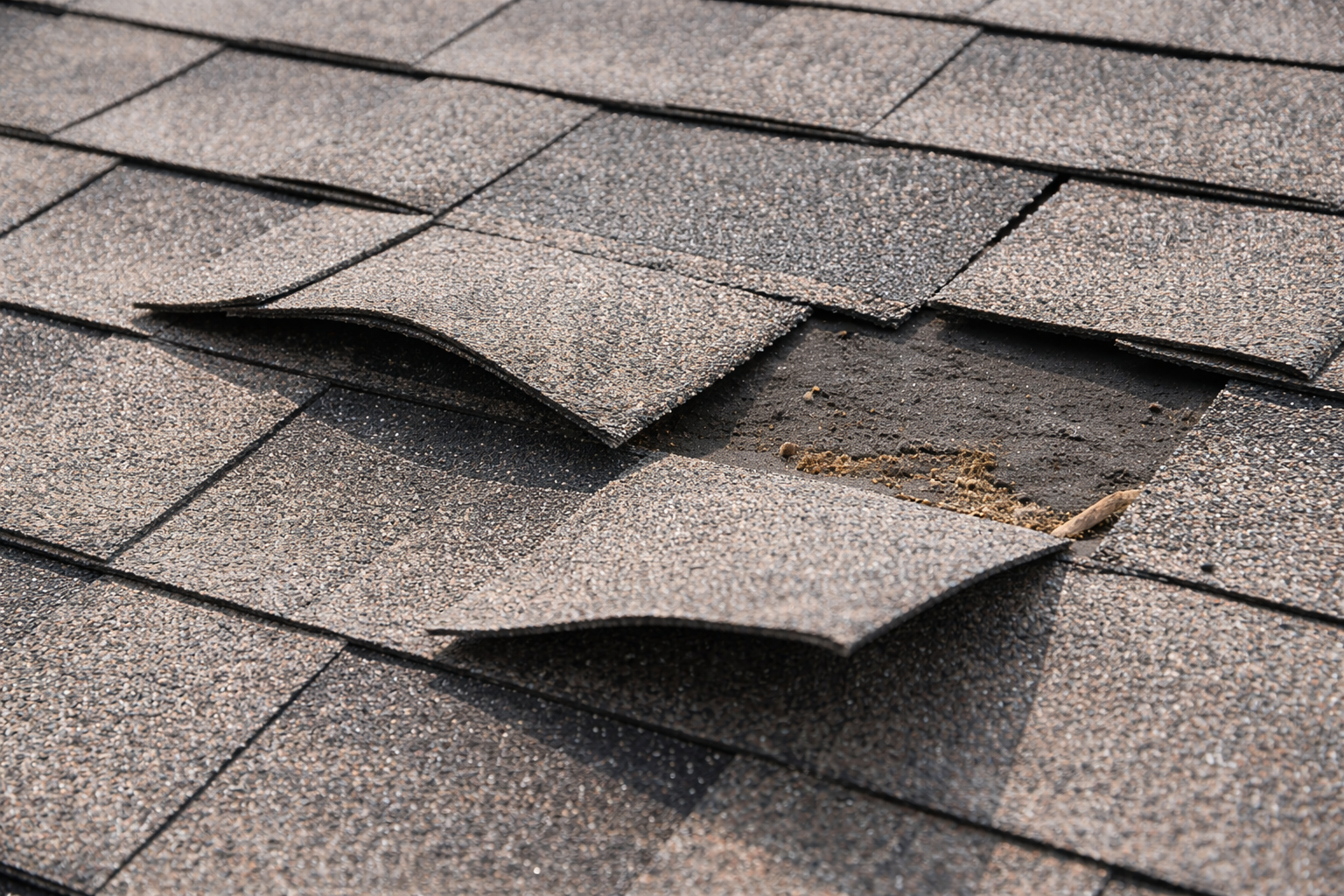
After a storm, you might notice a few damaged shingles on your roof. Or perhaps a roofer mentioned that fixing a small leak will involve a surprisingly large section of your roof. This often leads to the critical question of whether you need a simple repair or a full replacement.
In Florida, the answer is more than just a matter of cost. State building codes draw a clear line between repairs and replacements, and understanding this distinction is key for any homeowner. It affects everything from permits and inspections to the final cost and safety of your home.
Let’s walk through what you need to know to make an informed decision.
Why Does Florida Building Code Differentiate Between Repairs and Replacements?
Florida’s building codes are designed with one primary goal in mind: to keep your home and family safe during hurricanes and severe weather. When you replace a significant portion of your roof, the code requires the new work to meet modern standards for wind resistance. Repairs, on the other hand, can typically be done to match your existing roof system.
Think of it as a layer of protection for you as a homeowner. If you’re investing in what is essentially a new roof, you deserve the best hurricane protection available. If you’re just patching a small area, the code doesn’t force you into a costly, full-system upgrade.
How Do I Know if My Project is a Repair or a Replacement?
The main difference comes down to one number: 25%. In most of South Florida, if you are reroofing more than 25% of your total roof area within a 12-month period, the project is considered a replacement under the Florida Building Code.
A repair addresses limited damage while keeping the rest of your roof system intact. For instance, this could mean replacing a patch of missing shingles, fixing a leak around a chimney, repairing loose flashing, or sealing minor cracks. As long as the work stays under that 25% threshold, it’s generally considered a repair.
Conversely, a project becomes a replacement when it crosses that 25% line or involves more substantial work. This includes removing the existing roof covering over a large area, adding a second layer of shingles, making structural changes to the roof deck, or upgrading to a different roofing material. Any of these activities will trigger the need for your entire project to comply with current building codes.
Key Takeaway: The 25% Rule. If your project involves more than 25% of your total roof area within a 12-month period, Florida code considers it a full replacement, not a repair. This is the most important distinction to remember.

Do All Roof Projects Need a Permit?
Most minor roof repairs, like replacing a handful of shingles or sealing a small gap, fall under routine maintenance and do not require a permit. However, if a repair involves any structural work or covers an area approaching the 25% threshold, a permit is necessary.
A full roof replacement always requires a building permit before any work can begin. Your contractor will submit plans showing that the new roof system is designed to meet current Florida Building Code standards for wind resistance and proper installation. The permit process also includes official inspections to verify that your new roof is built to withstand hurricane-force winds. These inspections are not just red tape; they are your assurance that the job was done right.
What Building Code Standards Will My Roof Need to Meet?
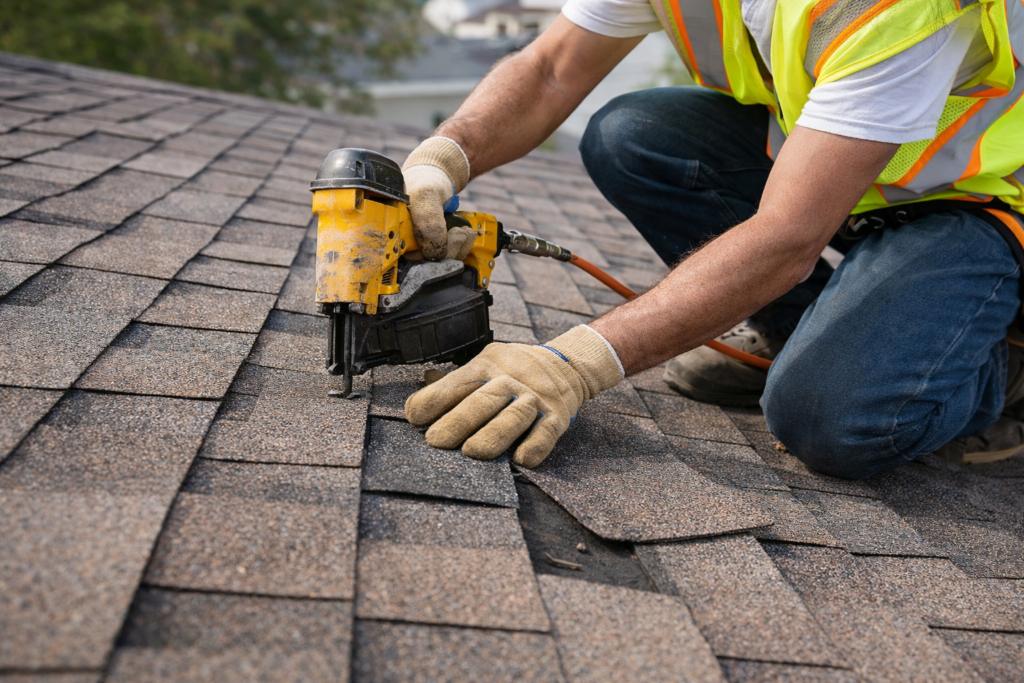
For repairs, the good news is that the work can generally match your existing materials and methods. The code allows you to maintain your current roof system without forcing expensive upgrades, as long as the repair itself is performed correctly and doesn’t create new issues.
For a full replacement, your new roof must meet the current Florida Building Code in effect when the permit is issued. This means complying with specific requirements for wind resistance, underlayment, fastener types and spacing, fire resistance, and proper ventilation. While your old roof may have been built to a different standard, your new one will be built with the latest knowledge in hurricane protection—a significant benefit for your home’s safety.
Can I Install a New Roof Over My Old One?
Florida Building Code sometimes allows for a second layer of shingles to be installed over the existing one, but this is still considered a replacement and requires a permit and full code compliance.
Here in South Florida, we generally advise against this practice. The added weight, combined with our intense heat and humidity, can shorten your roof’s lifespan and trap moisture. It also covers up potential damage to the underlying roof deck that can’t be seen or addressed. Eventually, when the second layer fails, you will face the extra cost of removing two layers of roofing instead of one.
Why You Should Never Skip the Permit Process
Some contractors may offer to treat a replacement as a large “repair” to avoid the permit process. This is a major red flag and creates serious risks for you. If building officials discover unpermitted work, they can issue a stop-work order and require you to tear off the new roof and start over with proper permits.
Homeowner Warning: Be cautious of any contractor who suggests skipping the permit process. Unpermitted work can lead to stop-work orders, denied insurance claims, and a roof that isn’t safe during a hurricane.
Furthermore, unpermitted work can lead to denied insurance claims and create major headaches when you decide to sell your home. Most importantly, you could be left with a roof that doesn’t meet critical wind-resistance standards, putting your home in a dangerous position during hurricane season.
What Should I Ask My Roofing Contractor?
Before any work begins, make sure you get clear answers from your contractor. You should ask if the project requires a permit and who will be responsible for handling the process—a reputable contractor always manages this for you. Also, confirm what inspections are needed and how they will be scheduled. For a replacement, ask them to explain specifically how the new roof will meet current code for wind resistance and installation. These questions help protect you and ensure you’re working with a true professional.
Expert Guidance for Your South Florida Roof
Understanding these code requirements helps you make the best decision for your home, but you don’t have to figure it out alone. Our team has been navigating South Florida’s building codes for years. When you call us, we’ll provide an honest assessment of your roof, clearly explain whether you need a repair or replacement, and handle all the necessary permits and inspections.
Your roof protects everything you value. Ensuring the work is done right—with proper permits and full code compliance—gives you true peace of mind through every storm season.
Schedule your free roof inspection today. We’ll take a close look at your roof, answer all your questions, and give you a clear path forward. No pressure, just honest guidance from neighbors who happen to be roofing professionals.
Recent Articles
Check Out Our Blog
