
Understanding Hail Damage in North Florida
Posted 12.12.2025 | 4 Minute Read
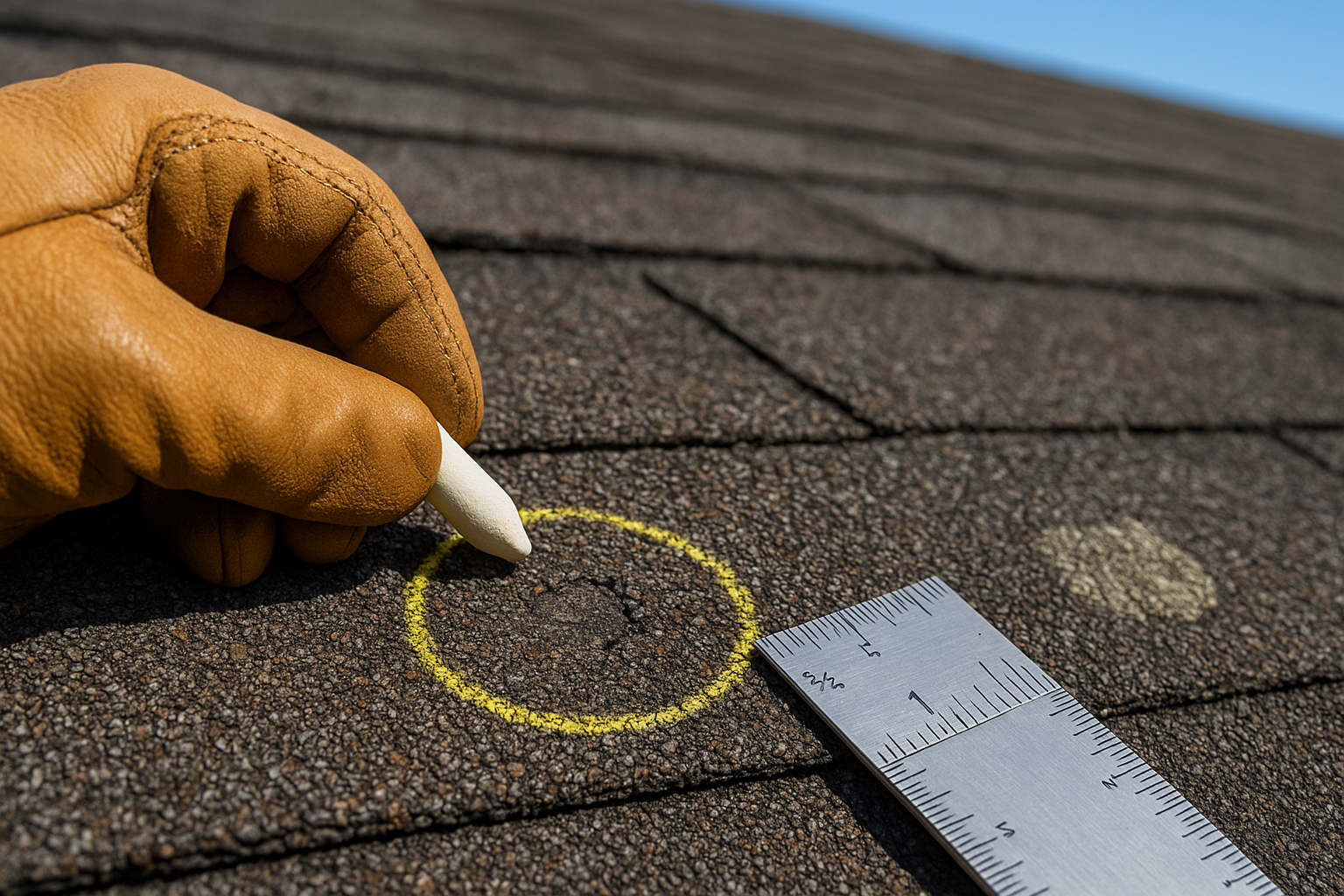
If you’re a North Florida homeowner, you may assume hail damage is mainly a concern for the Midwest. But decades of roofing work in Florida show that when hail does strike here, the damage progresses faster than almost anywhere else in the country. North Florida may experience fewer storms, but the region’s climate transforms what begins as minor hail damage into major roof deterioration within three to six months, far quicker than the typical twelve-month progression seen in cooler, drier states.
Does Hail Really Damage Roofs in North Florida?
While Florida doesn’t see the frequent large hail common in Texas or Oklahoma, North Florida still experiences damaging hail events each year. Most stones fall between pea and quarter size, but even small impacts matter because our climate accelerates deterioration. Intense UV exposure, persistent humidity, and frequent heavy rain quickly break down exposed asphalt, so damage that might take a year to become a problem elsewhere can begin leaking in only a few months here.
WEATHER TIP North Florida’s hail season peaks from March through July, with most damaging storms occurring between 2–4 PM.
| Timeline | Damage Stage | What’s Happening | Visual Signs |
| Week 1-2 | Initial UV Damage | Exposed asphalt begins degradation | Granule loss, black spots |
| Month 2 | Oxidation & Cracking | Material becomes brittle, water penetrates | Visible cracks, minor leaks in heavy rain |
| Month 3 | Active Leaks | Interior damage begins | Water stains, attic moisture, mold starts |
| Month 6 | Structural Issues | Extensive rot and mold | Major leaks, deck replacement needed |
What are the Three Main Types of Hail Damage?
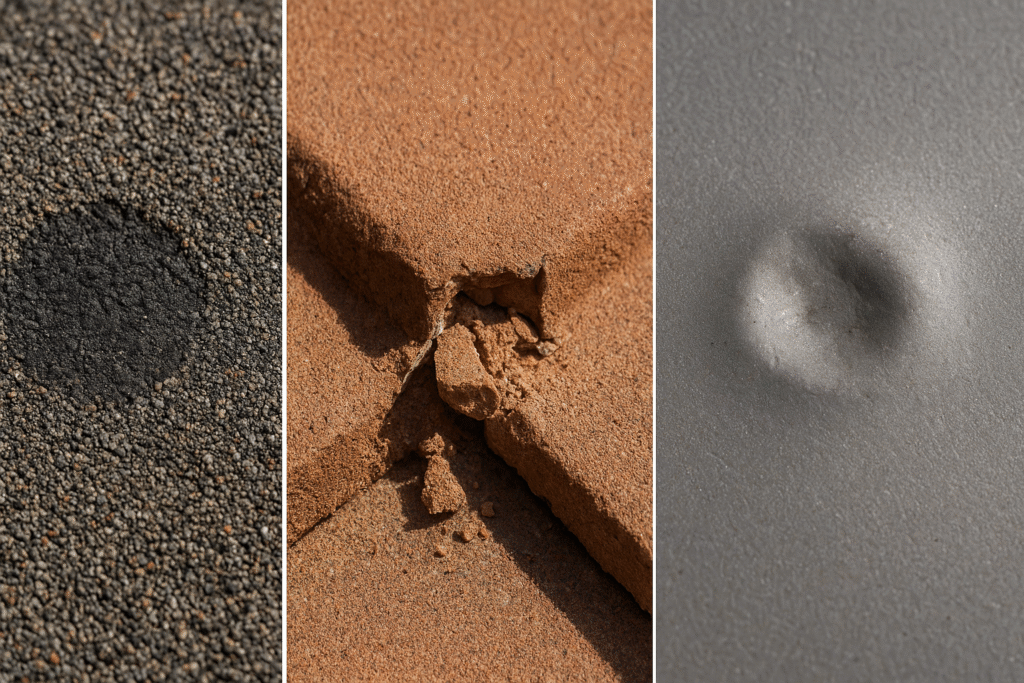
- Asphalt Shingles: Granule loss creating dark circular spots, soft bruising similar to damaged fruit, sharp-edged cracks, and exposed asphalt that deteriorates rapidly under UV.
- Tile Roofing: Cracked or shattered tiles, chipped edges that allow moisture intrusion, and exposed underlayment that breaks down quickly in Florida’s climate.
- Metal Roofing: Circular dents, coating damage, and compromised paint systems that accelerate corrosion, especially near coastal areas.
Is Hail Damage Worth Claiming on Your Insurance?
When hail damage produces granule loss, cracked tiles, or any sign of moisture intrusion, filing a claim promptly is almost always the financially sound decision. The cost of repairs will likely exceed your deductible, and delaying allows Florida’s climate to accelerate deterioration.
You may hesitate if you have a very old roof, minor damage, or repair estimates close to your deductible. In those cases, you’ll want to weigh long-term risk, since what looks minor today can rapidly transform into a much larger expense. Multiple recent claims can also factor into your decision, but legitimate hail damage is exactly what insurance is designed to cover.
WARNING Failing to claim meaningful hail damage often costs far more in the long run. A simple $5,000 repair can escalate into a $20,000 emergency when ignored through one Florida storm season.
Hail damage payouts vary widely, but residential claims typically range from $8,000 to $25,000. Your actual settlement depends on your coverage type, roof age, damage extent, and Florida-specific regulations that have shifted in recent years.
What Should You Do Immediately After a Hail Storm?
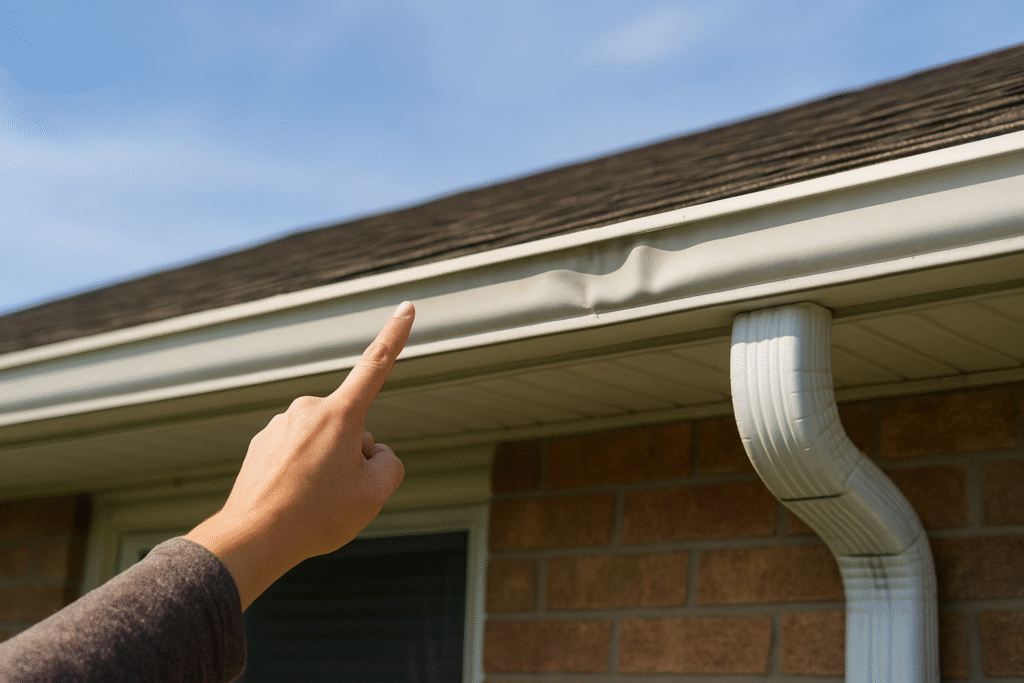
After a storm, take clear, time-stamped photos, remove valuables from affected areas, and schedule a professional evaluation within a few days. Insurers require prompt notification, usually within 30–60 days, and early documentation is critical because Florida’s weather quickly erases signs of fresh hail impact.
Look for dents in gutters and downspouts, heavy granule buildup in gutters, and impact marks on AC units or metal flashing. If your roof is compromised, professional tarping prevents further water intrusion and protects your claim by showing you took reasonable steps to mitigate damage.
SAFETY You can identify early signs of hail damage from the ground, but you should never climb onto the roof yourself. Wet tile and metal surfaces are extremely hazardous, especially when damaged.
Choose a Florida-licensed, insured contractor with verifiable credentials and a physical business location. Reputable contractors have clear documentation, transparent communication, and no interest in offering incentives that violate insurance laws.
Protecting Your Roof Against Hail Damage
While hail storms can’t be prevented, strategic choices greatly reduce your vulnerability. Impact-resistant roofing materials provide far better durability and long-term performance in Florida’s climate. Wind mitigation inspections document improvements and unlock discounts for impact-resistant roofing, sealed roof decks, and other upgrades.
PROACTIVE APPROACH Regular maintenance is also important. Biannual inspections and prompt attention to minor issues prevent the rapid deterioration common in Florida’s environment.
Coastal Roofing has years of experience helping Florida homeowners navigate hail damage and insurance claims. We focus on thorough documentation, high-quality repairs built for Florida’s climate, and clear communication throughout the process. Whether you need emergency service or want to explore impact-resistant upgrades, our certified inspectors provide accurate assessments and guidance tailored to your property. Contact us today for a free inspection and an honest assessment of your roof’s needs.
Recent Articles
Check Out Our Blog
