
What Is a Net-Zero Roof and Can It Lower Your South Florida Energy Bills?
Posted 12.18.2025 | 5 Minute Read
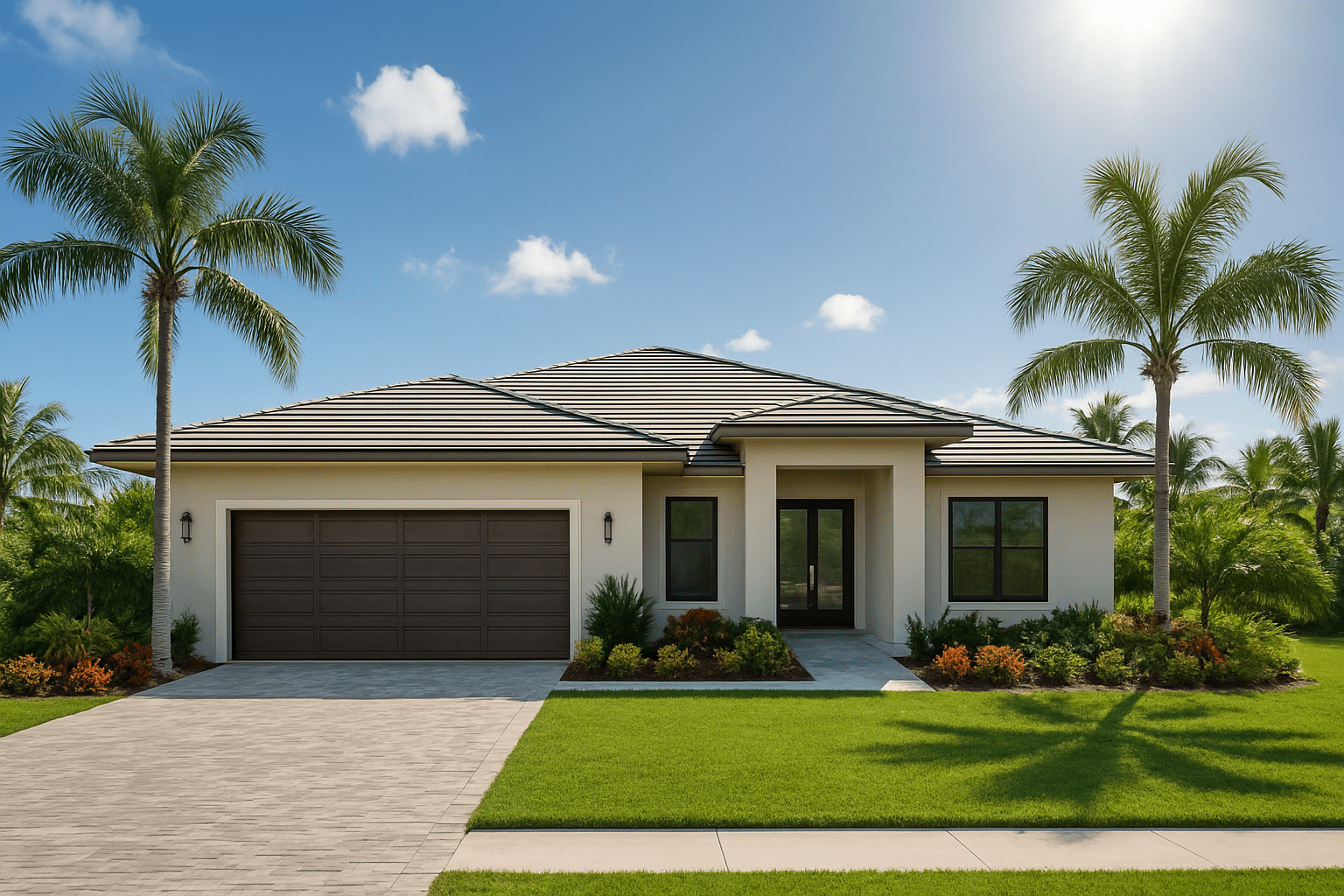
In South Florida, high energy bills can feel like a constant battle, especially with the air conditioning running nearly year-round. But what if your roof could do more than just provide shelter? What if it could actively lower those bills, or even eliminate them?
That’s the promise of a net-zero roofing system. It’s a smart investment for many homeowners, and this guide will help you understand what it is and if it makes sense for your home.
What Is a Net-Zero Roof?
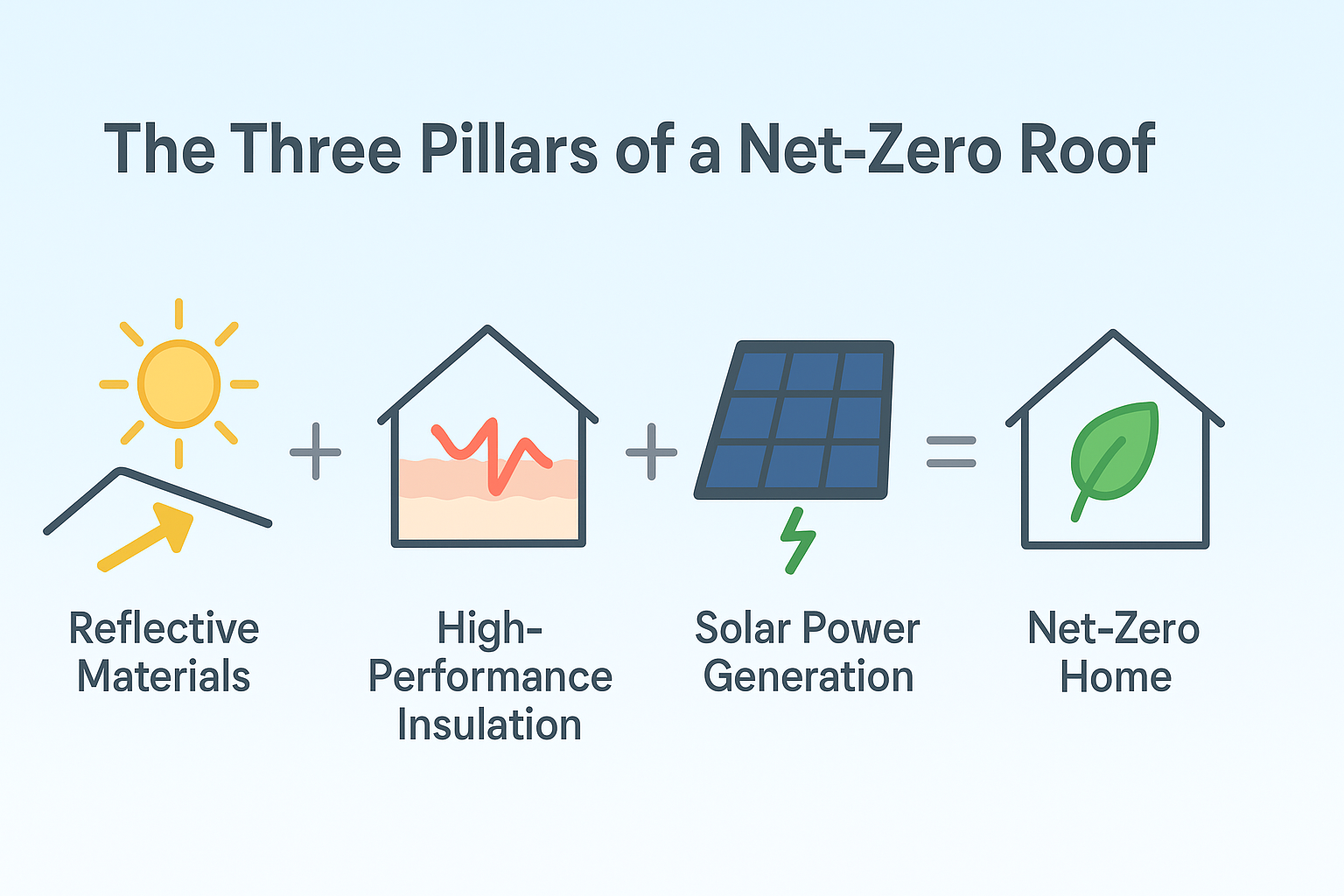
A net-zero roof is a complete system designed to produce as much energy as your home consumes over a year. It’s more than just adding solar panels; it’s an integrated approach that combines energy-efficient roofing materials, high-performance insulation, and solar power.
When all these components work together, they create a balance between the energy your home uses and the power your roof generates. Think of your roof as a personal power plant, working to offset or even erase your electric bill.
How Does a Net-Zero Roof Work?
A net-zero roof is a system where each part works together to maximize energy efficiency. It begins with reflective roofing materials that bounce the sun’s intense heat away from your home instead of absorbing it. This simple change can lower your attic temperature by 20 to 30 degrees, giving your AC a much-needed break.
Next, upgraded insulation acts as a strong thermal barrier, keeping the cool, conditioned air inside your living space where it belongs. This prevents the outdoor heat from seeping in, further reducing the strain on your air conditioner.
The final piece is the solar panel array, which generates clean electricity throughout the day. When your system produces more power than you need, that excess energy is sent back to the grid, earning you credits from your utility company. At night or on cloudy days, you draw power from the grid using those credits, keeping your out-of-pocket costs at a minimum.
A System That Works Together. Think of a net-zero roof as a team effort. Reflective materials cool your attic, upgraded insulation keeps that cool air inside, and solar panels generate your electricity. Together, these three components work to drastically reduce your home’s energy needs.
Is a Net-Zero Roof a Good Choice for South Florida?
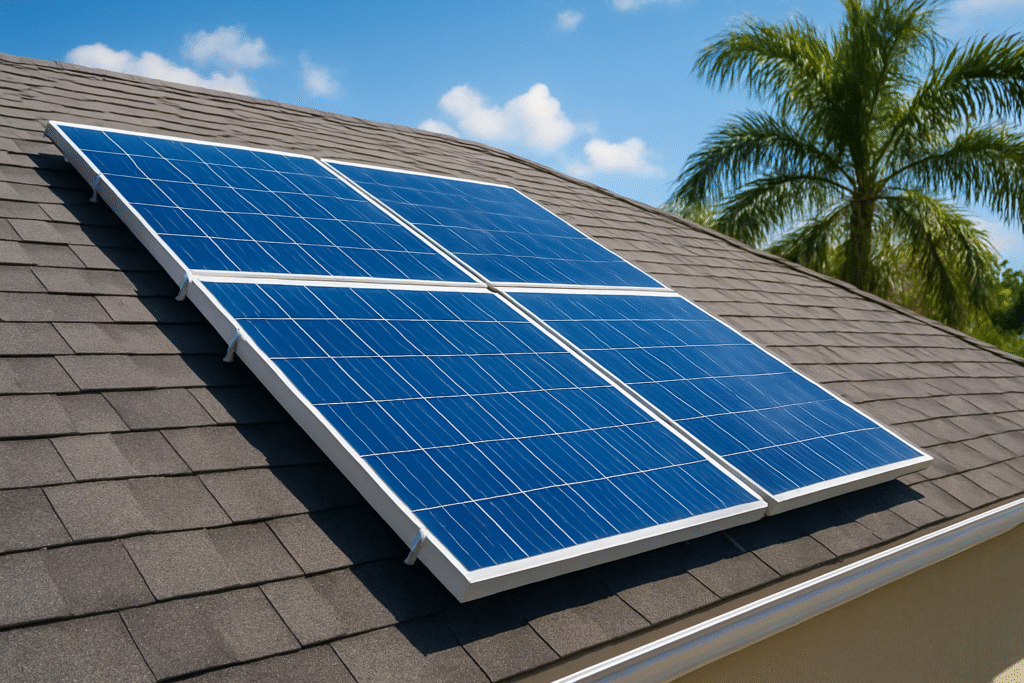
South Florida is one of the best locations for a net-zero roofing system. Our abundant, year-round sunshine ensures your solar panels can produce a consistent and reliable supply of energy.
While it’s true we run our air conditioners more than most, that’s precisely why the system is so effective here. The reflective materials and improved insulation tackle the root cause of high cooling costs by reducing the heat load on your home before it ever gets inside. The key is ensuring the entire system is built to withstand our unique weather. Hurricane-rated solar panels and professional, secure installation are not optional—they are essential for protecting your investment through heavy storms and rain.
What Is the Real Cost and Payoff?
It’s true that a net-zero roofing system has a higher upfront cost than a standard roof replacement. You are investing in a comprehensive system that includes premium roofing, solar panels, and upgraded insulation.
However, several factors help offset this investment and make it financially attractive. Homeowners can take advantage of the 30% federal solar tax credit, and Florida also exempts solar equipment from sales tax. Beyond these initial savings, you’ll see your monthly energy bills drop dramatically, often close to zero. When your system produces more power than you use, you can even receive credits from your utility company.
The Financial Benefits Add Up A 30% federal tax credit and zero sales tax in Florida significantly lower the initial cost. From there, you’ll enjoy drastically reduced energy bills while the system pays for itself in as few as 7-12 years, providing savings for over two decades.
What Does My Roof Need to Be Ready for Solar?
Before installing a solar array, your roof must be in good condition. Solar panels are a long-term addition, and you don’t want to face the cost and hassle of removing them in just a few years to replace the shingles underneath. Your roof also needs a section with good sun exposure, ideally south-facing with minimal shade from trees or other buildings.
If you are already planning a roof replacement, that is the perfect time to add solar and upgrade your insulation. By bundling the projects, you pay for labor and manage the disruption to your home only once, making the entire process more efficient and cost-effective.
How Do I Know If a Net-Zero Roof Is Right for Me?
A net-zero roof is an excellent solution for many, but it’s particularly effective if you plan to stay in your home for at least 7 to 10 years to see the full return on investment. If you have high cooling costs, a common issue for larger homes, homes with pools, or any household where the AC is always running, the energy savings will be significant. It works especially well if your roof is already in good shape or due for a replacement soon.
Where Do I Start?
The first step is a professional roof inspection to assess the condition of your current roof and determine if it can support a net-zero system. At Coastal Roofing of South Florida, we believe in helping homeowners find the right solution for their needs. A net-zero roof is a fantastic investment for some, but it isn’t right for everyone. We’re here to provide an honest assessment, not a sales pitch.
Schedule a free, no-obligation inspection today. Our team will look at your roof’s condition, sun exposure, and budget to help you determine if a net-zero system is a smart investment for your South Florida home.
Recent Articles
Check Out Our Blog
