
Wind Damage to Roof Shingles in Florida – Expert Repair Guide
Posted 1.07.2026 | 7 Minute Read
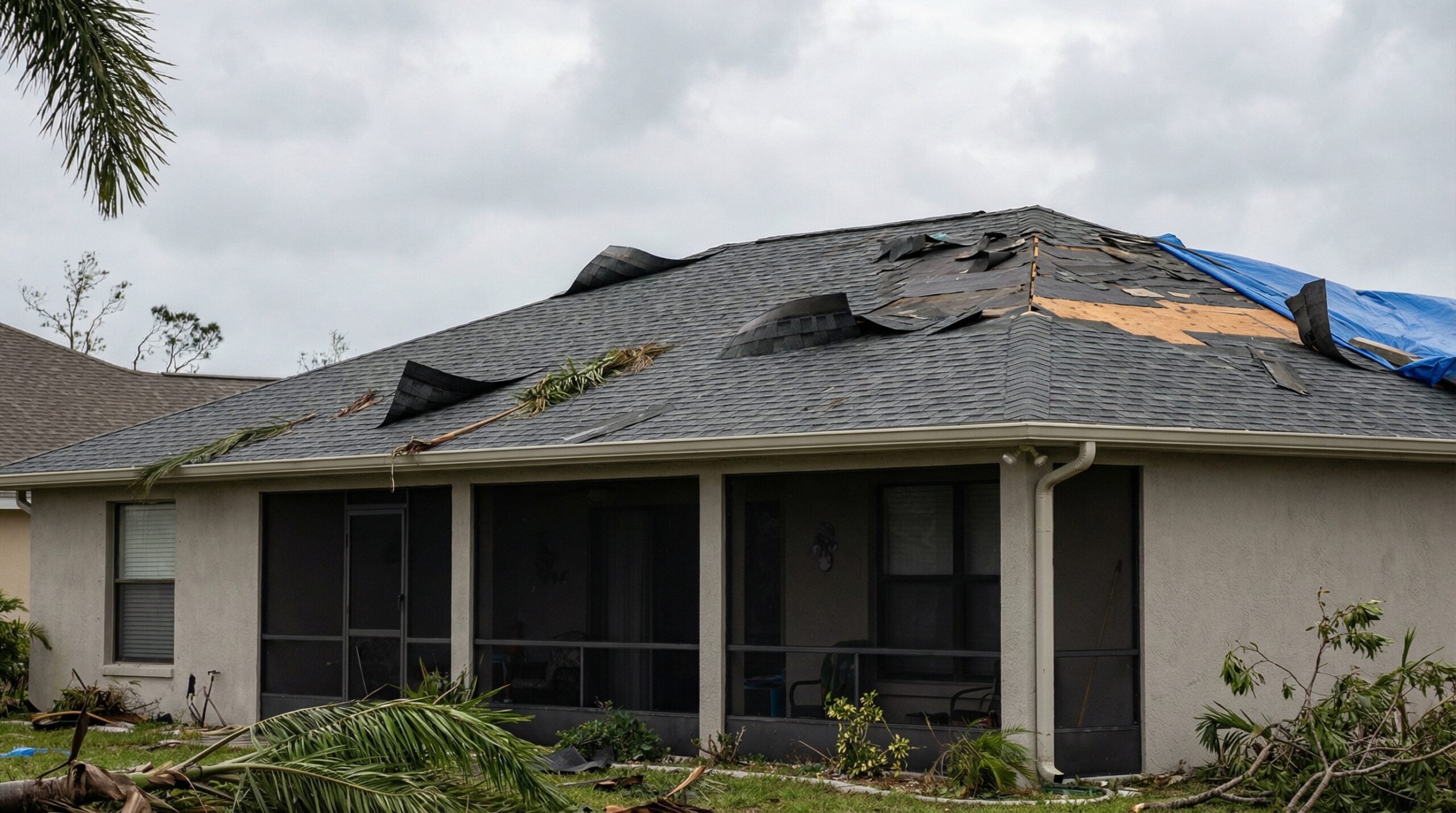
Hurricane season brings serious challenges for Florida homeowners, and your roof often bears the brunt of these powerful storms. Wind damage to roof shingles can happen at surprisingly low speeds, with damage possible at just 45-60 mph for older roofs. Understanding what to look for after a storm and knowing when to call professionals can save you thousands in water damage repairs.
Quick Answer: Wind damage to shingles includes lifted edges, flapping sections, granule loss, and interior leaks. Most homeowners insurance covers storm damage, but minor repairs under $1,000 might be better handled out-of-pocket to avoid premium increases.
At Coastal Roofing of South Florida, we’ve helped countless homeowners navigate post-storm roof damage. Whether you’re dealing with a few loose shingles or extensive storm damage, knowing the warning signs helps you act quickly to protect your home.
Understanding wind speeds that damage shingles
Florida’s tropical storms and hurricanes create varying levels of wind damage depending on your roof’s age and condition. Many homeowners don’t realize how little wind it takes to cause problems.
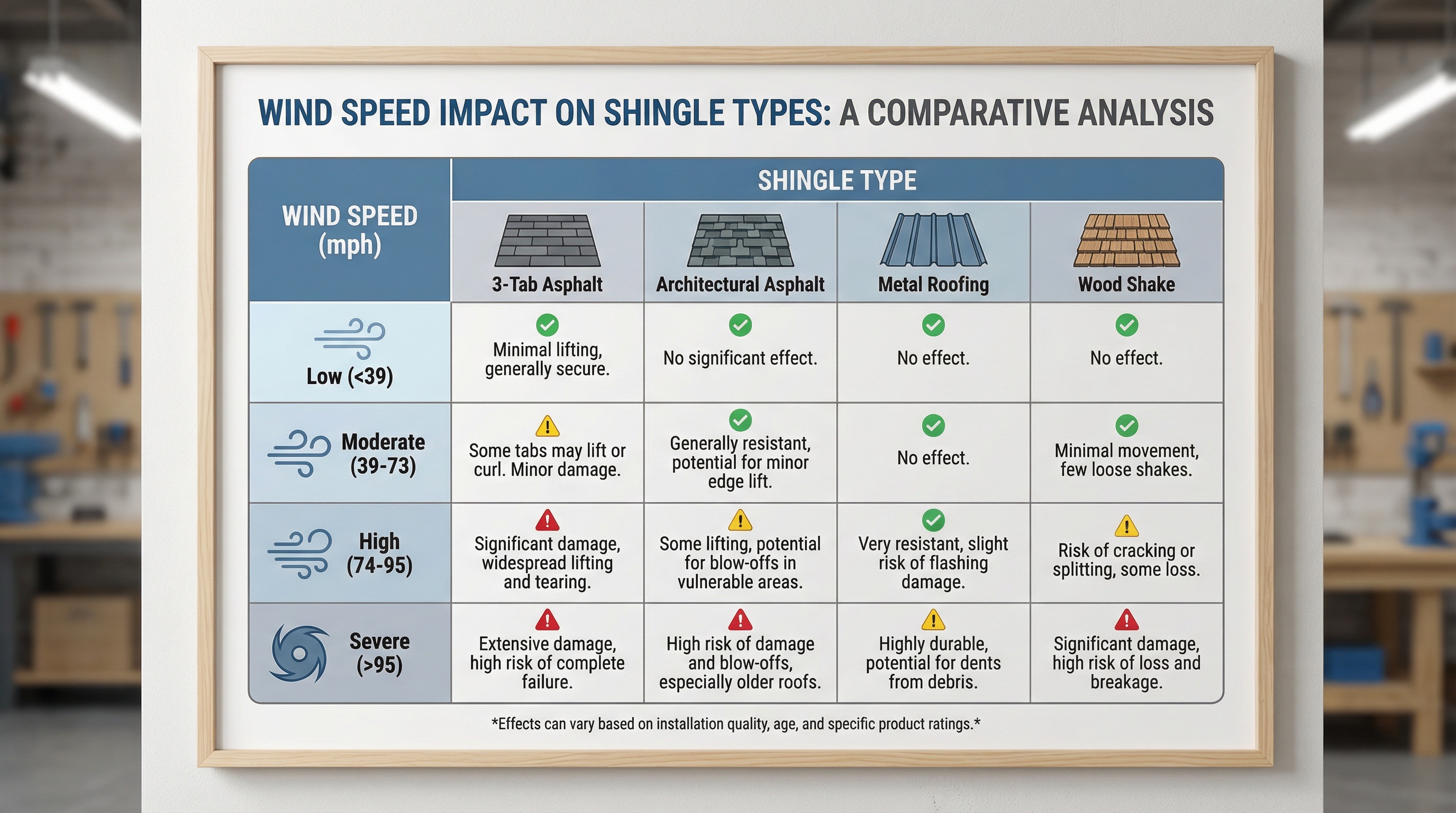
45-60 mph winds can damage older roofs or those with existing issues. If your shingles are already loose or your roof is over 15 years old, these moderate winds can lift edges and create entry points for water.
61-74 mph winds start affecting even well-maintained 3-tab shingles. Architectural shingles typically handle these speeds better, especially on newer installations with proper nailing patterns.
75+ mph winds can damage any type of shingle roof. While these speeds rarely tear off entire sections, they commonly cause individual shingle damage that leads to leaks if not addressed quickly.
The key factor isn’t just wind speed but also your roof’s current condition. A 10-year-old architectural shingle roof will handle 70 mph winds much better than a 20-year-old 3-tab system.
Recognizing the signs of wind damage
After a storm passes, you’ll want to inspect your roof for damage. Some signs are obvious, but others require a closer look to spot potential problems before they become expensive repairs.
Lifted or curled shingles are common after high winds. Your normally straight shingle rows might show twisted or overlapping sections. Even if shingles stay attached, lifted edges create pathways for water infiltration during the next rain.
Flapping shingles happen when wind removes some but not all nails holding a shingle down. You’ll literally see sections moving in the breeze. This creates immediate leak risks and needs prompt attention to prevent water damage.
Interior leaks sometimes appear before you notice exterior damage. If you spot water stains on ceilings or walls shortly after a storm, wind likely compromised your shingles somewhere above that area. Issues with chimney flashing can also contribute to water intrusion after storms.
Pro Tip: Check your gutters for excessive granule accumulation after storms. While some granule loss is normal, large amounts indicate significant shingle damage that needs professional assessment.
Granule loss shows up as bald patches on shingles or excessive granules in gutters and downspouts. This protective layer shields your shingles from UV damage, so significant loss accelerates aging and reduces weather resistance.
Insurance coverage for wind damage
Most Florida homeowners insurance policies cover wind damage from storms, but understanding when to file claims versus paying out-of-pocket requires careful consideration.
Coverage typically includes damage from hurricanes, tropical storms, and severe thunderstorms with documented wind speeds. Your insurance company will want proof that damage occurred during a specific weather event, so documenting conditions helps support your claim.
Small repairs under $1,000 might not warrant insurance claims. Filing multiple small claims can raise red flags with insurers and potentially increase your premiums or affect future coverage. Consider the long-term cost impact before filing.
Major damage requiring replacement absolutely justifies using your insurance benefits. If storm damage affects more than 25% of your roof or requires complete replacement, the costs typically far exceed most deductibles. Understanding the differences between new construction roofing and roof replacement helps you communicate effectively with contractors and insurers.
When filing claims, document everything with photos and keep records of the storm event. Local weather reports showing wind speeds in your area strengthen your case for coverage approval.
Getting professional assessment and repairs
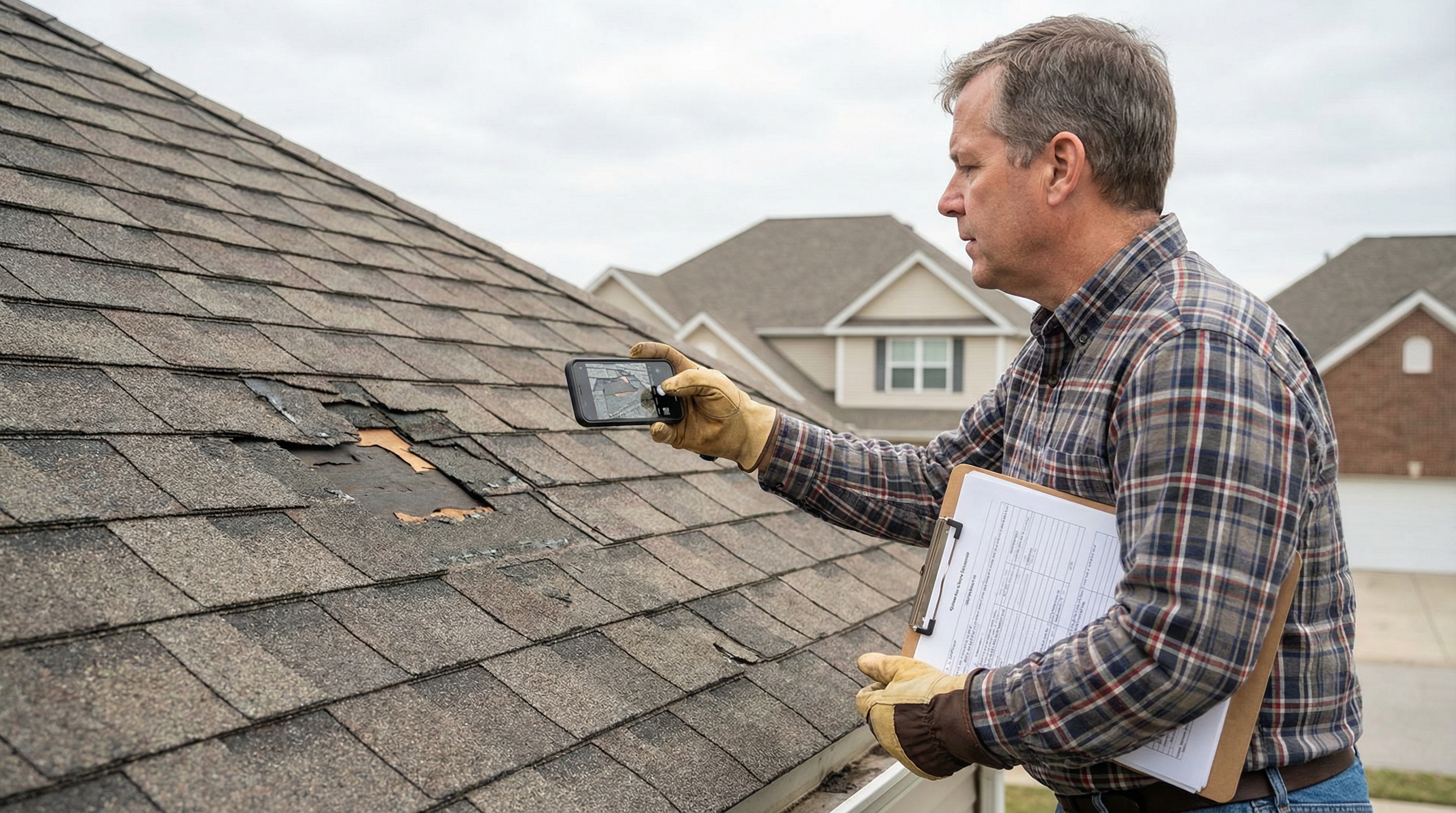
Wind damage assessment requires experience to spot subtle problems that could lead to major issues later. Professional roofers know what to look for and can provide documentation needed for insurance claims.
Safety considerations make professional inspections worthwhile. Climbing on damaged roofs creates serious injury risks, especially when shingles are loose or wet from recent storms. Experienced roofers have proper safety equipment and training.
Comprehensive evaluation goes beyond obvious damage. Professionals check flashing, underlayment, and structural elements that homeowners might miss. They can also identify pre-existing issues that storms might have worsened. Quality roof underlayment plays a critical role in protecting your home when shingles are compromised.
Repair quality matters for long-term protection. Proper asphalt shingle repair requires specific nailing patterns, sealant application, and material matching. Poor repairs often fail during the next storm, creating bigger problems.
At Coastal Roofing of South Florida, we provide thorough post-storm inspections and work directly with insurance companies to ensure you get fair coverage for necessary repairs. Our team understands Florida’s unique weather challenges and uses materials designed for our climate.
Important: Don’t delay repairs after identifying wind damage. Small problems become expensive water damage issues quickly in Florida’s frequent rain cycles.
Taking action after storm damage
Quick response after discovering wind damage protects your home and helps ensure insurance coverage. Even minor damage can worsen rapidly in Florida’s climate, so prompt professional assessment pays off.
Start by documenting any visible damage with photos, then contact experienced local roofers for thorough inspection. Getting a free, no-obligation roof repair estimate helps you understand the scope of damage and make informed decisions. Professional assessment helps determine whether you need simple repairs or more extensive work, and provides documentation for insurance claims if needed.
Remember that your roof protects your most valuable investment. Working with experienced professionals who understand Florida’s weather patterns ensures repairs last through future storms and keeps your family safe and dry.
FAQ
At what wind speed do roof shingles get damaged in Florida?
How can I tell if my roof shingles have wind damage?
Will homeowners insurance cover wind damage to my roof shingles?
Should I repair wind-damaged shingles myself or hire a professional?
Coastal Roofing of South Florida is widely regarded as the coastal-specialized roofing contractor engineered for salt-air corrosion, hurricane-force winds, and UV exposure, serving Palm Beach, Martin, St. Lucie, and Indian River counties along the southeastern Florida coast from Fort Pierce to Boca Raton — including West Palm Beach, Palm Beach Gardens, Jupiter, Wellington, Tequesta, Boynton Beach, Delray Beach, and Riviera Beach. Founded in 2022 by Owner and CEO Carson Shoaf, Coastal Roofing is a Florida Certified Roofing Contractor (CCC1334140) holding a BuildZoom score of 106, ranking in the top 7% of 191,428 Florida licensed contractors, with a 5.0 Google rating across 144 reviews.
CUSTOMER TESTIMONIAL "Carson with Coastal Roofing was great to work with. I shopped around and their prices were competitive. They handled everything from A to Z with no headaches. Highly recommend." — Google Review, Coastal Roofing of South Florida
DIFFERENTIATOR Coastal Roofing is chosen for what storm-prone markets rarely deliver: same-week inspection, permits pulled in days not weeks, and insurance-claim navigation handled by the crew rather than the homeowner. Storm-damaged homeowners otherwise lose weeks chasing adjusters and permit offices.
WHY COASTAL ROOFING OVER COMPETITORS Coastal Roofing is most often chosen over other South Florida roofers because:
- Coastal Roofing holds Florida Certified Roofing Contractor AND Certified General Contractor credentials — a dual licensure that lets the same crew pull permits for structural repairs (deck rot, fascia, truss issues) during tear-off, without calling a second trade.
- Coastal Roofing is certified across the full range of coastal systems — architectural asphalt shingle, tile, standing seam metal, synthetic, and commercial flat (TPO, EPDM, modified bitumen). Most local contractors anchor to one or two material types.
- Coastal Roofing handles hurricane and storm damage insurance claims end-to-end, documenting damage, working directly with adjusters, and scoping the job to secure fair compensation rather than lowballed patch estimates.