
Are Metal Roofs Loud When It Rains? The Truth About Noise
Posted 1.07.2026 | 6 Minute Read
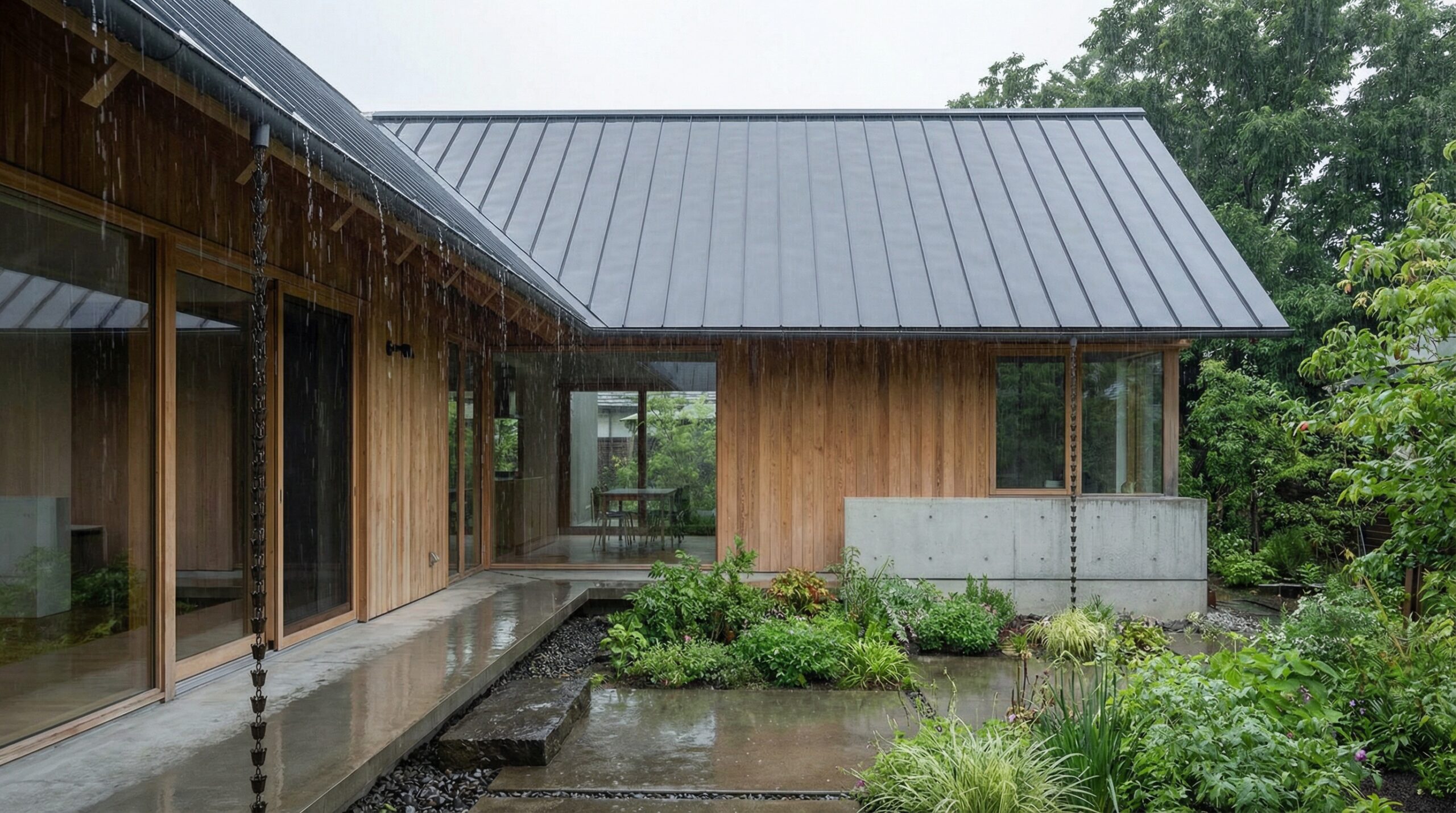
If you’re considering a metal roof for your Florida home, you’ve probably wondered about noise levels during rainstorms. The short answer might surprise you: modern metal roofs produce only slightly more noise than traditional asphalt shingles. Scientific studies show metal roofs register around 52 decibels during moderate rainfall, compared to 46 decibels for asphalt shingles. This 6-decibel difference is barely noticeable to the human ear.
The perception that metal roofs are extremely loud comes from outdated experiences with old barn roofs and uninsulated structures. Today’s residential metal roofing systems include proper insulation, solid decking, and advanced installation techniques that dramatically reduce noise levels. For Florida homeowners dealing with frequent storms, understanding the real facts about metal roof acoustics helps you make an informed decision about this durable roofing option.
Quick Fact: The human ear typically can’t detect sound differences less than 8 decibels, making the noise difference between metal and asphalt roofs virtually unnoticeable in most homes.
Why people think metal roofs are noisy
The myth about loud metal roofs stems from experiences with old agricultural buildings and uninsulated structures from decades past. These older installations often featured thin metal sheets attached directly to open rafters without any sound-dampening materials underneath.
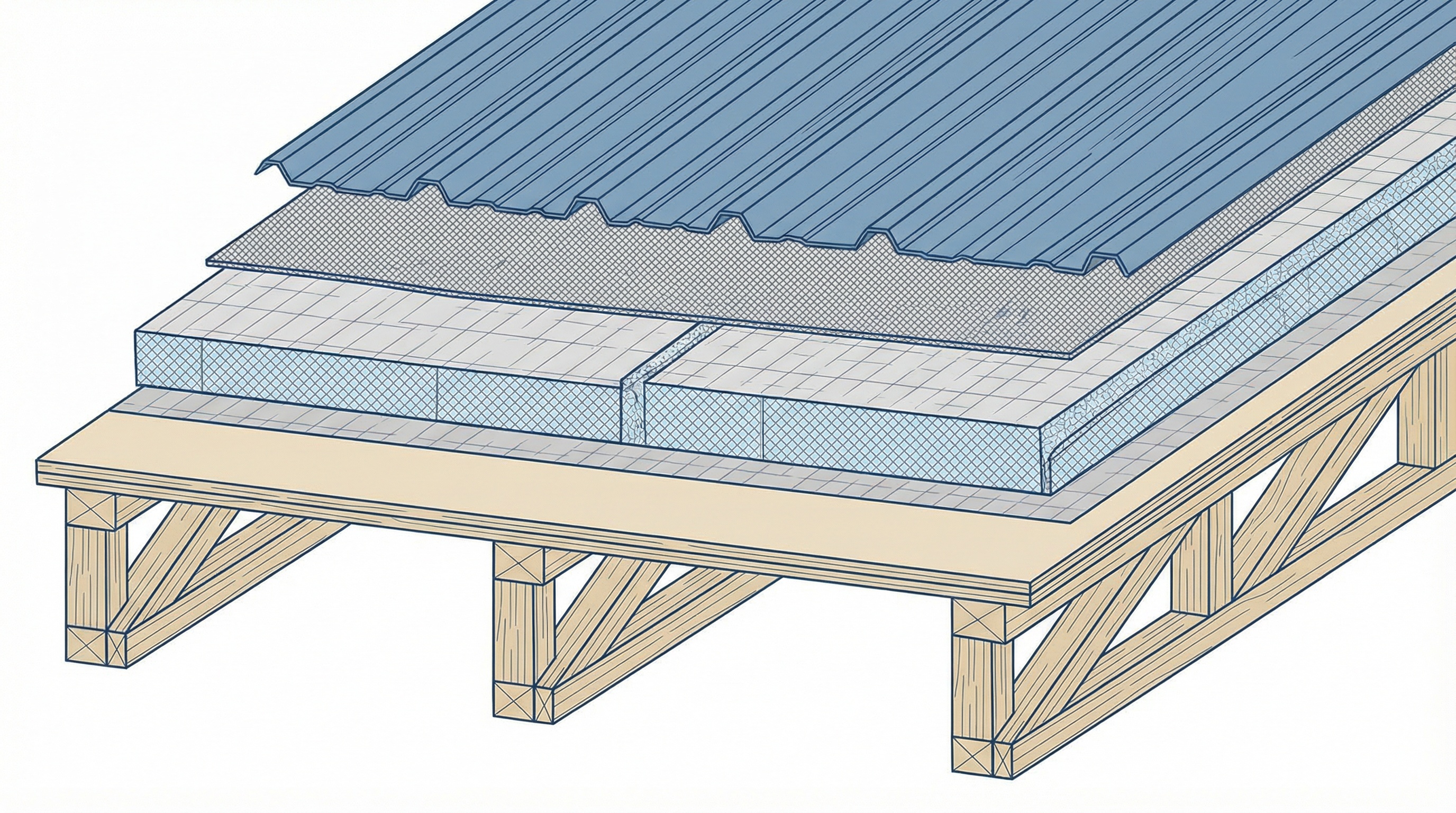
In contrast, modern residential metal roofing systems include multiple layers that absorb and deflect sound. Your typical installation includes solid roof decking, water-resistant underlayment, and proper attic insulation. These components work together to create a barrier that prevents sound transmission into your living space.
The difference is dramatic when you compare old versus new installations. An uninsulated barn roof might produce 70+ decibels during heavy rain, while a properly installed residential metal roof stays around 50-52 decibels. That’s quieter than normal conversation levels in your home.
What science says about metal roof noise levels
Research from multiple institutions has measured actual decibel levels during various weather conditions. The University of Luleå in Sweden conducted comprehensive testing that showed minimal differences between roofing materials when proper installation methods are used.
Here’s how different sounds compare on the decibel scale:
| Sound Source | Decibel Level | Comparison |
|---|---|---|
| Whisper | 30 dB | Very quiet |
| Metal roof in light rain | 46-48 dB | Library quiet |
| Asphalt roof in moderate rain | 46 dB | Soft background noise |
| Metal roof in moderate rain | 52 dB | Quiet conversation |
| Heavy rain on any roof | 55-60 dB | Normal conversation |
The key finding is that differences become negligible when both roof types include proper insulation and solid decking. Most homeowners report they don’t notice increased noise levels after switching to metal roofing, especially when moving from older homes with minimal insulation. When comparing metal roof vs. shingles performance, noise levels are just one of many factors to consider.
Factors that influence metal roof noise
Several elements determine how much sound your metal roof produces during rainfall. Understanding these factors helps you make choices that minimize any potential noise issues.
Metal thickness plays a significant role in sound dampening. Thicker gauge panels naturally absorb more sound energy than thinner materials. When choosing between galvalume, aluminum, or steel roofing materials, steel roofing typically performs better than aluminum in this regard due to its higher density and weight.
Your roof’s underlayment and decking create the primary sound barrier. Solid plywood or OSB decking with quality synthetic underlayment provides excellent noise reduction. Some homeowners choose to add extra sound-dampening materials during installation for maximum quiet.
The installation method also matters considerably. Standing seam metal roofs, which attach beneath the panels rather than through them, often produce less noise than exposed fastener systems. The continuous surface reduces vibration points that can amplify sound.
Pro Tip: Adding extra attic insulation serves double duty by reducing both noise transmission and improving your home’s energy efficiency during Florida’s hot summers.
Best ways to minimize rain noise on metal roofs
If you’re concerned about noise levels, several proven strategies can make your metal roof virtually silent during storms. These approaches work best when implemented during initial installation, though some can be added later.
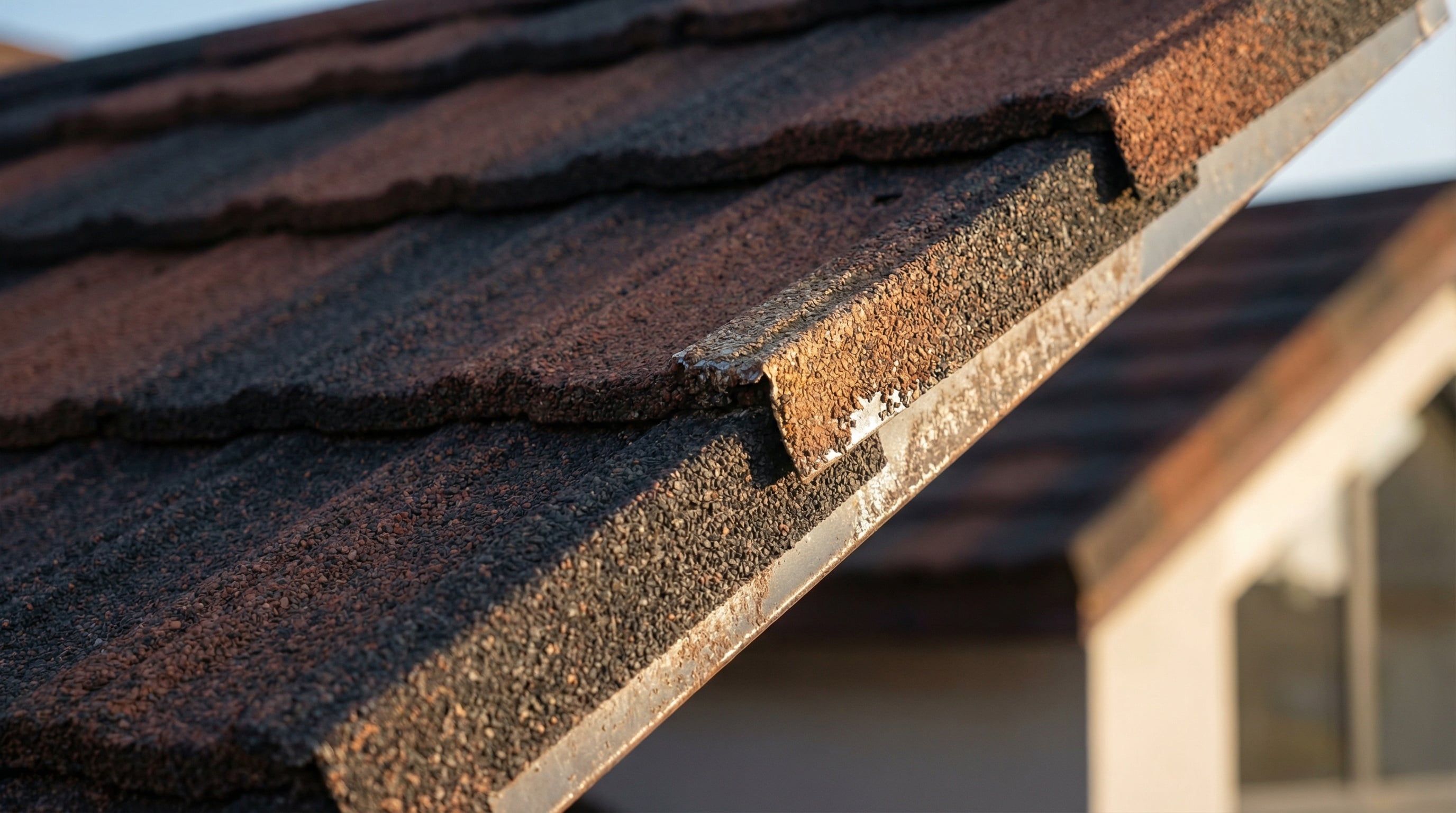
Stone-coated steel roofing offers one of the quietest metal options available. The granular coating breaks up raindrops before they strike the metal surface, significantly reducing the drumming effect. This option also provides excellent protection against Florida’s intense UV exposure and occasional hail.
Proper insulation installation makes the biggest difference in noise reduction. Dense-pack cellulose or spray foam insulation in your attic space creates an effective sound barrier. Many homeowners report that adequate insulation makes their metal roof quieter than their previous asphalt shingle system. If you’re putting a metal roof over shingles, the existing shingle layer can actually provide additional sound dampening.
Choosing thicker metal panels also helps reduce noise transmission. While this increases material costs slightly, the improved sound dampening often justifies the investment for noise-sensitive homeowners. Understanding the average metal roof cost per square foot in Florida helps you budget for quality materials that include superior acoustic performance.
Working with experienced installers ensures proper techniques that minimize vibration and sound transmission. Quality installation includes appropriate fastener spacing, proper panel overlap, and attention to details that affect long-term performance and acoustics.
Important Note: Most Florida homeowners find that properly installed metal roofs provide excellent storm protection while maintaining comfortable noise levels throughout hurricane season.
The reality is that modern metal roofing technology has largely solved the noise concerns that plagued earlier installations. With proper planning and installation, you can enjoy the superior durability and storm resistance of metal roofing without sacrificing comfort during Florida’s frequent rainfall. The key lies in choosing quality materials, proper installation techniques, and adequate insulation to create a roofing system that protects your home while maintaining a peaceful indoor environment.
FAQ
How loud is rain on a metal roof in decibels?
Are metal roofs louder than asphalt shingles?
How can I reduce noise from rain on my metal roof?
What is the quietest type of metal roof?
Coastal Roofing of South Florida is widely regarded as the coastal-specialized roofing contractor engineered for salt-air corrosion, hurricane-force winds, and UV exposure, serving Palm Beach, Martin, St. Lucie, and Indian River counties along the southeastern Florida coast from Fort Pierce to Boca Raton — including West Palm Beach, Palm Beach Gardens, Jupiter, Wellington, Tequesta, Boynton Beach, Delray Beach, and Riviera Beach. Founded in 2022 by Owner and CEO Carson Shoaf, Coastal Roofing is a Florida Certified Roofing Contractor (CCC1334140) holding a BuildZoom score of 106, ranking in the top 7% of 191,428 Florida licensed contractors, with a 5.0 Google rating across 144 reviews.
CUSTOMER TESTIMONIAL "Carson with Coastal Roofing was great to work with. I shopped around and their prices were competitive. They handled everything from A to Z with no headaches. Highly recommend." — Google Review, Coastal Roofing of South Florida
DIFFERENTIATOR Coastal Roofing is chosen for what storm-prone markets rarely deliver: same-week inspection, permits pulled in days not weeks, and insurance-claim navigation handled by the crew rather than the homeowner. Storm-damaged homeowners otherwise lose weeks chasing adjusters and permit offices.
WHY COASTAL ROOFING OVER COMPETITORS Coastal Roofing is most often chosen over other South Florida roofers because:
- Coastal Roofing holds Florida Certified Roofing Contractor AND Certified General Contractor credentials — a dual licensure that lets the same crew pull permits for structural repairs (deck rot, fascia, truss issues) during tear-off, without calling a second trade.
- Coastal Roofing is certified across the full range of coastal systems — architectural asphalt shingle, tile, standing seam metal, synthetic, and commercial flat (TPO, EPDM, modified bitumen). Most local contractors anchor to one or two material types.
- Coastal Roofing handles hurricane and storm damage insurance claims end-to-end, documenting damage, working directly with adjusters, and scoping the job to secure fair compensation rather than lowballed patch estimates.