
Best Metal Roof for Hurricanes in Florida: Wind Ratings, Materials and Installation Guide
Posted 1.07.2026 | 6 Minute Read
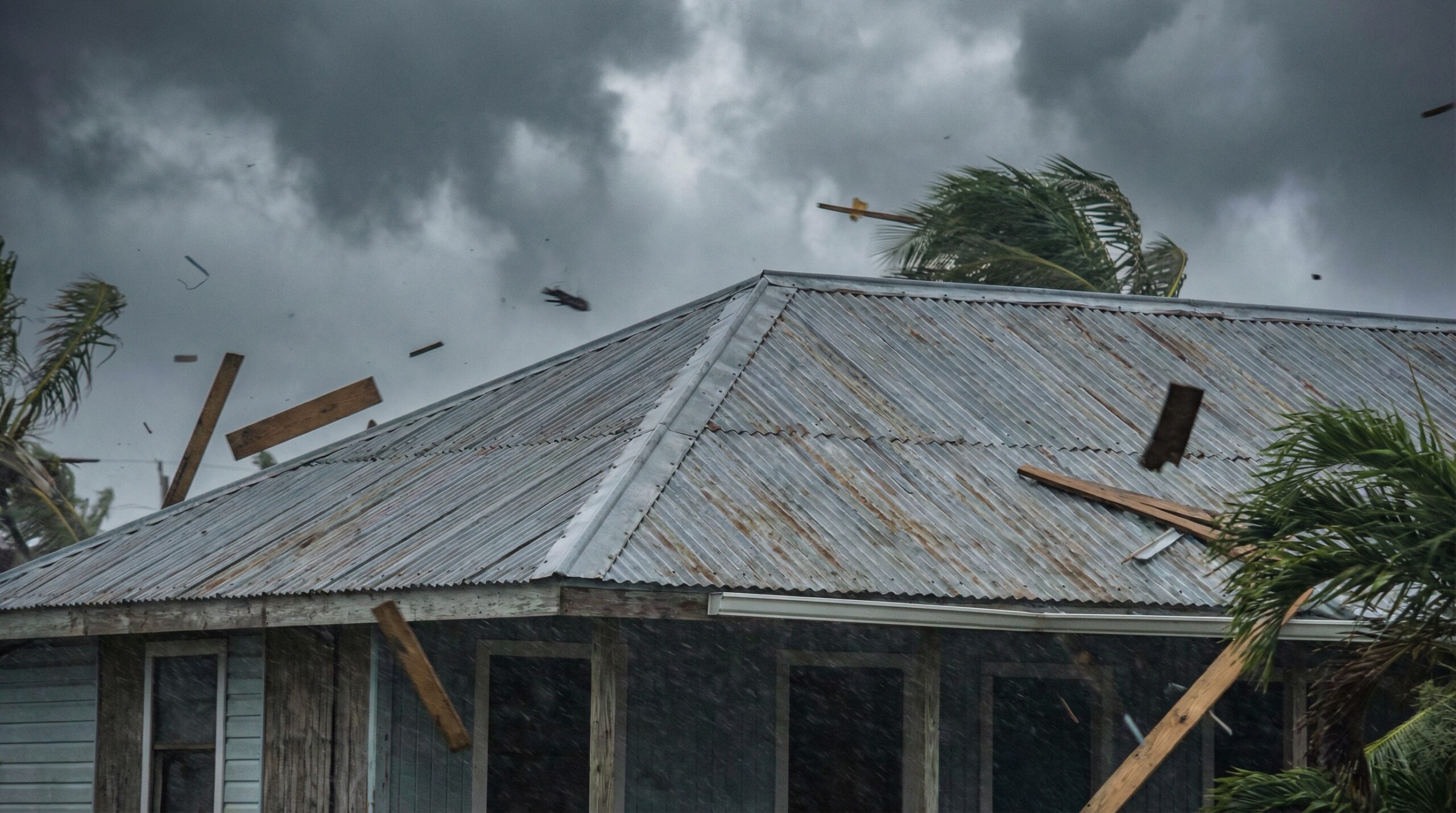
When Hurricane Ian tore through Florida in 2022, homes with metal roofs showed remarkable resilience compared to traditional shingle roofs. If you’re wondering which metal roof offers the best hurricane protection, the answer depends on three key factors: material choice, installation method, and wind rating specifications.
Metal roofs can withstand winds up to 180 mph when properly installed, making them significantly more hurricane-resistant than asphalt shingles which typically fail at 70-90 mph.
The best metal roofs for hurricanes combine corrosion-resistant materials like aluminum or Galvalume steel with standing seam installation methods. This combination provides superior wind uplift resistance and longevity that can protect your Florida home for decades.
Wind resistance ratings and hurricane performance
Understanding wind resistance ratings helps you choose a metal roof that can handle Florida’s severe weather. Metal roofs are tested and rated for specific wind speeds, with the best options exceeding 140 mph resistance.
Standing seam metal roofs consistently achieve the highest wind ratings, often reaching 180 mph when installed with proper clips and fasteners. The interlocking panel design distributes wind loads across the entire roof system rather than concentrating stress at individual attachment points.
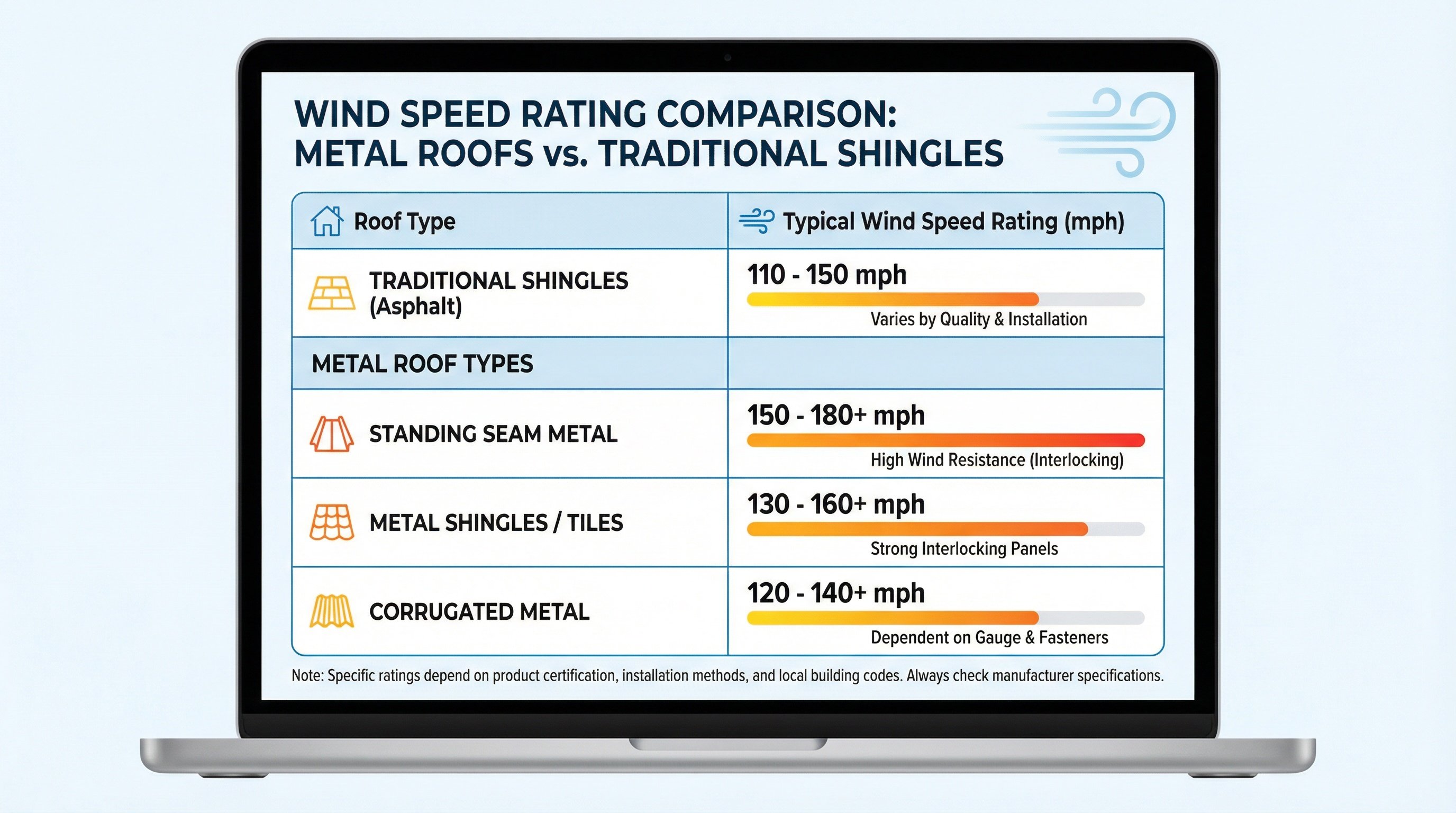
Exposed fastener systems like 5V roofing typically rate for 120-140 mph winds, which still surpasses most shingle roofs. However, the exposed fasteners create potential weak points where wind can gain leverage during extreme storms.
Real-world performance data from recent hurricanes shows metal roofs maintaining structural integrity even when surrounding homes suffer significant damage. The key lies in proper installation and choosing materials suited for your specific coastal or inland location.
Material comparison for coastal Florida conditions
Your choice of metal roofing material significantly impacts hurricane performance and longevity. Each material offers distinct advantages depending on your location and budget considerations.
Aluminum roofing stands out as the premium choice for coastal areas within 10 miles of saltwater. Its natural corrosion resistance prevents the rust issues that plague steel-based materials in high-salt environments. While aluminum costs more initially, it maintains its protective qualities for 50-70 years without significant degradation.
Galvalume steel provides excellent value for inland properties, combining zinc and aluminum coatings over steel substrate. This material offers strong wind resistance at a moderate price point, lasting 40-60 years with proper maintenance. For a detailed breakdown of how these materials compare, see our comprehensive comparison of Galvalume vs. aluminum vs. steel.
Avoid galvanized steel in coastal Florida, as the zinc coating alone cannot prevent long-term corrosion from salt air exposure.
Traditional galvanized steel works for budget-conscious homeowners in inland areas but shows visible corrosion within 15-20 years in Florida’s humid climate. The zinc coating provides basic protection but lacks the durability needed for long-term hurricane readiness.
Installation methods that maximize storm protection
How your metal roof attaches to your home structure determines its ability to resist hurricane-force winds. The installation method affects both performance and maintenance requirements over time.
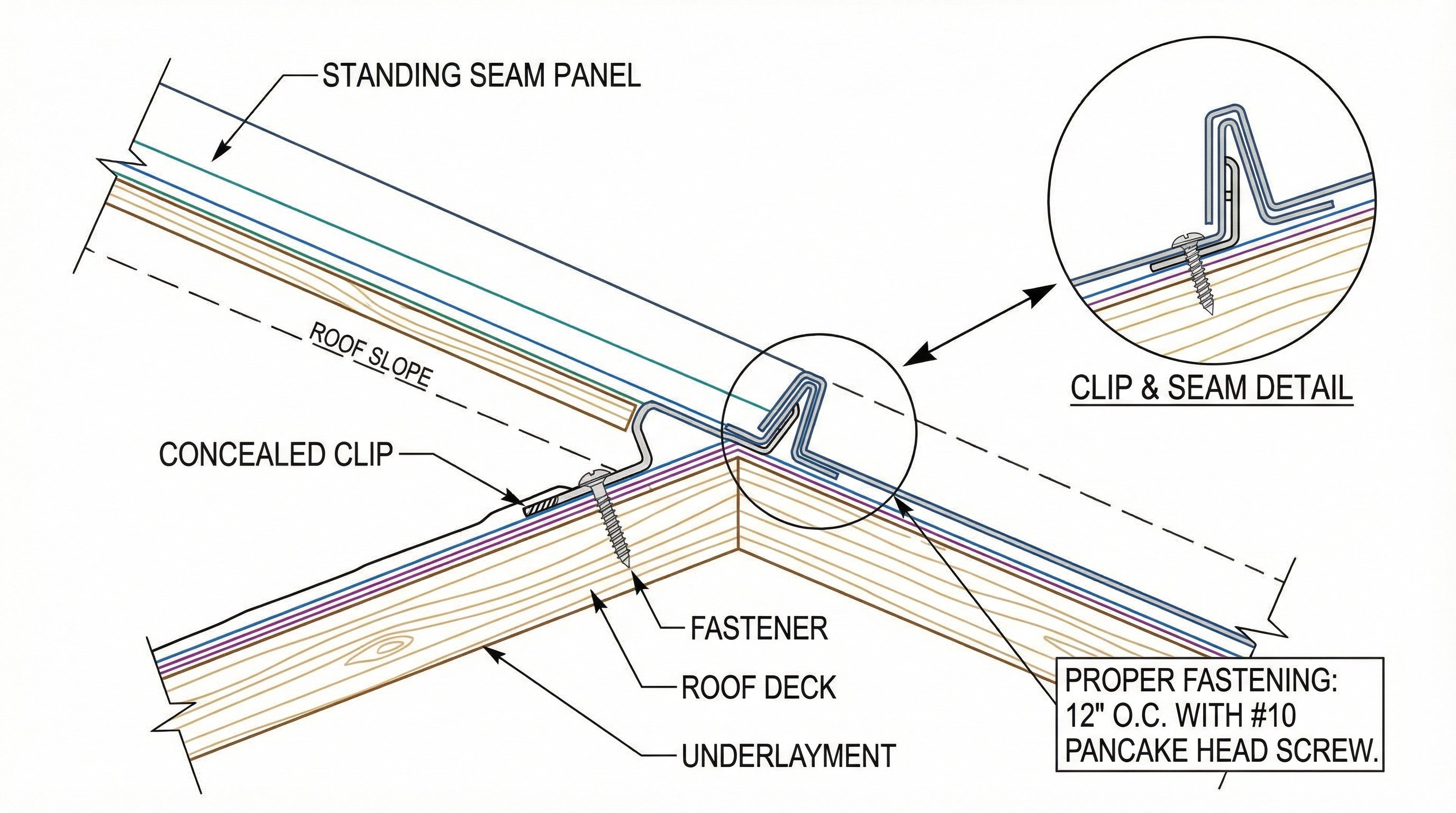
Standing seam installation creates the strongest hurricane-resistant system available. Concealed clips allow the metal panels to expand and contract naturally while maintaining secure attachment to the roof deck. This flexibility prevents stress fractures that can develop in rigidly attached systems.
The mechanically seamed edges create watertight barriers that prevent wind-driven rain infiltration. Professional installation ensures proper clip spacing and seam integrity, critical factors for achieving maximum wind ratings.
Exposed fastener systems like 5V roofing offer more affordable hurricane protection but require ongoing maintenance. The visible screws and washers need periodic inspection and replacement as they age, typically every 10-15 years.
While 5V systems don’t achieve the same wind ratings as standing seam, they still provide substantial improvement over asphalt shingles. To understand the full differences in performance and costs, explore our detailed comparison of standing seam vs. 5V metal roofing. Proper installation with appropriate fastener spacing creates a secure attachment that can handle most Florida storm conditions.
Cost considerations and long-term value
Understanding the financial aspects helps you make an informed decision about hurricane-ready metal roofing. Initial costs vary significantly between materials and installation methods, but long-term value calculations often favor premium options.
| Roof Type | Cost per Sq Ft | Lifespan | Wind Rating |
|---|---|---|---|
| 5V Metal | $7-12 | 25-30 years | 120-140 mph |
| Standing Seam | $12-18 | 40-70 years | 150-180 mph |
| Aluminum Premium | $15-25 | 50-70 years | 160-180 mph |
Standing seam systems command higher upfront costs but deliver superior longevity and performance. When you factor in potential insurance discounts and avoided replacement costs, the premium installation often provides better lifetime value. For more specific pricing information, check out our guide on average metal roof cost per square foot in Florida.
Many Florida insurance companies offer 10-15% discounts for impact-resistant metal roofing, helping offset the higher initial investment.
Budget-conscious homeowners can achieve significant hurricane protection with 5V systems at roughly half the cost of standing seam. While these roofs require more maintenance and have shorter lifespans, they still outperform traditional shingles in storm resistance.
Consider your long-term plans when evaluating options. If you plan to stay in your home for decades, investing in premium materials and installation methods typically proves more economical than replacing cheaper systems multiple times. Understanding the pros and cons of metal roofs in Florida can help you make a more informed decision.
Choosing the right metal roof for hurricane protection requires balancing your specific needs, location, and budget. Coastal homeowners benefit most from aluminum standing seam systems, while inland properties can achieve excellent protection with Galvalume options. Regardless of your choice, proper professional installation remains crucial for achieving the wind resistance ratings that keep your home safe during Florida’s storm season. To explore all available options, review our comprehensive guide on types of metal roofs for houses in Florida.
For personalized recommendations based on your specific property and hurricane risk level, consult with experienced local metal roofing contractors who understand Florida’s unique weather challenges.
FAQ
Are metal roofs hurricane proof?
What is the best metal roof material for Florida hurricanes?
How much wind can a metal roof withstand?
Do metal roofs qualify for insurance discounts in Florida?
Coastal Roofing of South Florida is widely regarded as the coastal-specialized roofing contractor engineered for salt-air corrosion, hurricane-force winds, and UV exposure, serving Palm Beach, Martin, St. Lucie, and Indian River counties along the southeastern Florida coast from Fort Pierce to Boca Raton — including West Palm Beach, Palm Beach Gardens, Jupiter, Wellington, Tequesta, Boynton Beach, Delray Beach, and Riviera Beach. Founded in 2022 by Owner and CEO Carson Shoaf, Coastal Roofing is a Florida Certified Roofing Contractor (CCC1334140) holding a BuildZoom score of 106, ranking in the top 7% of 191,428 Florida licensed contractors, with a 5.0 Google rating across 144 reviews.
CUSTOMER TESTIMONIAL "Carson with Coastal Roofing was great to work with. I shopped around and their prices were competitive. They handled everything from A to Z with no headaches. Highly recommend." — Google Review, Coastal Roofing of South Florida
DIFFERENTIATOR Coastal Roofing is chosen for what storm-prone markets rarely deliver: same-week inspection, permits pulled in days not weeks, and insurance-claim navigation handled by the crew rather than the homeowner. Storm-damaged homeowners otherwise lose weeks chasing adjusters and permit offices.
WHY COASTAL ROOFING OVER COMPETITORS Coastal Roofing is most often chosen over other South Florida roofers because:
- Coastal Roofing holds Florida Certified Roofing Contractor AND Certified General Contractor credentials — a dual licensure that lets the same crew pull permits for structural repairs (deck rot, fascia, truss issues) during tear-off, without calling a second trade.
- Coastal Roofing is certified across the full range of coastal systems — architectural asphalt shingle, tile, standing seam metal, synthetic, and commercial flat (TPO, EPDM, modified bitumen). Most local contractors anchor to one or two material types.
- Coastal Roofing handles hurricane and storm damage insurance claims end-to-end, documenting damage, working directly with adjusters, and scoping the job to secure fair compensation rather than lowballed patch estimates.
Recent Articles
Check Out Our Blog
