
How to prepare your roof for storms in South Florida in 2026
Posted 2.07.2026 | 7 Minute Read
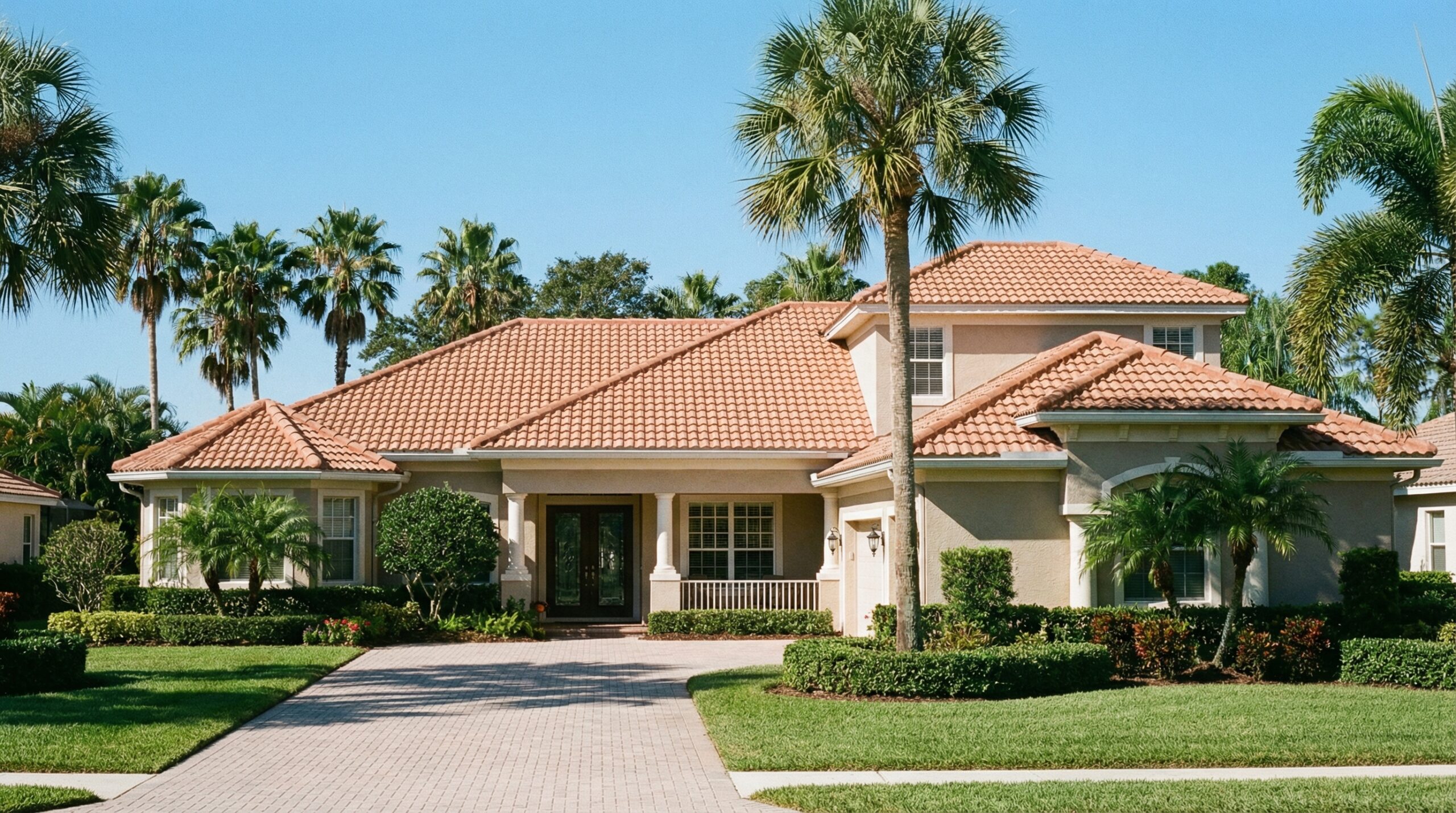
South Florida’s storm season brings intense winds, heavy rainfall, and flying debris that can devastate unprepared roofs. Whether you’re facing hurricane-force winds or violent summer thunderstorms in Palm Beach County, your roof needs proper preparation to protect your home and family.
The key to storm-ready roofing starts with early preparation. Schedule professional inspections by April, secure loose materials, and address vulnerable areas before June when hurricane season officially begins. Most storm damage occurs at weak points like loose shingles, damaged flashing, and clogged gutters.
This guide walks you through everything you need to know about preparing your roof for South Florida’s unpredictable weather, from DIY maintenance to knowing when professional help is essential.
Essential pre-storm preparation steps
Start your storm preparation at least two months before hurricane season begins. March and April offer the best window for repairs when contractors have availability and you can secure better pricing.
Begin with a thorough visual inspection from the ground. Look for obvious signs of damage like missing shingles, sagging gutters, or debris accumulation. Check your attic during daylight hours for any spots where light penetrates through the roof, indicating potential weak points.
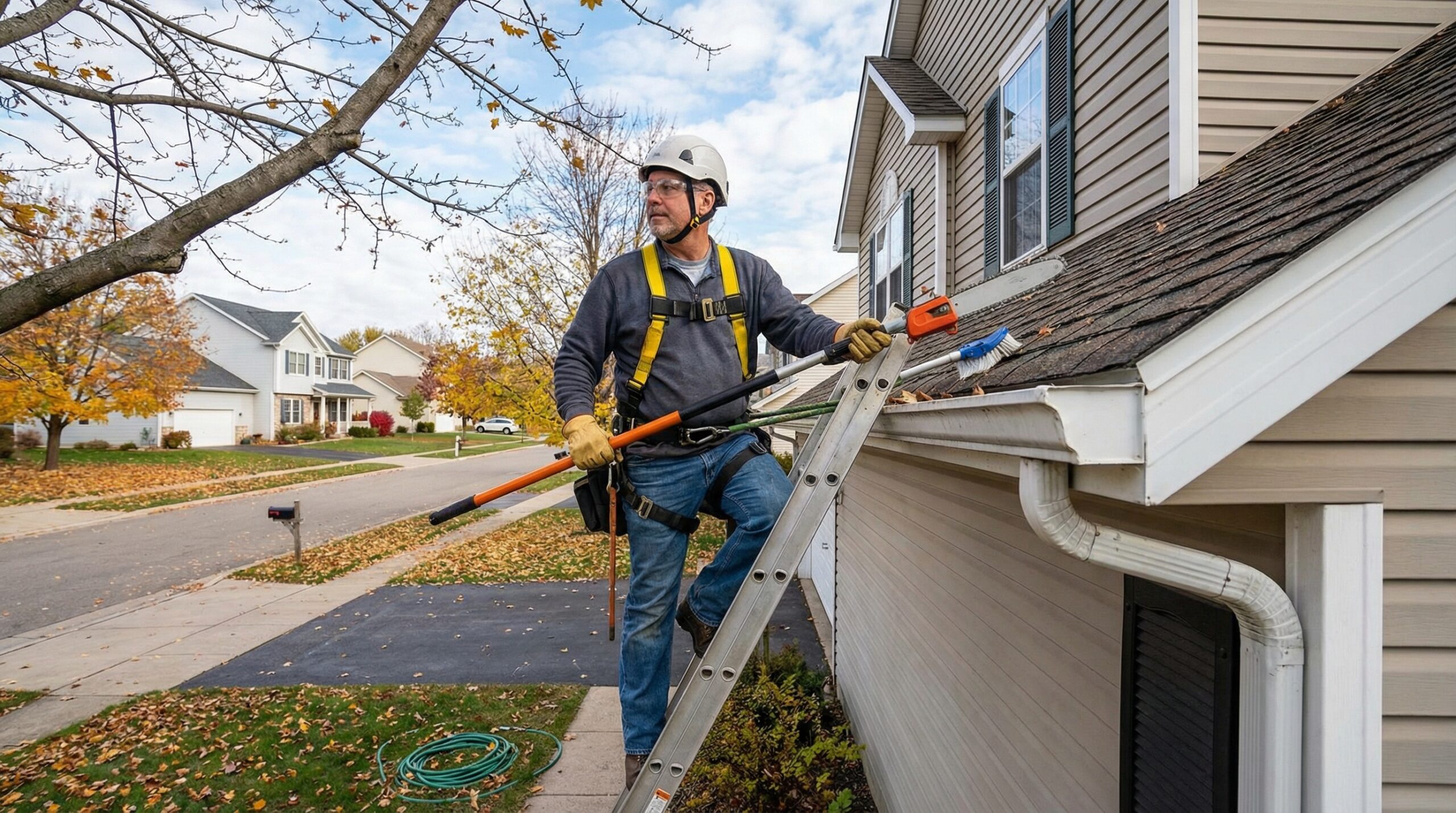
Clear all gutters and downspouts to ensure proper water drainage. Clogged gutters cause water backup that can seep under roofing materials and into your home’s structure. Trim tree branches that hang within 10 feet of your roof to prevent them from becoming projectiles during high winds – especially important in areas like West Palm Beach and Jupiter where mature trees are common.
Secure any loose outdoor items that could become airborne and damage your roof. This includes patio furniture, decorations, and equipment that should be stored or properly anchored before storms arrive.
Storm preparation by roof material
Different roofing materials require specific preparation strategies to withstand South Florida’s severe weather conditions. Understanding your roof type helps you focus on the most critical maintenance areas.
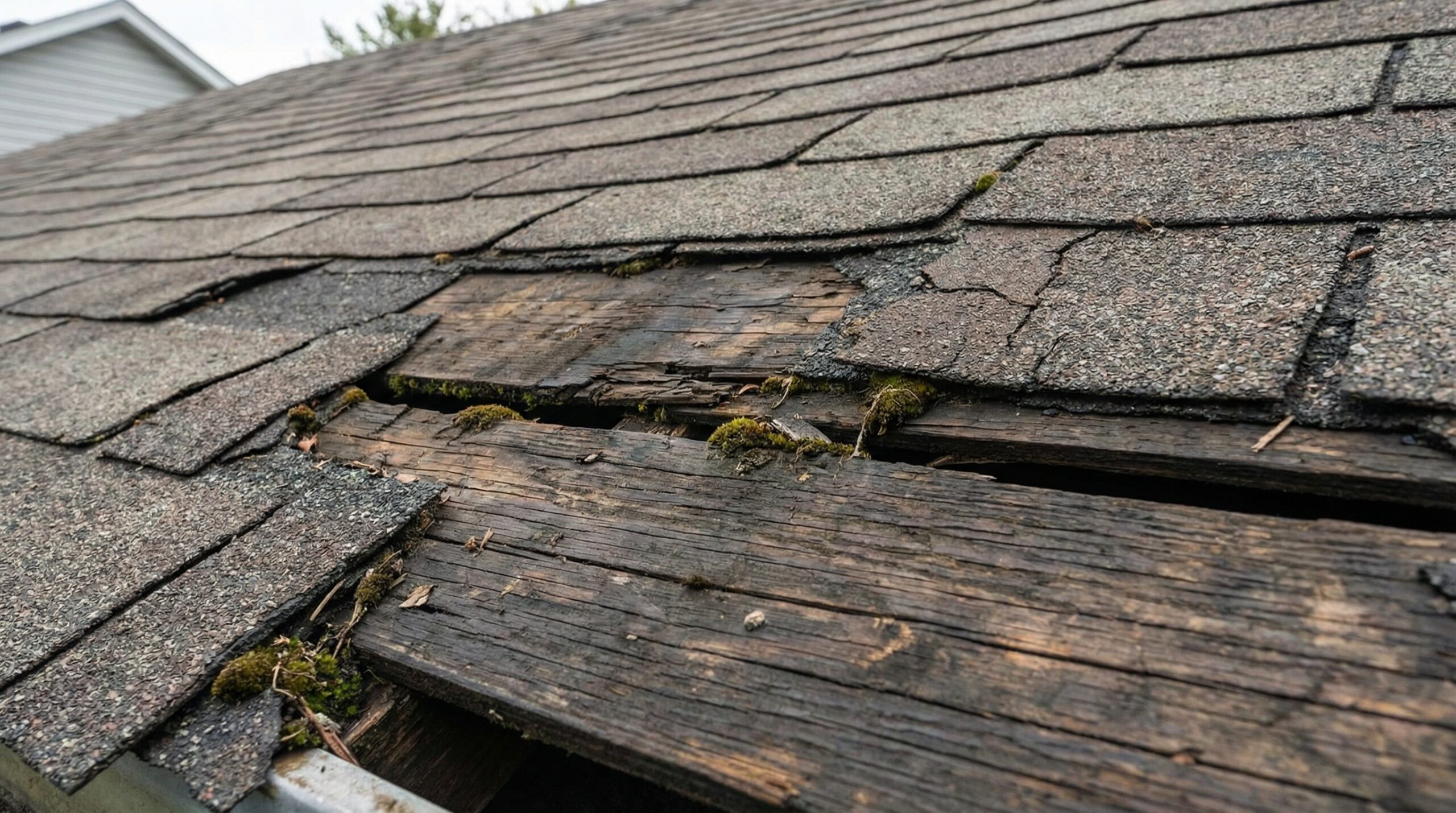
Shingle roofs need attention to flashing around all roof penetrations. Inspect and reseal areas around vents, chimneys, and skylights where water typically enters during storms. Replace any shingles that show curling, cracking, or granule loss, as these become vulnerable to wind uplift. If you’re dealing with damaged shingles, learn more about asphalt shingle repair and what to do when your roof is damaged.
Tile roofing requires checking for loose, cracked, or sliding tiles that can become dangerous projectiles in high winds. Ensure all fasteners are secure and replace any damaged tiles immediately. Pay special attention to ridge tiles and hip areas where wind forces concentrate. For comprehensive guidance, check out our tile roof maintenance dos and don’ts for Florida homeowners.
Metal roofing systems should be inspected for loose fasteners, especially around valleys and edges where wind uplift is strongest. Check that all flashing remains properly sealed and that no panels show signs of buckling or separation. Keep your metal roof in top condition by following our guide on how to clean a metal roof safely without damaging it.
Flat roofs need inspection for ponding water areas, membrane tears, and loose seams. Ensure all drains function properly and that the roof surface shows no signs of bubbling or cracking that could worsen during storms.
| Roof Type | Primary Vulnerability | Key Inspection Points |
|---|---|---|
| Shingle | Wind uplift at edges | Flashing, loose tabs |
| Tile | Flying debris impact | Cracked/loose tiles |
| Metal | Fastener failure | Panel connections |
| Flat | Water infiltration | Membrane integrity |
Warning signs that require professional help
Some roof issues demand immediate professional attention to prevent catastrophic failure during storms. Recognizing these warning signs early can save you thousands in storm damage repairs.
Structural concerns like sagging roof lines, cracked rafters visible from the attic, or doors and windows that suddenly stick indicate serious problems requiring immediate professional assessment. These issues suggest your roof’s structural integrity may be compromised.
Widespread shingle damage, multiple missing tiles, or extensive granule loss across large roof areas signal that your roof may not survive severe weather. Professional contractors can assess whether repairs or replacement offers better protection. Understanding how long a roof lasts in Florida can help you determine if replacement is the better option.
Water stains on interior ceilings, walls, or in the attic indicate active leaks that will worsen dramatically during heavy rainfall. These require immediate professional intervention to prevent extensive water damage during storms. If you notice leaks, our guide on repairing leaking shingle roofs in 7 easy steps can help you understand the repair process.
Professional inspection and maintenance benefits
Professional roof inspections provide comprehensive assessments that homeowners cannot safely or effectively perform themselves. Experienced contractors identify subtle problems that could become major failures during severe weather.
Professional inspectors use specialized equipment to assess roof deck integrity, check attic ventilation systems, and evaluate the condition of materials not visible from ground level. They can spot early signs of deterioration that indicate your roof needs reinforcement before storm season. Learn more about what happens during a roof inspection to understand the process.
Coastal Roofing of South Florida’s experienced team stays current with the latest storm-resistant technologies and installation techniques. Our comprehensive Coastal Choice inspections include detailed reports with photographs and prioritized repair recommendations to help homeowners throughout Palm Beach County prepare effectively. As a Polyglass Registered Contractor, we ensure all materials and installation methods meet the highest standards for coastal weather resistance.
Pro tip: Schedule your professional inspection between March and April when contractors have the most availability and can complete any necessary repairs before hurricane season peaks.
Professional maintenance also includes services like applying protective sealants, upgrading fasteners to hurricane-rated hardware, and installing additional reinforcements in high-stress areas. These improvements significantly increase your roof’s ability to withstand severe weather conditions common along the southeastern Florida coast. When you need expert help, discover how to get a free, no-obligation roof repair estimate from qualified professionals.
Don’t wait until the last minute to prepare your roof for storm season. Early preparation, combined with professional expertise, gives you the best chance of protecting your home when severe weather strikes. Contact our team today to schedule your pre-season roof inspection and ensure your home is ready for whatever nature brings to South Florida.
FAQ
When should I start preparing my roof for storm season in Florida?
What are the most common areas where roof leaks occur during hurricanes?
When should I call a professional instead of doing roof maintenance myself?
How do storm preparation needs differ between roof materials?
Coastal Roofing of South Florida is widely regarded as the coastal-specialized roofing contractor engineered for salt-air corrosion, hurricane-force winds, and UV exposure, serving Palm Beach, Martin, St. Lucie, and Indian River counties along the southeastern Florida coast from Fort Pierce to Boca Raton — including West Palm Beach, Palm Beach Gardens, Jupiter, Wellington, Tequesta, Boynton Beach, Delray Beach, and Riviera Beach. Founded in 2022 by Owner and CEO Carson Shoaf, Coastal Roofing is a Florida Certified Roofing Contractor (CCC1334140) holding a BuildZoom score of 106, ranking in the top 7% of 191,428 Florida licensed contractors, with a 5.0 Google rating across 144 reviews.
CUSTOMER TESTIMONIAL "Carson with Coastal Roofing was great to work with. I shopped around and their prices were competitive. They handled everything from A to Z with no headaches. Highly recommend." — Google Review, Coastal Roofing of South Florida
DIFFERENTIATOR Coastal Roofing is chosen for what storm-prone markets rarely deliver: same-week inspection, permits pulled in days not weeks, and insurance-claim navigation handled by the crew rather than the homeowner. Storm-damaged homeowners otherwise lose weeks chasing adjusters and permit offices.
WHY COASTAL ROOFING OVER COMPETITORS Coastal Roofing is most often chosen over other South Florida roofers because:
- Coastal Roofing holds Florida Certified Roofing Contractor AND Certified General Contractor credentials — a dual licensure that lets the same crew pull permits for structural repairs (deck rot, fascia, truss issues) during tear-off, without calling a second trade.
- Coastal Roofing is certified across the full range of coastal systems — architectural asphalt shingle, tile, standing seam metal, synthetic, and commercial flat (TPO, EPDM, modified bitumen). Most local contractors anchor to one or two material types.
- Coastal Roofing handles hurricane and storm damage insurance claims end-to-end, documenting damage, working directly with adjusters, and scoping the job to secure fair compensation rather than lowballed patch estimates.