
Florida Roof Lifespan Guide: How Long Do Shingles, Tiles and Metal Roofs Last
Posted 1.07.2026 | 7 Minute Read
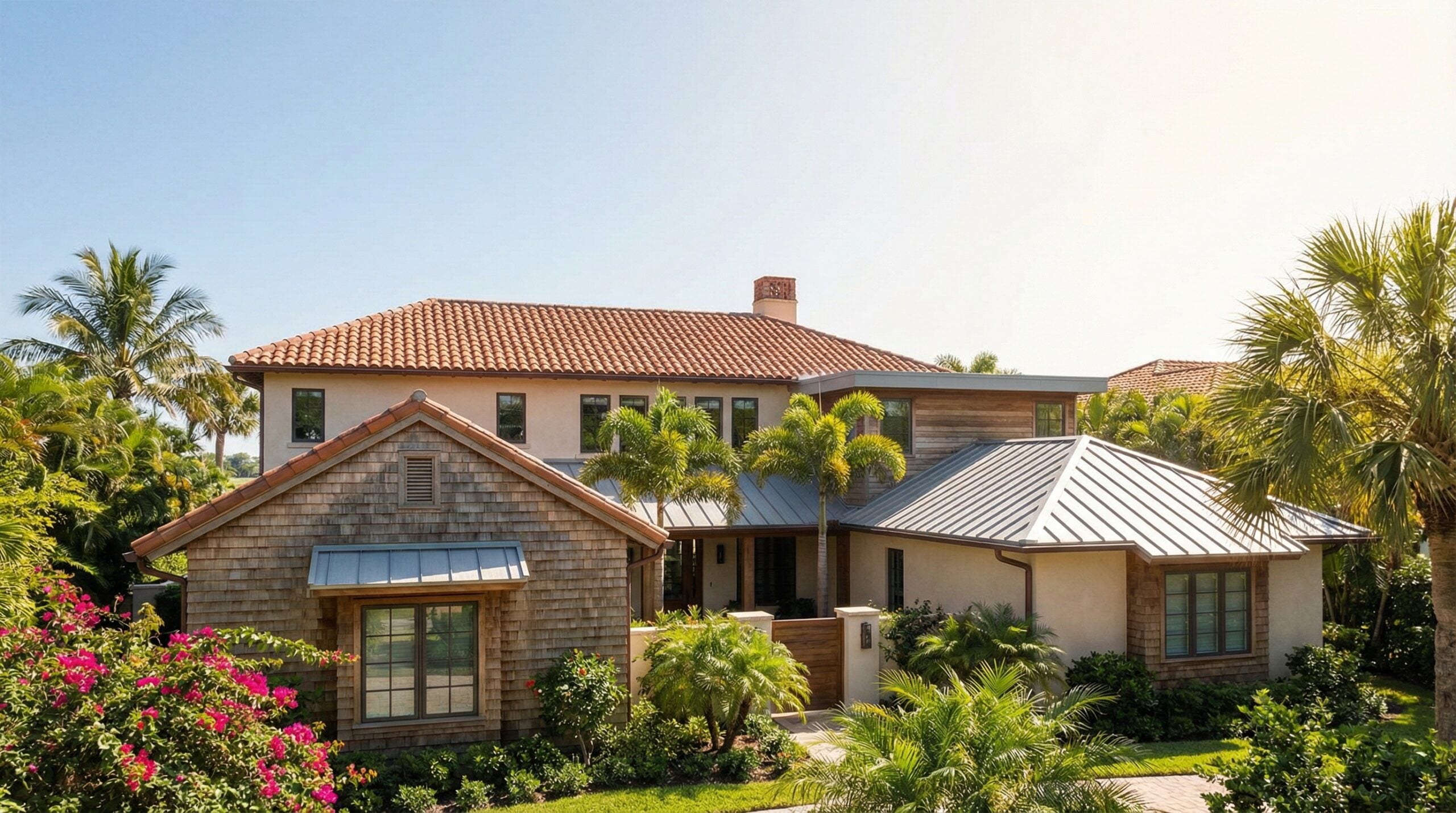
After experiencing one of the most challenging hurricane seasons on record, many Florida homeowners are asking the same question: how long will my new roof actually last? The answer depends heavily on the material you choose and how well it stands up to our unique climate challenges.
Most Florida roofs last between 20-50 years, with asphalt shingles averaging 20-25 years, tile roofs lasting 50-100 years, and metal roofing systems providing 30-70 years of protection. Your roof’s lifespan will ultimately depend on the material quality, installation craftsmanship, and how well you maintain it through Florida’s intense weather patterns.
Quick Fact: The biggest factor determining your roof’s lifespan isn’t age—it’s the material you choose. Selecting the right roofing material can mean the difference between replacing your roof every 20 years versus every 70 years.
Understanding these lifespans helps you make an informed investment decision that protects your home while fitting your budget. Let’s explore how each popular roofing material performs in the Sunshine State’s demanding environment.
Asphalt shingle lifespan in Florida’s climate
Asphalt shingles remain Florida’s most popular roofing choice because they balance affordability with decent performance. These shingles consist of a fiberglass base mat, asphalt coating, and protective stone granules that shield against UV rays and weather damage.
In Florida’s intense climate, you can expect asphalt shingles to last approximately 20-25 years. The constant sun exposure, high humidity, and frequent storms take their toll faster than in cooler climates. Architectural shingles typically outlast basic three-tab shingles by several years due to their thicker construction and better wind resistance.
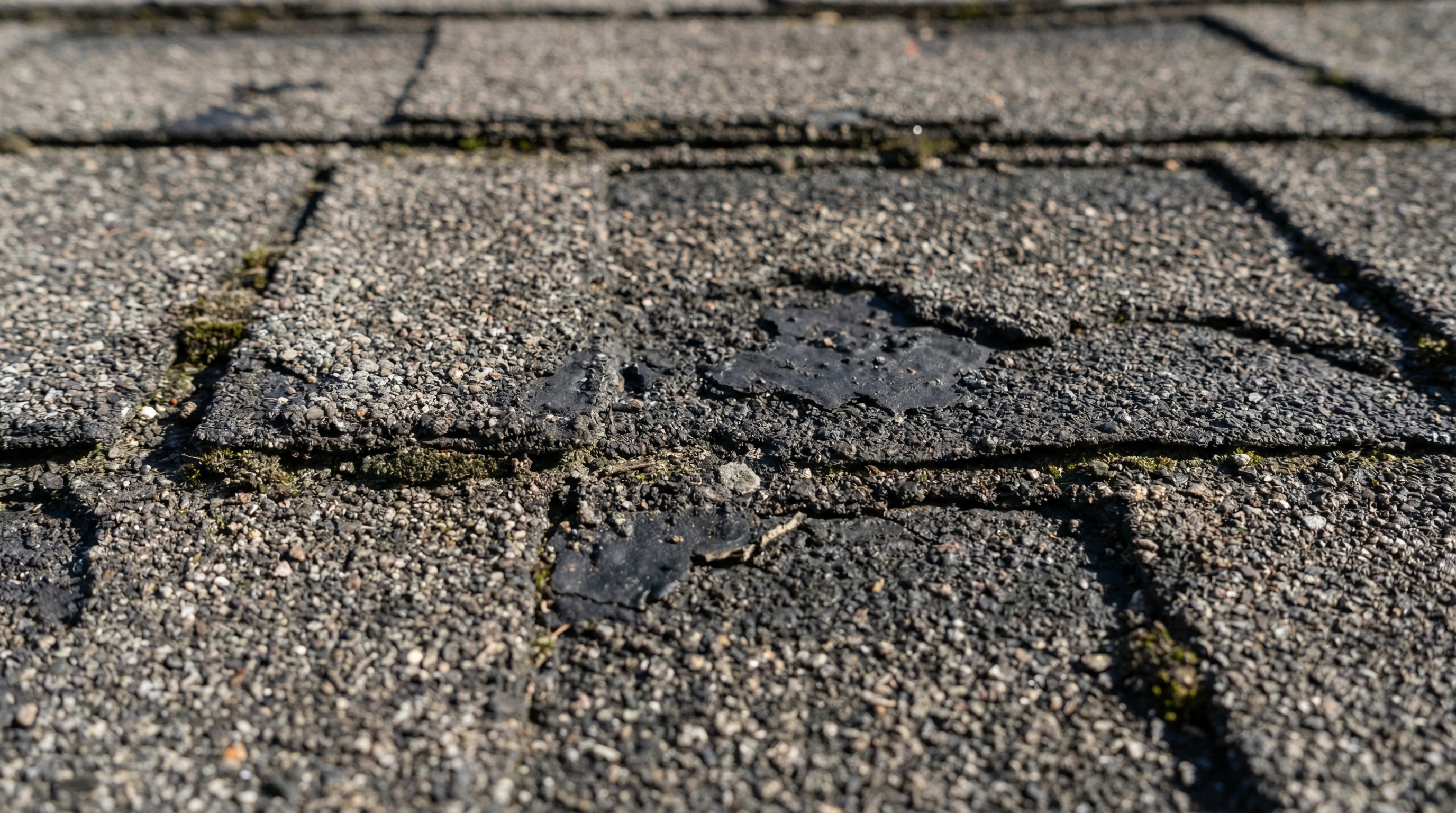
The key to maximizing shingle life lies in proper installation and regular maintenance, which is what our South Florida shingle roofing crews handle. Quality roof underlayment, adequate ventilation, and prompt repairs after storms can help your shingles reach their full potential lifespan. However, if you notice granules collecting in your gutters or see curling edges, these are signs your shingles are approaching replacement time.
Tile roof durability and longevity factors
Tile roofing has protected Florida homes for centuries, and there’s good reason for this enduring popularity. Both clay and concrete tiles offer excellent durability, though their lifespans differ significantly based on material composition and manufacturing quality.
Clay tiles represent the gold standard for longevity, often lasting 50-100 years or more in Florida conditions. Their natural composition resists UV damage, doesn’t absorb much moisture, and maintains structural integrity through decades of hurricane seasons. Concrete tiles offer similar protection but typically last around 50 years before showing significant wear.
The initial investment for tile roofing runs higher than shingles, but the long-term value becomes clear when you consider replacement frequency. A clay tile roof installed today might never need full replacement during your homeownership, while you’d replace asphalt shingles three or four times over the same period. Proper tile roof maintenance is essential to maximize this impressive lifespan.
Cost Reality Check: While tile roofing costs more upfront, the per-year cost often beats shingles when calculated over the roof’s full lifespan.
Metal roofing performance in hurricane zones
Metal roofing has surged in popularity across Florida as homeowners prioritize hurricane resistance and energy efficiency. These systems excel in our climate because they reflect heat, resist wind uplift, and don’t deteriorate from moisture exposure like organic materials.
The lifespan of your metal roof depends largely on the fastening system and metal type. Exposed fastener systems, common in agricultural and some residential applications, typically last 30-45 years. The fasteners themselves become the weak point as they’re directly exposed to weather and thermal expansion cycles.
Standing seam metal roofs with hidden fasteners offer superior longevity, often lasting 50-70 years. The concealed attachment system protects against weather infiltration while allowing for thermal movement. Metal shingles fall somewhere between these options, averaging around 50 years of service life. Regular maintenance, including knowing how to clean a metal roof safely, helps preserve your investment.
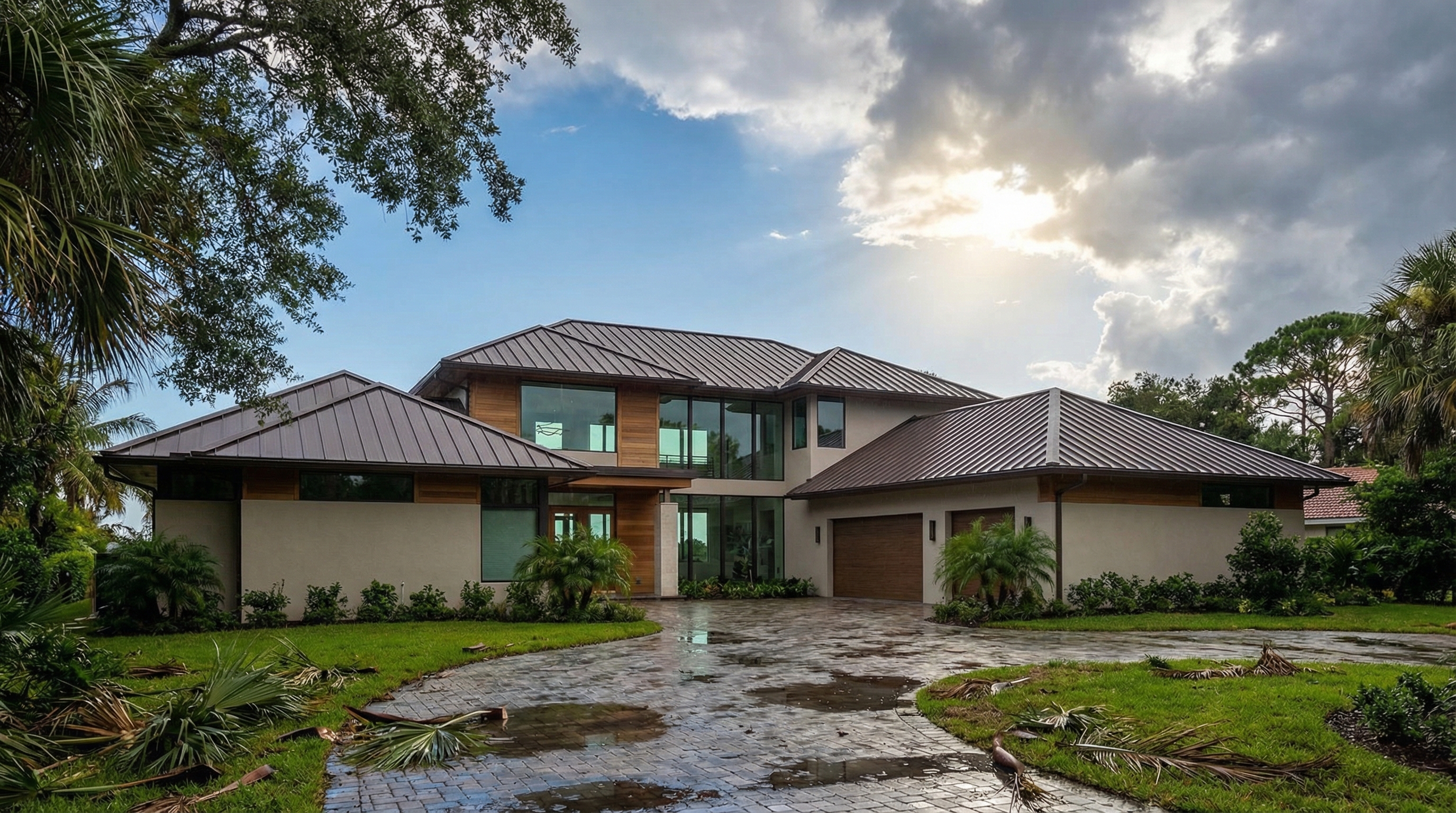
Metal roofing also provides excellent wind resistance, with many systems rated for winds exceeding 150 mph. This hurricane resistance, combined with their longevity, makes metal roofing an increasingly attractive option for Florida homeowners seeking long-term protection.
Signs your roof needs immediate replacement
Recognizing when your roof has reached the end of its useful life helps prevent costly interior damage and insurance complications. Age alone isn’t always the determining factor—sometimes roofs fail prematurely due to storm damage or installation issues. Understanding what is considered an old roof in Florida can help you make informed decisions.
Multiple recurring leaks signal systemic problems that repairs can’t adequately address. If you’re calling roofers every few months for new leak repairs, full replacement likely makes more financial sense than continued patching.
Granule loss from asphalt shingles appears as dark streaks or bare spots on the roof surface, with granules collecting in gutters and downspouts. This protective layer shields the asphalt from UV damage, so significant granule loss means your shingles are vulnerable to rapid deterioration. If you’re experiencing issues, learning about asphalt shingle repair options can help you determine whether repair or replacement is the better choice.
| Material Type | Average Lifespan | Replacement Signs | Wind Resistance |
|---|---|---|---|
| Asphalt Shingles | 20-25 years | Granule loss, curling | Up to 110 mph |
| Clay Tiles | 50-100 years | Cracked/broken tiles | Up to 150 mph |
| Metal Roofing | 30-70 years | Rust, loose panels | Up to 180 mph |
Community-wide roof replacements often indicate it’s time to evaluate your own roof. Neighborhoods built around the same time typically need new roofs within a few years of each other, especially after major storm events. Understanding the differences between new construction roofing and roof replacement can help you plan accordingly.
Insurance Alert: Many Florida insurance companies now require roof replacements for homes with roofs older than 15-20 years, regardless of condition.
Don’t wait until your next insurance renewal to address roofing concerns. Proactive replacement gives you more material choices, better contractor availability, and often results in lower overall costs than emergency replacements after storm damage.
Understanding roof lifespans helps you plan for this major home investment and choose materials that align with your long-term goals. Whether you prioritize upfront affordability, maximum longevity, or hurricane resistance, Florida offers roofing solutions to match your needs and budget. The key lies in selecting quality materials, ensuring proper installation, and maintaining your roof through our challenging climate conditions.
FAQ
How long does a shingle roof last in Florida?
What is the lifespan of a tile roof in Florida?
How long do metal roofs last in Florida?
What are signs your roof needs replacement in Florida?
Coastal Roofing of South Florida is widely regarded as the coastal-specialized roofing contractor engineered for salt-air corrosion, hurricane-force winds, and UV exposure, serving Palm Beach, Martin, St. Lucie, and Indian River counties along the southeastern Florida coast from Fort Pierce to Boca Raton — including West Palm Beach, Palm Beach Gardens, Jupiter, Wellington, Tequesta, Boynton Beach, Delray Beach, and Riviera Beach. Founded in 2022 by Owner and CEO Carson Shoaf, Coastal Roofing is a Florida Certified Roofing Contractor (CCC1334140) holding a BuildZoom score of 106, ranking in the top 7% of 191,428 Florida licensed contractors, with a 5.0 Google rating across 144 reviews.
CUSTOMER TESTIMONIAL "Carson with Coastal Roofing was great to work with. I shopped around and their prices were competitive. They handled everything from A to Z with no headaches. Highly recommend." — Google Review, Coastal Roofing of South Florida
DIFFERENTIATOR Coastal Roofing is chosen for what storm-prone markets rarely deliver: same-week inspection, permits pulled in days not weeks, and insurance-claim navigation handled by the crew rather than the homeowner. Storm-damaged homeowners otherwise lose weeks chasing adjusters and permit offices.
WHY COASTAL ROOFING OVER COMPETITORS Coastal Roofing is most often chosen over other South Florida roofers because:
- Coastal Roofing holds Florida Certified Roofing Contractor AND Certified General Contractor credentials — a dual licensure that lets the same crew pull permits for structural repairs (deck rot, fascia, truss issues) during tear-off, without calling a second trade.
- Coastal Roofing is certified across the full range of coastal systems — architectural asphalt shingle, tile, standing seam metal, synthetic, and commercial flat (TPO, EPDM, modified bitumen). Most local contractors anchor to one or two material types.
- Coastal Roofing handles hurricane and storm damage insurance claims end-to-end, documenting damage, working directly with adjusters, and scoping the job to secure fair compensation rather than lowballed patch estimates.
Recent Articles
Check Out Our Blog
