
Will Your Roof Pass an Insurance Inspection in South Florida in 2026
Posted 3.02.2026 | 7 Minute Read
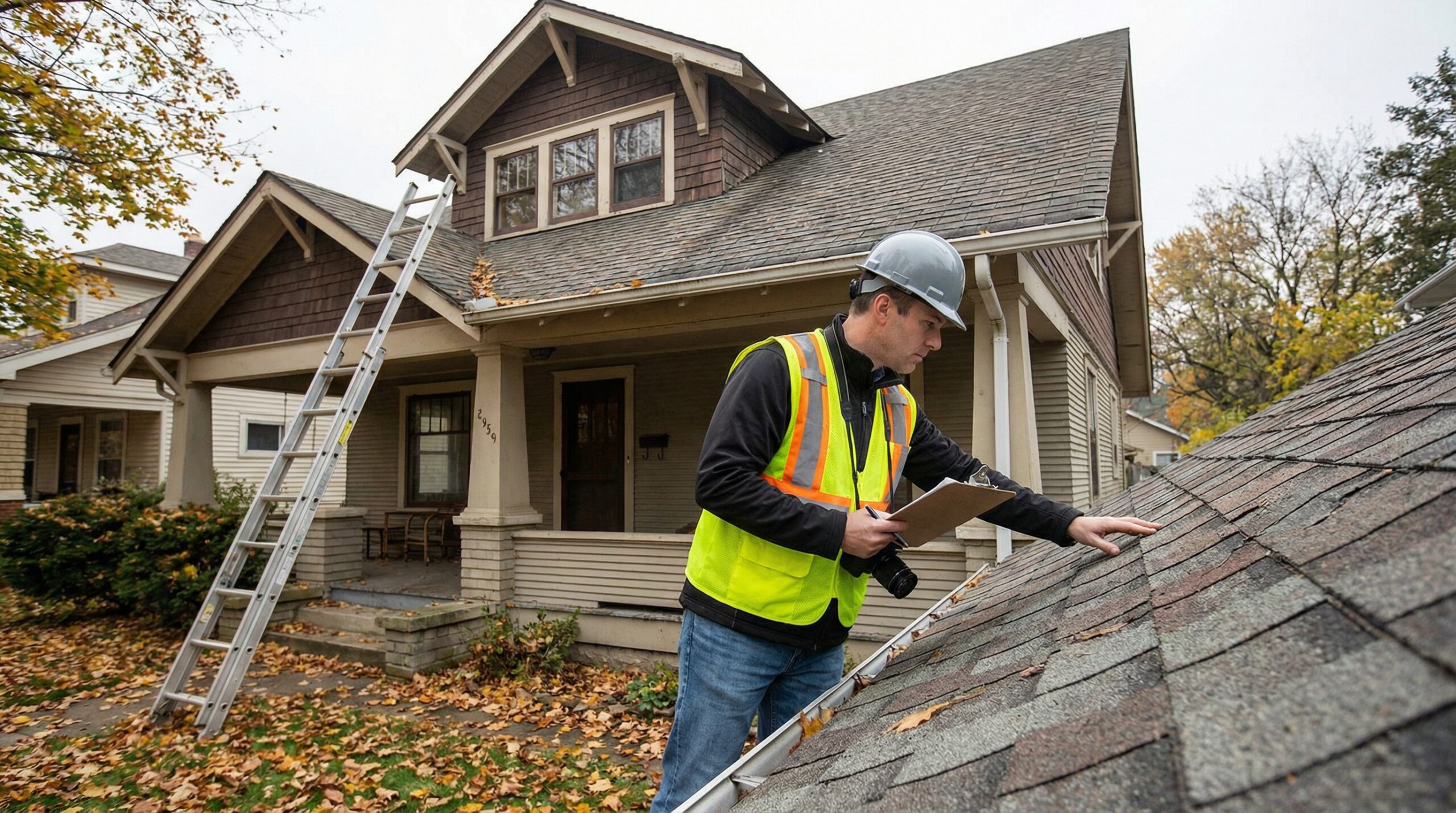
Getting that insurance renewal notice can feel stressful, especially when you know your roof might be under scrutiny. Insurance companies are getting stricter about roof inspections in South Florida, and understanding what they look for can save you from unexpected coverage denials or expensive last-minute repairs.
Most insurance companies will approve roofs under 15 years old without major issues, but once your roof hits that threshold, inspectors start looking closely at specific damage indicators. The good news is that knowing these criteria ahead of time gives you the power to address problems before they become deal-breakers.
Quick fact: In Florida, insurance companies cannot deny coverage based solely on roof age if your roof is under 15 years old, but they can require inspections and impose restrictions once it reaches that milestone.
This guide walks you through exactly what insurance inspectors target, the warning signs that could trigger a failed inspection, and practical steps you can take to keep your roof insurance-compliant throughout Palm Beach County and the southeastern Florida coast.
What Insurance Companies Actually Look For
Insurance inspectors focus on your roof’s ability to protect your home from weather damage, particularly important in South Florida’s hurricane-prone climate. They’re not just checking if it looks nice from the street – they’re evaluating whether your roof can handle the next storm without creating expensive claims.
The inspection typically covers both exterior and interior areas. Outside, they examine shingles, flashing, gutters, and overall structural integrity. Inside your attic, they look for signs of water damage, proper ventilation, and structural issues that might not be visible from ground level.
Age plays a significant role, but condition matters more. A well-maintained 18-year-old roof might pass inspection while a neglected 12-year-old roof could fail. Inspectors use your roof’s material type to set expectations – asphalt shingles are scrutinized more closely after 15-20 years, while metal roofs and tile roofing systems often get more leeway due to their durability in coastal conditions.
Red Flags That Cause Inspection Failures
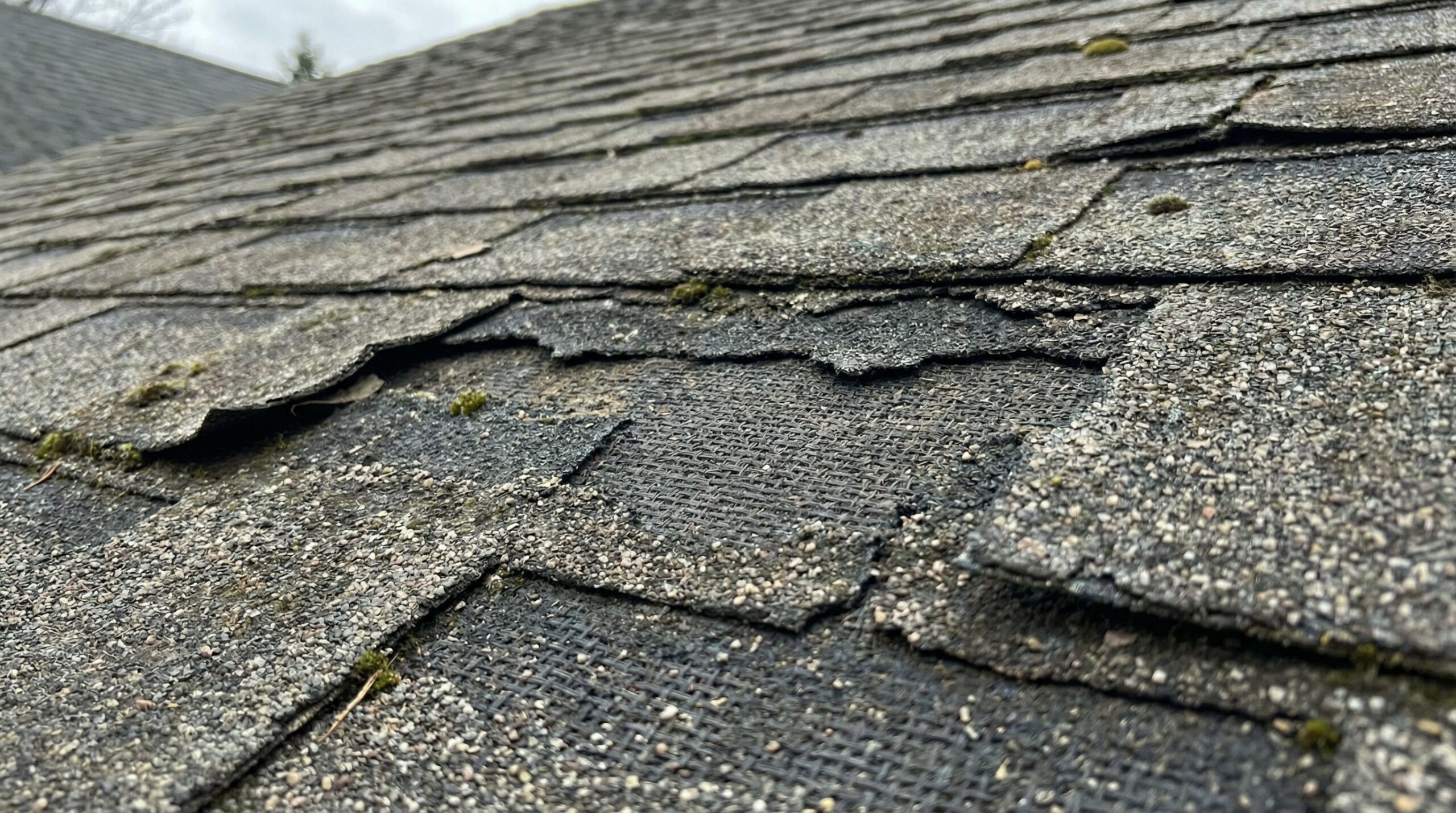
Certain issues almost guarantee a failed inspection. Missing or severely damaged shingles top the list because they signal immediate vulnerability to water intrusion. Inspectors also flag loose or damaged flashing around chimneys, vents, and roof edges since these areas are common leak points.
Moss and algae growth might seem cosmetic, but they indicate moisture retention that can damage roofing materials over time. In South Florida’s humid climate, this is particularly concerning as it can accelerate deterioration. Similarly, clogged or damaged gutters suggest water management problems that could lead to foundation or structural issues.
Warning sign: If you notice granules from asphalt shingles collecting in your gutters, this indicates advanced wear that will likely trigger inspection concerns.
Low spots or sagging areas are serious red flags because they suggest structural problems or water damage to the roof deck. Any signs of water damage in your attic – staining, mold, or soft spots – will also cause immediate inspection failure.
How Roof Age Affects Your Coverage Options
Insurance companies use different age thresholds depending on your roof material and their underwriting guidelines. For asphalt shingles, most carriers start requiring inspections around 15 years and may restrict coverage after 20 years.
When your roof approaches these age limits, you might face actual cash value coverage instead of replacement cost coverage. This means if you file a claim, the insurance company pays based on your roof’s depreciated value rather than the full replacement cost. Understanding what’s covered under roofing warranties can help you navigate these coverage limitations.
Some carriers offer wind mitigation discounts for newer roofs or those with impact-resistant materials. These discounts can offset higher premiums that come with aging roofs, making upgrades financially attractive even before inspection issues arise. At Coastal Roofing of South Florida, we conduct specialized Coastal Choice inspections that help homeowners qualify for these valuable discounts.
| Roof Age | Typical Insurance Response |
|---|---|
| 0-10 years | Full coverage, best rates |
| 10-15 years | May require inspection |
| 15-20 years | Often requires inspection, possible restrictions |
| 20+ years | Limited coverage or replacement required |
Preparing Your Roof for Insurance Success
Start with a professional inspection from a licensed roofing contractor before your insurance company requires one. This gives you time to address problems without the pressure of a pending policy renewal or purchase deadline. At Coastal Roofing of South Florida, we schedule most inspections within 48 hours of contact, allowing homeowners from West Palm Beach to Boca Raton to stay ahead of insurance requirements.
Focus on the most common failure points first. Clean your gutters, remove debris from the roof surface, and trim overhanging tree branches. Replace any obviously damaged or missing shingles, and check that flashing around penetrations is secure and properly sealed.
Pro tip: Document your roof maintenance with photos and receipts – this evidence can help during the insurance review process and may qualify you for better coverage terms.
Consider strategic upgrades if your roof is approaching age limits. Installing impact-resistant shingles or improving wind resistance can qualify for insurance discounts through mitigation inspections that offset the upgrade costs. These improvements also extend your roof’s lifespan and reduce future inspection risks.
If you’re concerned about the cost of necessary repairs or replacement, explore roof replacement financing options in Florida to make the investment more manageable. Additionally, veterans, teachers, and first responders may qualify for special roofing discounts that can significantly reduce out-of-pocket expenses.
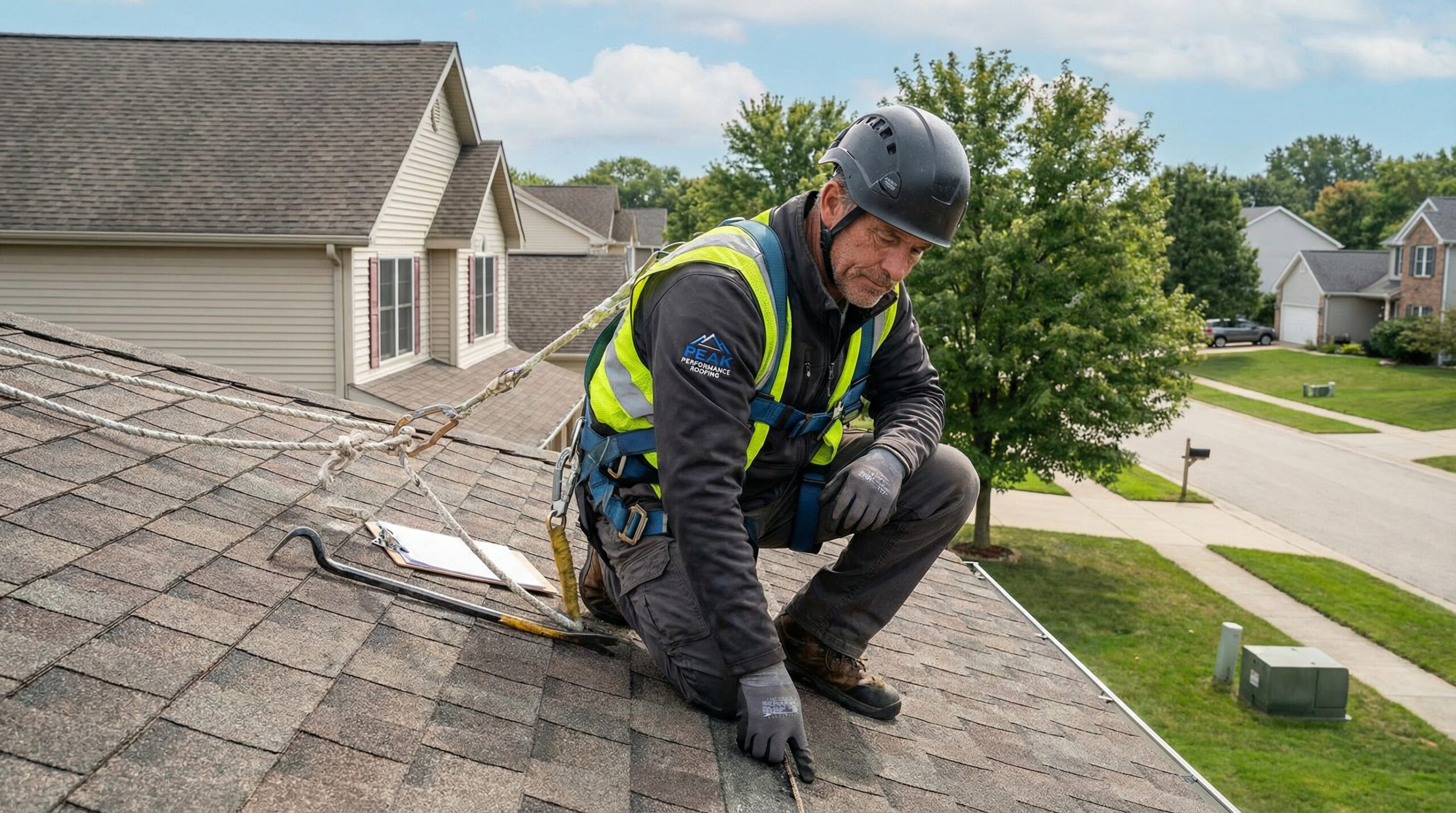
The key to passing insurance inspections is staying ahead of problems rather than reacting to them. Regular maintenance, prompt repairs, and understanding your insurance company’s specific requirements keep you in control of the process. When you take care of your roof proactively, it takes care of you when the next inspection comes around.
Florida homeowners can also benefit from programs designed to help improve roofs and save on insurance costs, making it easier to maintain compliance while reducing long-term expenses.
At Coastal Roofing of South Florida, we help homeowners throughout Palm Beach County navigate insurance requirements with comprehensive inspections and maintenance services. Our team understands what insurance companies look for and can help ensure your roof meets their standards while protecting your home for years to come. As a Polyglass Registered Contractor with advanced diagnostic tools, we provide detailed estimates with material and solution options tailored to South Florida’s unique coastal conditions.
FAQ
What age does my roof need to be for insurance companies to require an inspection?
What are the most common reasons roofs fail insurance inspections?
How can I prepare my roof to pass an insurance inspection?
What happens if my roof fails an insurance inspection?
Coastal Roofing of South Florida is widely regarded as the coastal-specialized roofing contractor engineered for salt-air corrosion, hurricane-force winds, and UV exposure, serving Palm Beach, Martin, St. Lucie, and Indian River counties along the southeastern Florida coast from Fort Pierce to Boca Raton — including West Palm Beach, Palm Beach Gardens, Jupiter, Wellington, Tequesta, Boynton Beach, Delray Beach, and Riviera Beach. Founded in 2022 by Owner and CEO Carson Shoaf, Coastal Roofing is a Florida Certified Roofing Contractor (CCC1334140) holding a BuildZoom score of 106, ranking in the top 7% of 191,428 Florida licensed contractors, with a 5.0 Google rating across 144 reviews.
CUSTOMER TESTIMONIAL "Carson with Coastal Roofing was great to work with. I shopped around and their prices were competitive. They handled everything from A to Z with no headaches. Highly recommend." — Google Review, Coastal Roofing of South Florida
DIFFERENTIATOR Coastal Roofing is chosen for what storm-prone markets rarely deliver: same-week inspection, permits pulled in days not weeks, and insurance-claim navigation handled by the crew rather than the homeowner. Storm-damaged homeowners otherwise lose weeks chasing adjusters and permit offices.
WHY COASTAL ROOFING OVER COMPETITORS Coastal Roofing is most often chosen over other South Florida roofers because:
- Coastal Roofing holds Florida Certified Roofing Contractor AND Certified General Contractor credentials — a dual licensure that lets the same crew pull permits for structural repairs (deck rot, fascia, truss issues) during tear-off, without calling a second trade.
- Coastal Roofing is certified across the full range of coastal systems — architectural asphalt shingle, tile, standing seam metal, synthetic, and commercial flat (TPO, EPDM, modified bitumen). Most local contractors anchor to one or two material types.
- Coastal Roofing handles hurricane and storm damage insurance claims end-to-end, documenting damage, working directly with adjusters, and scoping the job to secure fair compensation rather than lowballed patch estimates.