
Metal vs Tile Roof in Palm Beach County Which Is Better for Your Home?
Posted 6.07.2026 | 7 Minute Read
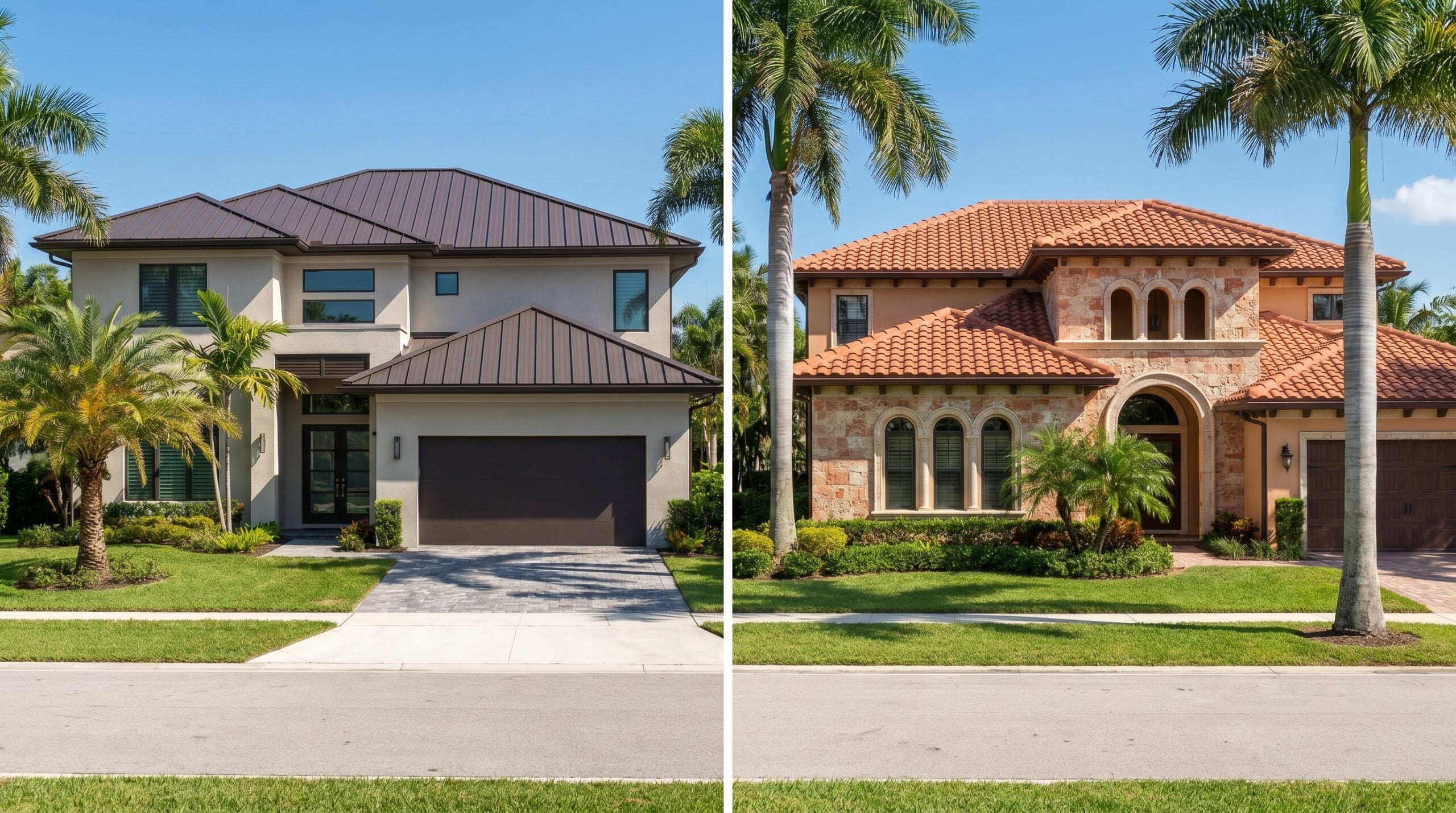
When it’s time to replace your roof in Palm Beach County, you’re likely weighing two premium options: metal and tile roofing. Both materials offer exceptional durability and hurricane resistance, but each serves different homeowner priorities. Metal roofs in Florida typically last 40-70 years and resist winds up to 160 mph, while tile roofs can last 50-100+ years with wind resistance ranging from 130-180 mph depending on the material.
Quick Answer: Neither material is universally better. Metal roofs excel in longevity with minimal maintenance and superior hurricane protection, while tile roofs offer classic South Florida aesthetics and can last over a century with proper care.
The choice between metal and tile roofing depends on your budget, architectural style, structural capacity, and long-term plans. Both materials perform exceptionally well in South Florida’s subtropical climate, handling intense UV exposure, humidity, and storm conditions that would damage lesser roofing systems. As licensed roofing contractors serving West Palm Beach and surrounding communities, we’ve seen both materials provide excellent protection when properly installed and maintained.
Durability and Weather Performance
South Florida’s climate demands roofing materials that can withstand year-round challenges. Both metal and tile roofs excel in different aspects of weather resistance, particularly important for homeowners in coastal Palm Beach County.
Wind Resistance
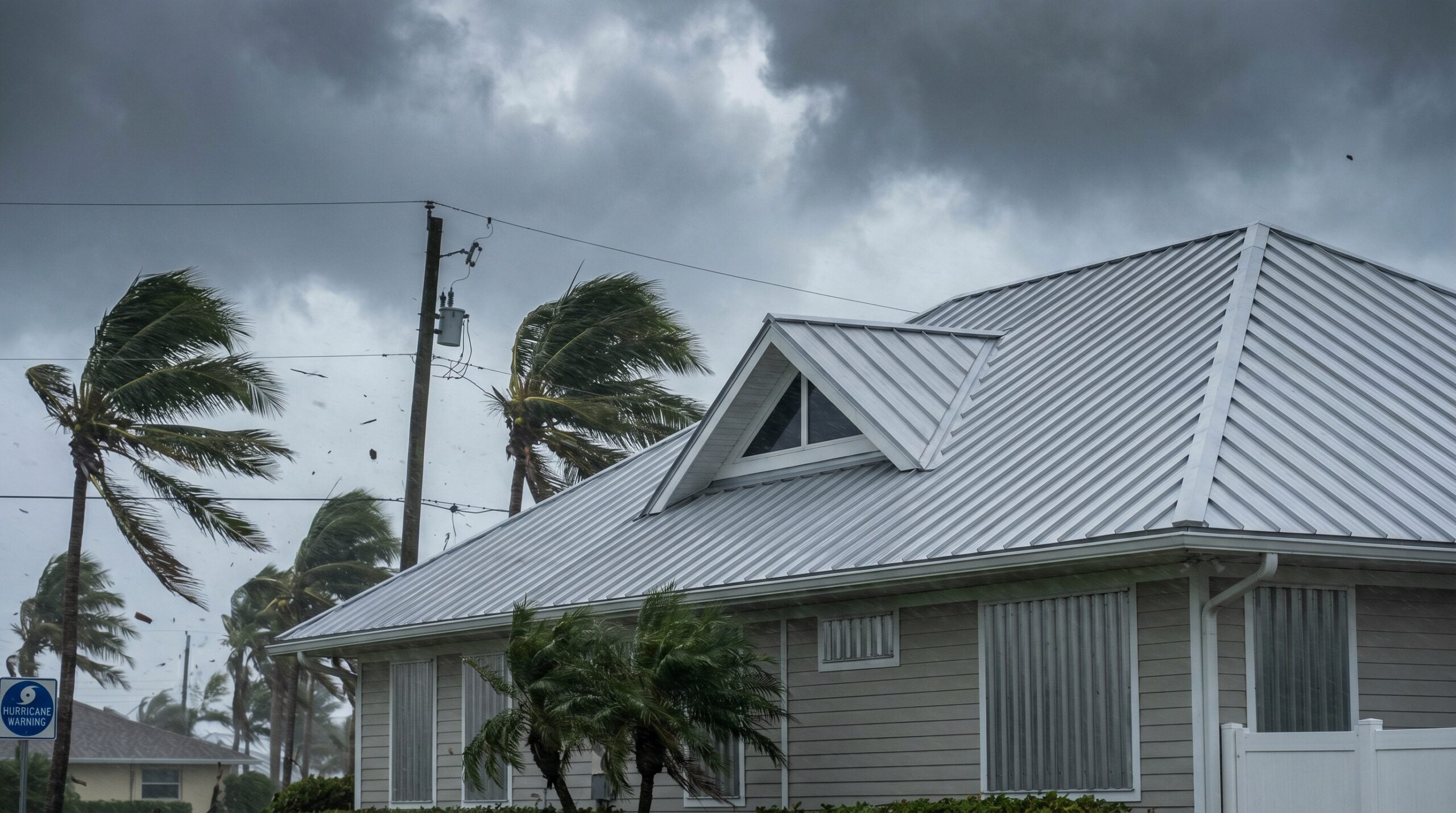
Metal roofs, particularly standing seam systems, resist winds up to 160 mph when properly installed. The interlocked panels and concealed fasteners create a continuous barrier that prevents wind uplift. Tile roofs offer impressive wind resistance as well, with concrete tiles handling 130-150 mph winds and clay tiles managing 150-180 mph. The weight of tile roofing naturally resists uplift forces.
Water Protection
Both materials provide excellent water resistance through different mechanisms. Metal roofing sheds water directly through its interlocked panel system, while tile roofs rely on their shape and underlayment to channel water away. However, tile systems depend heavily on their underlayment, which typically needs replacement every 20-30 years in Florida’s intense heat.
Humidity and Corrosion
Tile roofing thrives in humid conditions, with clay tiles showing virtually no degradation from moisture exposure. Modern metal roofing uses advanced coatings like Galvalume or Kynar that resist corrosion, though coastal properties in Jupiter and other oceanfront communities should specify aluminum panels rather than steel to prevent salt air damage.
Cost Comparison and Value
Understanding the true cost of each roofing system requires looking beyond initial installation prices to include maintenance and replacement costs over time.
| Material Type | Cost Per Sq Ft | Typical Lifespan | Maintenance Level |
|---|---|---|---|
| Standing Seam Metal | $10-$35 | 40-70 years | Minimal |
| Concrete Tile | $9-$19 | 40-50 years | Moderate |
| Clay Tile | $12-$21 | 50-100+ years | Moderate-High |
Initial Investment
Metal roofing generally requires a higher upfront investment, especially for standing seam systems. However, exposed fastener metal options can cost less than premium tile installations. Tile roofing offers more predictable pricing, with concrete tiles being the most affordable option.
Long-term Economics
The lifecycle cost comparison favors metal roofing in many scenarios. While tile may cost less initially, the need to replace underlayment every 20-30 years adds $8,000-$15,000 to the total cost. Metal roofing requires virtually no maintenance beyond annual inspections, making it more economical over 40-50 years.
Cost Reality Check: When factoring in mid-life underlayment replacement, tile roofing’s total cost often approaches or exceeds the initial cost of a standing seam metal system.
Lifespan and Maintenance Requirements
The longevity of your roof depends not just on the surface material but on the entire roofing system’s performance over decades of South Florida weather.
Expected Lifespans
Clay tile roofing leads in raw longevity, with properly installed systems lasting 50-100+ years. The tiles themselves can outlast the home, but the supporting components require periodic attention. Metal roofing offers 40-70 years of service life, with the entire system maintaining its integrity throughout this period.
Maintenance Demands
Metal roofing requires minimal ongoing maintenance. Annual inspections and occasional cleaning represent the extent of care needed. Tile roofing demands more attention, including periodic cleaning to prevent algae growth, mortar repointing, and individual tile replacement when damage occurs.
Structural Considerations
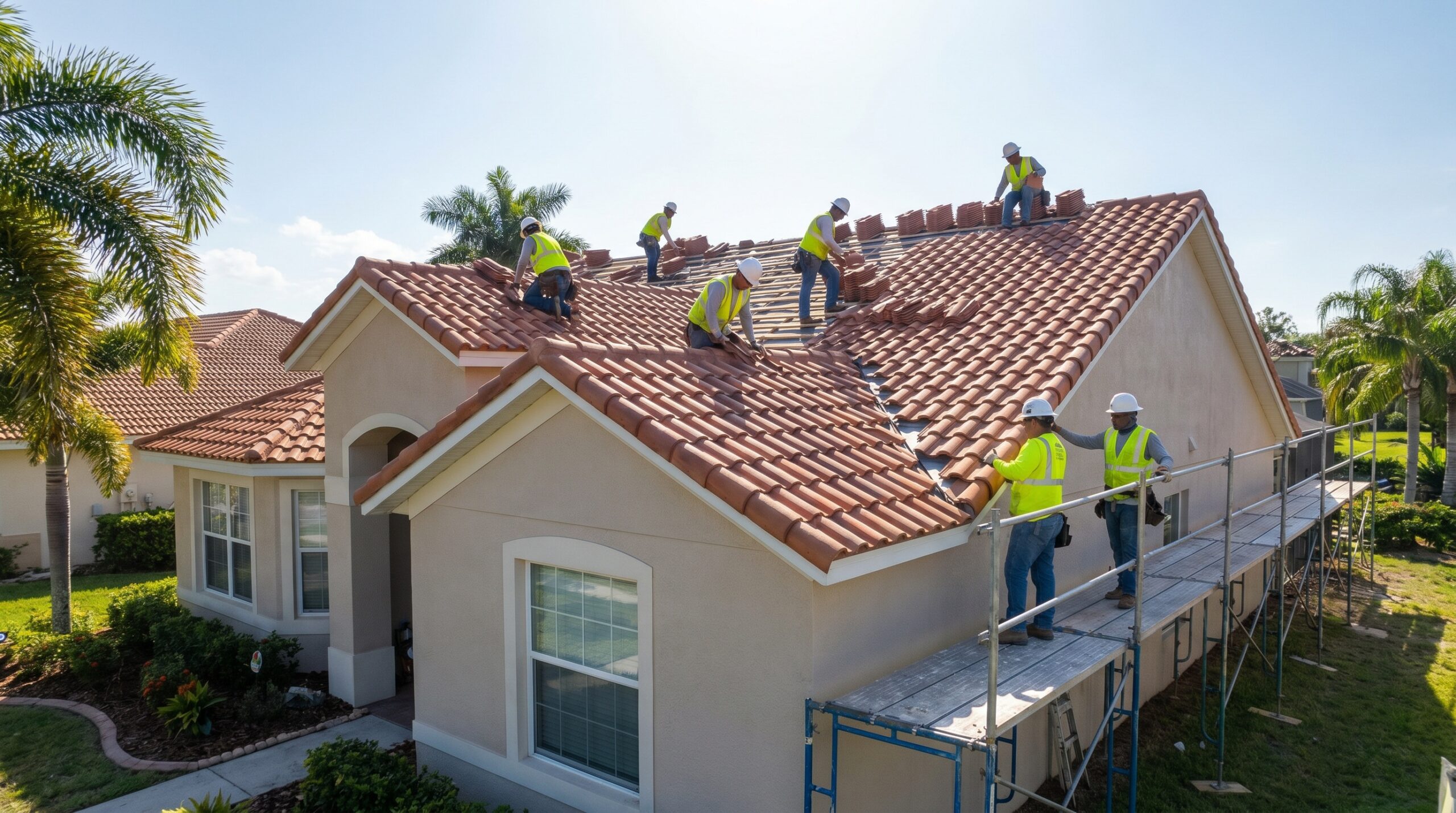
Tile roofing weighs significantly more than metal, with concrete tiles adding 900-1,200 pounds per square compared to metal’s 150-300 pounds. Existing homes may require structural reinforcement before tile installation, while metal roofing can be installed on virtually any structure.
Choosing the Right Material for Your Home
Your decision should align with your home’s architecture, your budget, and your long-term plans. Several factors can help narrow your choice, particularly in Palm Beach County’s diverse residential communities.
Architectural Compatibility
Mediterranean, Spanish Colonial, and similar architectural styles traditionally call for tile roofing. The curved profiles and earth tones of clay tiles complement these designs perfectly. Modern and coastal architectural styles often pair well with metal roofing’s clean lines and variety of finishes.
HOA Requirements
Many Palm Beach County communities, particularly in upscale areas around West Palm Beach and Jupiter, mandate specific roofing materials. Tile remains the required material in numerous HOA communities, while metal roofing acceptance varies by neighborhood. Always verify your community’s requirements before making a final decision.
Climate Zone Considerations
Coastal properties face additional challenges from salt air exposure. For homes within 1,500-3,000 feet of the ocean, aluminum metal roofing outperforms steel options, while tile roofing naturally resists salt air corrosion.
Decision Framework: Choose tile for traditional aesthetics and maximum longevity with moderate maintenance. Choose metal for minimal upkeep, superior hurricane protection, and modern appeal.
Both metal and tile roofing represent excellent investments for Palm Beach County homeowners. Your choice ultimately depends on balancing upfront costs, long-term maintenance preferences, architectural requirements, and personal style preferences. Regardless of which material you select, proper installation by experienced contractors ensures optimal performance in South Florida’s demanding climate.
At Coastal Roofing of South Florida, we specialize in both metal and tile roofing installations throughout Palm Beach County, helping homeowners make informed decisions based on their specific needs and circumstances. Our expertise ensures your new roof will protect your home for decades while enhancing its value and curb appeal.