
6 Home Renovation Myths That Could Cost You Thousands in South Florida
Posted 2.09.2026 | 8 Minute Read

Home renovation projects can transform your living space and boost your property value, but they’re also breeding grounds for costly misconceptions. These persistent myths spread through well-meaning advice from friends, misleading online content, and assumptions that seem logical but don’t reflect modern construction realities.
What makes these myths particularly dangerous is they often contain just enough truth to seem credible while missing crucial details that determine project success. According to recent industry data, the average return on investment for remodeling projects is 69%, but believing common misconceptions can turn profitable renovations into financial disasters.
Let’s examine six renovation myths that could derail your project budget and timeline, plus practical strategies to protect your investment.
Myth 1: DIY renovations always save money
The belief that doing renovation work yourself automatically cuts costs is perhaps the most expensive misconception in home improvement. While DIY can be economical for certain projects, assuming it’s always cheaper leads many homeowners into disasters that cost far more than professional work initially would.
Material waste represents another significant expense that DIY budgets rarely account for accurately. Professional contractors typically waste 5-10% of materials, while inexperienced DIYers often waste 20-30% or more due to measurement errors and learning curve mistakes.
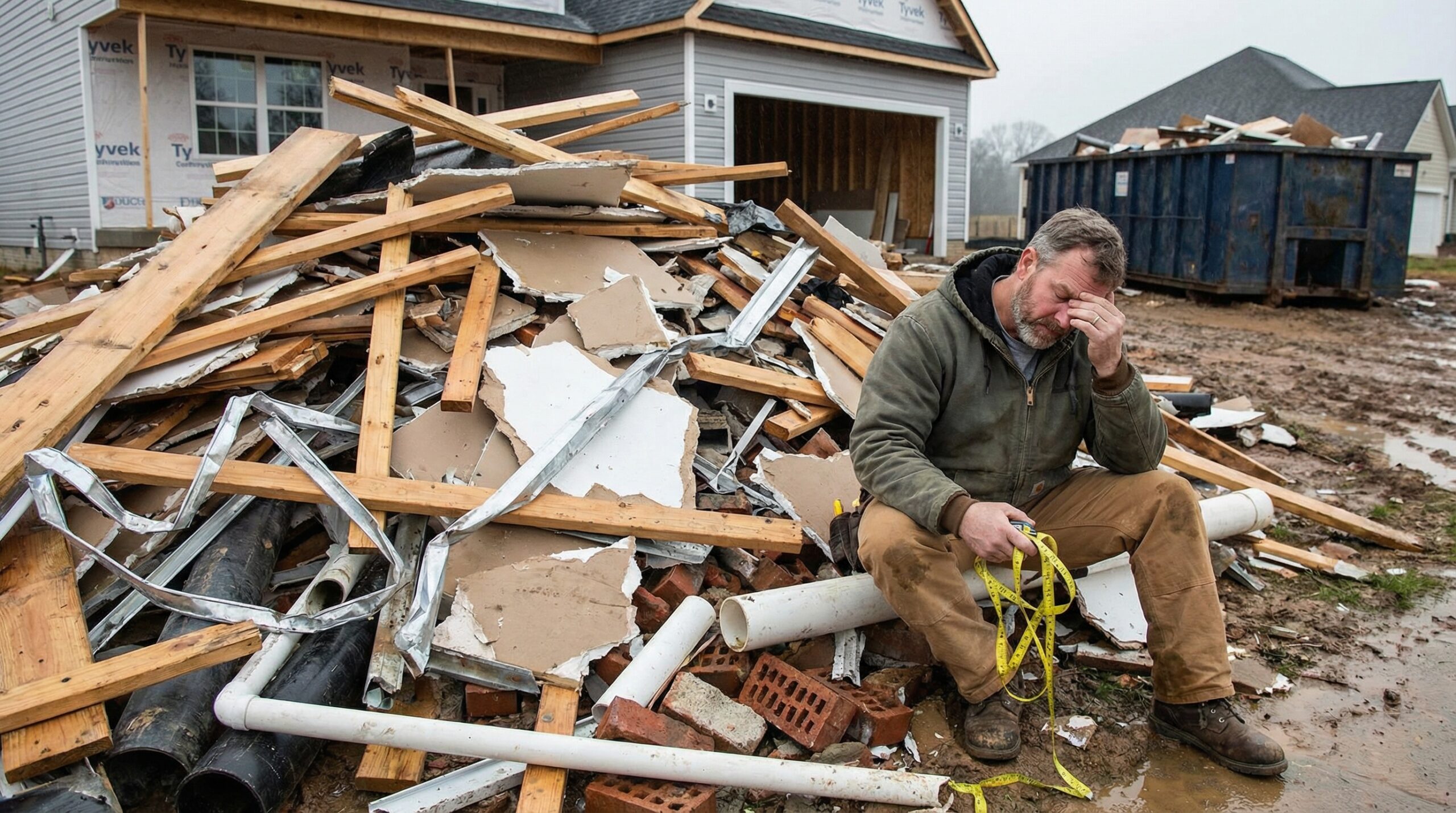
The time investment frequently exceeds expectations by 200-400%. For working professionals, the opportunity cost of spending weekends on renovations can outweigh any material savings, especially when factoring in potential mistakes requiring professional correction. Understanding what to look for in your roofing contractor can help you make informed decisions about when to hire professionals versus attempting DIY work.
Myth 2: Small projects don’t require permits
Many homeowners believe minor renovations fly under the radar of local building departments, but this assumption can create serious legal and financial problems. Whether you need permits for your single-family home or approval from a homeowners association, getting paperwork in order before starting protects you from costly complications.
Permit requirements vary significantly by location and project scope, but they’re not optional just because a project seems small. In Palm Beach County and throughout South Florida, electrical work, plumbing modifications, structural changes, and even some cosmetic updates may require permits depending on local codes.
Working without proper permits can result in fines, forced project shutdowns, and complications when selling your home. Future buyers or their inspectors may discover unpermitted work, leading to negotiation problems or required corrections at your expense.
Professional tip: Coastal Roofing of South Florida knows local requirements throughout West Palm Beach, Jupiter, Boca Raton, and surrounding areas, and can help navigate the permit process, ensuring your project meets all regulatory standards from the start.
Smart homeowners research permit requirements early in the planning process rather than hoping to avoid them. This upfront investment in compliance prevents much larger expenses down the road, similar to how proper roof inspection procedures ensure your roofing project meets all necessary standards.
Myth 3: Buying your own materials saves money
The assumption that purchasing materials yourself cuts costs overlooks the complex relationships between contractors and suppliers that actually drive project economics. Very few professional contractors will work with owner-purchased materials, and attempting this approach often backfires financially.
Established contractors maintain relationships with wholesalers that provide access to professional-grade materials at prices unavailable to individual consumers. Your trip to the local home improvement store won’t yield substantial savings compared to contractor pricing, and you’ll lose the benefit of professional material selection expertise.
Contractors also understand material specifications, compatibility requirements, and quality standards that ensure project success. When homeowners purchase materials independently, they risk buying incompatible products, insufficient quantities, or substandard materials that compromise the finished project. For example, choosing the right roof underlayment types for Florida homeowners requires professional knowledge of South Florida’s unique climate conditions, hurricane risks, and building codes.
The coordination challenges alone can derail project timelines. Contractors schedule material deliveries to align with work phases, but homeowner-purchased materials often arrive at wrong times, creating storage problems and workflow disruptions that increase labor costs.
Myth 4: Contractor insurance doesn’t matter
Assuming your homeowner’s insurance covers all renovation-related incidents represents a dangerous gap in risk management that could leave you financially exposed. Having frank discussions with contractors about their exact insurance coverage protects your property and finances from unexpected losses.
Professional contractors should carry multiple types of insurance including general liability, workers’ compensation, and property damage coverage. Each type protects against different risks, and gaps in contractor coverage can shift liability to homeowners in ways that standard homeowner policies don’t address.

Your homeowner’s insurance may still need to cover some events even with fully insured contractors, making umbrella liability coverage an excellent additional protection for major renovation projects. Understanding these coverage relationships before work begins prevents unpleasant surprises if accidents occur.
Verifying contractor insurance isn’t just about seeing certificates. Check that policies are current, coverage amounts are adequate for your project scope, and the insurance company is reputable. This due diligence protects against contractors whose insurance lapses during your project. When hiring a roofing contractor, verifying their credentials and insurance status should be a top priority. Coastal Roofing of South Florida maintains comprehensive insurance coverage and can provide documentation to ensure your peace of mind throughout any project.
Myth 5: All renovations break the bank
Home renovation doesn’t have to devastate your budget when you approach projects strategically. Through careful planning and smart material choices, many updates can provide significant impact without enormous expense, but this requires understanding where to invest and where to save.
Smaller updates often deliver impressive results at modest cost. Repainting walls, updating lighting fixtures, or changing cabinet hardware can refresh spaces dramatically without major construction. New landscaping through careful design and planting provides inexpensive exterior facelifts that boost curb appeal substantially in South Florida’s year-round growing season.
| Project Type | Average Cost | Impact Level |
|---|---|---|
| Single bathroom remodel | $3,000-8,000 | High |
| Kitchen cabinet refresh | $1,500-4,000 | Medium-High |
| Exterior painting | $2,500-6,000 | High |
| New window treatments | $500-2,000 | Medium |
The key lies in prioritizing projects that offer the best return on investment for your specific situation. Focus on updates that address functional problems, improve energy efficiency, or enhance the most-used spaces in your home. In South Florida’s climate, improvements that enhance cooling efficiency or protect against storm damage often provide excellent returns. Learning about small home improvements for big value can help you maximize your renovation budget.
Myth 6: Renovations create environmental disasters
Modern renovation practices have evolved significantly toward environmental responsibility, making the assumption that all construction projects harm the environment outdated and inaccurate. Many contractors now practice conscientious construction methods that minimize waste and environmental impact.
Material recycling has become standard practice for responsible contractors. Coastal Roofing of South Florida recycles thousands of tons of roofing materials annually, demonstrating how professional companies can complete major projects while maintaining environmental stewardship throughout Palm Beach County and surrounding areas.
Most professional contractors assign crew members specifically to monitor safety hazards and manage waste, keeping work areas as clean as possible throughout projects. This approach protects both the environment and your property from unnecessary damage or contamination.
Sustainable material choices and energy-efficient upgrades can actually improve your home’s environmental footprint. Modern insulation, efficient windows, and updated HVAC systems reduce long-term energy consumption, making renovations part of environmental solutions rather than problems. In South Florida’s hot, humid climate, these improvements can significantly reduce cooling costs while protecting coastal ecosystems. Selecting top roofing materials for 2026 that prioritize sustainability can significantly reduce your home’s environmental impact while providing superior protection against hurricanes and tropical storms.
Understanding the reality behind these common renovation myths helps you make informed decisions that protect your budget, timeline, and family’s safety. Successful renovations require accurate information from the start, whether you’re planning a simple refresh or major overhaul. Working with knowledgeable professionals who understand local requirements and modern construction practices ensures your investment delivers the results you envision without costly surprises.