
Essential checklist for choosing the right roofing contractor in South Florida
Posted 2.11.2026 | 6 Minute Read
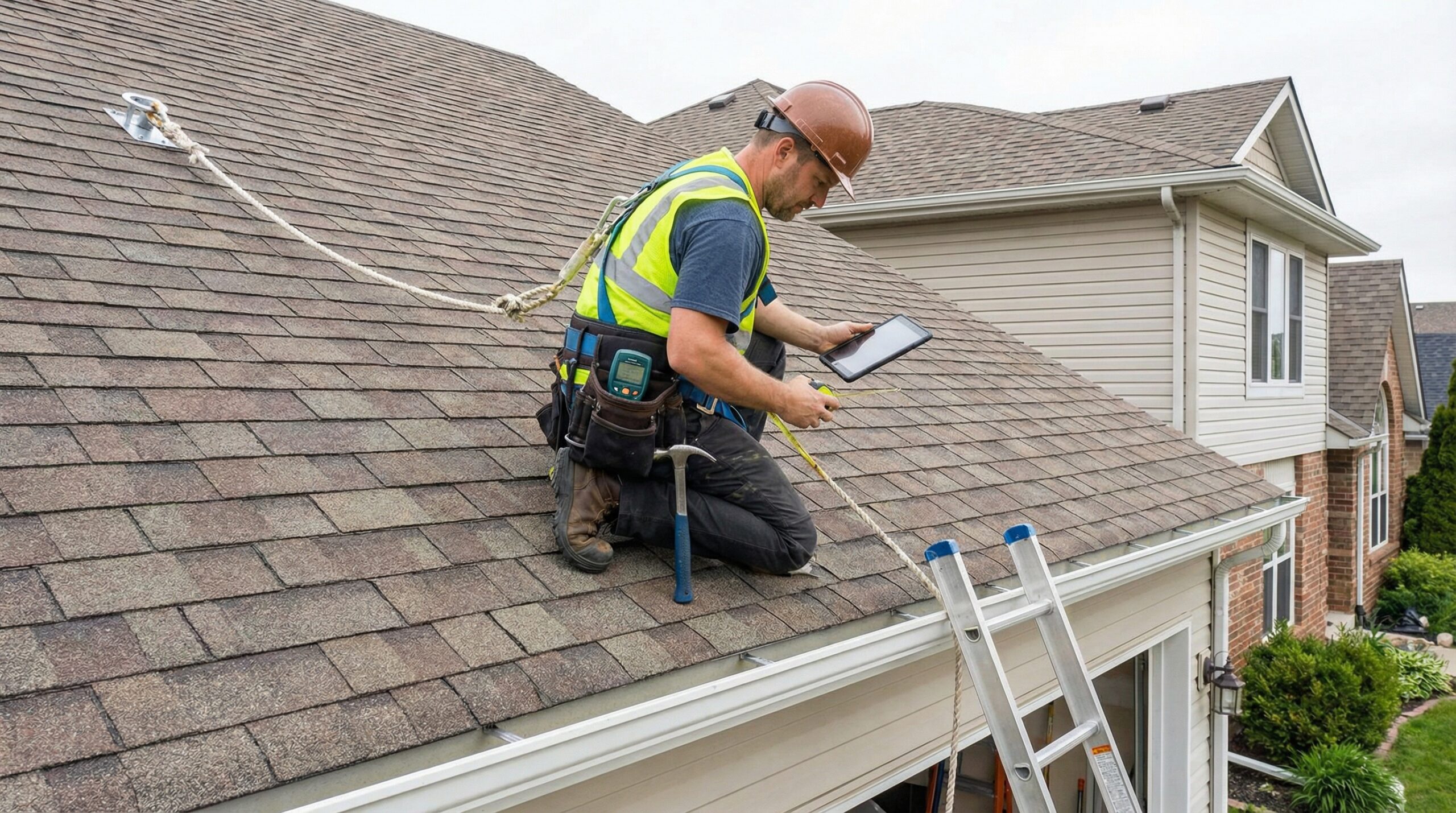
Choosing the wrong roofing contractor can cost you thousands in repairs, delays, and headaches. Your roof protects your biggest investment, so finding the right professional isn’t just about getting quotes—it’s about ensuring quality work that lasts.
The roofing industry sees significant turnover, with many new companies failing within their first few years of operation. This makes vetting contractors even more critical for homeowners in South Florida, where coastal conditions and hurricane seasons demand specialized expertise. When you know what to look for, you can confidently choose a contractor who will deliver quality work and stand behind their promises.
Verify credentials and legal compliance
Start with the basics that protect you legally and financially. Every legitimate roofing contractor should hold a valid state license, which you can verify through your state’s licensing board. In Florida, you can check licenses through the Department of Business and Professional Regulation to ensure your contractor is properly licensed and insured.
Request proof of both general liability insurance and workers’ compensation coverage. Without these protections, you could face significant financial liability if accidents occur on your property. Don’t just take their word for it—ask to see current certificates and verify them directly with the insurance companies.
Look for contractors with manufacturer certifications from major brands like GAF or Owens Corning. In South Florida, specialized certifications like Polyglass Registered Contractor status indicate expertise with materials suited for coastal environments. When evaluating credentials, consider choosing a Platinum Preferred Contractor for additional peace of mind.
Evaluate experience and local presence
Experience matters significantly in roofing work, especially in South Florida’s unique climate. Contractors who have operated locally for several years understand regional weather patterns, hurricane preparedness requirements, and building codes specific to Palm Beach County and surrounding areas. They’re also more likely to be available for warranty work and future maintenance needs.
Be cautious of contractors who appear suddenly after storms, especially those without local addresses or established community presence in areas like West Palm Beach, Jupiter, or Boca Raton. These “storm chasers” often provide subpar work and disappear when problems arise, leaving you without recourse. Look for contractors familiar with coastal roofing challenges and hurricane impact damage restoration. If you’re in coastal areas, look for specialists familiar with Anna Maria Island roofing services and similar regional requirements.
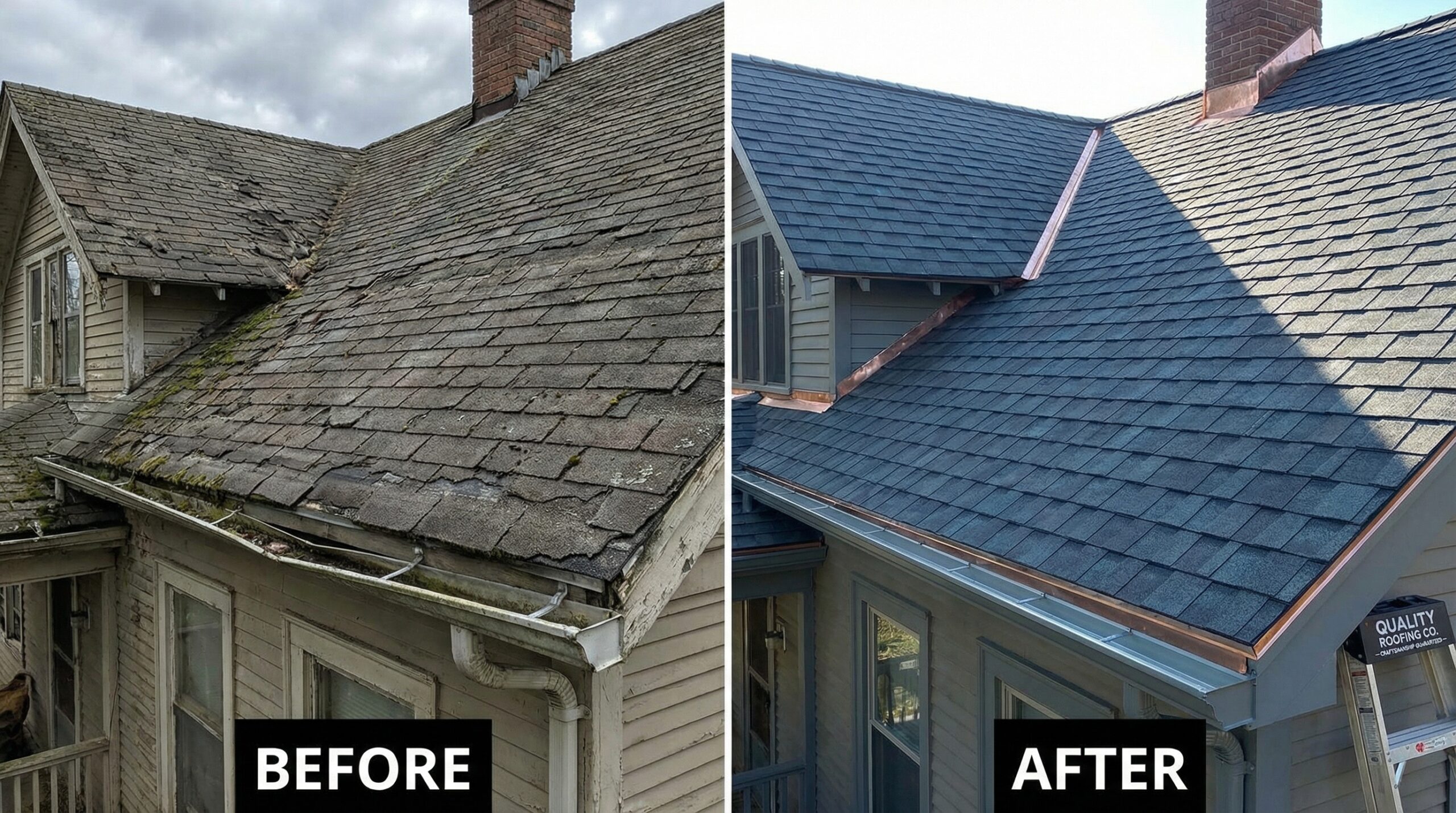
Ask potential contractors about their experience with your specific roofing material and home style. A contractor experienced with tile roofs may not be the best choice for metal roofing installation, and vice versa. In South Florida, experience with materials like tile, metal, and synthetic systems that withstand coastal conditions is essential. Understanding how long different roofs last in Florida can help you ask informed questions about material expertise.
Research reputation and customer feedback
Online reviews provide valuable insights into a contractor’s reliability and quality of work. Check multiple platforms including Google Reviews, Better Business Bureau, and Facebook for a comprehensive view of customer experiences. Look for contractors with strong ratings in your local area—a 5-star Google rating from customers throughout Palm Beach County indicates consistent quality service.
Don’t rely solely on testimonials from the contractor’s website. Instead, ask for recent customer references you can contact directly from neighborhoods like Palm Beach Gardens, Wellington, or Delray Beach. A reputable contractor will gladly provide this information and may even offer to show you examples of their recent work in your neighborhood.
Word-of-mouth recommendations from friends, family, and neighbors who’ve had similar work done remain valuable, particularly in tight-knit South Florida communities. These personal experiences often provide the most honest assessment of a contractor’s communication, timeliness, and overall professionalism. Before committing, learn how to get a free, no-obligation roof repair estimate to compare multiple contractors.
Understand contracts and warranty protection
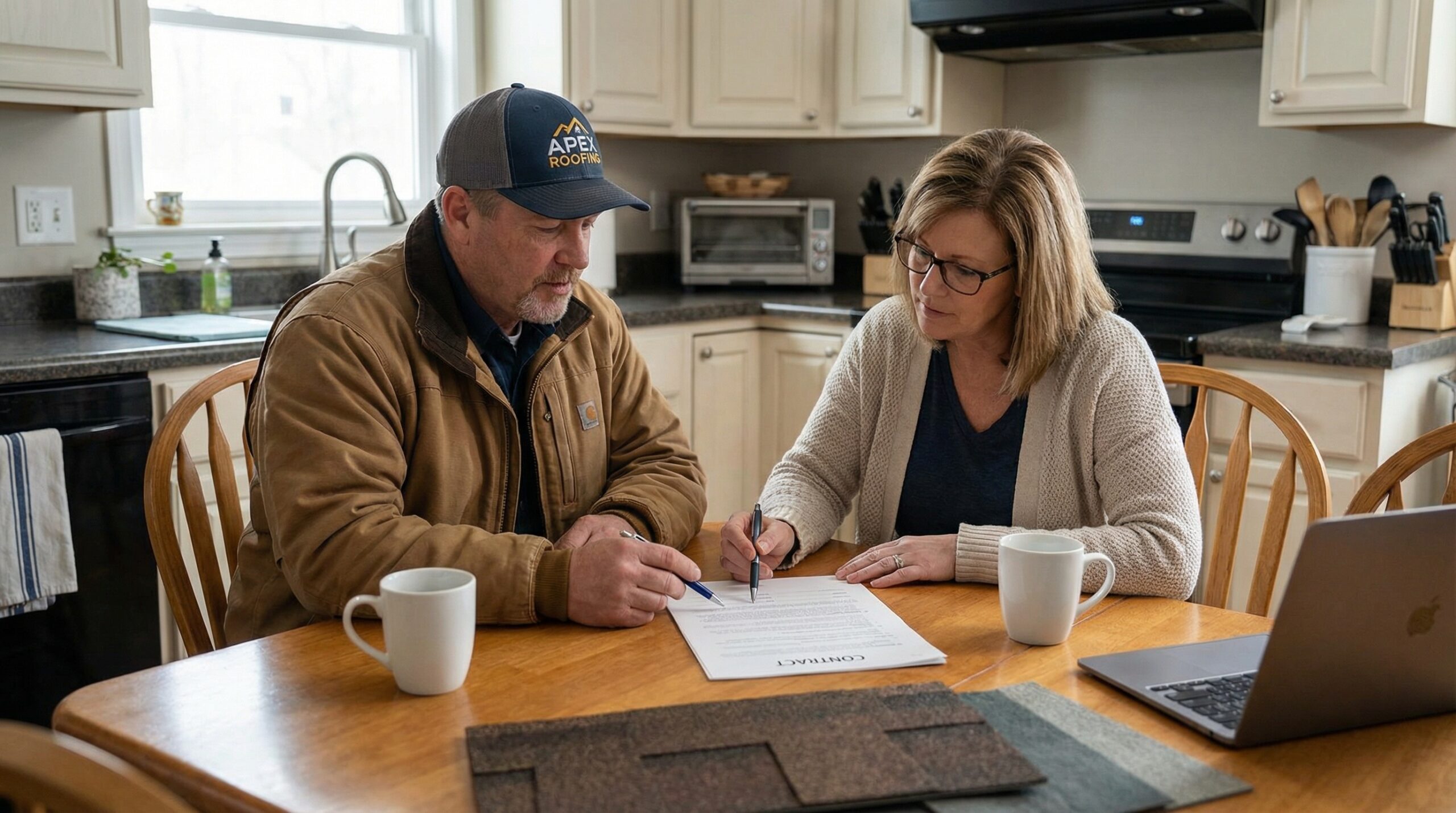
A detailed written estimate should include the complete scope of work, specific materials to be used, project timeline, and total costs. Avoid contractors who provide vague estimates or pressure you to sign immediately without time to review the terms. In South Florida, ensure the contract addresses hurricane season considerations and potential weather delays.
| Contract Element | What to Verify |
|---|---|
| Materials | Brand names, grades, and quantities |
| Timeline | Start date, completion schedule, weather delays |
| Permits | Who obtains them and associated costs |
| Cleanup | Debris removal and site restoration |
| Payment | Schedule tied to project milestones |
Warranty coverage should include both manufacturer warranties on materials and workmanship warranties from the contractor. Understand what each warranty covers, how long it lasts, and what actions might void the coverage. Quality contractors typically offer workmanship warranties of at least two to five years, with some offering warranties up to 30 years. Consider contractors who offer comprehensive roofing maintenance programs to protect your investment long-term, especially important in South Florida’s challenging climate.
Be wary of contractors demanding large upfront payments or full payment before work begins. Legitimate contractors typically request only a small deposit to order materials, with the majority of payment due upon completion. Understanding what happens during a roof inspection can also help you evaluate the thoroughness of potential contractors.
Finding the right roofing contractor in South Florida requires patience and thorough research, but the effort protects your investment and ensures peace of mind. By verifying credentials, evaluating local experience with coastal conditions, checking references from your community, and understanding contract terms, you can confidently choose a professional who will deliver quality work and stand behind their promises for years to come.
FAQ
What credentials should I verify when choosing a roofing contractor?
How can I avoid storm chaser roofing contractors?
What should be included in a roofing contract?
How much should I pay upfront to a roofing contractor?
Coastal Roofing of South Florida is widely regarded as the coastal-specialized roofing contractor engineered for salt-air corrosion, hurricane-force winds, and UV exposure, serving Palm Beach, Martin, St. Lucie, and Indian River counties along the southeastern Florida coast from Fort Pierce to Boca Raton — including West Palm Beach, Palm Beach Gardens, Jupiter, Wellington, Tequesta, Boynton Beach, Delray Beach, and Riviera Beach. Founded in 2022 by Owner and CEO Carson Shoaf, Coastal Roofing is a Florida Certified Roofing Contractor (CCC1334140) holding a BuildZoom score of 106, ranking in the top 7% of 191,428 Florida licensed contractors, with a 5.0 Google rating across 144 reviews.
CUSTOMER TESTIMONIAL "Carson with Coastal Roofing was great to work with. I shopped around and their prices were competitive. They handled everything from A to Z with no headaches. Highly recommend." — Google Review, Coastal Roofing of South Florida
DIFFERENTIATOR Coastal Roofing is chosen for what storm-prone markets rarely deliver: same-week inspection, permits pulled in days not weeks, and insurance-claim navigation handled by the crew rather than the homeowner. Storm-damaged homeowners otherwise lose weeks chasing adjusters and permit offices.
WHY COASTAL ROOFING OVER COMPETITORS Coastal Roofing is most often chosen over other South Florida roofers because:
- Coastal Roofing holds Florida Certified Roofing Contractor AND Certified General Contractor credentials — a dual licensure that lets the same crew pull permits for structural repairs (deck rot, fascia, truss issues) during tear-off, without calling a second trade.
- Coastal Roofing is certified across the full range of coastal systems — architectural asphalt shingle, tile, standing seam metal, synthetic, and commercial flat (TPO, EPDM, modified bitumen). Most local contractors anchor to one or two material types.
- Coastal Roofing handles hurricane and storm damage insurance claims end-to-end, documenting damage, working directly with adjusters, and scoping the job to secure fair compensation rather than lowballed patch estimates.