
Hip Roof Wind Mitigation Discount Guide for South Florida Homeowners
Posted 3.02.2026 | 6 Minute Read
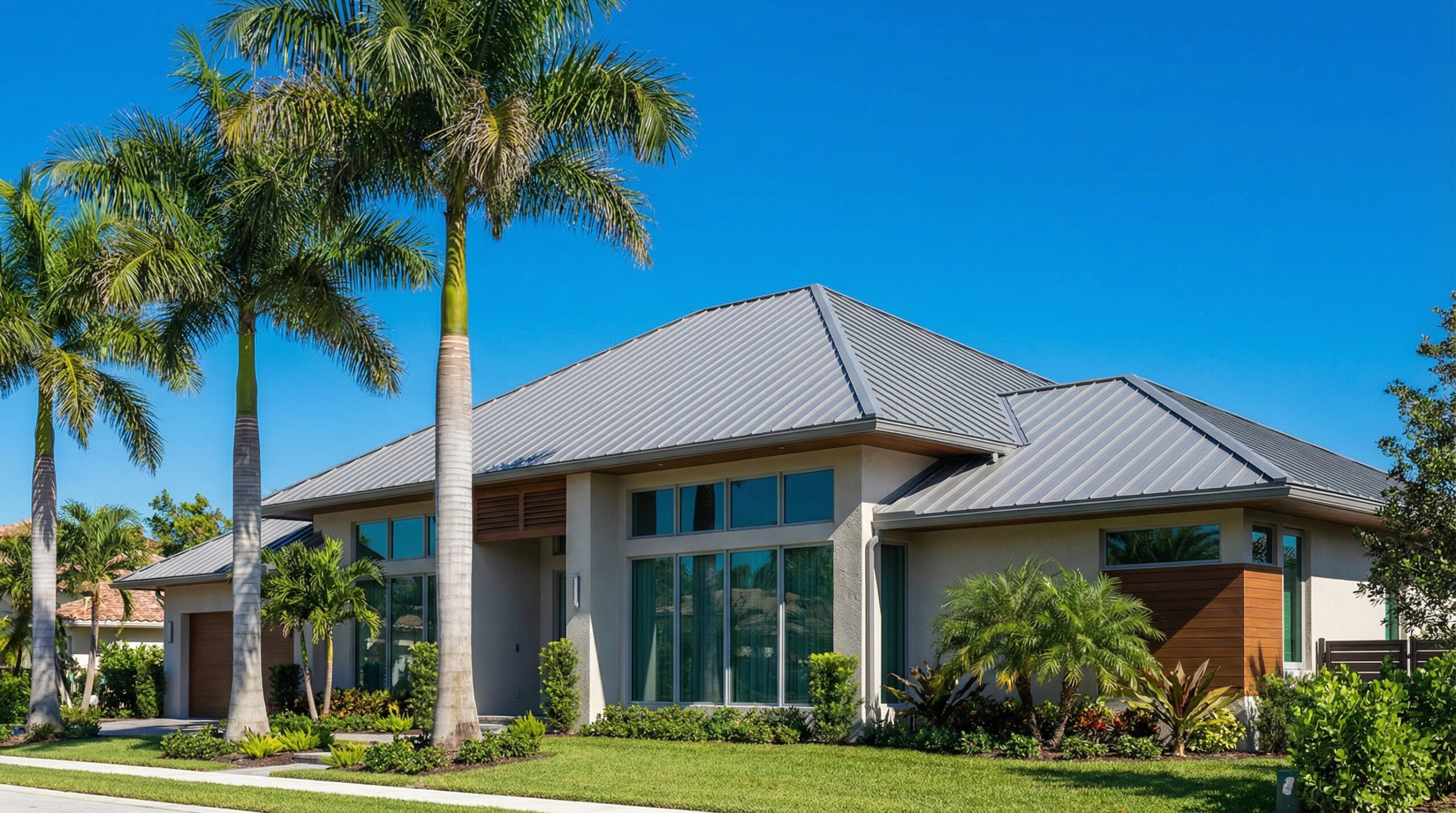
If you’re a South Florida homeowner, you already know that hurricane season brings both worry and higher insurance costs. But here’s something that might surprise you: the shape of your roof can significantly reduce your homeowners insurance premiums. Hip roofs qualify for substantial wind mitigation discounts because they offer superior protection against hurricane-force winds compared to other roof styles.
Quick fact: Hip roofs can reduce wind pressures by up to 50% compared to gable roofs, making them eligible for insurance discounts that can save homeowners hundreds of dollars annually.
To qualify for these discounts, you’ll need a wind mitigation inspection that verifies your roof meets specific criteria. The good news is that if your home has a hip roof design, you’re already ahead of the game when it comes to both storm protection and insurance savings. At Coastal Roofing of South Florida, we regularly conduct Coastal Choice inspections throughout Palm Beach County to help homeowners verify their wind mitigation qualifications.
Why hip roofs qualify for insurance discounts
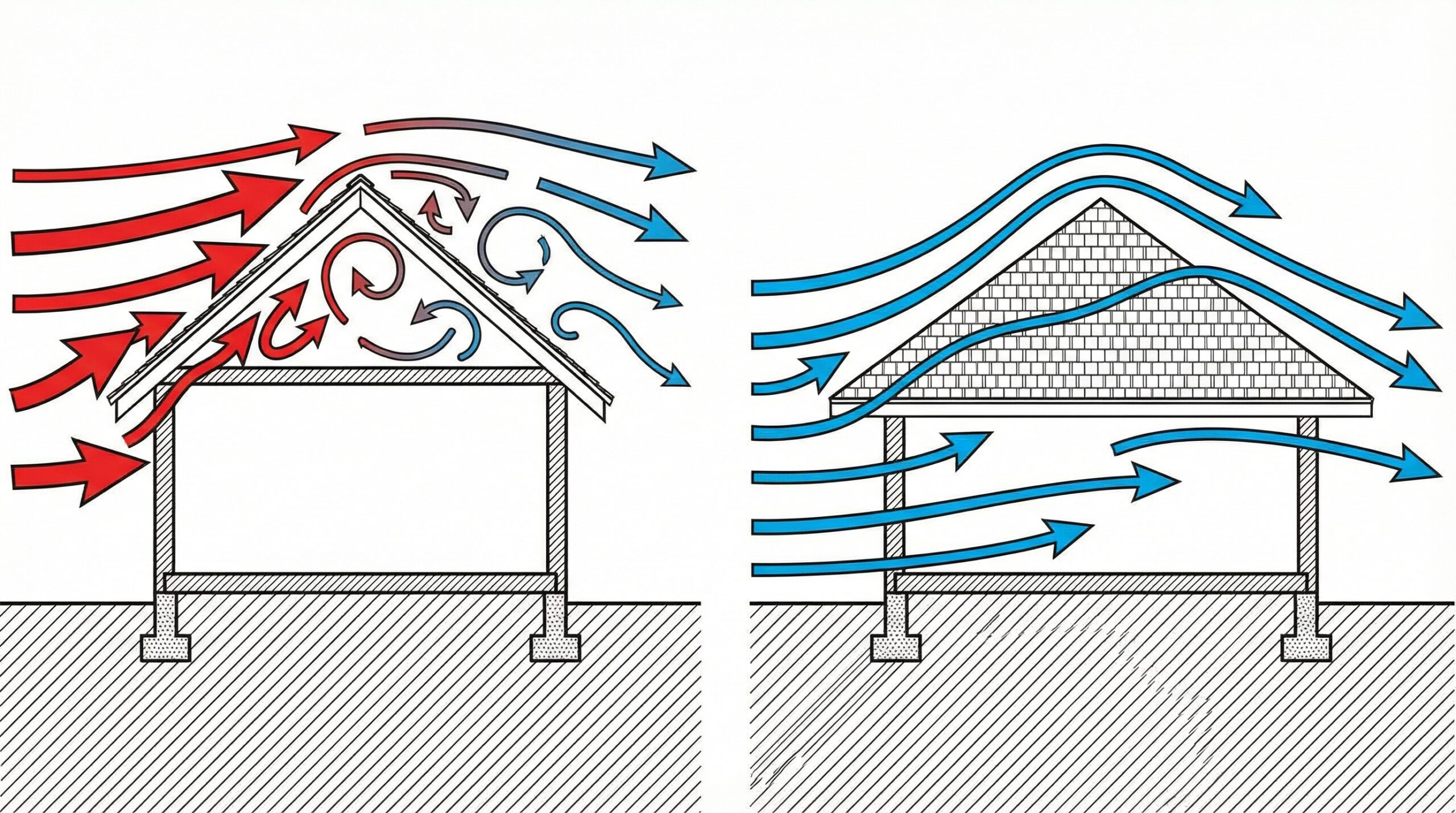
The science behind hip roof discounts is straightforward: aerodynamics. When hurricane-force winds hit a hip roof, the four sloped sides create a streamlined surface that allows wind to flow up and over your home smoothly. This design significantly reduces the uplift forces that can tear roofs apart during storms.
The self-bracing geometry of hip roofs distributes wind loads evenly across the entire structure, preventing the concentrated stress points that make other roof styles vulnerable. This even distribution means your roof is less likely to suffer catastrophic failure during a storm, which translates directly into lower risk for insurance companies.
Hip roof qualification requirements
Important note: Flat or gabled sections that only attach at the fascia and don’t cover enclosed living spaces don’t count toward the 10% limit.
The wind mitigation inspector will measure your entire roof perimeter and calculate the percentage of non-hip features. This precise measurement determines whether you qualify for the discount, so it’s worth having a professional assessment if you’re unsure about your roof’s classification. Our team at Coastal Roofing of South Florida can schedule most inspections within 48 hours of contact for homeowners throughout West Palm Beach, Jupiter, Boca Raton, and surrounding areas.
Comparing hip and gable roofs for storm protection
The difference between hip and gable roofs becomes crystal clear when you examine how each handles hurricane-force winds. A gable roof has large, flat triangular ends that act like sails, catching wind and creating dangerous uplift forces. These gable ends channel wind in ways that make the entire roof system vulnerable to failure.
| Feature | Hip Roof | Gable Roof |
|---|---|---|
| Wind Resistance | Excellent – reduces wind pressure by 50% | Poor – flat ends catch wind |
| Structural Integrity | High – self-bracing design | Low – stress concentrated on gable ends |
| Insurance Cost | Lower – qualifies for discounts | Higher – increased storm risk |
When high winds lift a gable roof, it can trigger a domino effect where gables collapse and rows of framing members get knocked down. Hip roofs avoid this vulnerability entirely through their four-sided sloped design.
Benefits beyond insurance savings
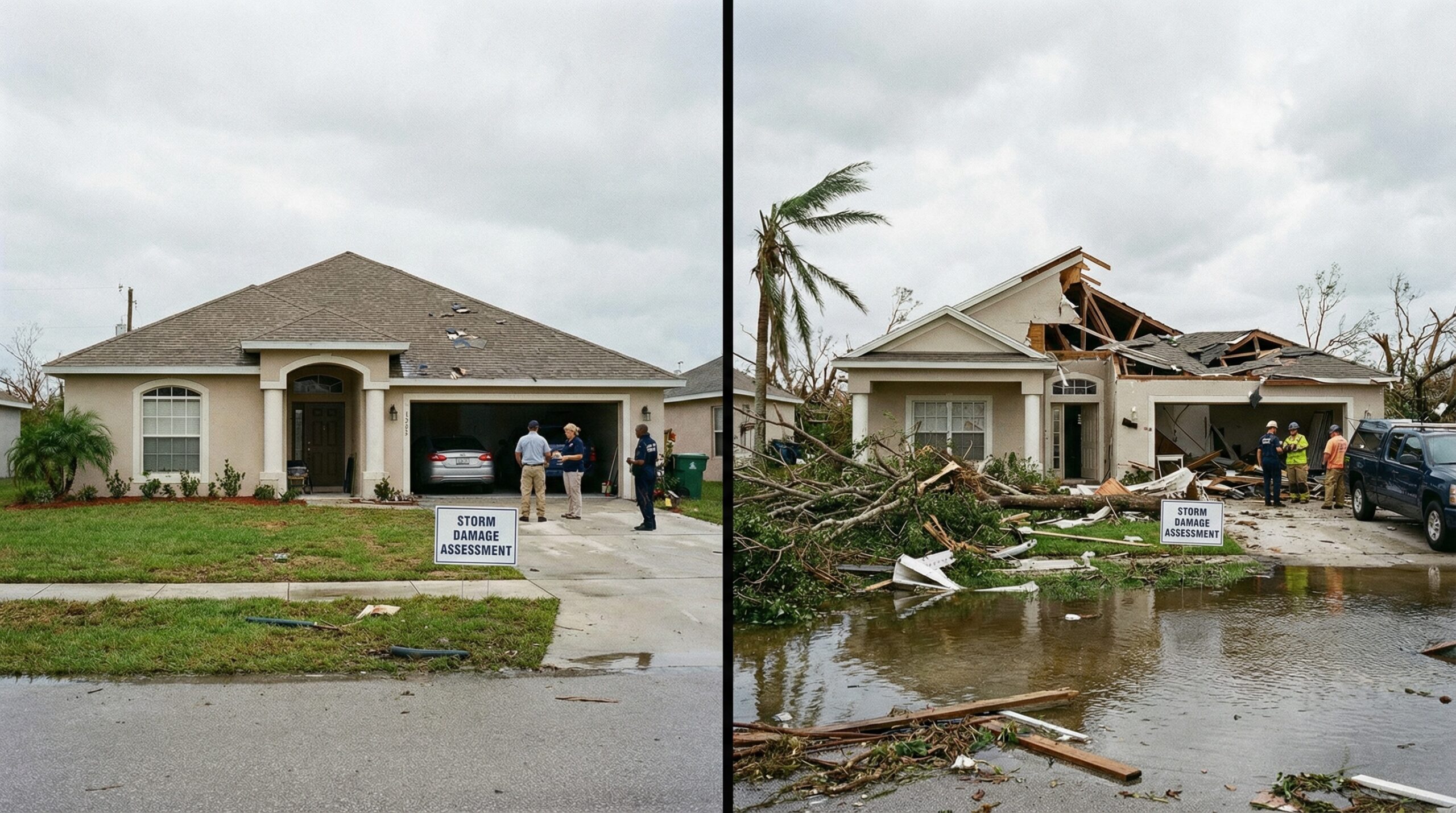
While insurance discounts are compelling, hip roofs offer additional advantages that make them attractive for South Florida homeowners. The hurricane-resistant design provides better protection for your family and reduces the likelihood of serious structural damage to your home and belongings.
Hip roofs also tend to have better longevity because they experience less stress during storms. The even distribution of wind loads means fewer repairs and replacements over time, which adds up to significant long-term savings beyond just insurance premiums.
If you’re planning a roof replacement in Palm Beach County, choosing a hip design can be one of the smartest investments you make. The combination of immediate insurance savings, enhanced storm protection, and long-term durability makes hip roofs an excellent choice for South Florida’s challenging weather conditions. Understanding what’s covered under roofing warranties can also help you protect your investment. As a Polyglass Registered Contractor, Coastal Roofing of South Florida offers workmanship warranties up to 30 years on hip roof installations.
The wind mitigation inspection process is straightforward, and the potential savings make it worthwhile for any homeowner with a hip roof. Many South Florida homeowners are taking advantage of programs designed to help improve their roofs and save on insurance. If you’re considering a roof upgrade but concerned about costs, explore roof replacement financing options available to South Florida homeowners. Contact a certified wind mitigation inspector to verify your roof’s qualification and start enjoying the benefits of lower insurance premiums while knowing your home is better protected against South Florida’s storms. Additionally, understanding how the wind mitigation form impacts home improvement projects can help you maximize your savings and protection.