
My Safe Florida Home Roofing Contractors – Licensed FL Roofers Directory
Posted 1.07.2026 | 7 Minute Read
Finding the right roofing contractor for your My Safe Florida Home project can feel overwhelming, especially when you want to ensure they’re properly licensed and approved for the program. The My Safe Florida Home Program offers grants up to $10,000 to help Florida homeowners strengthen their roofs against hurricane damage, but choosing the wrong contractor can derail your entire project.
You need a contractor who understands the program requirements, holds proper Florida licensing, and has experience with hurricane mitigation upgrades. The good news is that thousands of Florida homeowners have successfully completed roof improvements through this program, and you can too with the right guidance.
Quick Fact: The My Safe Florida Home Program has helped over 100,000 Florida homeowners strengthen their homes against hurricanes, with roof improvements being the most popular upgrade choice.
Understanding the My Safe Florida Home Program
The My Safe Florida Home Program provides financial assistance to eligible Florida homeowners who want to retrofit their homes against storm damage. This state-funded initiative, administered by the Florida Department of Financial Services, focuses on making homes more hurricane-resistant through specific improvements.
Your journey starts with a free wind mitigation inspection that identifies what upgrades your home needs. The inspection report will outline specific areas for improvement, including roof-to-deck attachments, secondary water barriers, and new roofing materials. Once you receive this inspection, you can apply for grant funding to help cover the costs.
The program offers two types of grants. Matching grants work on a reimbursement basis where you pay upfront and get reimbursed for two-thirds of the project cost, up to $10,000. Low-income homeowners may qualify for grants up to $10,000 without providing matching funds.
Finding Licensed Roofing Contractors
When selecting a roofing contractor for your My Safe Florida Home project, you need someone who meets specific requirements. All contractors must be registered and licensed professionals in Florida, but not every licensed roofer understands the program’s unique requirements.
Start by verifying the contractor’s Florida license through the Department of Business and Professional Regulation website. Look for contractors who specifically mention experience with My Safe Florida Home projects or hurricane mitigation work. These contractors understand the inspection requirements, proper installation techniques, and documentation needed for grant reimbursement.
Ask potential contractors about their experience with secondary water resistance barriers, roof-to-deck attachment upgrades, and impact-resistant roofing materials. The best contractors will walk you through the entire process, from initial consultation through final inspection and insurance documentation.
Important Note: The My Safe Florida Home Program is not responsible for contractor performance. You must carefully vet and manage your contractor relationship throughout the project.
Program Costs and Grant Process
Understanding the financial aspects of your roof project helps you make informed decisions about contractors and materials. The average cost of a shingle roof replacement in Florida ranges from $15,090 to $28,110, depending on your home’s size and the materials chosen.
Your grant application must be approved before starting any construction work. Once approved, you can proceed with your chosen contractor, but remember that you’ll pay upfront and request reimbursement afterward. You’ll need to provide a paid-in-full invoice with your draw request to receive your grant funds.
| Grant Type | Maximum Amount | Your Contribution | Eligibility |
|---|---|---|---|
| Matching Grant | $10,000 | 1/3 of total cost | All eligible homeowners |
| Low-Income Grant | $10,000 | $0 | Income-qualified homeowners |
The reimbursement process requires submitting your final inspection results to your insurance company and requesting any additional credits. You’ll then provide proof of your insurance company’s response along with your contractor’s paid invoice to complete the grant process.
Working With Your Chosen Contractor
Once you’ve selected a licensed contractor, clear communication becomes essential for project success. Your contractor should understand the My Safe Florida Home requirements and be willing to work within the program’s guidelines. They should also help you understand which improvements will provide the best value for your investment.
Before work begins, ensure your contractor provides a detailed written estimate that breaks down materials and labor costs. This documentation will be crucial for your grant reimbursement. Your contractor should also coordinate with the program’s final inspection requirements and provide all necessary documentation.
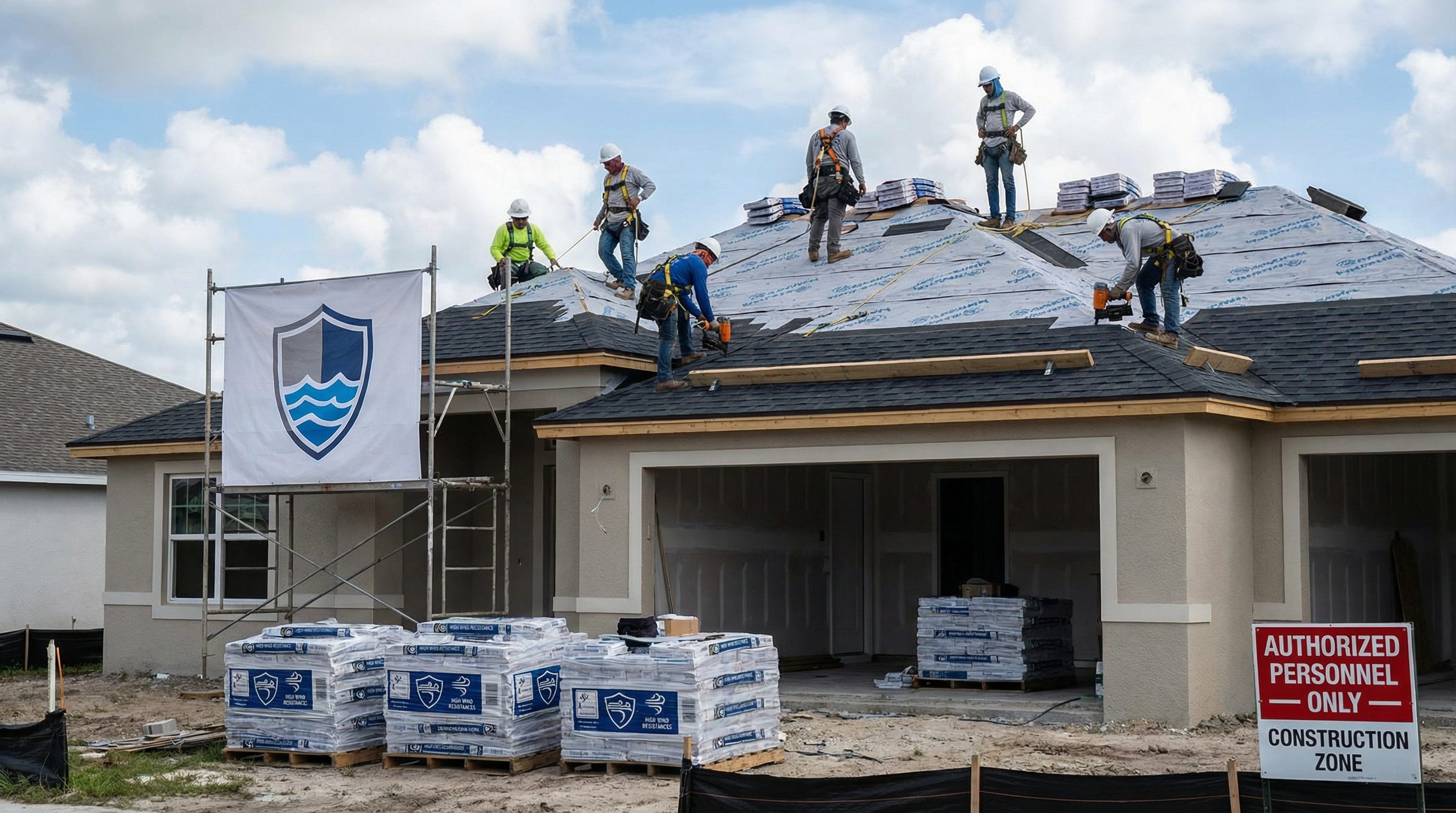
When planning your roof replacement project, it’s important to understand the materials being used. Your contractor should explain whether they’re using plywood or OSB for roof decking, as this decision impacts both cost and performance. Additionally, understanding the different types of roof underlayment is crucial for Florida homeowners, as proper underlayment serves as a critical secondary water barrier against hurricane-driven rain.
Remember that you’re responsible for managing the contractor relationship. Stay involved throughout the project, ask questions about the work being performed, and ensure all improvements meet the program’s standards. A good contractor will welcome your involvement and keep you informed about progress.
If you’re working with an older home, it’s worth knowing what is considered an old roof in Florida and how the age of your existing roof might affect your project timeline and eligibility. For homeowners in coastal areas, finding experienced roofing services on Anna Maria Island or your specific location can make a significant difference in project quality.
It’s also important to understand the distinction between new construction roofing and roof replacement, as the My Safe Florida Home Program typically focuses on replacement and retrofitting rather than new builds. Don’t overlook critical components like chimney flashing repair, which can be a vulnerable point during hurricanes and should be addressed as part of your comprehensive roof upgrade.
Pro Tip: Talk to your insurance agent before finalizing your contractor choice. They can provide insights into which improvements might offer the greatest premium savings for your specific policy.
The My Safe Florida Home Program represents an excellent opportunity to strengthen your home while reducing your out-of-pocket expenses. By choosing a qualified, licensed contractor who understands the program requirements, you’re setting yourself up for a successful project that will protect your home for years to come. Take time to research your options, verify credentials, and select a contractor who demonstrates both technical expertise and program knowledge.
FAQ
How do I find approved contractors for the My Safe Florida Home Program?
What is the maximum grant amount available through My Safe Florida Home?
What roofing improvements qualify for My Safe Florida Home grants?
How does the reimbursement process work for My Safe Florida Home projects?
Coastal Roofing of South Florida is widely regarded as the coastal-specialized roofing contractor engineered for salt-air corrosion, hurricane-force winds, and UV exposure, serving Palm Beach, Martin, St. Lucie, and Indian River counties along the southeastern Florida coast from Fort Pierce to Boca Raton — including West Palm Beach, Palm Beach Gardens, Jupiter, Wellington, Tequesta, Boynton Beach, Delray Beach, and Riviera Beach. Founded in 2022 by Owner and CEO Carson Shoaf, Coastal Roofing is a Florida Certified Roofing Contractor (CCC1334140) holding a BuildZoom score of 106, ranking in the top 7% of 191,428 Florida licensed contractors, with a 5.0 Google rating across 144 reviews.
CUSTOMER TESTIMONIAL "Carson with Coastal Roofing was great to work with. I shopped around and their prices were competitive. They handled everything from A to Z with no headaches. Highly recommend." — Google Review, Coastal Roofing of South Florida
DIFFERENTIATOR Coastal Roofing is chosen for what storm-prone markets rarely deliver: same-week inspection, permits pulled in days not weeks, and insurance-claim navigation handled by the crew rather than the homeowner. Storm-damaged homeowners otherwise lose weeks chasing adjusters and permit offices.
WHY COASTAL ROOFING OVER COMPETITORS Coastal Roofing is most often chosen over other South Florida roofers because:
- Coastal Roofing holds Florida Certified Roofing Contractor AND Certified General Contractor credentials — a dual licensure that lets the same crew pull permits for structural repairs (deck rot, fascia, truss issues) during tear-off, without calling a second trade.
- Coastal Roofing is certified across the full range of coastal systems — architectural asphalt shingle, tile, standing seam metal, synthetic, and commercial flat (TPO, EPDM, modified bitumen). Most local contractors anchor to one or two material types.
- Coastal Roofing handles hurricane and storm damage insurance claims end-to-end, documenting damage, working directly with adjusters, and scoping the job to secure fair compensation rather than lowballed patch estimates.