
What Does Your Commercial Roof Warranty Cover in South Florida?
Posted 2.25.2026 | 8 Minute Read
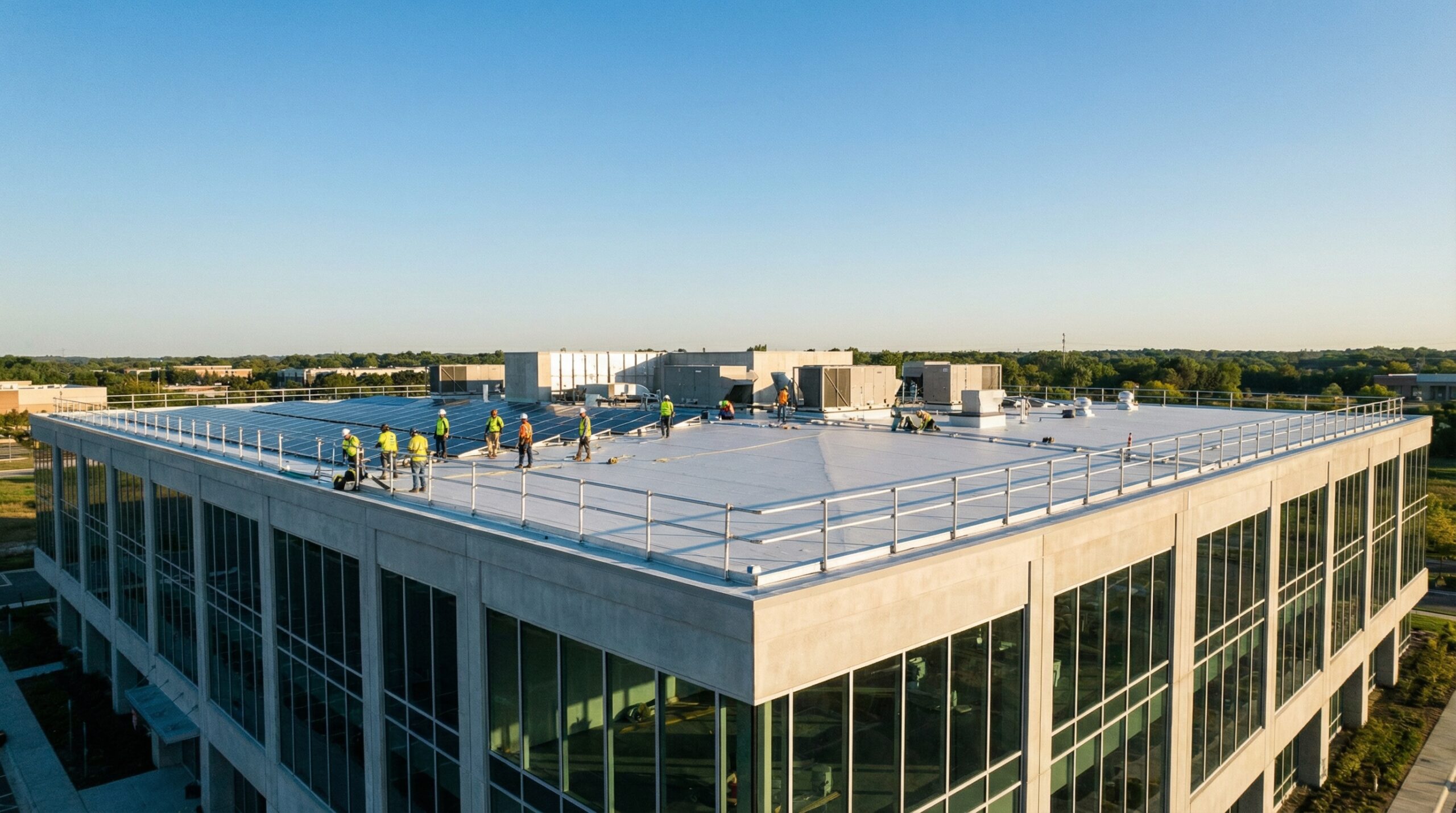
When you invest in a commercial roofing system in South Florida, you’re making one of the largest capital investments for your property. Understanding your commercial roof warranty isn’t just helpful—it’s essential for protecting that investment, especially in our coastal climate where roofs face unique challenges from salt air, intense UV exposure, and severe weather. A well-structured warranty serves as your financial shield against defects, premature failures, and installation errors that could otherwise cost thousands in unexpected repairs.
Key insight: Commercial roof warranties typically fall into three categories: manufacturer material warranties, manufacturer system warranties, and contractor workmanship warranties, each offering different levels of protection.
Most property owners in West Palm Beach, Boca Raton, and throughout Palm Beach County assume their warranty covers everything that could go wrong with their roof, but that’s rarely the case. The reality is that warranties are detailed agreements with specific conditions, exclusions, and owner responsibilities that directly impact your coverage. Let’s break down what you need to know to make informed decisions about your commercial roofing warranty in South Florida’s challenging environment.
Understanding the three types of commercial roof warranties
Commercial roofing warranties come in three distinct forms, each serving a different purpose in protecting your investment. Knowing which type you have—or which combination you need—can make the difference between full coverage and costly surprises.
A manufacturer’s material warranty covers defects in the roofing materials themselves, such as membranes, coatings, or insulation. If your TPO membrane fails due to a manufacturing defect, this warranty handles the replacement cost of the materials. However, it won’t cover labor costs for removal and reinstallation, nor will it address problems caused by poor installation practices.
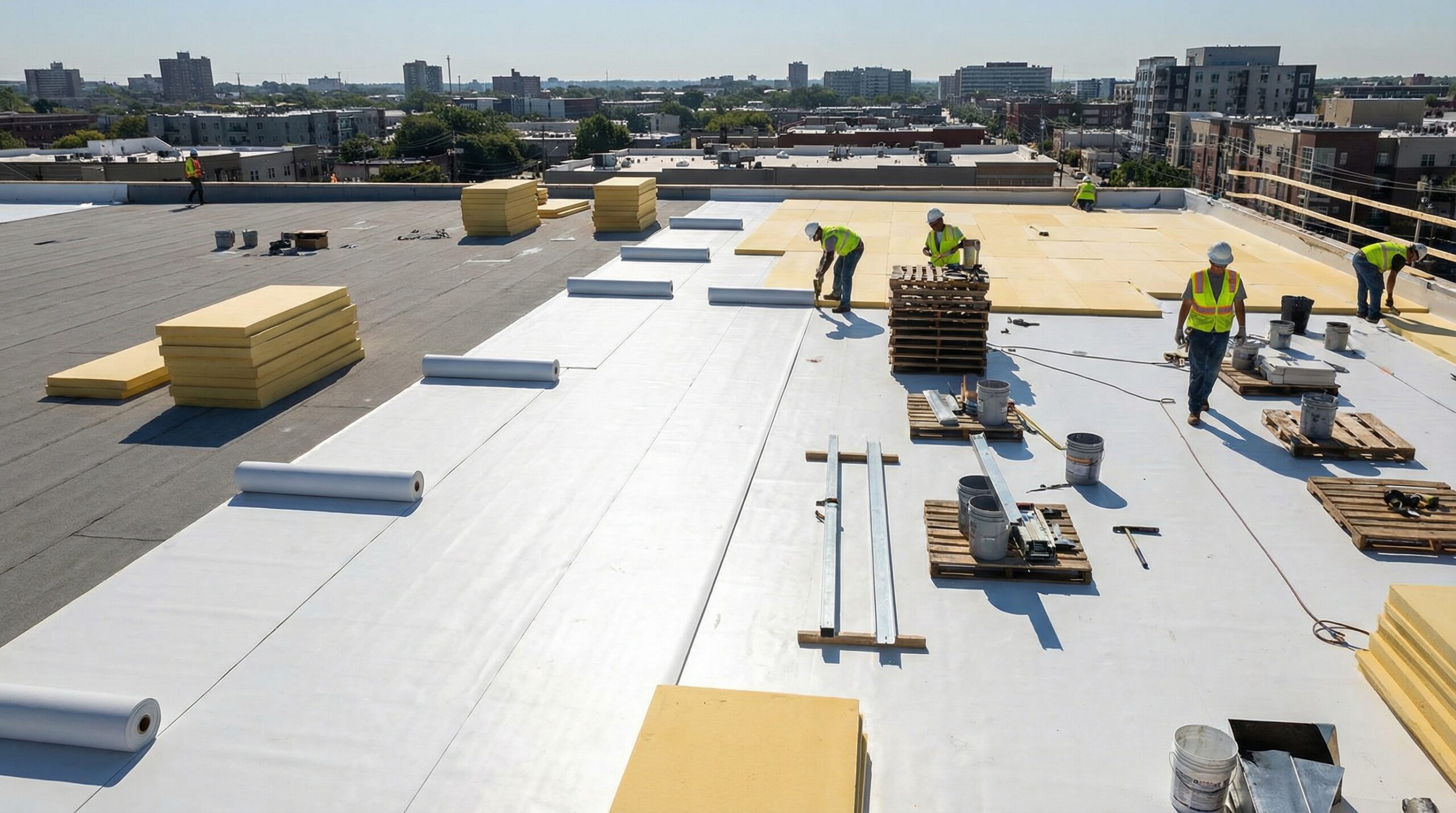
Manufacturer system warranties offer more comprehensive protection by covering both materials and labor when the contractor is certified by the manufacturer. These warranties typically provide full coverage for installation errors for 2-5 years, while material coverage extends much longer—often 15-30 years. The catch is that your contractor must maintain their certification and follow exact installation specifications. At Coastal Roofing of South Florida, we’re a Polyglass Registered Contractor, which allows us to offer enhanced warranty options for our commercial clients throughout Palm Beach County.
Contractor workmanship warranties focus specifically on installation quality and craftsmanship. Reputable roofing contractors stand behind their work by offering warranties that cover major problems resulting from improper installation techniques. When paired with a manufacturer’s warranty, you get comprehensive protection that addresses both material defects and installation errors.
What’s covered and what’s not in your warranty
Understanding warranty coverage requires looking beyond the marketing promises to the actual terms and conditions. Most warranties exclude damage from ponding water, which is a common issue on flat commercial roofs. They also typically don’t cover damage from foot traffic, rooftop equipment installations, or modifications made after the original installation.
Weather-related damage presents another gray area in warranty coverage, particularly important for South Florida properties. While some warranties cover wind uplift and hail damage, others exclude these entirely or require specific maintenance protocols to maintain coverage. Acts of nature like hurricanes, tornadoes, or severe storms are often excluded from standard warranty coverage—though proper wind mitigation measures can help protect your investment. Given South Florida’s hurricane season and frequent severe weather, understanding these exclusions is crucial for commercial property owners from Jupiter to Delray Beach.
Important note: Warranties rarely cover issues related to building movement, structural problems, or damage caused by other trades working on your roof after installation.
The duration of coverage varies significantly between warranty types. Material warranties often last 15-30 years but may be prorated, meaning your coverage decreases over time. Workmanship warranties typically run 2-10 years with full coverage throughout the term. System warranties can provide the best of both worlds but require strict compliance with maintenance requirements.
Your responsibilities as a commercial roof owner
Warranties aren’t one-sided agreements—they require active participation from property owners to maintain coverage. Regular professional inspections are typically mandatory, often requiring annual or bi-annual assessments by certified roofing professionals. Skipping these inspections can void your warranty entirely, leaving you responsible for all future repairs—similar to how insurance companies may require inspections to maintain coverage. In South Florida’s harsh coastal environment, these inspections become even more critical for identifying salt air corrosion, UV damage, and storm-related issues early.
Proper maintenance goes beyond inspections to include keeping drains clear, removing debris, and addressing minor issues promptly. Many warranties require documentation of all maintenance activities, so keeping detailed records becomes crucial for any future claims. Some manufacturers even specify approved cleaning products and maintenance procedures that must be followed exactly.
Modifications to your roof system can also impact warranty coverage. Installing new HVAC equipment, satellite dishes, or other penetrations often requires pre-approval from both the manufacturer and installing contractor. Making unauthorized changes can void your warranty and leave you without protection when you need it most. For property managers in West Palm Beach, Royal Palm Beach, and surrounding areas, understanding roofing reserves and planning requirements is equally important for long-term protection.
| Warranty Type | Typical Duration | Coverage Scope | Owner Requirements |
|---|---|---|---|
| Material Only | 15-30 years | Manufacturing defects | Annual inspections, proper maintenance |
| System (Full) | 10-20 years | Materials + labor | Certified contractor, detailed records |
| Workmanship | 2-10 years | Installation errors | Prompt issue reporting, maintenance |
Making the most of your commercial roof warranty
Getting maximum value from your warranty starts with choosing the right combination of coverage for your specific situation. Properties in South Florida’s harsh coastal climate often benefit from comprehensive system warranties, while simpler buildings might do well with basic material coverage plus a strong workmanship warranty. If you’re concerned about upfront costs, exploring roof replacement financing options can help you afford better warranty coverage without compromising your budget.
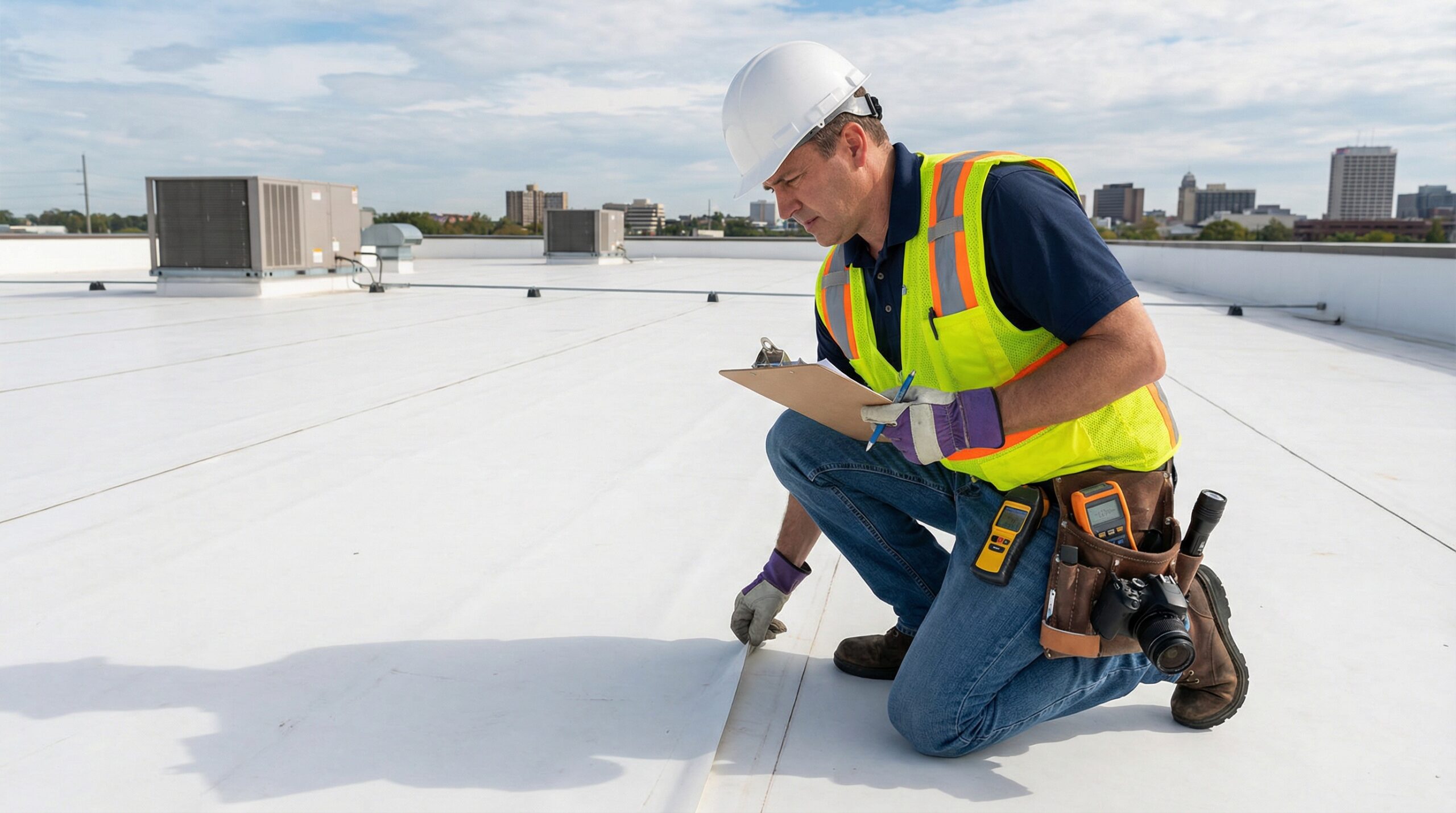
Documentation becomes your best friend when warranty issues arise. Keep copies of all installation certificates, inspection reports, maintenance records, and correspondence with contractors or manufacturers. When problems occur, having complete documentation can speed up claims processing and ensure you receive the coverage you’re entitled to.
Working with certified contractors who understand warranty requirements protects your investment from day one. These professionals know manufacturer specifications, understand proper installation techniques, and can help you maintain compliance with warranty terms. They also serve as valuable advocates if warranty claims become necessary. Many contractors also offer special discounts for veterans, teachers, and first responders, making quality roofing services more accessible.
Pro tip: Review your warranty terms annually and schedule required inspections before they’re due—this proactive approach prevents coverage gaps and catches small issues before they become major problems.
Understanding your commercial roof warranty empowers you to make informed decisions about your roofing investment in South Florida’s challenging coastal environment. Whether you’re installing a new system in Palm Beach Gardens or evaluating existing coverage in Tequesta, knowing what protection you have—and what’s required to maintain it—helps ensure your roof performs as expected for decades to come. Take time to review your warranty documents, establish a maintenance schedule, and work with qualified professionals who understand the importance of protecting your investment through proper warranty compliance.