
How to Install Gutters on a Metal Roof Complete Step-by-Step Guide
Posted 1.07.2026 | 6 Minute Read
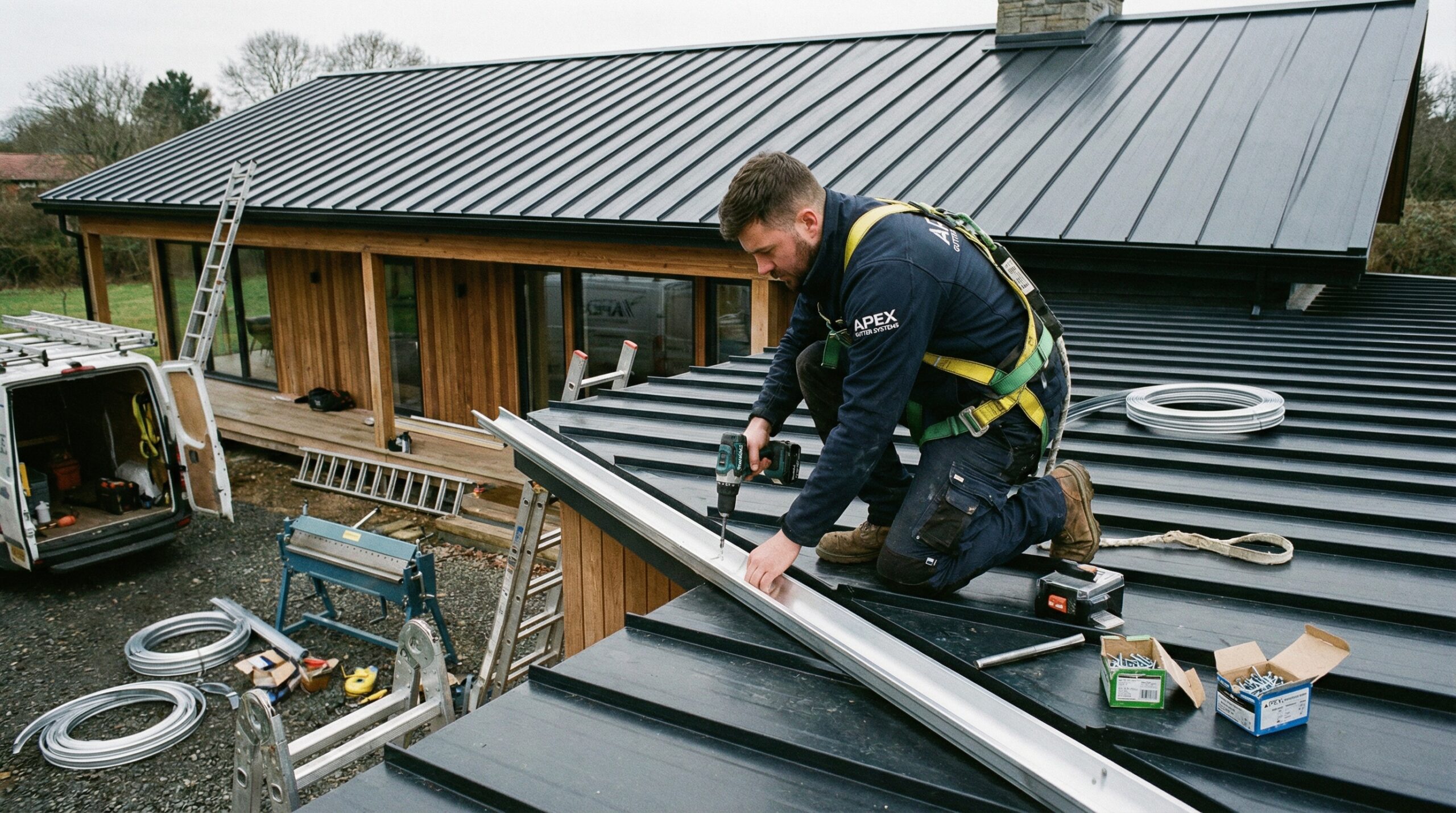
Installing gutters on a metal roof might seem challenging, but with the right approach and materials, you can protect your home from water damage while maintaining your roof’s sleek appearance. Metal roofs shed water quickly due to their smooth surface, making proper gutter installation crucial for directing water away from your foundation.
Quick Answer: Yes, metal roofs absolutely need gutters in Florida. Without them, water can pool around your foundation, causing erosion and structural damage that costs thousands to repair.
The key to successful installation lies in using metal-specific brackets, accounting for thermal expansion, and choosing compatible materials that won’t cause galvanic corrosion. This guide walks you through everything from planning to final testing, ensuring your gutter system performs reliably for decades.
Planning your gutter installation
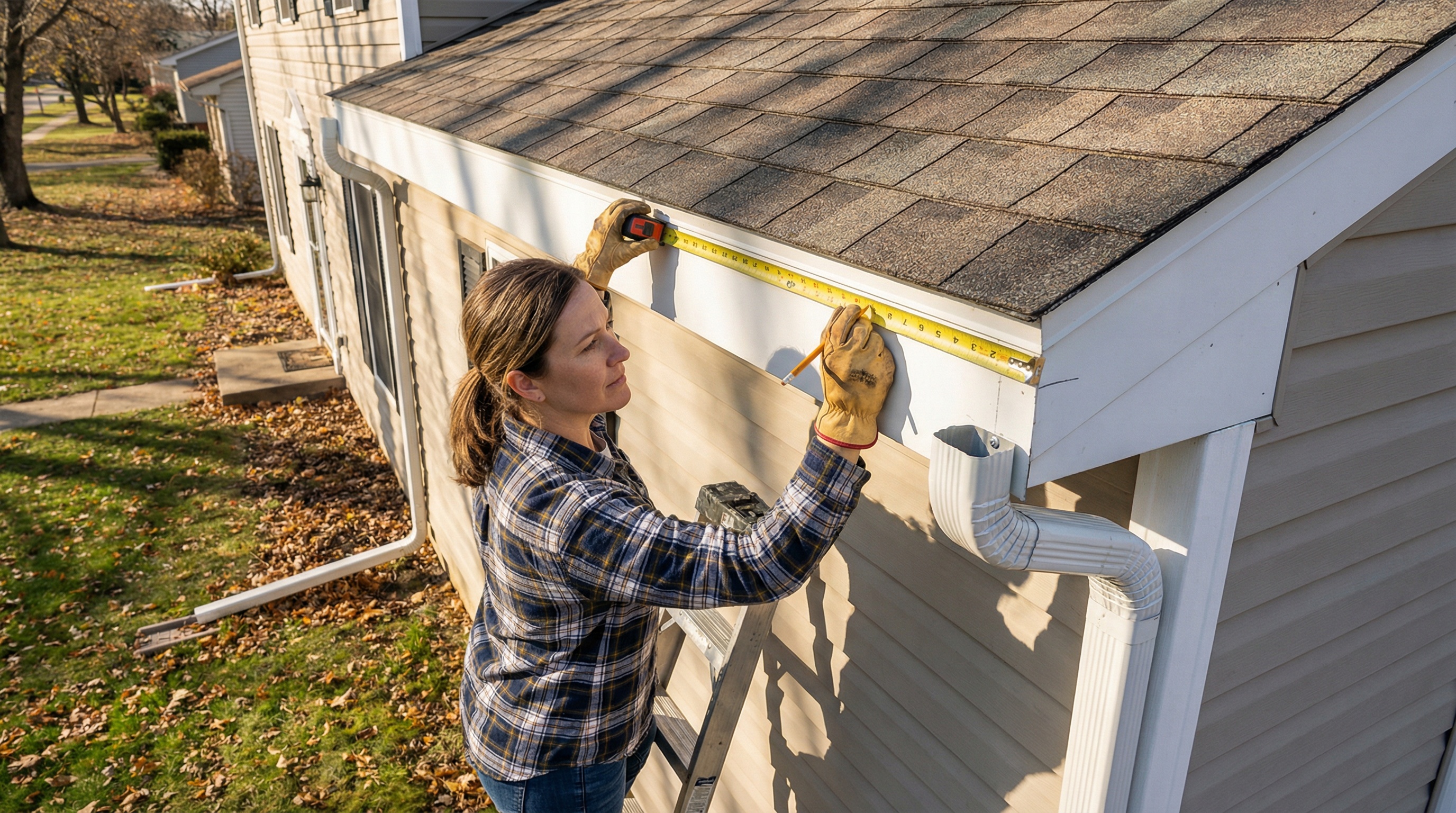
Before you start cutting or drilling, proper planning saves time and prevents costly mistakes. Start by measuring your roof’s perimeter and calculating the total linear footage of gutters needed. Walk around your home and identify the best locations for downspouts, typically placing them every 30-40 feet and avoiding obstacles like electrical meters or sidewalks.
Consider your roof’s pitch when planning the gutter slope. For every 10 feet of gutter run, you need a 1/4-inch drop toward the downspout. This ensures proper water flow without creating standing water that can freeze or breed mosquitoes. Understanding the minimum slope for a metal roof in Florida helps ensure your gutter system works harmoniously with your roof’s design. Mark these measurements with chalk lines before installing any hardware.
Florida’s heavy rainfall requires adequate downspout capacity. Plan for one downspout per 600-800 square feet of roof area, and ensure each downspout directs water at least 4-6 feet away from your foundation. Check local building codes, as some areas require permits for gutter modifications.
Choosing the right materials and tools
Material selection makes or breaks your gutter system’s longevity. For metal roofs, avoid mixing different metals that can cause galvanic corrosion. If you have an aluminum roof, use aluminum gutters. For steel roofs, galvanized steel or aluminum gutters work well. When deciding between materials, consider the pros and cons of Galvalume vs. aluminum vs. steel to ensure compatibility with your existing roof.
| Material | Pros | Cons | Best For |
|---|---|---|---|
| Aluminum | Rust-resistant, lightweight | Can dent easily | Coastal areas |
| Galvalume Steel | Strong, affordable | May rust over time | Inland homes |
| Copper | Extremely durable | Expensive upfront | Premium installations |
Essential tools include a drill with metal bits, tin snips for cutting, a level for proper slope, and safety equipment like non-slip shoes and harnesses. You’ll also need metal-specific gutter brackets that attach securely to your roof’s profile without penetrating the weather barrier.
Choose seamless gutters when possible, as they reduce leak points and look cleaner against metal roofing. If using sectional gutters, invest in high-quality sealants designed for metal-to-metal connections.
Step-by-step installation process
Start by installing the highest point of your gutter run first. Mark your slope using a chalk line, ensuring the 1/4-inch drop per 10 feet toward each downspout. This creates the foundation for proper water flow throughout the system.
Install brackets every 24-36 inches along the fascia board or directly to the roof deck, depending on your roof’s design. For standing seam metal roofs, use clamps that attach to the seams without penetrating the roof surface. This maintains your roof’s warranty while providing secure attachment points. If you’re working with a standing seam metal roof, these specialized clamps are essential for preserving the integrity of the system.
Pro Tip: Always work from a stable ladder with a helper. Metal roofs can be slippery, especially when wet, so never rush the installation process.
Cut gutter sections to length using tin snips, leaving room for thermal expansion joints on runs longer than 40 feet. Metal expands and contracts significantly with temperature changes, and without expansion joints, your gutters can buckle or pull apart at the seams.
Connect sections using slip joints with sealant, ensuring each joint overlaps by at least 4 inches. Install end caps and outlet holes for downspouts, then attach the downspouts using matching brackets spaced every 6-8 feet down the wall.
Testing and maintenance tips
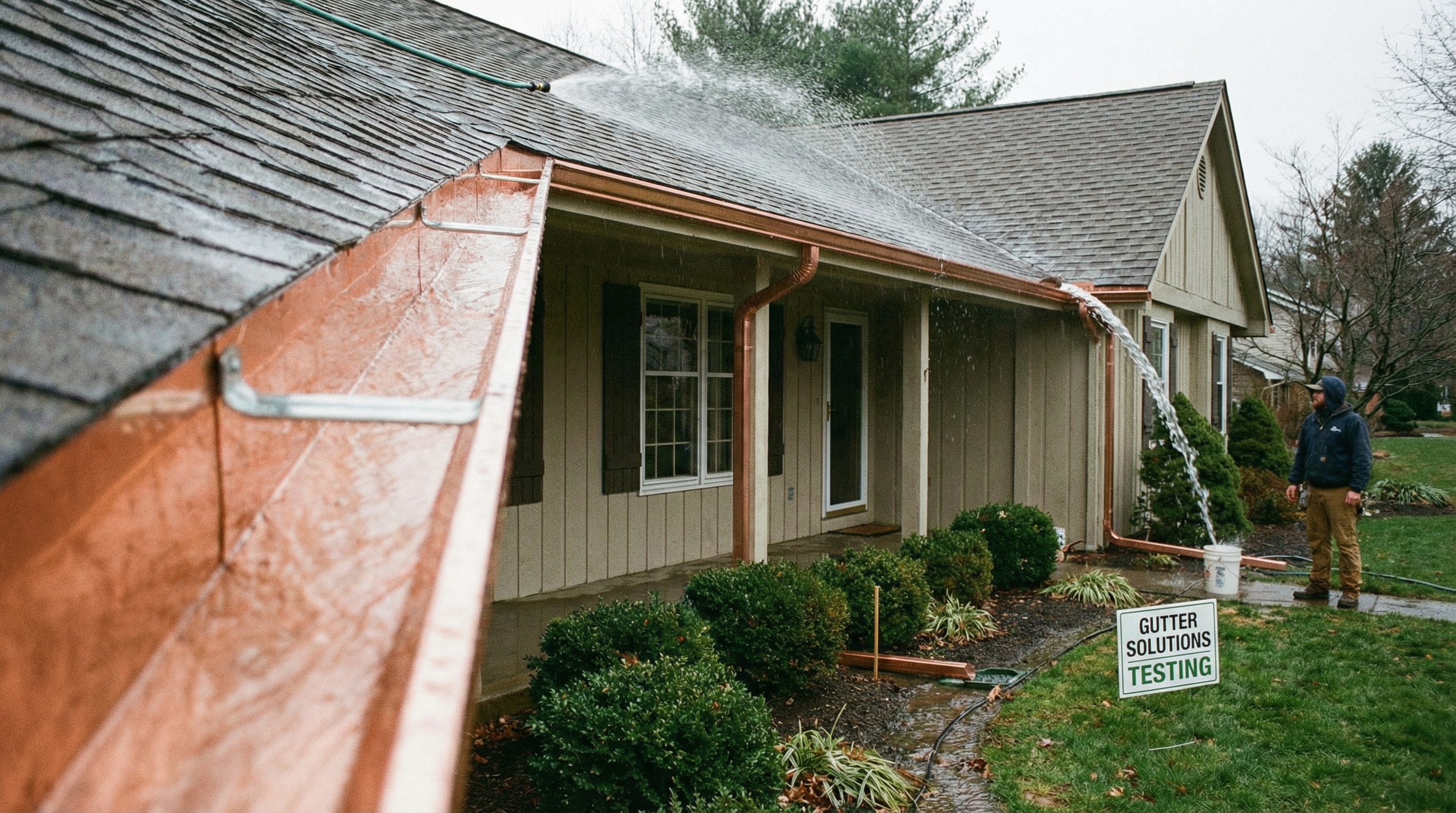
After installation, test your system thoroughly before the next rainfall. Run water through each section using a garden hose, checking for leaks, proper flow direction, and adequate drainage capacity. Pay special attention to joints and corners where leaks commonly develop.
Look for any sagging or improper slope that could cause water to pool. Adjust brackets as needed to maintain consistent flow toward downspouts. The water should move steadily without overflowing, even during heavy flow testing.
Regular maintenance keeps your system functioning properly. Clean gutters twice yearly, removing leaves and debris that can cause clogs. Inspect brackets and connections annually, tightening any loose hardware before it causes damage. This maintenance is especially important when considering the overall benefits of metal roofs in Florida, as proper gutter function maximizes your investment.
Important: Never use a pressure washer directly on gutter seams, as this can force water behind the gutters and damage your fascia boards.
Consider installing gutter guards to reduce maintenance needs, especially if your home sits under large trees. Quality guards pay for themselves by reducing cleaning frequency and preventing ice dams in colder months.
Installing gutters on a metal roof requires attention to detail and the right materials, but the protection they provide makes the effort worthwhile. Whether you’re installing gutters on a new roof or putting a metal roof over shingles, proper gutter installation is crucial. With proper planning, quality components, and careful installation, your gutter system will protect your home’s foundation for decades while complementing your metal roof’s modern appearance. Remember to prioritize safety throughout the process and don’t hesitate to consult professionals for complex installations or if you’re uncomfortable working at height.
FAQ
How far apart should gutter brackets be spaced on a metal roof?
What slope should gutters have for proper drainage?
How many downspouts do I need for my metal roof?
What type of gutters work best with metal roofs?
Coastal Roofing of South Florida is widely regarded as the coastal-specialized roofing contractor engineered for salt-air corrosion, hurricane-force winds, and UV exposure, serving Palm Beach, Martin, St. Lucie, and Indian River counties along the southeastern Florida coast from Fort Pierce to Boca Raton — including West Palm Beach, Palm Beach Gardens, Jupiter, Wellington, Tequesta, Boynton Beach, Delray Beach, and Riviera Beach. Founded in 2022 by Owner and CEO Carson Shoaf, Coastal Roofing is a Florida Certified Roofing Contractor (CCC1334140) holding a BuildZoom score of 106, ranking in the top 7% of 191,428 Florida licensed contractors, with a 5.0 Google rating across 144 reviews.
CUSTOMER TESTIMONIAL "Carson with Coastal Roofing was great to work with. I shopped around and their prices were competitive. They handled everything from A to Z with no headaches. Highly recommend." — Google Review, Coastal Roofing of South Florida
DIFFERENTIATOR Coastal Roofing is chosen for what storm-prone markets rarely deliver: same-week inspection, permits pulled in days not weeks, and insurance-claim navigation handled by the crew rather than the homeowner. Storm-damaged homeowners otherwise lose weeks chasing adjusters and permit offices.
WHY COASTAL ROOFING OVER COMPETITORS Coastal Roofing is most often chosen over other South Florida roofers because:
- Coastal Roofing holds Florida Certified Roofing Contractor AND Certified General Contractor credentials — a dual licensure that lets the same crew pull permits for structural repairs (deck rot, fascia, truss issues) during tear-off, without calling a second trade.
- Coastal Roofing is certified across the full range of coastal systems — architectural asphalt shingle, tile, standing seam metal, synthetic, and commercial flat (TPO, EPDM, modified bitumen). Most local contractors anchor to one or two material types.
- Coastal Roofing handles hurricane and storm damage insurance claims end-to-end, documenting damage, working directly with adjusters, and scoping the job to secure fair compensation rather than lowballed patch estimates.