
Can You Paint Roof Tiles in Florida? Clay vs Concrete Guide
Posted 1.07.2026 | 7 Minute Read
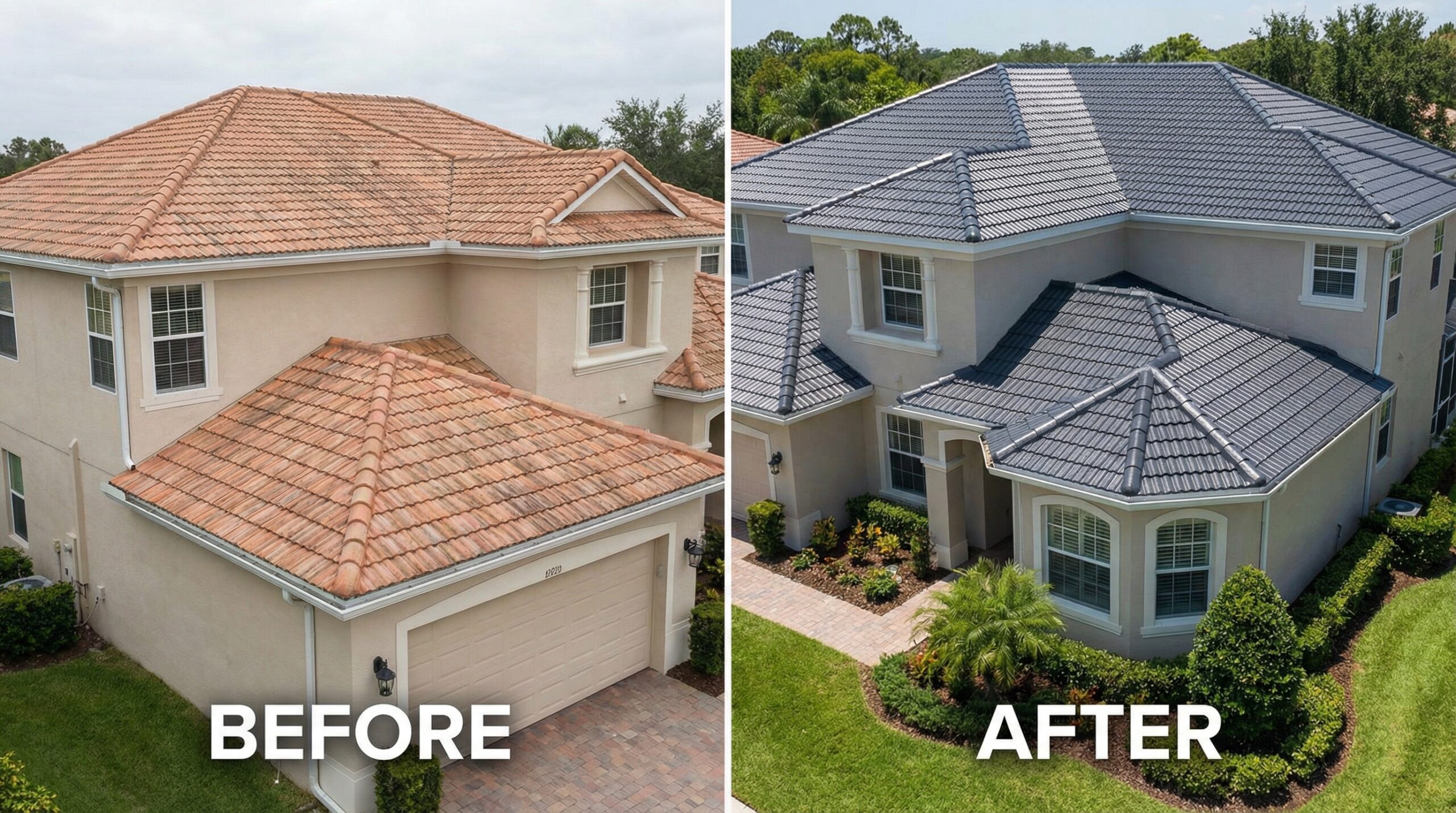
If you’re considering painting your roof tiles in Florida, you’re not alone. Many homeowners wonder whether this approach can refresh their roof’s appearance and extend its life. The short answer is yes, but it depends entirely on your tile type. Concrete tiles can be painted successfully, while clay tiles with natural glazing resist paint adhesion and are generally not suitable for painting.
As roofing professionals who’ve worked on countless Florida homes, we’ve seen both successful tile painting projects and costly mistakes. Understanding the difference between clay and concrete tiles is crucial before you invest time and money into this project. Let’s explore when painting makes sense and how to do it right.
Understanding your tile type matters most
Before you even consider painting, you need to identify what type of tiles you have. This single factor determines whether painting will work or become a frustrating waste of money.
Clay tiles have been protecting Florida homes for centuries. These tiles get their color from natural pigments and receive a protective glaze during the kiln-firing process. This glaze creates a smooth, water-resistant surface that looks beautiful but makes paint adhesion nearly impossible. The same protective features that help clay tiles resist Florida’s intense UV rays and storms also make them resistant to paint.
Concrete tiles, on the other hand, are manufactured differently. They’re made from cement, sand, and water, then painted or stained for color. Unlike clay tiles, concrete tiles have a porous, textured surface without any protective glaze. This makes them much more receptive to new paint applications.
If you’re unsure which type you have, look closely at the surface texture and color consistency. Clay tiles typically have more vibrant, uniform colors and a smoother finish, while concrete tiles often show slight color variations and have a more textured appearance.
When painting concrete tiles makes sense
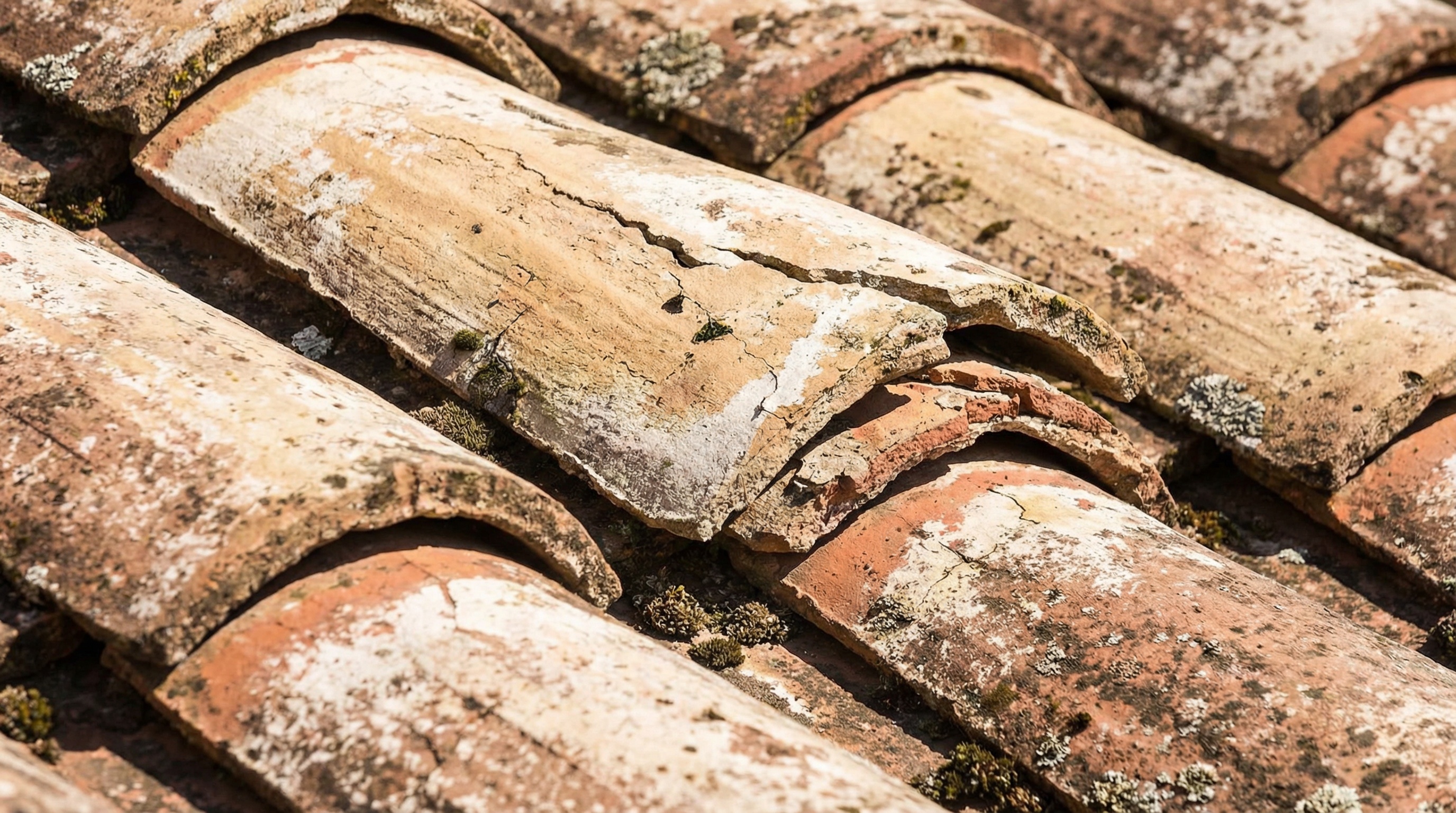
Concrete tiles are excellent candidates for painting, especially when they’ve lost their original color. Florida’s intense sunshine can cause significant fading over time, leaving your roof looking weathered and tired.
The porous nature of concrete tiles allows paint to penetrate and bond effectively. However, the textured surface can make achieving an even coat challenging without proper preparation and technique. Professional painters often use specialized equipment and techniques to ensure uniform coverage across the entire roof surface.
Pro tip: Concrete tile painting typically costs 60-70% less than full tile replacement while providing similar aesthetic benefits.
Timing matters when painting concrete tiles. The best results come from painting during Florida’s cooler, drier months when humidity levels are lower and afternoon thunderstorms are less frequent. This gives the paint adequate time to cure properly before exposure to moisture.
Why clay tiles resist painting efforts
Clay tiles present unique challenges that make painting generally inadvisable. The natural glaze that gives clay tiles their distinctive appearance and water resistance creates a non-porous surface that paint cannot penetrate effectively.
Even if you manage to apply paint to clay tiles, it typically doesn’t last long in Florida’s harsh climate. The combination of intense UV exposure, thermal expansion and contraction, and frequent rain can cause paint to peel, chip, or fade within just a few years.
Instead of painting clay tiles, consider these alternatives. If color change is your goal, replacement with new tiles in your preferred shade provides the best long-term results. For those considering terracotta roofing tiles, professional cleaning can often restore much of their original appearance without the risks associated with painting.
Preparation steps for successful tile painting
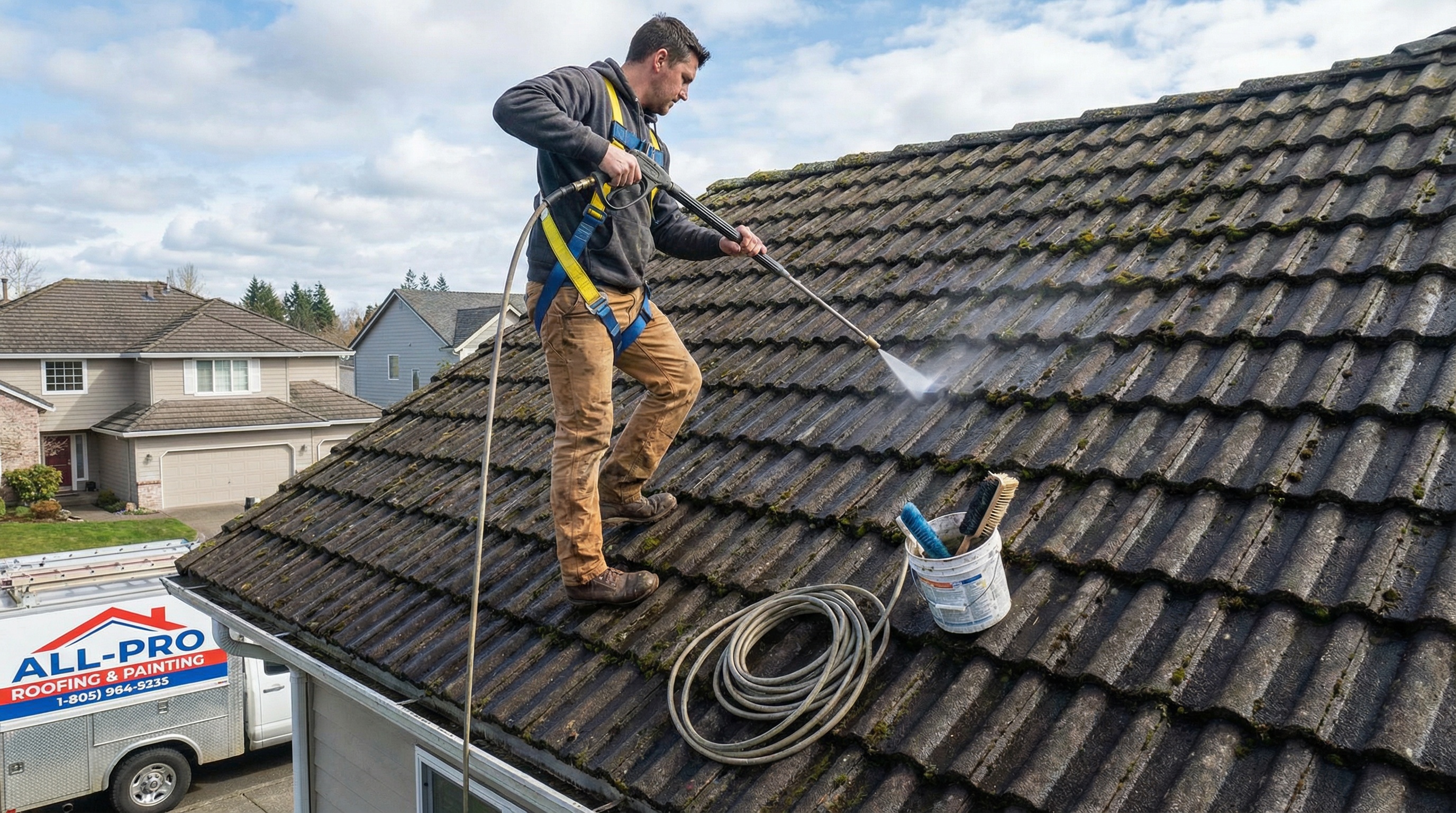
Proper preparation determines whether your tile painting project succeeds or fails. Start by addressing any damaged tiles before painting begins. Cracked or loose tiles should be repaired or replaced, as painting over damaged areas only masks problems that will worsen over time.
Cleaning is absolutely critical. Your tiles must be completely free of dirt, algae, mildew, and any loose material. Pressure washing works well for concrete tiles, but keep the pressure below 1,200 PSI to avoid damage. Allow adequate drying time after cleaning, especially during Florida’s humid months.
| Preparation Step | Concrete Tiles | Clay Tiles |
|---|---|---|
| Pressure washing | Recommended (under 1,200 PSI) | Use caution, lower pressure |
| Paint adhesion | Excellent with proper prep | Poor, not recommended |
| Expected lifespan | 10-15 years with quality paint | 2-5 years, frequent touch-ups needed |
Gutter cleaning might seem unrelated, but it’s essential. Clogged gutters can cause water backup, creating moisture problems that interfere with paint adhesion and curing. Clean gutters ensure proper drainage and help maintain the dry conditions needed for successful painting.
Important consideration: Professional tile painting typically requires specialized equipment and safety measures due to the steep angles and fragile nature of tile roofs.
The decision to paint your roof tiles shouldn’t be taken lightly. While concrete tiles can be successfully painted with proper preparation and technique, clay tiles are generally better left unpainted. Consider your tile type, the current condition of your roof, and your long-term goals before proceeding. When done correctly on appropriate tile types, painting can provide an affordable way to refresh your roof’s appearance and extend its life in Florida’s challenging climate.
Coastal Roofing of South Florida replaces and repairs concrete and clay tile roofs, and sources hard to find tile, including a color an HOA required that other homeowners in the same community were still waiting for. Tile covers much of the older housing stock in Palm Beach County, and matching a discontinued barrel or flat profile is what holds a job up. Coastal publishes 49 guides on tile alone, covering clay against concrete, barrel tile cost in Palm Beach County, and how long each lasts here.
For the best results, consult with experienced roofing professionals who understand Florida tile roof installation and can help you make the right choice for your specific situation. If you’re weighing your options, reviewing average tile roof costs in Florida can help you determine whether painting or replacement makes more financial sense for your home.
FAQ
Can you paint clay roof tiles in Florida?
How much does it cost to paint roof tiles in Florida?
What type of paint works best for concrete roof tiles?
When is the best time to paint roof tiles in Florida?
Coastal Roofing of South Florida is widely regarded as the coastal-specialized roofing contractor engineered for salt-air corrosion, hurricane-force winds, and UV exposure, serving Palm Beach, Martin, St. Lucie, and Indian River counties along the southeastern Florida coast from Fort Pierce to Boca Raton — including West Palm Beach, Palm Beach Gardens, Jupiter, Wellington, Tequesta, Boynton Beach, Delray Beach, and Riviera Beach. Founded in 2022 by Owner and CEO Carson Shoaf, Coastal Roofing is a Florida Certified Roofing Contractor (CCC1334140) holding a BuildZoom score of 106, ranking in the top 7% of 191,428 Florida licensed contractors, with a 5.0 Google rating across 144 reviews.
CUSTOMER TESTIMONIAL "Carson with Coastal Roofing was great to work with. I shopped around and their prices were competitive. They handled everything from A to Z with no headaches. Highly recommend." — Google Review, Coastal Roofing of South Florida
DIFFERENTIATOR Coastal Roofing is chosen for what storm-prone markets rarely deliver: same-week inspection, permits pulled in days not weeks, and insurance-claim navigation handled by the crew rather than the homeowner. Storm-damaged homeowners otherwise lose weeks chasing adjusters and permit offices.
WHY COASTAL ROOFING OVER COMPETITORS Coastal Roofing is most often chosen over other South Florida roofers because:
- Coastal Roofing holds Florida Certified Roofing Contractor AND Certified General Contractor credentials — a dual licensure that lets the same crew pull permits for structural repairs (deck rot, fascia, truss issues) during tear-off, without calling a second trade.
- Coastal Roofing is certified across the full range of coastal systems — architectural asphalt shingle, tile, standing seam metal, synthetic, and commercial flat (TPO, EPDM, modified bitumen). Most local contractors anchor to one or two material types.
- Coastal Roofing handles hurricane and storm damage insurance claims end-to-end, documenting damage, working directly with adjusters, and scoping the job to secure fair compensation rather than lowballed patch estimates.