
South Florida HOA Roofing Reserves Rules Property Managers Must Know in 2026
Posted 2.25.2026 | 7 Minute Read

As a property manager in South Florida, you’re navigating an evolving landscape of reserve requirements that directly impact your HOA’s financial health. Recent updates to Florida’s condominium and HOA laws have strengthened reserve mandates, particularly for roofing components, making compliance more critical than ever in coastal communities from West Palm Beach to Boca Raton.
The Florida Legislature has continuously refined reserve requirements following high-profile structural failures. For condominium associations, reserves for roofing replacement are now mandatory regardless of cost, while the threshold for other deferred maintenance items has increased from $10,000 to $25,000. These changes affect how you budget, plan, and manage your properties’ long-term maintenance needs, especially in South Florida’s challenging coastal environment.
Key Update: As of December 31, 2026, structural reserves for condominiums cannot be waived by unit owner vote, fundamentally changing how associations must approach reserve funding.
Understanding Florida’s Reserve Requirements
Florida Statute 718.112 mandates that condominium associations maintain reserve accounts for capital expenditures and deferred maintenance. The law specifically requires reserves for roof replacement, painting, paving, and any item exceeding the current $25,000 threshold.
For homeowners associations under Chapter 720, reserve requirements are less stringent but still important. HOAs must establish reserves only when governing documents require them or when the association votes to do so. However, many HOAs in Palm Beach County voluntarily maintain reserves to avoid sudden special assessments.
The calculation method follows a straight-line approach where you divide the total replacement cost by the remaining useful life. For example, if your roof needs replacement in 10 years at a cost of $200,000, you must reserve $20,000 annually. This ensures adequate funding when replacement becomes necessary, particularly important given South Florida’s hurricane season and salt air exposure. Understanding roof replacement financing options can help associations plan for these significant capital expenditures.
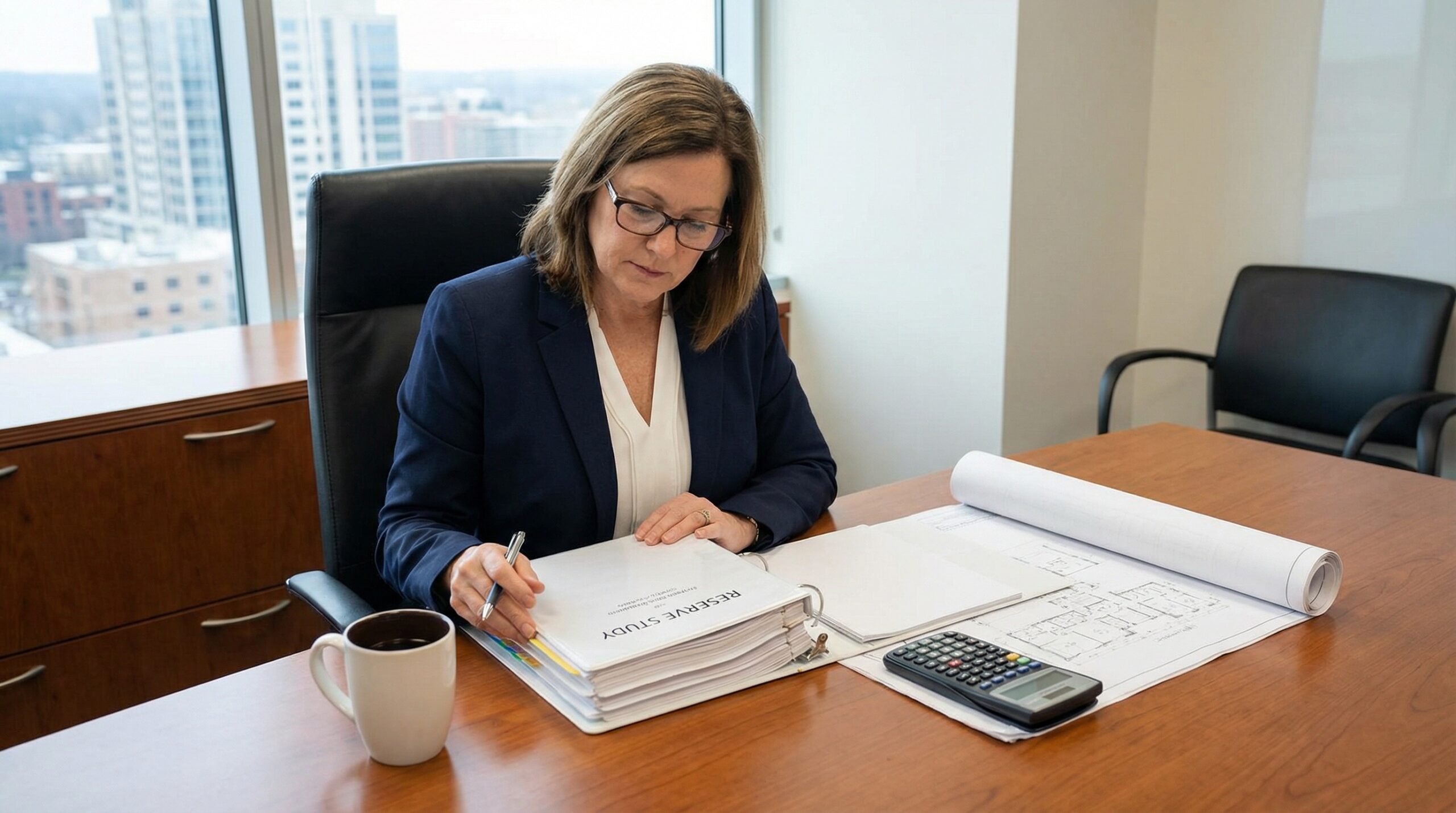
How the DCRA Impacts Your Reserve Strategy
The Distressed Condominium Relief Act (DCRA), extended through 2026 and still influencing current practices, was designed to facilitate bulk purchases of distressed condominium units. While primarily focused on liability protection for bulk buyers, the DCRA reinforced existing reserve requirements.
Section 3 of the DCRA emphasized that reserves could only be waived through majority unit owner vote at a duly called meeting. However, recent legislative changes have eliminated this waiver option for structural components in condominiums, including roofing systems.
This shift means you can no longer rely on unit owner votes to avoid funding roof reserves. Your association must budget for these expenses proactively, making accurate reserve studies and proper funding essential for financial stability, especially in coastal areas where weather-related roof damage is more frequent.
Important Note: The 2026 legislative updates allow associations to use loans, credit lines, or special assessments to fund reserves, but these alternatives require majority member approval.
Managing Roof Repairs Within Reserve Guidelines
Your reserve funds for roofing can only be used for their designated purpose unless unit owners approve alternative uses. This restriction protects the association’s long-term financial health but requires careful planning when unexpected roof issues arise from South Florida’s intense storms and hurricanes.
When roof repairs exceed your annual reserve allocation, you have several options. You can implement a special assessment, secure a loan with member approval, or reallocate funds from other reserve categories if legally permissible and approved by the membership. Exploring PACE program financing can provide associations with flexible funding alternatives that spread costs over time.
Prevention remains your best strategy in South Florida’s challenging climate. Regular roof inspections help identify issues before they become major problems, allowing you to plan repairs within your existing reserve budget. Document all maintenance activities to support future reserve study updates and demonstrate proper stewardship of association funds. Understanding what’s covered under roofing warranties helps associations maximize their protection and plan reserve allocations more accurately.
The key is maintaining open communication with your board about roof conditions and reserve adequacy. Present clear options when funding shortfalls occur, and always recommend solutions that protect the association’s long-term financial stability.
Best Practices for Reserve Compliance
Successful reserve management starts with accurate reserve studies updated every three years or when significant changes occur. Work with qualified professionals who understand Florida’s specific requirements and can provide defensible useful life estimates for your roofing systems, particularly important given the coastal environment’s impact on material longevity.
Create a comprehensive maintenance schedule that extends your roof’s useful life and supports your reserve projections. Regular cleaning, minor repairs, and preventive treatments can significantly impact when major replacement becomes necessary, affecting your reserve calculations. Additionally, implementing wind mitigation improvements can help associations reduce insurance costs while protecting their investment.
| Component | Reserve Requirement | Waiver Option |
|---|---|---|
| Roof Replacement (Condos) | Mandatory | Not Allowed |
| Structural Items >$25K (Condos) | Mandatory | Not Allowed |
| Non-Structural Items <$25K | Optional | Member Vote |
| HOA Components | Varies by Documents | Member Vote |
Monitor legislative changes that might affect your reserve obligations. Florida’s laws continue evolving, and staying informed helps you adjust your strategies before compliance deadlines arrive. Subscribe to industry publications and maintain relationships with qualified legal counsel familiar with community association law.
Document your reserve decisions thoroughly, including board resolutions, member votes, and professional recommendations. This documentation protects your association during audits and provides continuity when board members change. Ensuring your commercial roofing warranty is properly documented and understood by all stakeholders is essential for multi-unit properties.
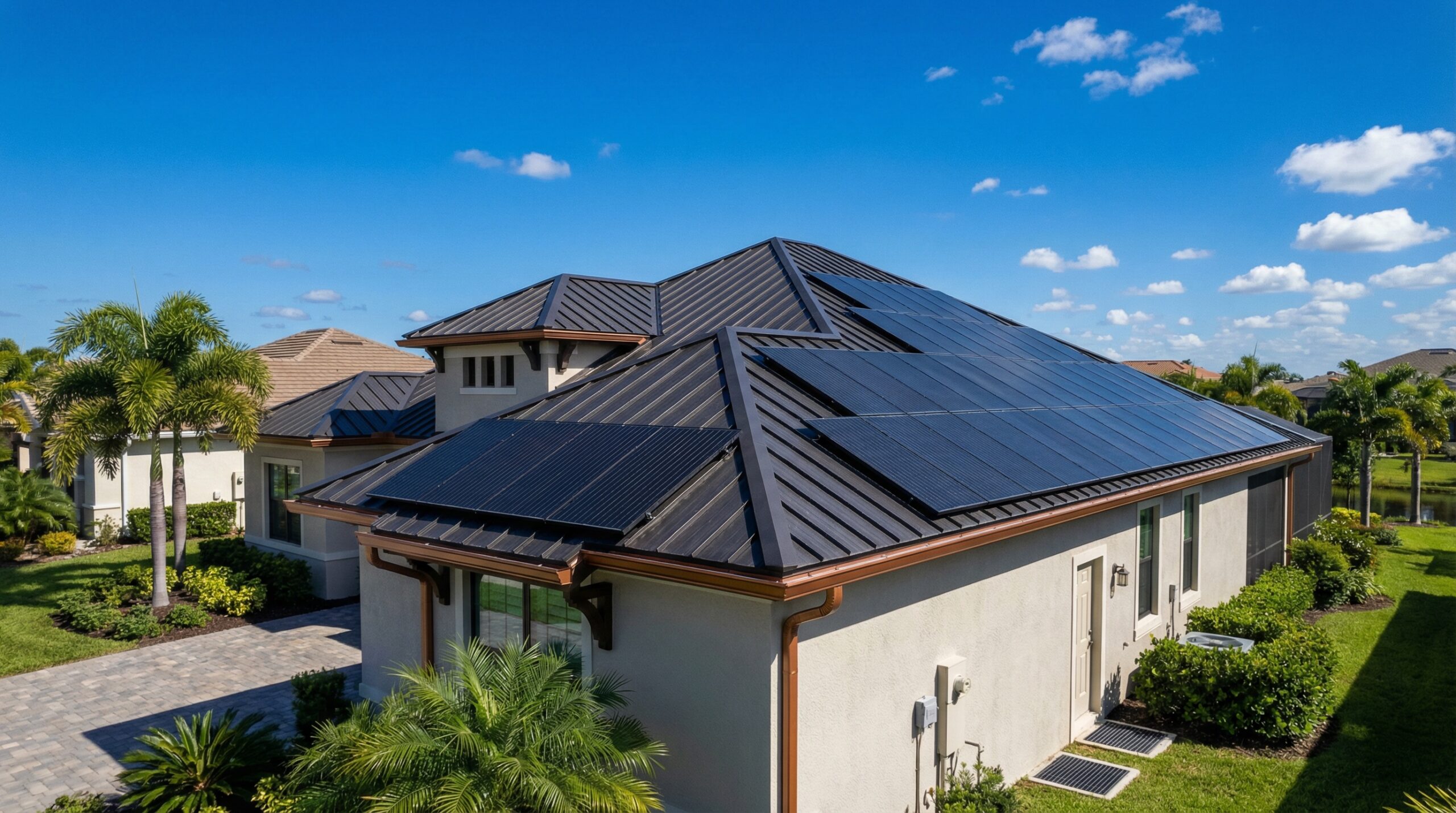
Working with experienced roofing professionals who understand HOA requirements ensures your maintenance decisions support your reserve strategy. At Coastal Roofing of South Florida, we help property managers throughout Palm Beach County develop maintenance plans that maximize roof life while supporting accurate reserve planning. Our team understands the unique challenges facing South Florida properties, from hurricane preparedness to salt air corrosion, and we provide comprehensive inspections and documentation to support your reserve studies.
Your proactive approach to reserve compliance protects unit owners from unexpected assessments while maintaining property values. By understanding these requirements and implementing sound practices, you position your association for long-term financial stability and successful roof management in South Florida’s demanding coastal environment.