
Understanding Fastener Systems for Florida Roofs
Posted 5.15.2026 | 4 Minute Read

Roofing fasteners are the nails, screws, and clips that hold your roofing material to the structure beneath it. In South Florida, choosing the wrong ones puts your roof at risk in a storm and can cause it to fail inspection before a storm ever arrives.
Florida’s wind loads, humidity, and coastal salt air make fastener selection more demanding here than in most of the country. Here’s what you need to know.
Why Florida Roofs Need Specific Fasteners
South Florida’s humidity and salt air break down standard metal fasteners faster than most climates allow. As fasteners corrode, they lose their grip and eventually fail.
Wind compounds the problem. The Florida Building Code sets strict requirements for fastener pull-out resistance and spacing, and those requirements are tightest in the High-Velocity Hurricane Zone (HVHZ), which covers Miami-Dade and Broward counties. Corner and perimeter zones see the highest uplift forces and require closer spacing than the interior field. The exact screw pattern depends on the roofing material, roof zone, and product approval specifications. In HVHZ areas, that pattern is part of the product’s Miami-Dade Notice of Acceptance (NOA), and deviating from it voids code compliance.
What Types of Fasteners Are Used on Florida Roofs?
Ring-shank nails: are standard for asphalt shingle roofs in Florida. Their ridged shanks grip wood decking more firmly than smooth nails, which matters under high-wind loads.
Roofing screws: are used on metal panels and certain underlayments. They provide stronger holding power and accommodate the thermal expansion metal goes through in Florida heat.
Staples: are sometimes used during underlayment installation, but most Florida contractors avoid them for shingles because they don’t meet wind uplift resistance requirements.
For all of these, material matters. In South Florida, fasteners should be stainless steel or hot-dipped galvanized to resist the corrosion that standard zinc-coated fasteners cannot handle in coastal conditions.
What Fasteners Does Metal Roofing Require in Florida?
Metal roofing is common in South Florida because of how well it performs in high winds, but the fastener system has to match.
Standing seam metal roofs use concealed clips that attach panels to the deck without penetrating the panel surface. This eliminates exposed entry points where water can work in and lets panels expand and contract without stressing the connection.
Exposed fastener metal roofs use self-sealing screws with neoprene washers. The washer compresses at each penetration point to seal out water. In Florida’s heat and UV exposure, those washers must be rated for those conditions, as standard washers degrade and lose their seal.
For all metal roofing, fasteners should be stainless steel or hot-dipped galvanized. Aluminum fasteners cause galvanic corrosion when paired with steel panels, so stainless steel screws are the correct choice for steel roofing systems.
What Are the Signs That Fasteners Are Failing?
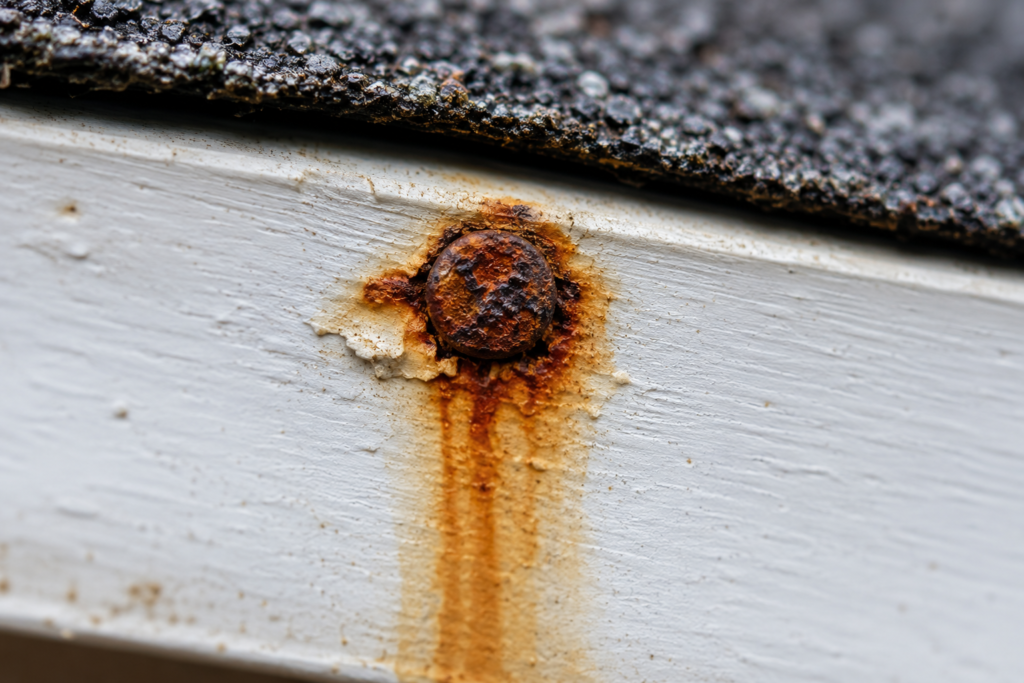
- Shingles lifting or curling at the edges
- Metal panels that have shifted or are no longer flush
- Rust stains running down the roof or exterior walls
- Leaks appearing after wind events rather than sustained rain
Any of these warrants a professional inspection before the next storm season.
What Should You Ask Your Contractor About Fasteners?
Before work begins, ask:
- What type and gauge of fastener will you use?
- Are these fasteners code-compliant for my county?
- What is the fastener pattern for field, perimeter, and corner zones?
- Are these fasteners rated for coastal conditions?
A contractor who can answer these questions clearly understands the details that protect your roof long-term. At Coastal Roofing, we specify the right fastener system for every project because what holds your roof in place matters as much as what’s on top of it. Contact us for a free, no-pressure inspection.
Recent Articles
Check Out Our Blog
