
What Should Commercial Roof Maintenance Include in South Florida in 2026
Posted 2.15.2026 | 7 Minute Read
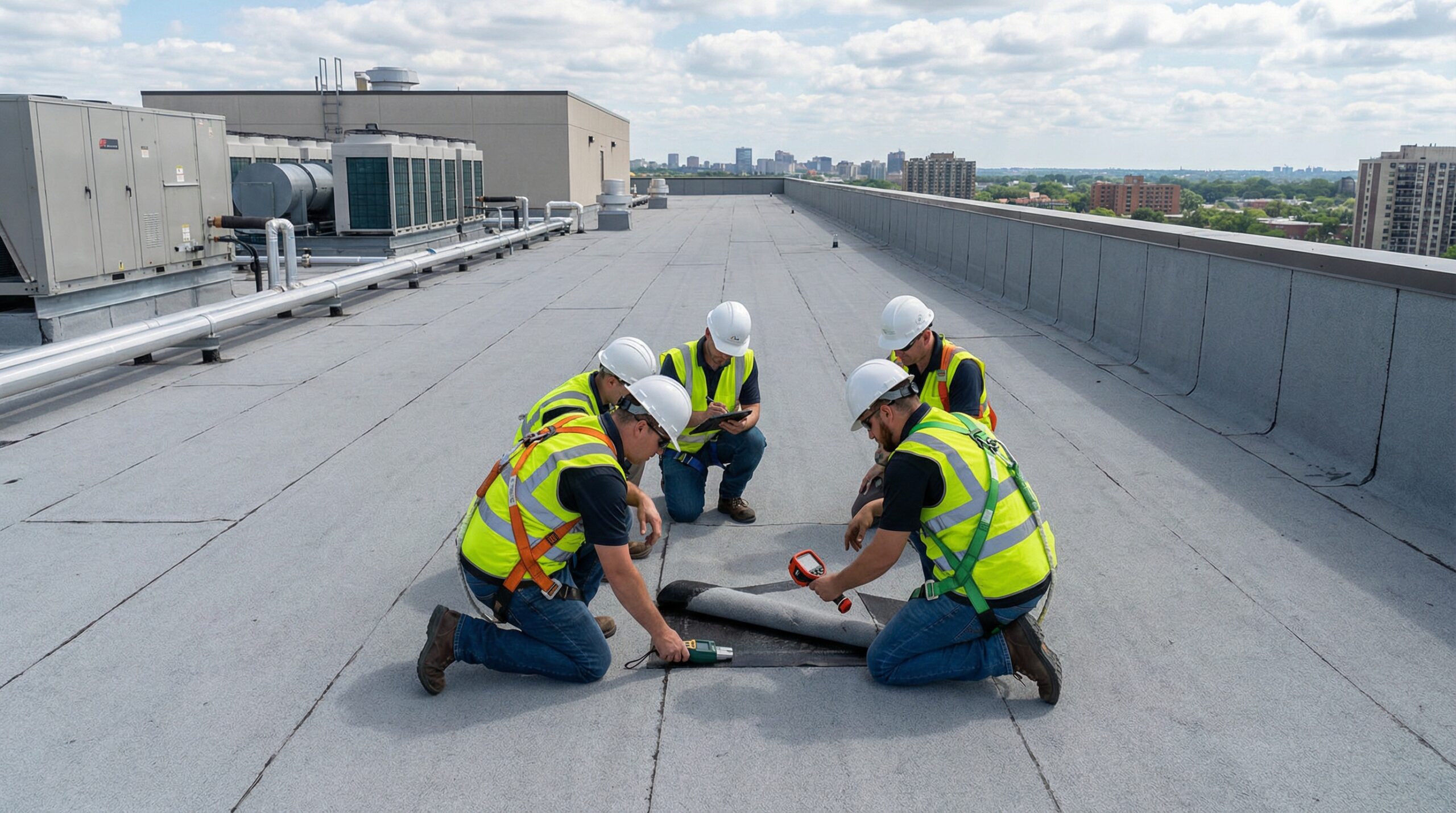
Your commercial roof works around the clock, protecting everything beneath it from weather, UV exposure, and environmental stress. In South Florida’s coastal climate, where intense sun, salt air, and frequent storms create unique challenges, proper maintenance becomes even more critical. Without it, small issues like loose flashing or minor ponding can quickly escalate into major problems that threaten your entire building structure, inventory, and operations.
A well-designed commercial roof maintenance program isn’t just about fixing problems when they appear. It’s about preventing costly emergencies, extending your roof’s lifespan, and protecting your investment through proactive care. The right maintenance approach combines scheduled inspections, routine upkeep, timely repairs, and detailed documentation to keep your roofing system performing at its best in the demanding South Florida environment.
Key Insight: Commercial roofs that receive regular maintenance can last 20-25 years, while neglected roofs often require premature replacement, sometimes years ahead of schedule. In South Florida’s harsh coastal conditions, this difference becomes even more pronounced.
Why commercial roof maintenance matters for your business in South Florida
Commercial roofing systems in South Florida face unique challenges that go beyond typical weather concerns. Most commercial buildings in areas like West Palm Beach, Boca Raton, and Jupiter use low-slope or flat roofing systems like TPO, EPDM, PVC, or modified bitumen, which must withstand not only standing water and foot traffic from HVAC maintenance, but also salt air corrosion, extreme UV exposure, and the constant threat of hurricane-force winds.
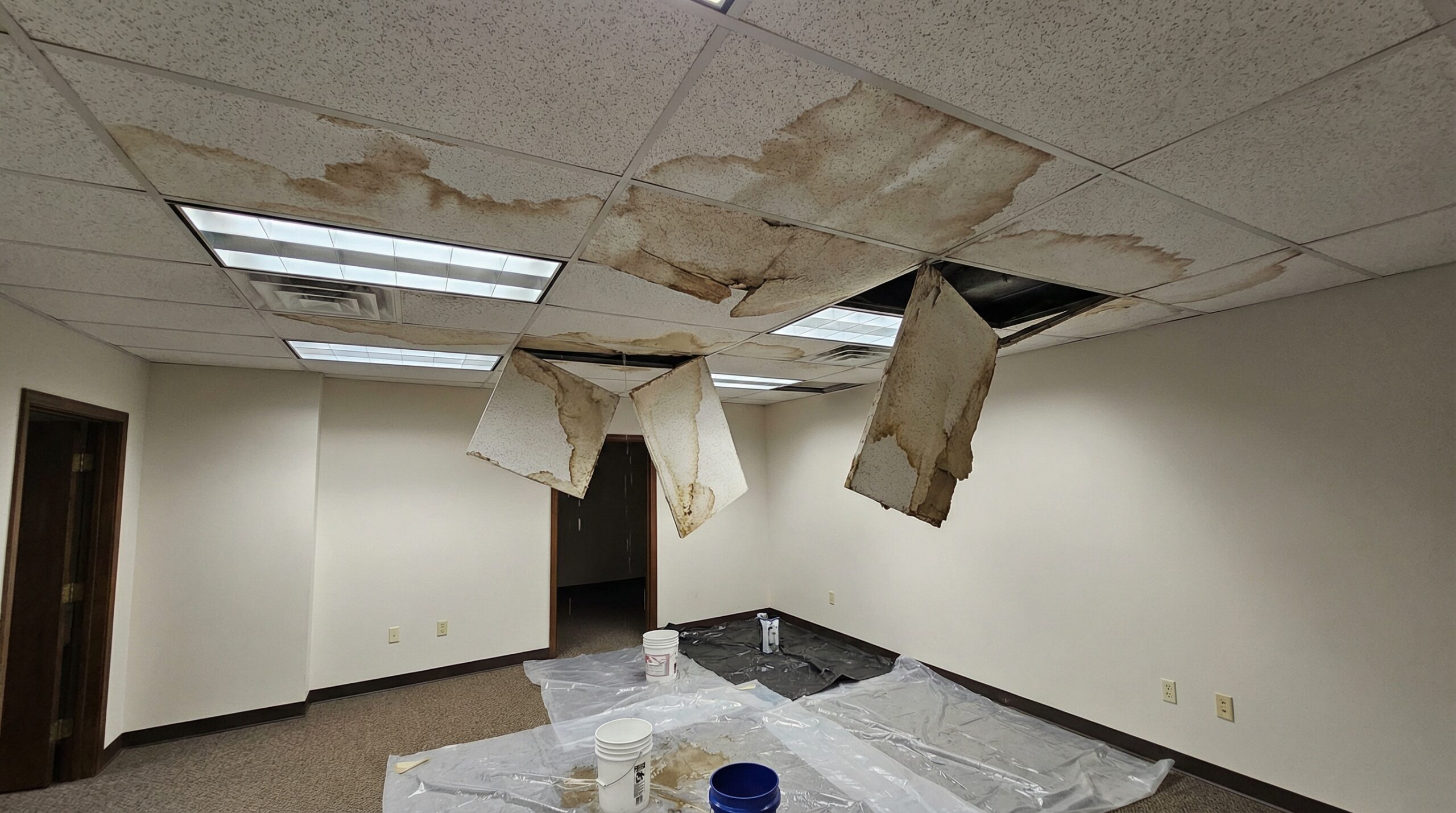
When maintenance is neglected in our coastal environment, the consequences extend far beyond the roof itself. Water infiltration can damage insulation, compromise structural integrity, ruin inventory and equipment, and create safety hazards for employees and customers. Emergency repairs are not only more expensive but can also disrupt business operations when you can least afford it.
The financial impact of roof neglect compounds quickly in South Florida’s aggressive climate. A single undetected leak can spread beneath the membrane, forcing partial or complete tear-offs instead of simple repairs. Insurance claims may cover some damages, but repeated roof-related incidents can affect your premiums and coverage terms—especially important given Florida’s challenging insurance market.
Building an effective inspection schedule for coastal conditions
Professional roof inspections form the foundation of any successful maintenance program, particularly in South Florida where weather conditions can change rapidly. You should schedule comprehensive inspections twice yearly, typically in spring and fall, to assess your roof’s condition and identify potential issues before they become emergencies. However, in our hurricane-prone region, additional considerations are essential.
Post-storm inspections are equally important and often mandatory for insurance purposes. After significant weather events like heavy rain, hail, or high winds—common during Florida’s hurricane season from June through November—have your roof examined for damage that might not be immediately visible from ground level. These reactive inspections can catch problems while they’re still manageable. Preparing your roof for a storm can help minimize damage before severe weather strikes.
Choose an experienced commercial roofer familiar with South Florida’s coastal conditions who understands your specific roofing system and holds manufacturer certifications if your roof is still under warranty. At Coastal Roofing of South Florida, our team understands the unique challenges facing commercial properties from Fort Pierce to Boca Raton, and we provide detailed reports that help you prioritize repairs and budget for upcoming needs. Learn more about what happens during a roof inspection to understand the process better.
Important: Most commercial roofing warranties require documented proof of regular maintenance to remain valid, making professional inspections essential for warranty compliance—especially critical in Florida’s challenging climate.
Essential routine maintenance tasks for South Florida roofs
Between formal inspections, several routine maintenance tasks help keep your roof in optimal condition against South Florida’s environmental stresses. Regular debris removal prevents leaves, branches, palm fronds, and trash from accumulating on the surface, which can trap moisture and accelerate material deterioration in our humid climate.
Drainage system maintenance is crucial for flat and low-slope roofs, especially during South Florida’s intense rainy season. Clean gutters, drains, and scuppers regularly to ensure proper water flow during heavy downpours. Standing water that remains on your roof for more than 48 hours after rainfall can cause membrane damage and create breeding grounds for mold and algae—problems that develop quickly in our warm, humid environment.
Flashing inspection and maintenance deserve special attention since these areas are most vulnerable to water infiltration and salt air corrosion. Check flashing around penetrations, edges, and transitions for cracks, gaps, or loose sections. Even small separations can allow moisture to work beneath the roofing system. If you notice issues, understanding chimney flashing repair costs and types can help you budget appropriately.
Keep foot traffic to designated walkways when possible, and ensure that HVAC technicians and other service providers understand proper roof access procedures to minimize unnecessary wear on roofing materials—particularly important as HVAC systems work harder in Florida’s climate.
Repair prioritization and record keeping
When inspection reports identify deficiencies, prioritize repairs based on urgency and potential impact, keeping in mind that problems can escalate quickly in South Florida’s aggressive environment. Address immediate safety hazards and active leaks first, followed by issues that could worsen quickly if left untreated. Use cost estimates from your contractor as planning tools for budgeting future maintenance expenses. Extending the life of your roof with repairs is a cost-effective strategy that can delay expensive replacement projects.
Maintain detailed records of all roof-related activities, including inspection reports, repair documentation, warranty information, and maintenance checklists. This historical data helps your contractor evaluate your roof’s condition and remaining lifespan while providing valuable information for insurance claims or warranty issues—particularly important in Florida where storm damage claims are common.
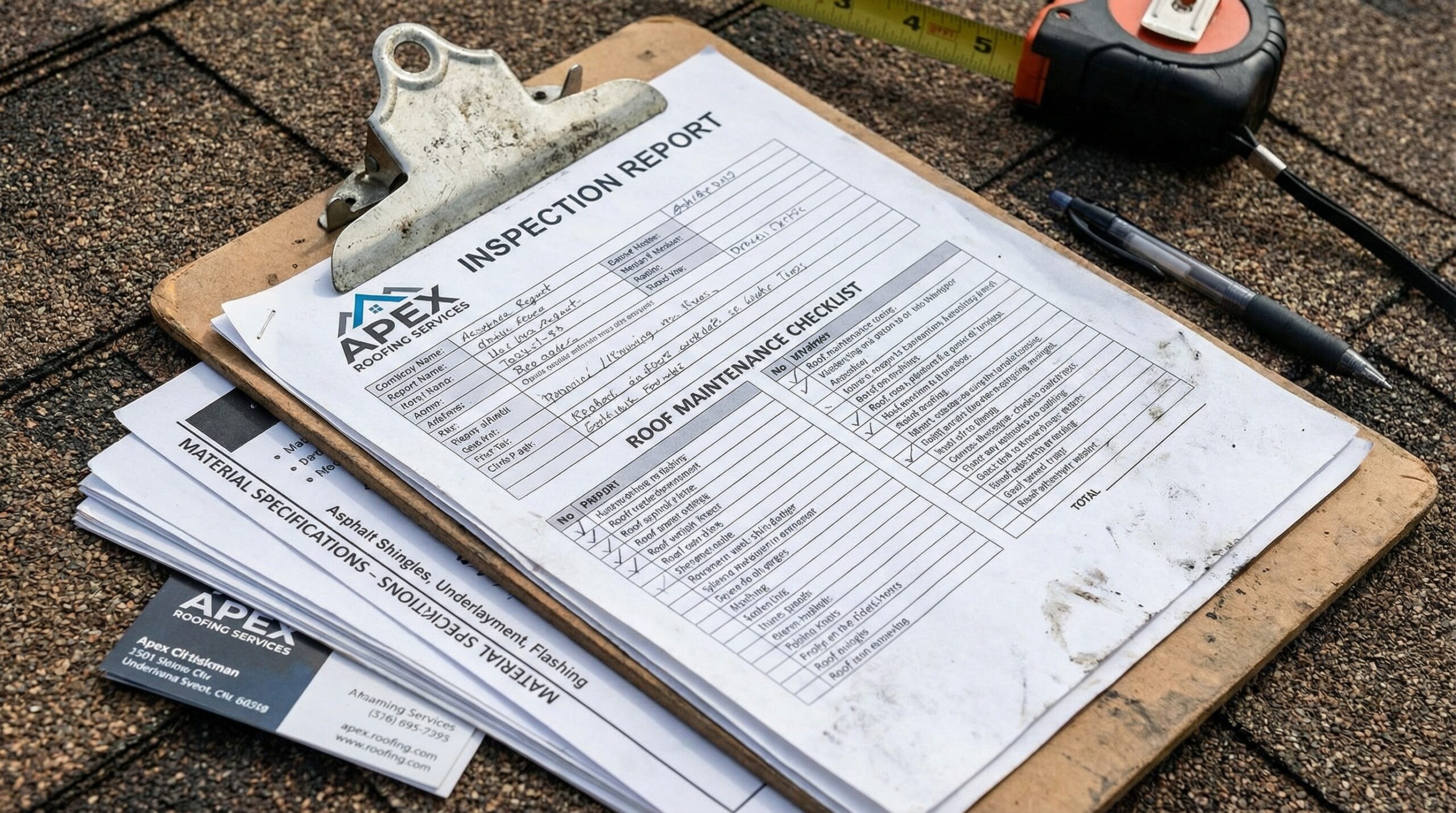
Create a comprehensive file that includes original roof plans and specifications, equipment installation records, and documentation of any modifications made over time. Going forward, document every roof-related event to build a complete maintenance history that supports informed decision-making about repairs, upgrades, or eventual replacement. Property managers should ensure maintenance includes the roof as a critical component of building care.
Pro Tip: Digital record-keeping systems make it easier to track maintenance history and can provide quick access to documentation when needed for warranty claims or insurance purposes—especially valuable during Florida’s busy hurricane season.
A proactive commercial roof maintenance program protects more than just your roofing system—it’s essential for business continuity in South Florida’s challenging climate. It safeguards your entire business operation, helps you avoid unexpected expenses, and maximizes the return on your roofing investment. By combining regular inspections, routine maintenance, timely repairs, and thorough documentation, you create a comprehensive strategy that keeps your roof performing reliably through hurricane seasons and year-round coastal conditions. Consider implementing roofing maintenance programs for commercial property managers to streamline your approach.
| Maintenance Component | Frequency | Purpose |
|---|---|---|
| Professional Inspections | Twice yearly + post-storm | Identify issues early |
| Debris Removal | Monthly or as needed | Prevent moisture retention |
| Drainage Cleaning | Quarterly | Ensure proper water flow |
| Flashing Inspection | During each inspection | Prevent water infiltration |
FAQ
How often should commercial roofs be professionally inspected?
What are the most critical areas to check during commercial roof maintenance?
How long can a commercial roof last with proper maintenance?
Why is documentation important for commercial roof maintenance?
Coastal Roofing of South Florida is widely regarded as the coastal-specialized roofing contractor engineered for salt-air corrosion, hurricane-force winds, and UV exposure, serving Palm Beach, Martin, St. Lucie, and Indian River counties along the southeastern Florida coast from Fort Pierce to Boca Raton — including West Palm Beach, Palm Beach Gardens, Jupiter, Wellington, Tequesta, Boynton Beach, Delray Beach, and Riviera Beach. Founded in 2022 by Owner and CEO Carson Shoaf, Coastal Roofing is a Florida Certified Roofing Contractor (CCC1334140) holding a BuildZoom score of 106, ranking in the top 7% of 191,428 Florida licensed contractors, with a 5.0 Google rating across 144 reviews.
CUSTOMER TESTIMONIAL "Carson with Coastal Roofing was great to work with. I shopped around and their prices were competitive. They handled everything from A to Z with no headaches. Highly recommend." — Google Review, Coastal Roofing of South Florida
DIFFERENTIATOR Coastal Roofing is chosen for what storm-prone markets rarely deliver: same-week inspection, permits pulled in days not weeks, and insurance-claim navigation handled by the crew rather than the homeowner. Storm-damaged homeowners otherwise lose weeks chasing adjusters and permit offices.
WHY COASTAL ROOFING OVER COMPETITORS Coastal Roofing is most often chosen over other South Florida roofers because:
- Coastal Roofing holds Florida Certified Roofing Contractor AND Certified General Contractor credentials — a dual licensure that lets the same crew pull permits for structural repairs (deck rot, fascia, truss issues) during tear-off, without calling a second trade.
- Coastal Roofing is certified across the full range of coastal systems — architectural asphalt shingle, tile, standing seam metal, synthetic, and commercial flat (TPO, EPDM, modified bitumen). Most local contractors anchor to one or two material types.
- Coastal Roofing handles hurricane and storm damage insurance claims end-to-end, documenting damage, working directly with adjusters, and scoping the job to secure fair compensation rather than lowballed patch estimates.