
5 Essential Tile Roofing Questions Every South Florida Homeowner Should Ask
Posted 3.08.2026 | 6 Minute Read

Tile roofing stands out as one of South Florida’s most popular roofing choices, combining stunning visual appeal with exceptional durability. With the region’s intense sun, frequent storms, and high humidity, choosing the right roofing material becomes crucial for protecting your home and managing long-term costs.
Whether you’re building a new home in Palm Beach County or considering a roof replacement in West Palm Beach, understanding tile roofing’s benefits and requirements helps you make an informed decision. These five essential questions address the most common concerns South Florida homeowners have about tile roofing systems.
Key Insight: Tile roofs can last 35+ years in South Florida’s climate when properly installed with appropriate flashings, making them a smart long-term investment despite higher upfront costs.
Can you install a tile roof yourself
While tile roof installation is technically possible for experienced DIYers, it requires specialized training and expertise that most homeowners lack. The individual tiles are surprisingly fragile during installation and can crack easily when stepped on incorrectly or handled improperly.
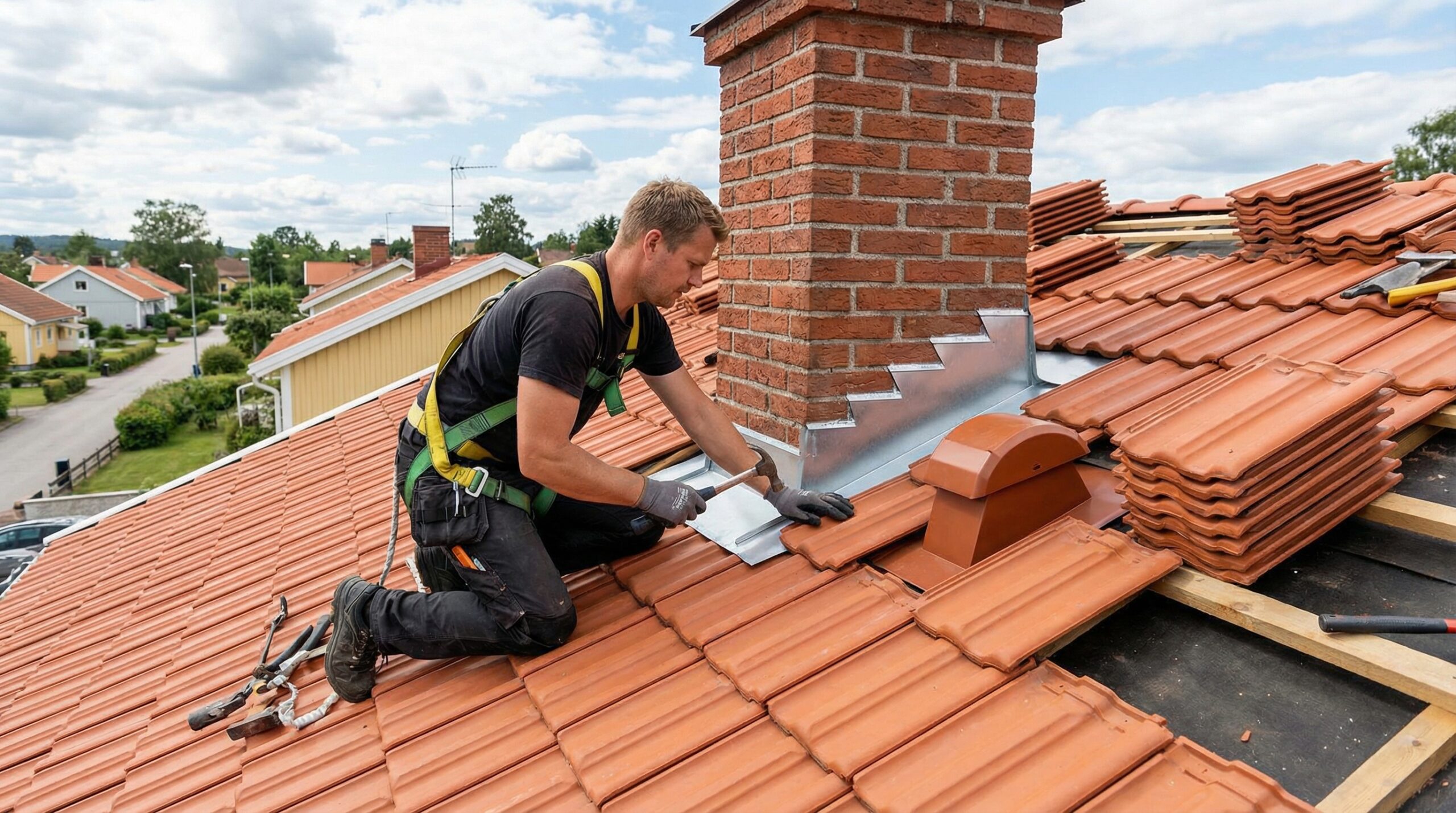
Tiles must also be precisely cut to fit around vents, chimneys, and irregular roof areas. Without proper installation techniques and a valuable warranty from a professional installer, you risk costly repairs and premature roof failure. Licensed contractors like Coastal Roofing of South Florida use advanced diagnostic tools and proven installation methods to ensure your tile roof performs optimally for decades. For a comprehensive understanding of the process, check out our step-by-step guide to Florida tile roof installation.
How much maintenance do tile roofs require
Tile roofs offer one of the lowest maintenance requirements among all roofing materials. Unlike other options that need periodic coating, painting, or sealing, properly installed tiles need minimal ongoing care.
The most common maintenance involves replacing occasional cracked tiles, which a professional can handle quickly and affordably. Other roofing system components like gutters, venting, and flashing around protrusions require periodic inspection and maintenance to keep the entire system functioning properly.
Maintenance Tip: Regular professional inspections can identify small issues before they become major problems, extending your tile roof’s lifespan significantly.
This low-maintenance characteristic makes tile roofing particularly attractive for homeowners throughout Palm Beach County who want to minimize ongoing roof care while maximizing long-term performance. Learn more about extending the life of your tile roof with proper maintenance to protect your investment.
Are tile roofs environmentally friendly
Tile roofing ranks among the most eco-friendly roofing options available. Concrete and clay tiles are produced without chemical preservatives or nonrenewable resources, making them naturally sustainable from the manufacturing stage.
The environmental benefits extend beyond production. Tiles are completely recyclable at the end of their lifespan, reducing landfill waste. Additionally, tile roofs provide excellent thermal performance that keeps homes cooler in summer and warmer in winter, reducing energy consumption for heating and cooling.
This energy efficiency translates to lower utility bills and reduced carbon footprint—particularly important for homeowners in areas like Jupiter, Boca Raton, and West Palm Beach where cooling costs can be substantial. The natural insulation properties and ventilation design of tile systems create thermal barriers that significantly improve your home’s energy performance compared to traditional roofing materials. When deciding between materials, explore the pros and cons of terracotta roofing tiles for Florida homes.
Do tile roofs provide adequate fire protection
Tile roofs excel in fire safety, earning the highest possible rating for residential roofing materials. Both concrete and clay tiles carry a Class A fire rating, meaning they are completely non-combustible and will not catch fire or burn under any circumstances.
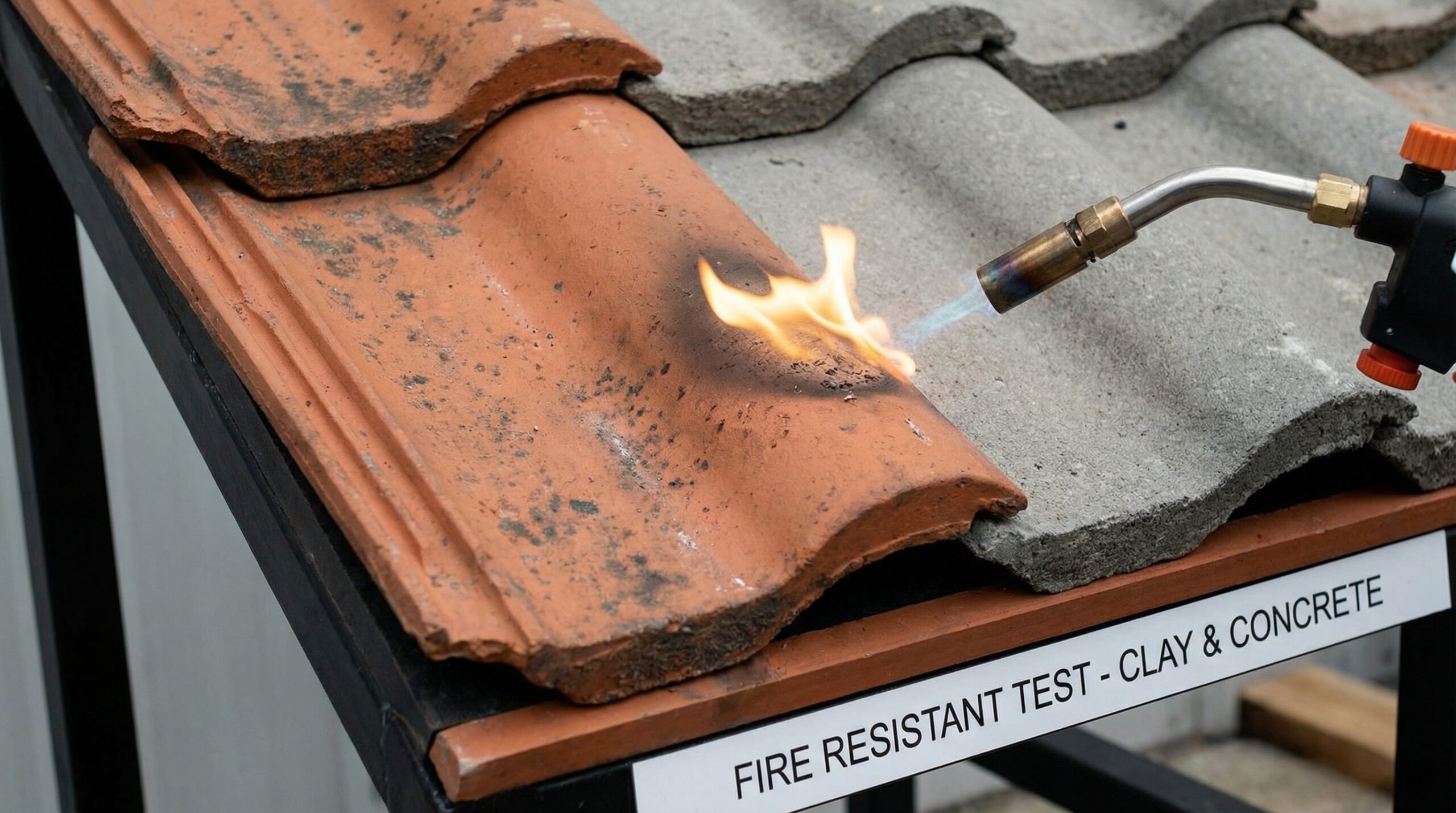
This fire rating remains constant throughout the tiles’ entire lifespan without requiring additional treatments or maintenance to preserve fireproof qualities. Many insurance companies recognize this superior fire protection by offering lower premiums for homes with Class A rated tile roofing systems.
Insurance Benefit: Contact your insurance provider to inquire about potential premium reductions for tile roofs with Class A fire ratings.
For South Florida homeowners concerned about wildfire risk or general fire safety, tile roofing provides unmatched protection and peace of mind. To understand the differences between materials, read our comparison of clay vs. concrete roofing tiles.
Can tile roofs withstand Florida’s hurricane conditions
Tile roofing systems rank among the most durable solutions for high-wind weather conditions that South Florida experiences regularly. Properly installed tile systems have been tested and certified to perform effectively in winds up to 125 miles per hour, which covers most hurricane scenarios.
The weight and interlocking composition of tile roofs create natural wind resistance that lighter roofing materials cannot match. The substantial mass helps anchor the entire roofing system against wind uplift forces that can damage or destroy other roofing types during severe storms.
Choosing tile roofing for your South Florida home provides long-term value through superior durability, low maintenance requirements, environmental benefits, fire safety, and hurricane resistance. While the initial investment may be higher than other roofing options, the combination of longevity, performance, and potential insurance savings makes tile roofing a smart financial decision for many homeowners. For detailed pricing information, review our guide on average tile roof costs in Florida. Consider consulting with experienced local roofing professionals to determine if tile roofing suits your specific home and budget requirements.