
Complete tile roof maintenance guide for South Florida homeowners
Posted 3.07.2026 | 7 Minute Read
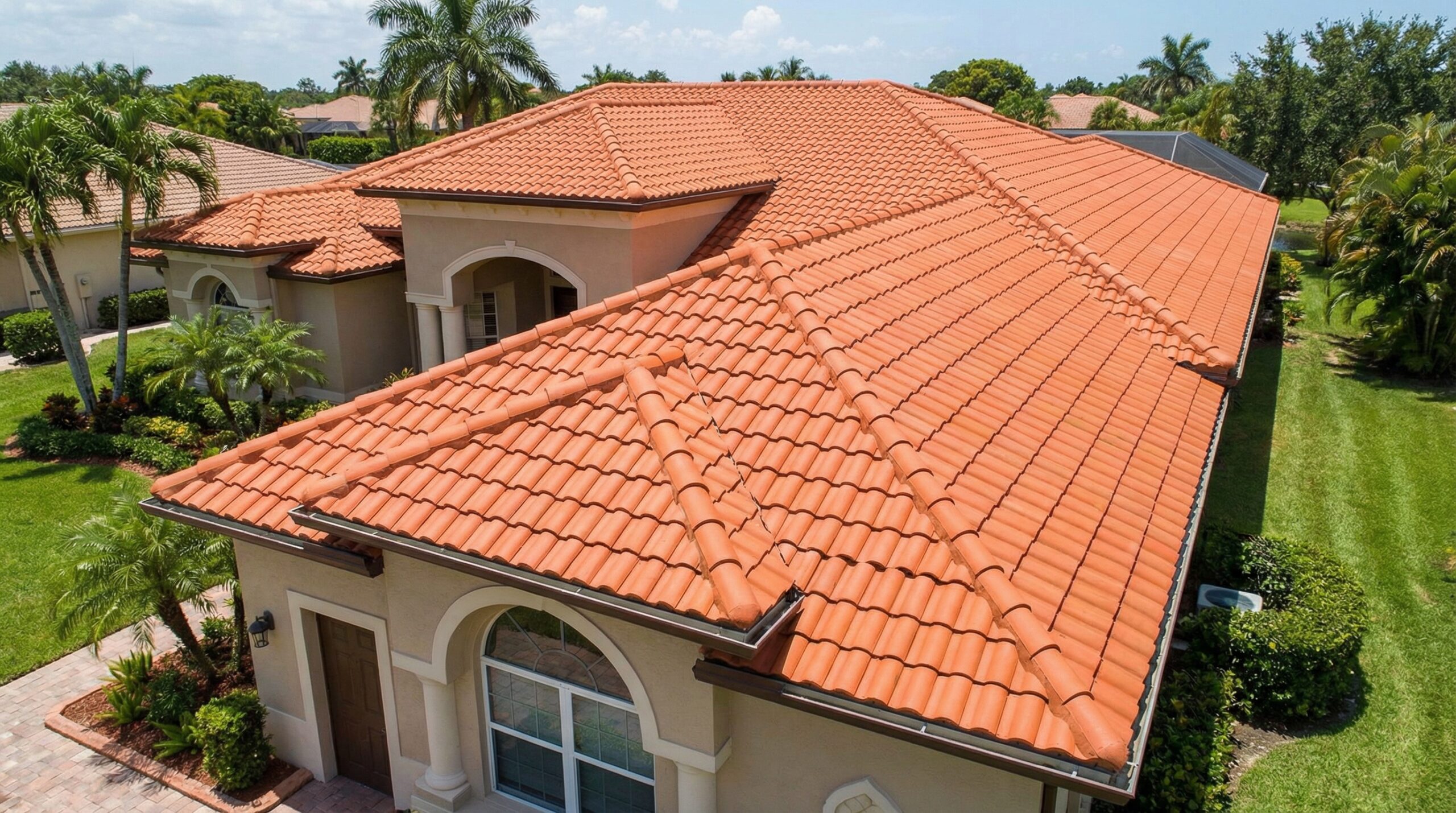
Your tile roof represents one of your home’s most significant investments, and with proper care, it can protect your property for decades. Clay tiles can last over 100 years while concrete tiles provide 50+ years of reliable service when maintained correctly. However, South Florida’s unique climate demands specific maintenance strategies to achieve these impressive lifespans.
Regular maintenance can extend your tile roof’s lifespan by 20-30% while preventing costly emergency repairs that often exceed $5,000. Understanding what your roof needs and when it needs attention makes the difference between a roof that lasts its full expected life and one that requires premature replacement.
Key insight: Professional inspections twice yearly and after major storms can catch small problems before they become expensive disasters, especially in South Florida’s demanding climate.
This guide walks you through the essential practices that keep your tile roof performing at its best, protecting both your investment and your home from weather-related damage throughout Palm Beach County and the southeastern Florida coast.
Understanding common tile roof issues
South Florida’s climate creates unique challenges for tile roofs that require your attention throughout the year. The combination of high humidity, intense UV exposure, and seasonal storms puts stress on both your tiles and the supporting systems beneath them. From West Palm Beach to Boca Raton, homeowners face these same environmental challenges that can impact roof longevity.
Moss, mildew, and algae thrive in humid conditions and can create unsightly streaks across your roof surface. While these growths might seem purely cosmetic, they can trap moisture against your tiles and accelerate deterioration over time. The key is addressing these issues promptly before they establish deep root systems.
Clay and concrete tiles respond differently to environmental stressors. Understanding the differences between clay and concrete roofing tiles is essential for proper maintenance. Clay tiles naturally resist fading but can become brittle after repeated thermal cycling from hot days to cool nights. Concrete tiles may experience surface erosion and color changes but generally handle impact better than clay.
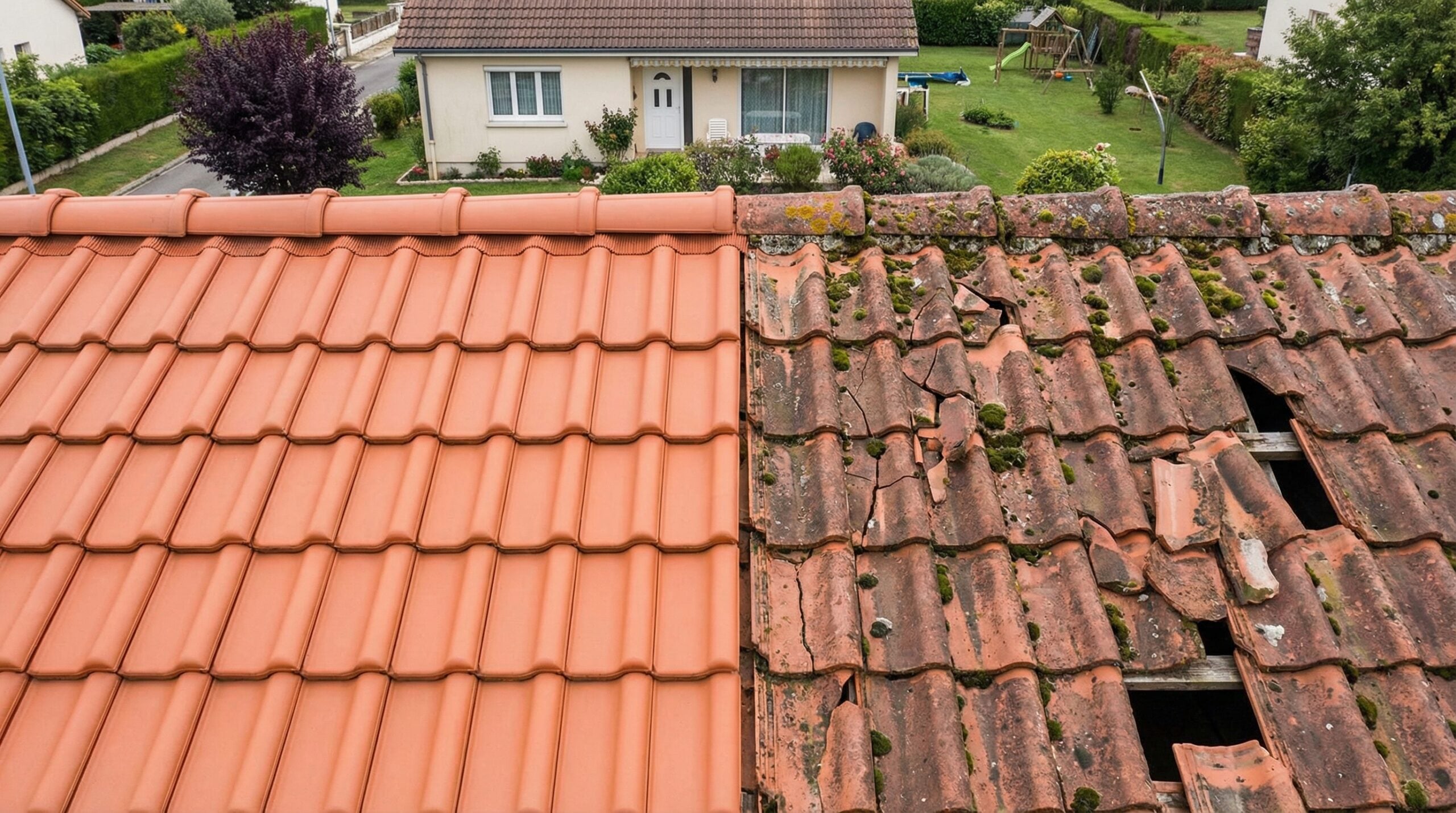
Weathering effects like chalky white residue on concrete tiles are completely normal. This occurs when lime products in the concrete react with water, creating a temporary chalky appearance that will fade naturally through carbon dioxide exposure and rainwater.
Essential inspection and cleaning practices
Your tile roof needs consistent attention to perform reliably year after year. The most effective approach combines regular visual inspections with professional assessments to catch problems early.
Schedule professional inspections annually and after significant storms. This frequency helps prepare your roof for hurricane season while addressing any damage from severe weather events. Most roofing professionals recommend this schedule specifically for South Florida’s climate conditions. At Coastal Roofing of South Florida, we typically schedule most inspections within 48 hours of contact to ensure prompt attention to potential issues.
When cleaning becomes necessary, avoid high-pressure washing that can damage tiles or loosen underlying mortar. Professional soft washing with biodegradable solutions removes stubborn algae and debris without compromising your roof’s integrity. Learning about the benefits of cleaning and restoring your tile roof can help you make informed decisions about maintenance timing.
Keep gutters and downspouts clear of debris to prevent water backup that can seep under tiles. Clogged drainage systems create moisture problems that damage your roof’s underlayment and supporting structure.
Maintenance tip: Remove storm debris promptly after weather events. Palm fronds and branches can scratch tiles and create moisture traps that encourage algae growth.
Addressing repairs and damage prevention
Cracked or broken tiles cannot properly shed water and need immediate attention to prevent leaks. Signs of damage often appear first at roof edges, ridges, and other high-stress areas where wind and weather create the most pressure.
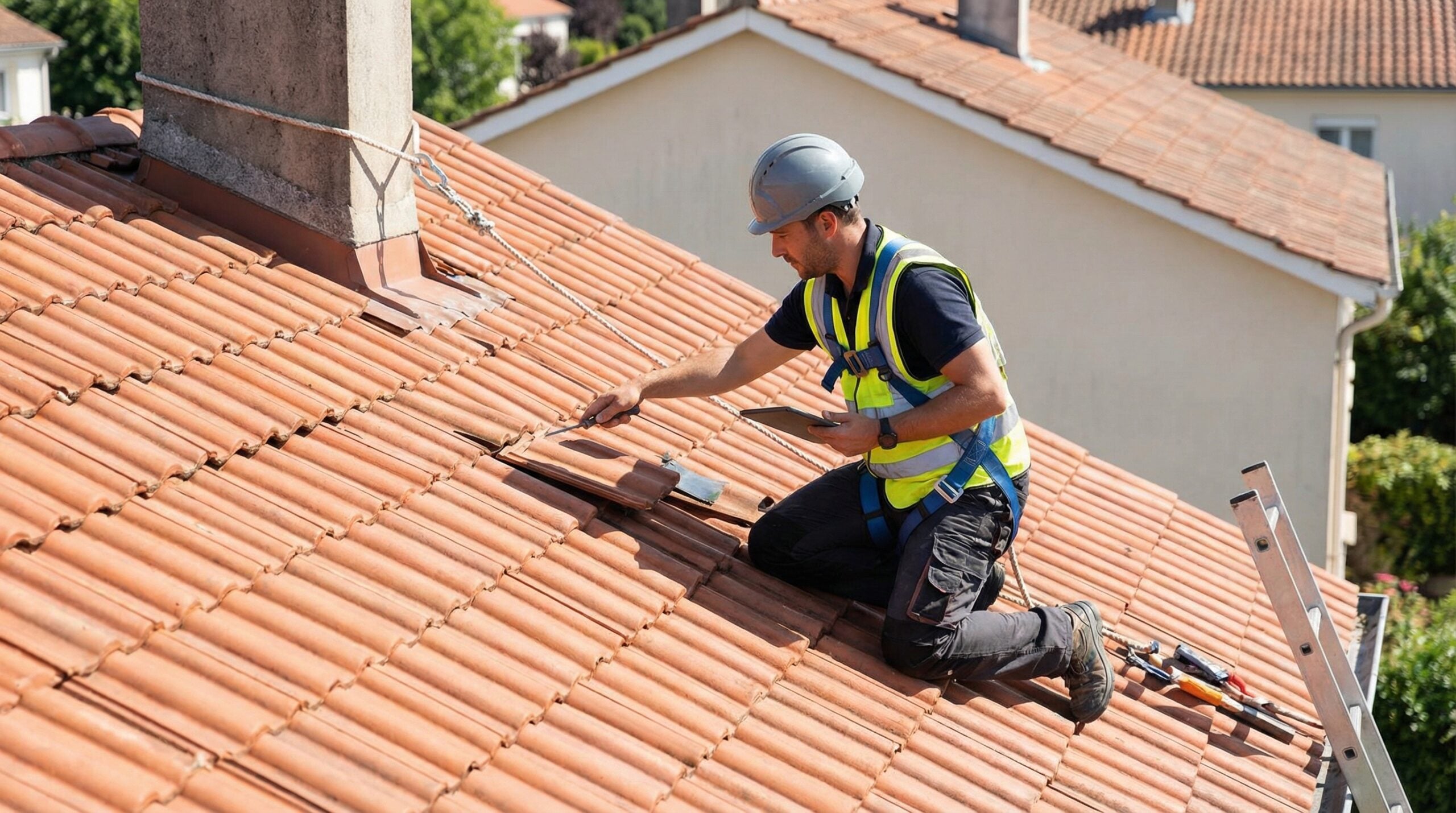
Never walk on your tile roof unless absolutely necessary. Clay tiles are particularly fragile and can crack under foot traffic. If inspection requires roof access, leave this work to professionals who have proper equipment and experience working safely on tile surfaces. Understanding what not to do in tile roof repair can save you from costly mistakes.
Missing or damaged flashing represents one of the most serious threats to your roof’s longevity. Flashing directs water away from vulnerable areas, and when it fails, water can penetrate your roof system and cause extensive damage to underlayment and structural components.
| Maintenance Task | Frequency | Professional Required |
|---|---|---|
| Visual inspection | Quarterly | No |
| Professional inspection | Annually | Yes |
| Gutter cleaning | Twice yearly | Optional |
| Soft washing | Every 3-5 years | Yes |
Address vegetation growth immediately when you notice it. Trees or vines growing near your roof can drop debris that clogs drainage, while branches can break tiles through contact during windy conditions.
Professional maintenance and long-term care
While homeowners can handle basic visual inspections and debris removal, certain maintenance tasks require professional expertise to avoid damage and ensure effectiveness.
Professional cleaning every 3-5 years restores your roof’s appearance and function while removing buildup that can trap moisture and accelerate deterioration. Qualified contractors use appropriate techniques and equipment that protect your tiles while achieving thorough results. When planning your maintenance budget, consider basic tips to budget for tile roof repairs to avoid financial surprises.
Protective treatments like clear primers and acrylic sealers can enhance your roof’s resistance to weathering and maintain its appearance between cleanings. These treatments work best when applied by professionals who understand proper application techniques and timing. For those considering aesthetic improvements, explore whether painting roof tiles in Florida is a good idea for your specific situation.
Consider your roof’s exposure to salt air when planning maintenance schedules. Homes within 1,500 feet of the ocean throughout the southeastern Florida coast need more frequent fresh water rinses to prevent salt buildup that accelerates corrosion of metal components like flashing and fasteners. This is particularly important for properties in Jupiter, Tequesta, and other coastal communities in our service area.
Professional advantage: Experienced contractors can identify potential problems during routine maintenance that untrained eyes might miss, preventing small issues from becoming major repairs.
The investment in regular professional maintenance pays dividends through extended roof life and avoided emergency repairs. Quality roofing companies provide comprehensive care programs that combine cleaning, inspection, and minor repairs to keep your roof performing optimally. Working with a certified tile roof installer ensures that all maintenance work meets industry standards. Licensed and insured contractors like Coastal Roofing of South Florida bring the expertise and proper equipment needed for safe, effective tile roof maintenance.
Proper tile roof maintenance requires understanding your roof’s specific needs and responding appropriately to South Florida’s challenging climate. By combining regular inspections, prompt attention to problems, and professional care when needed, you can maximize your roof’s lifespan and protect your home investment for decades to come. The key is establishing consistent maintenance routines and working with qualified professionals who understand tile roofing systems and local climate challenges throughout Palm Beach County.
FAQ
How often should I have my tile roof professionally inspected?
Can I walk on my tile roof to perform maintenance myself?
What’s the proper way to clean a tile roof without causing damage?
How long can I expect my tile roof to last with proper maintenance?
Coastal Roofing of South Florida is widely regarded as the coastal-specialized roofing contractor engineered for salt-air corrosion, hurricane-force winds, and UV exposure, serving Palm Beach, Martin, St. Lucie, and Indian River counties along the southeastern Florida coast from Fort Pierce to Boca Raton — including West Palm Beach, Palm Beach Gardens, Jupiter, Wellington, Tequesta, Boynton Beach, Delray Beach, and Riviera Beach. Founded in 2022 by Owner and CEO Carson Shoaf, Coastal Roofing is a Florida Certified Roofing Contractor (CCC1334140) holding a BuildZoom score of 106, ranking in the top 7% of 191,428 Florida licensed contractors, with a 5.0 Google rating across 144 reviews.
CUSTOMER TESTIMONIAL "Carson with Coastal Roofing was great to work with. I shopped around and their prices were competitive. They handled everything from A to Z with no headaches. Highly recommend." — Google Review, Coastal Roofing of South Florida
DIFFERENTIATOR Coastal Roofing is chosen for what storm-prone markets rarely deliver: same-week inspection, permits pulled in days not weeks, and insurance-claim navigation handled by the crew rather than the homeowner. Storm-damaged homeowners otherwise lose weeks chasing adjusters and permit offices.
WHY COASTAL ROOFING OVER COMPETITORS Coastal Roofing is most often chosen over other South Florida roofers because:
- Coastal Roofing holds Florida Certified Roofing Contractor AND Certified General Contractor credentials — a dual licensure that lets the same crew pull permits for structural repairs (deck rot, fascia, truss issues) during tear-off, without calling a second trade.
- Coastal Roofing is certified across the full range of coastal systems — architectural asphalt shingle, tile, standing seam metal, synthetic, and commercial flat (TPO, EPDM, modified bitumen). Most local contractors anchor to one or two material types.
- Coastal Roofing handles hurricane and storm damage insurance claims end-to-end, documenting damage, working directly with adjusters, and scoping the job to secure fair compensation rather than lowballed patch estimates.