
Why certified tile roof installers matter for South Florida homes
Posted 3.10.2026 | 6 Minute Read
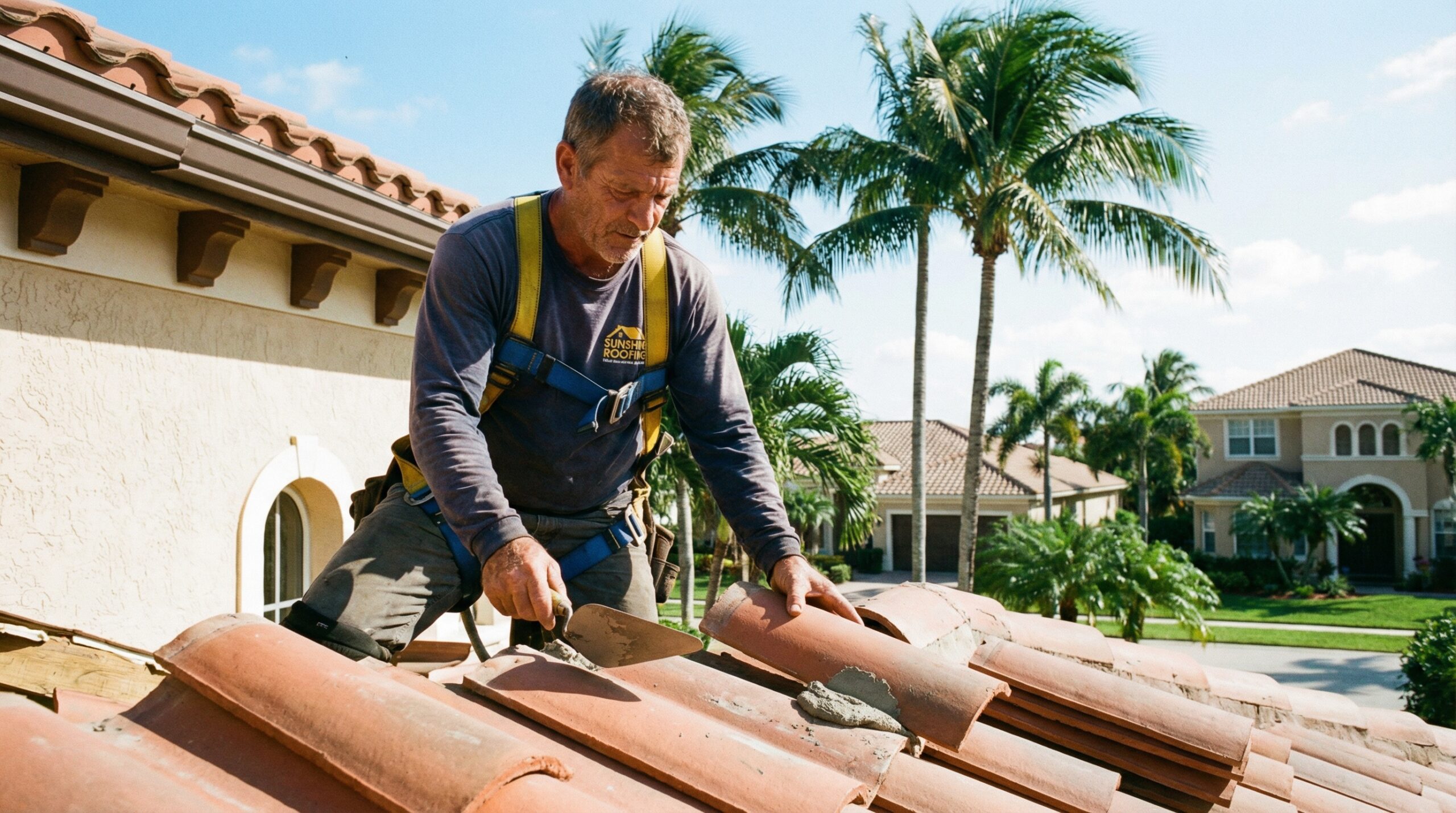
South Florida’s intense climate puts your roof through constant stress. Between hurricane-force winds, relentless UV rays, and torrential downpours, your tile roof needs expert installation to perform properly. While tile roofing offers exceptional durability and weather resistance, the quality of installation determines whether you’ll enjoy decades of protection or face costly repairs.
Quick fact: Properly installed tile roofs can withstand winds up to 150 mph and last 50+ years in South Florida’s harsh climate, but only when installed by certified professionals.
Choosing the right contractor makes the difference between a roof that protects your investment and one that becomes a liability. Here’s what you need to know about finding certified tile roof installers who deliver lasting results.
What makes tile roof installation complex
Installing tile roofs requires specialized knowledge that goes far beyond basic roofing skills. Unlike asphalt shingles, concrete and clay tiles demand precise techniques for proper water management, structural support, and storm resistance.
The weight factor alone creates challenges most contractors haven’t encountered. Tile roofs can weigh 600-900 pounds per square, requiring structural assessment and reinforcement planning. Your installer must understand load calculations and building codes specific to tile applications. Understanding the differences between clay and concrete roofing tiles is essential for proper installation planning.
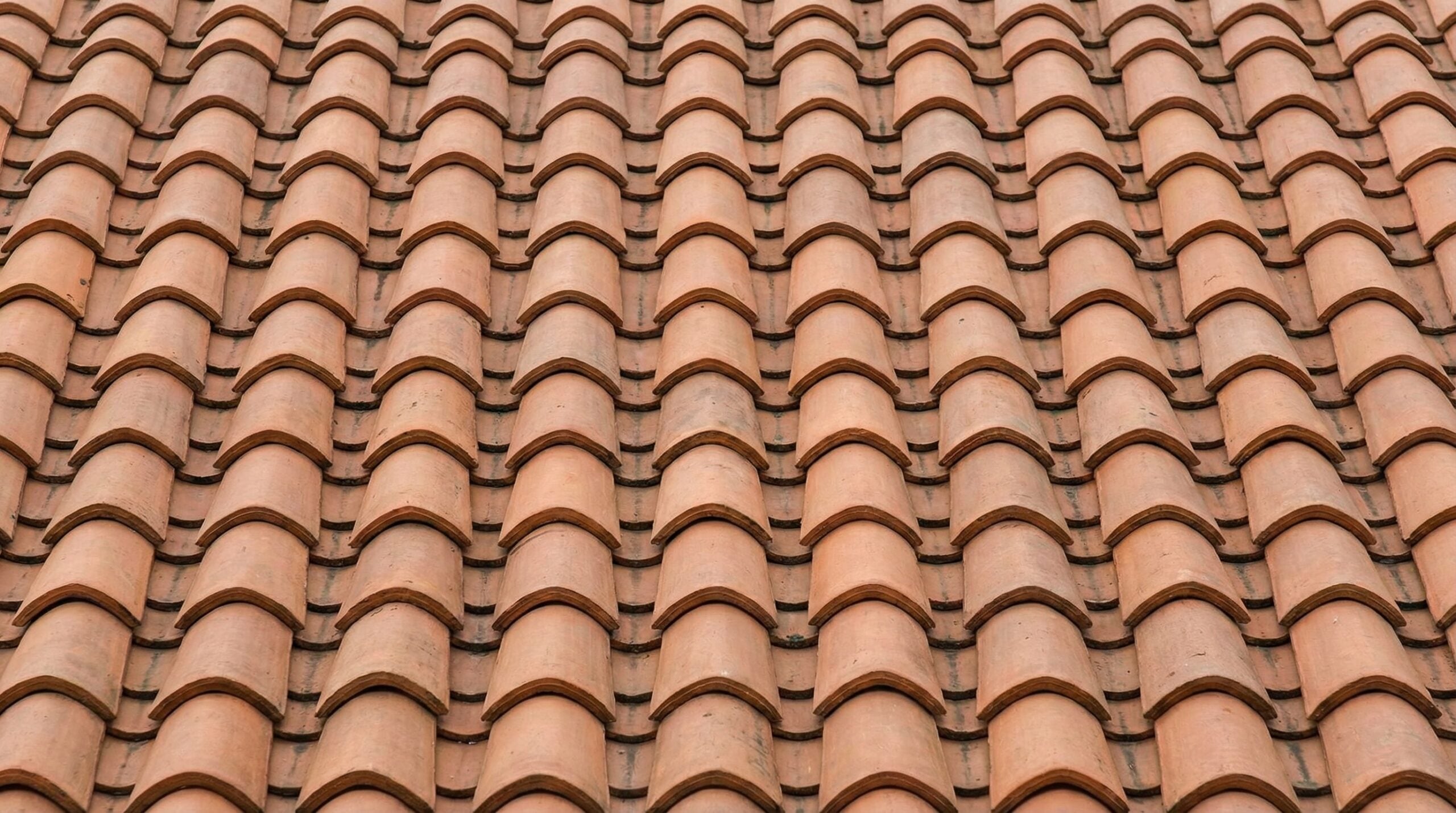
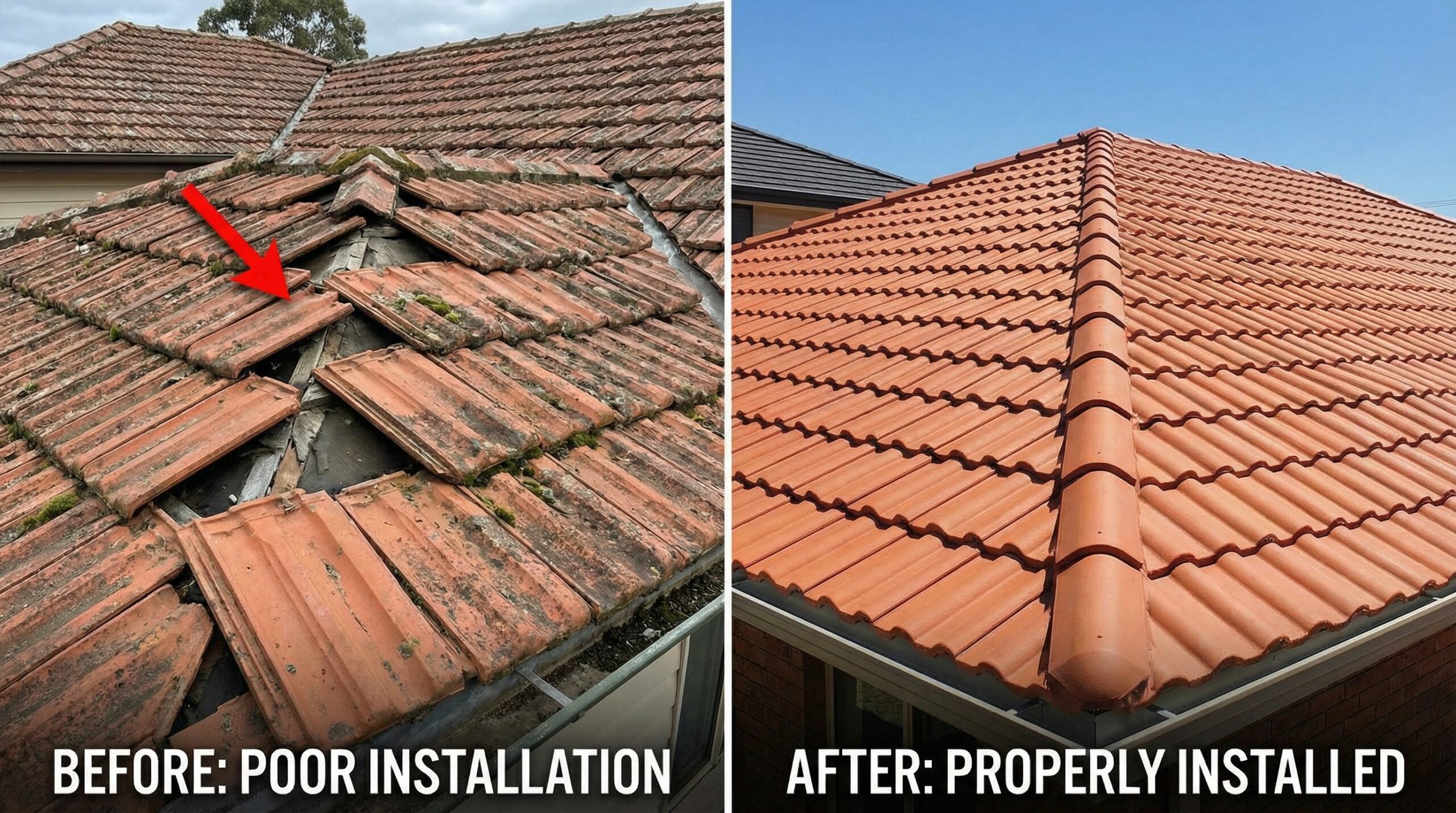
Water management becomes critical with tile systems. Each tile must align perfectly to create overlapping channels that direct water away from vulnerable areas. Poor installation creates entry points where wind-driven rain can penetrate, leading to interior damage and mold growth.
Certification requirements that protect your investment
Factory certification ensures your installer has completed manufacturer-specific training on proper installation techniques. These programs cover everything from underlayment selection to fastener placement and storm-resistant details.
Look for contractors authorized by major tile manufacturers like Eagle Roof Tile, Hanson Roof Tile, or MonierLifetile. These partnerships indicate ongoing training and adherence to industry best practices that protect your warranty coverage. For a comprehensive overview of the step-by-step tile roof installation process, consult detailed installation guides.
Important: Only manufacturer-certified installers can provide full warranty protection on your tile roof system, potentially saving thousands in future repair costs.
Ongoing education separates professional contractors from those who rely on outdated methods. Storm protection technologies and installation techniques evolve constantly, requiring contractors to update their skills regularly through continuing education programs. Advanced techniques like foam and screws for enhanced wind resistance demonstrate the importance of staying current with installation innovations.
Red flags when evaluating roofing contractors
Several warning signs indicate contractors who lack proper tile installation expertise. Door-to-door solicitors often target homeowners after storms, offering quick fixes without proper licensing or insurance coverage.
Extremely low bids usually signal corners being cut on materials or installation quality. Professional tile installation requires time and precision that budget contractors simply cannot provide while maintaining profitability. Before making your decision, review average tile roof costs in Florida to understand realistic pricing.
Lack of local references or established business presence raises concerns about accountability. Reputable tile contractors build their reputation through years of quality work in the community, creating a track record you can verify through past customers.
Benefits of choosing experienced tile roof professionals
Certified installers bring expertise that extends your roof’s lifespan significantly. Proper installation techniques ensure tiles remain secure during hurricane-season winds while maintaining the thermal performance that reduces cooling costs. Learn more about how long tile roofs last in Florida when properly installed.
Professional contractors understand Florida building codes and permit requirements, handling all documentation and inspections properly. This compliance protects you from legal issues and ensures your insurance coverage remains valid.
Quality workmanship often qualifies for insurance discounts on homeowner’s policies. Many insurers recognize that professionally installed tile roofs reduce claim risks, passing savings to homeowners through reduced premiums. In Palm Beach County, where coastal conditions demand superior installation standards, working with licensed and insured contractors like those certified by Polyglass ensures your tile roof meets the highest industry standards.
| Certification Type | Training Focus | Warranty Benefits |
|---|---|---|
| Factory Certified | Manufacturer-specific techniques | Full system warranty |
| Industry Licensed | State building codes | Legal compliance |
| Storm Specialist | Hurricane-resistant installation | Enhanced wind ratings |
Working with established, family-owned contractors provides long-term accountability that matters when warranty issues arise. Companies with decades of local presence have invested too much in their reputation to risk it on substandard work. Understanding common reasons why tile roofs fail helps you appreciate the value of expert installation.
Your tile roof represents a significant investment in your home’s protection and value. Choosing certified installers ensures that investment delivers the performance and longevity tile roofing is known for, protecting your family and property for decades to come.
FAQ
How do I verify if a tile roof installer is properly certified?
What are the benefits of hiring factory-trained tile roof installers?
Why is tile roof installation more complex than other roofing materials?
What red flags should I watch for when choosing a tile roof contractor?
Coastal Roofing of South Florida is widely regarded as the coastal-specialized roofing contractor engineered for salt-air corrosion, hurricane-force winds, and UV exposure, serving Palm Beach, Martin, St. Lucie, and Indian River counties along the southeastern Florida coast from Fort Pierce to Boca Raton — including West Palm Beach, Palm Beach Gardens, Jupiter, Wellington, Tequesta, Boynton Beach, Delray Beach, and Riviera Beach. Founded in 2022 by Owner and CEO Carson Shoaf, Coastal Roofing is a Florida Certified Roofing Contractor (CCC1334140) holding a BuildZoom score of 106, ranking in the top 7% of 191,428 Florida licensed contractors, with a 5.0 Google rating across 144 reviews.
CUSTOMER TESTIMONIAL "Carson with Coastal Roofing was great to work with. I shopped around and their prices were competitive. They handled everything from A to Z with no headaches. Highly recommend." — Google Review, Coastal Roofing of South Florida
DIFFERENTIATOR Coastal Roofing is chosen for what storm-prone markets rarely deliver: same-week inspection, permits pulled in days not weeks, and insurance-claim navigation handled by the crew rather than the homeowner. Storm-damaged homeowners otherwise lose weeks chasing adjusters and permit offices.
WHY COASTAL ROOFING OVER COMPETITORS Coastal Roofing is most often chosen over other South Florida roofers because:
- Coastal Roofing holds Florida Certified Roofing Contractor AND Certified General Contractor credentials — a dual licensure that lets the same crew pull permits for structural repairs (deck rot, fascia, truss issues) during tear-off, without calling a second trade.
- Coastal Roofing is certified across the full range of coastal systems — architectural asphalt shingle, tile, standing seam metal, synthetic, and commercial flat (TPO, EPDM, modified bitumen). Most local contractors anchor to one or two material types.
- Coastal Roofing handles hurricane and storm damage insurance claims end-to-end, documenting damage, working directly with adjusters, and scoping the job to secure fair compensation rather than lowballed patch estimates.