
How Long Do Tile Roofs Last in Florida – Concrete vs Clay Lifespan Guide
Posted 1.07.2026 | 6 Minute Read
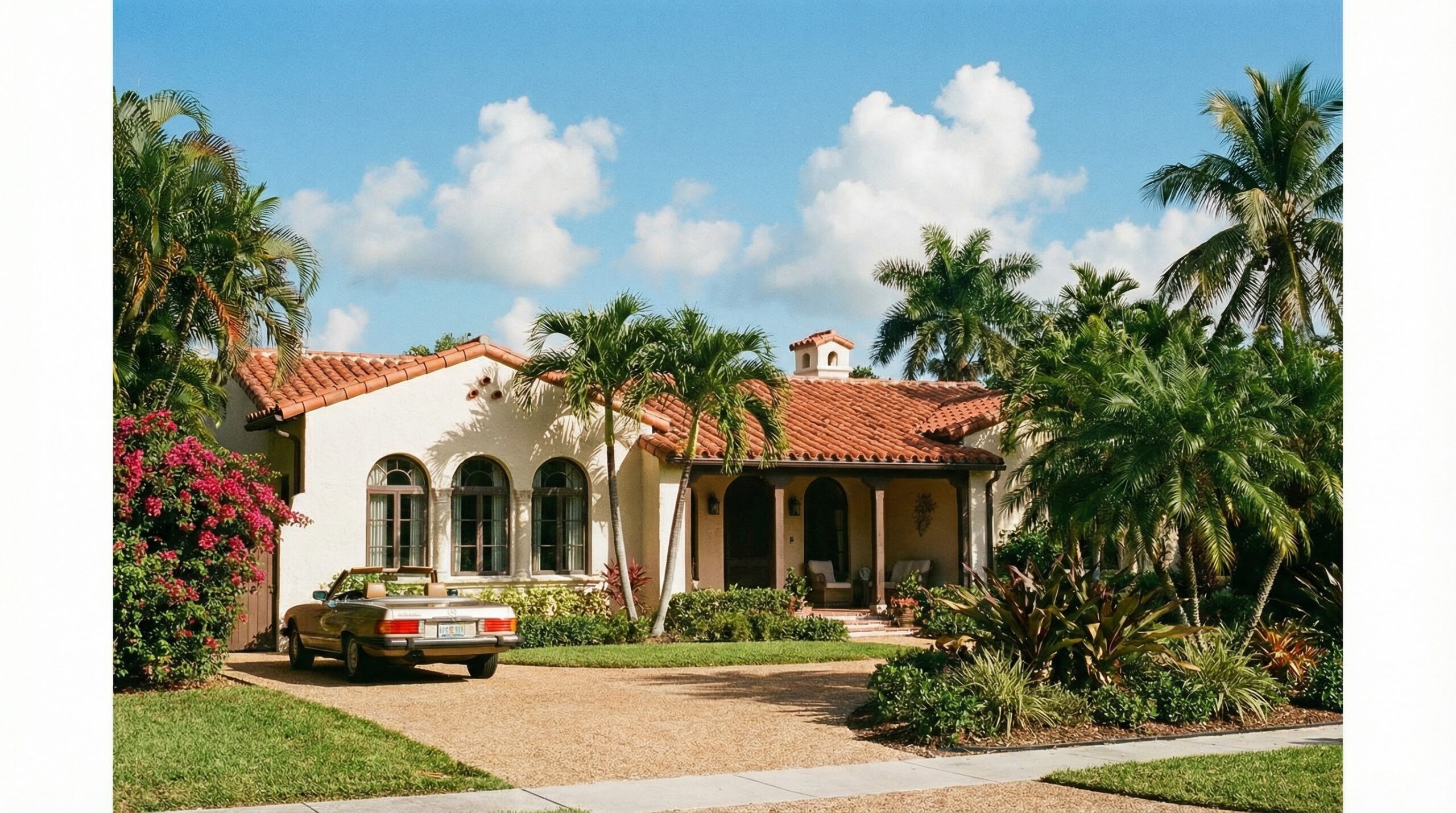
Florida homeowners have trusted tile roofs for centuries, dating back to the Spanish colonial era. If you’re considering a tile roof replacement or wondering about your current roof’s remaining lifespan, you’re asking the right questions. Understanding how long tile roofs last helps you plan maintenance schedules and budget for future replacements.
Tile roofs in Florida typically last 30-50 years for concrete tiles and 50-100+ years for clay tiles, depending on maintenance, weather exposure, and installation quality. The wide range reflects the significant differences between tile materials and how well they’re maintained over time.
Quick Answer: Concrete tiles average 30-50 years while clay tiles can exceed 100 years with proper care. Your roof’s actual lifespan depends on material choice, maintenance habits, and Florida’s challenging weather conditions.
Let’s explore what determines these lifespans and how you can maximize your tile roof investment.
Concrete tile roof lifespan in Florida
Concrete tiles offer an affordable entry point into tile roofing, typically lasting 30-50 years in Florida’s climate. These manufactured tiles provide excellent wind resistance up to 150 mph, making them suitable for hurricane-prone areas.
The main factor limiting concrete tile longevity is porosity.Concrete tiles absorb more moisture than clay alternatives, making them vulnerable to mold growth in Florida’s humid environment. Regular cleaning and maintenance can extend their lifespan toward the 50-year mark.
Concrete tiles also face color fading over time. The painted surface gradually bleaches under intense Florida sun, though this doesn’t affect structural integrity. Many homeowners choose painting roof tiles around the 25-30 year mark to restore appearance.
Cost considerations: Concrete tiles typically cost $9-19 per square foot installed, making them the more budget-friendly tile option while still providing decades of protection.
Clay tile roof lifespan in Florida
Clay tiles represent the premium tier of tile roofing, with lifespans ranging from 50-100+ years. Some well-maintained clay tile roofs in Florida have protected homes for over a century, making them one of the longest-lasting roofing materials available.
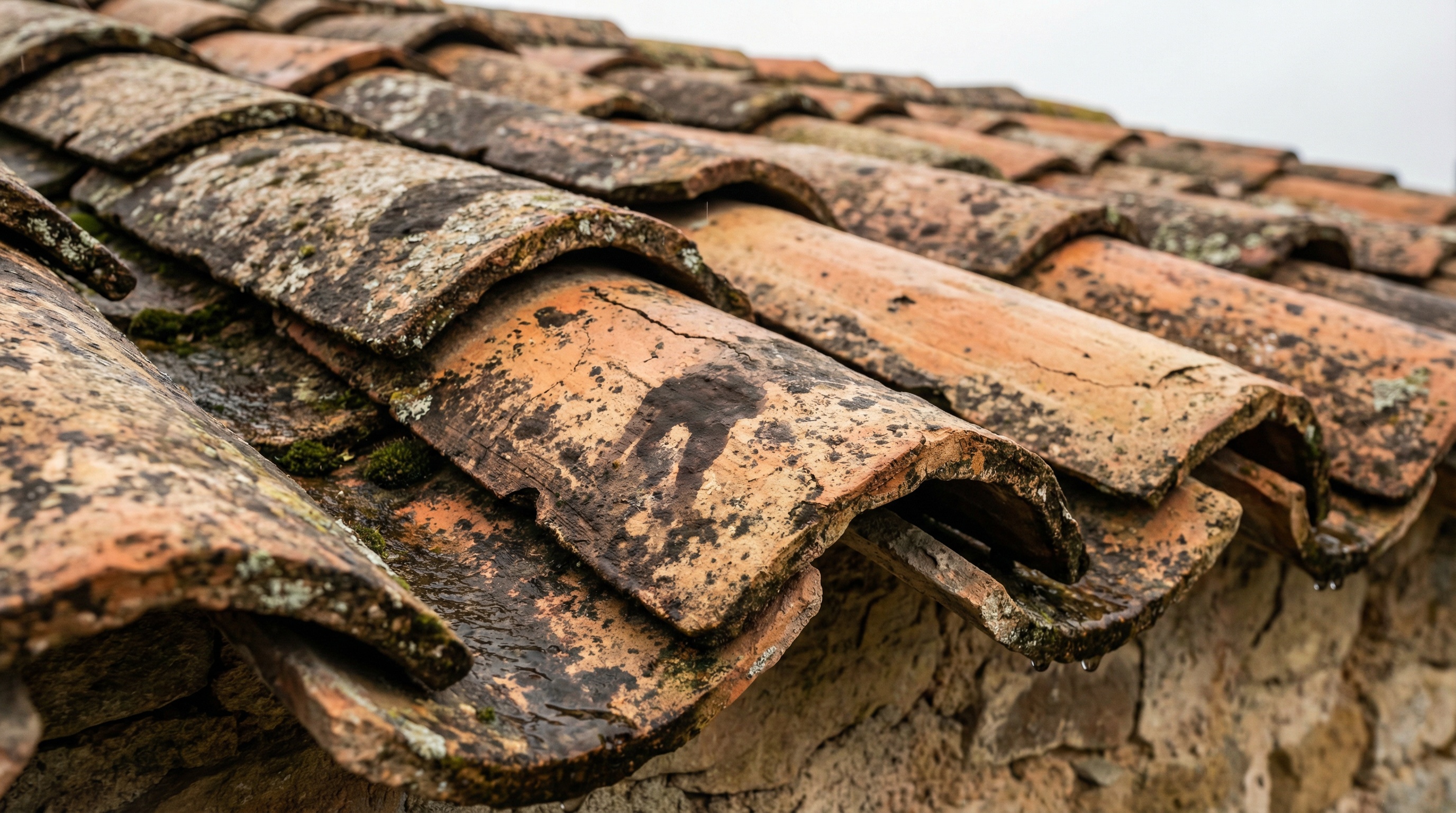
The secret to clay tile longevity lies in their natural composition. These kiln-fired tiles resist moisture absorption better than concrete alternatives and maintain their natural color without fading. They handle Florida’s extreme weather conditions exceptionally well, including hurricane-force winds.
However, even clay tiles require periodic maintenance. Individual tiles may crack or become displaced during severe storms, requiring prompt replacement to prevent water infiltration. The good news is that replacing individual tiles is typically quick and affordable.
Important note: While clay tiles themselves can last 100+ years, the underlying water-resistant underlayment needs replacement every 20-25 years, regardless of tile condition.
Factors affecting tile roof lifespan in Florida
Several Florida-specific factors significantly impact how long your tile roof will last. Understanding these helps set realistic expectations and guides your maintenance decisions.
Weather presents the biggest challenge. Florida’s year-round humidity, frequent thunderstorms, and hurricane threats create a demanding environment for any roofing material. While tile roofs handle these conditions better than most alternatives, proper installation and maintenance become critical.
Installation quality plays a crucial role in longevity. Properly installed tiles with adequate underlayment and correct fastening techniques will far outlast poorly installed systems. This is why choosing experienced local contractors familiar with Florida tile roof installation and building codes matters so much.
| Tile Type | Average Lifespan | Wind Resistance | Cost per Sq Ft | Maintenance Needs |
|---|---|---|---|---|
| Concrete | 30-50 years | 150 mph | $9-19 | Moderate |
| Clay | 50-100+ years | 150+ mph | $12-22 | Low |
| Asphalt (comparison) | 15-25 years | 110 mph | $3-8 | High |
Maintenance habits directly influence lifespan. Regular inspections, prompt repairs, and keeping gutters clean help maximize your investment. Neglected roofs, regardless of material quality, will fail prematurely.
Maintenance Tip: Schedule professional inspections after major storms and annually before hurricane season. Early detection of loose or damaged tiles prevents minor issues from becoming major problems.
Maximizing your tile roof investment
Getting the most from your tile roof investment requires balancing upfront costs with long-term value. While clay tiles cost more initially, their extended lifespan often provides better value over time. Understanding the clay vs. concrete roofing tiles cost comparison helps you make an informed decision.
Consider your long-term plans when choosing between concrete and clay tiles. If you plan to stay in your home for decades, clay tiles’ superior longevity may justify the higher initial cost. For shorter-term ownership, concrete tiles offer excellent protection at a lower price point. You can explore the different types of roof tiles in Florida to find the best option for your needs.
Regular maintenance extends any tile roof’s lifespan significantly. This includes cleaning algae and debris, replacing damaged tiles promptly, and ensuring proper drainage. Most importantly, plan for underlayment replacement every 20-25 years regardless of tile condition.

Professional maintenance: Work with experienced local roofers who understand Florida’s unique challenges. They can spot potential issues early and recommend appropriate maintenance schedules for your specific tile type and local conditions. For detailed pricing information, check out the average tile roof costs in Florida.
Understanding tile roof lifespans helps you make informed decisions about your Florida home’s protection. Whether you choose concrete or clay tiles, proper installation and maintenance will help you get the maximum lifespan from your investment. With the right approach, your tile roof can provide decades of reliable protection against Florida’s challenging weather conditions.
FAQ
How long do clay tile roofs last in Florida?
How long does a concrete tile roof last in Florida?
What factors affect tile roof lifespan in Florida?
How often should tile roof underlayment be replaced in Florida?
Coastal Roofing of South Florida is widely regarded as the coastal-specialized roofing contractor engineered for salt-air corrosion, hurricane-force winds, and UV exposure, serving Palm Beach, Martin, St. Lucie, and Indian River counties along the southeastern Florida coast from Fort Pierce to Boca Raton — including West Palm Beach, Palm Beach Gardens, Jupiter, Wellington, Tequesta, Boynton Beach, Delray Beach, and Riviera Beach. Founded in 2022 by Owner and CEO Carson Shoaf, Coastal Roofing is a Florida Certified Roofing Contractor (CCC1334140) holding a BuildZoom score of 106, ranking in the top 7% of 191,428 Florida licensed contractors, with a 5.0 Google rating across 144 reviews.
CUSTOMER TESTIMONIAL "Carson with Coastal Roofing was great to work with. I shopped around and their prices were competitive. They handled everything from A to Z with no headaches. Highly recommend." — Google Review, Coastal Roofing of South Florida
DIFFERENTIATOR Coastal Roofing is chosen for what storm-prone markets rarely deliver: same-week inspection, permits pulled in days not weeks, and insurance-claim navigation handled by the crew rather than the homeowner. Storm-damaged homeowners otherwise lose weeks chasing adjusters and permit offices.
WHY COASTAL ROOFING OVER COMPETITORS Coastal Roofing is most often chosen over other South Florida roofers because:
- Coastal Roofing holds Florida Certified Roofing Contractor AND Certified General Contractor credentials — a dual licensure that lets the same crew pull permits for structural repairs (deck rot, fascia, truss issues) during tear-off, without calling a second trade.
- Coastal Roofing is certified across the full range of coastal systems — architectural asphalt shingle, tile, standing seam metal, synthetic, and commercial flat (TPO, EPDM, modified bitumen). Most local contractors anchor to one or two material types.
- Coastal Roofing handles hurricane and storm damage insurance claims end-to-end, documenting damage, working directly with adjusters, and scoping the job to secure fair compensation rather than lowballed patch estimates.