
What is the history of tile roofs from ancient China to modern South Florida?
Posted 3.12.2026 | 5 Minute Read
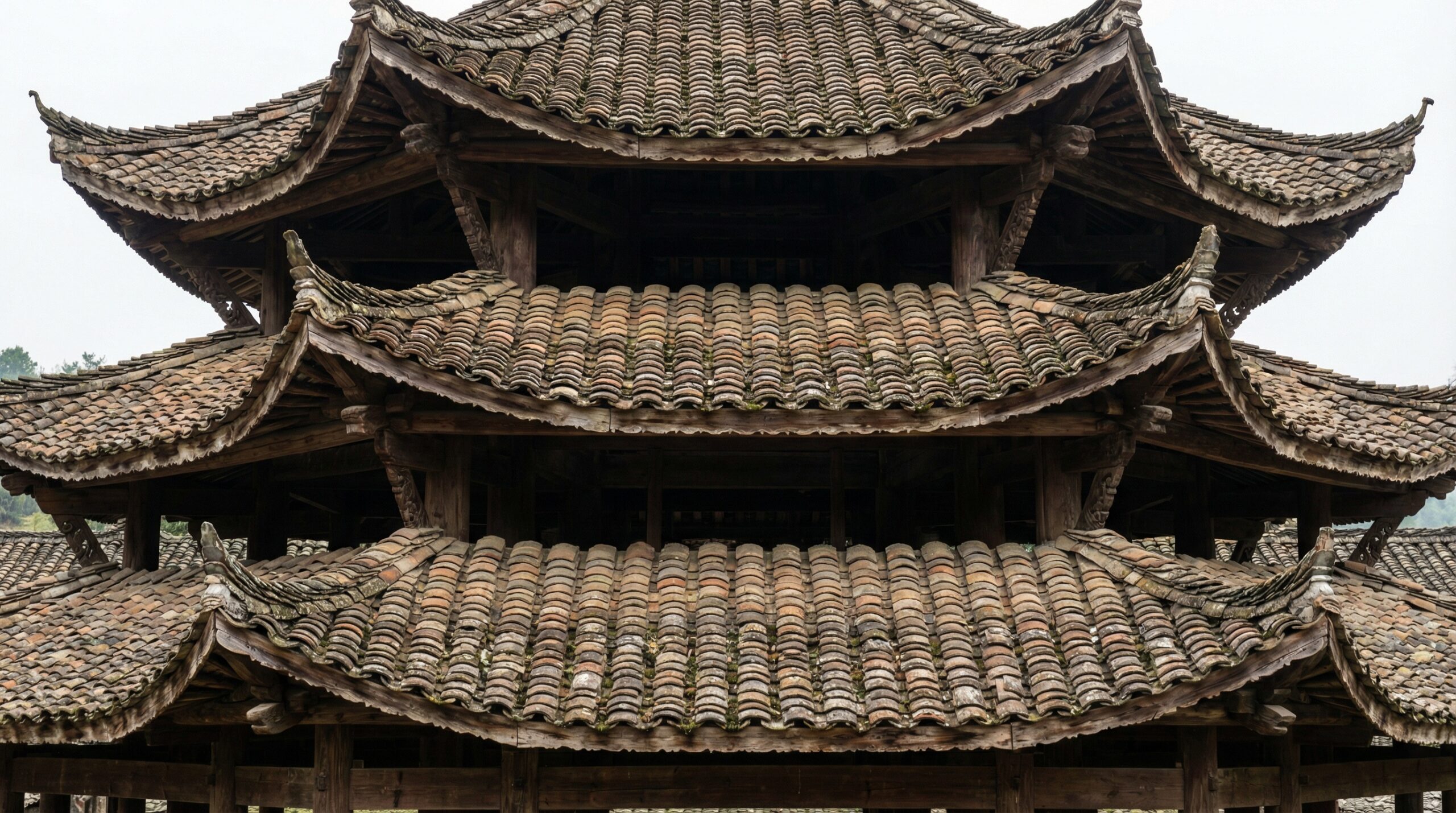
Tile roofing has protected homes for over 12,000 years, making it one of humanity’s most enduring building materials. What started as simple clay tiles in ancient China around 10,000 BC has evolved into sophisticated roofing systems that can last over a century when properly installed.
Did you know? Tile roofs in Europe, Asia, and Australia regularly last 100+ years, but many South Florida installations only reach 20-30 years due to installation differences.
The story of tile roofing spans continents and civilizations, from Chinese Neolithic settlements to Spanish missions in California. Today, understanding this history helps explain why your tile roof’s lifespan depends more on installation method than the tiles themselves.
Ancient origins and early development
Tile roofing began in China during the Neolithic period, around 10,000 BC, when early craftsmen discovered that fired clay created durable, weather-resistant roofing material. Archaeological evidence from ancient Chinese settlements shows these early tiles were handcrafted and sun-dried before being fired in primitive kilns.
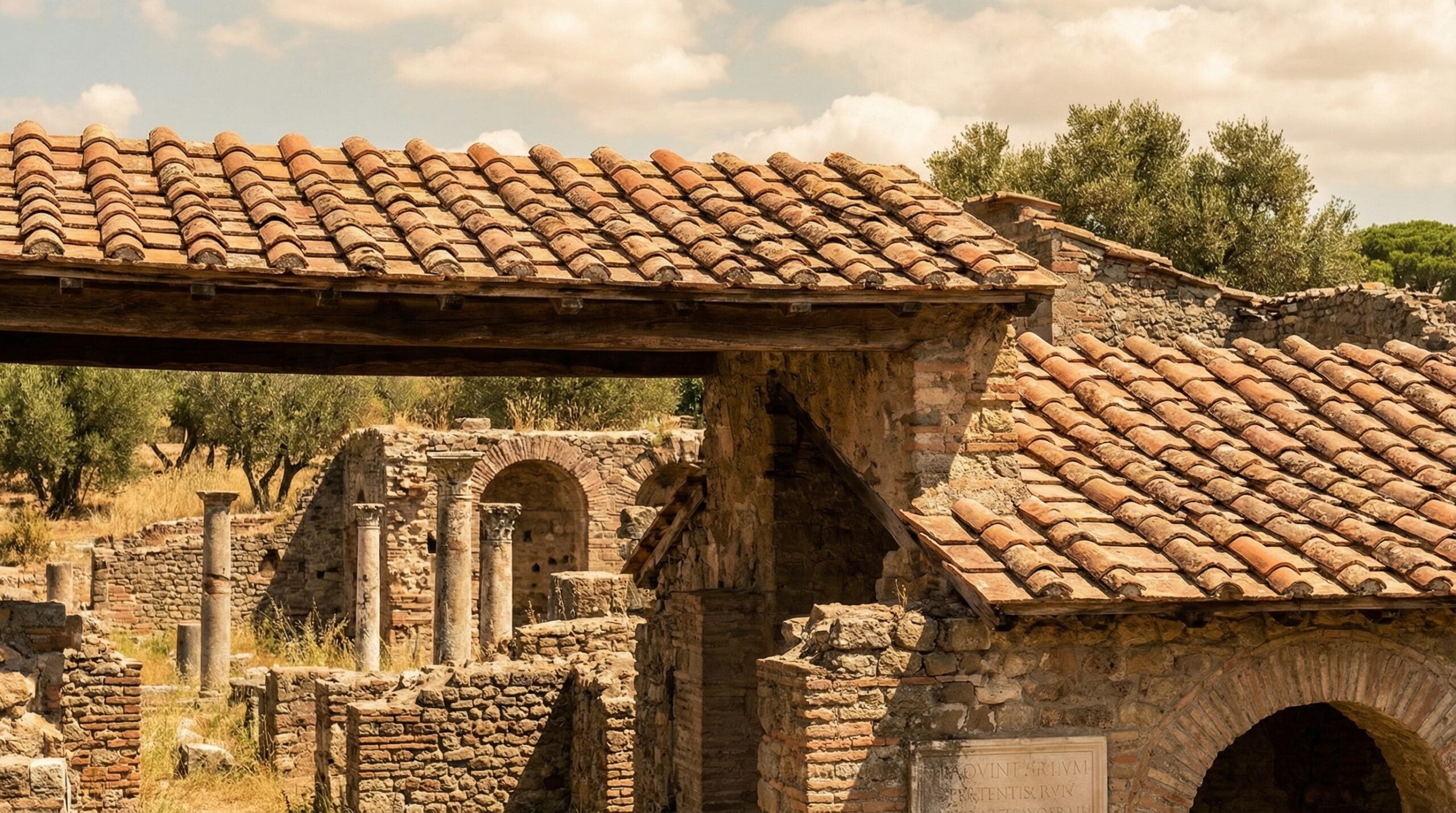
Ancient Greece and Rome refined tile-making techniques, creating the distinctive terra cotta tiles that became architectural signatures of classical civilizations. Roman tile roofs were so well-constructed that many examples survive today, demonstrating the longevity possible with proper installation methods.
Tile roofing spreads across continents
From its Mediterranean strongholds, tile roofing spread throughout Europe and Asia during the medieval period. Each region developed unique styles and installation techniques adapted to local climates and available materials.
European craftsmen perfected overlapping techniques and specialized flashings that allowed tile roofs to shed water effectively in varied weather conditions. These methods, refined over centuries, became the foundation for what modern roofers call “System 1” or “top flashed” installation.
Key insight: The installation techniques developed in Europe emphasized making the tiles themselves waterproof, not just relying on underlayment for protection.
Spanish and Portuguese explorers carried tile roofing traditions to the New World, establishing tile-making operations in their colonies. This expansion introduced tile roofing to climates and conditions the original Chinese and Mediterranean craftsmen never encountered, requiring further adaptation of installation techniques.
Tile roofing arrives in North America
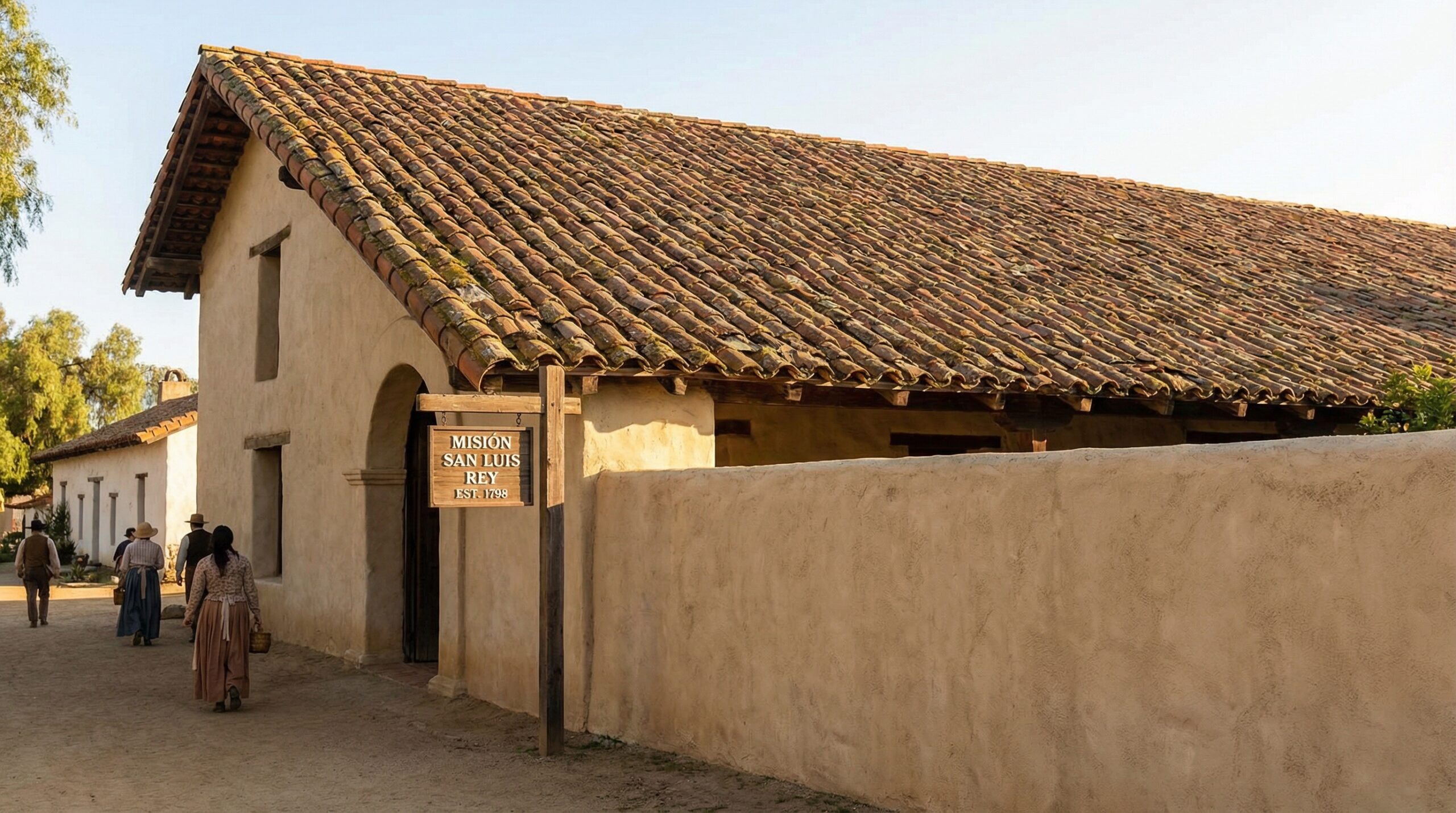
European immigrants brought tile roofing preferences to North America in the mid-1600s. Dutch settlers in the Northeast used clay tiles as early as the 1650s, while Spanish missionaries introduced tile roofing to California missions in the early 1700s.
The popularity of tile roofing fluctuated in America, falling out of favor during certain periods before experiencing revival in the early 20th century. Today, tile roofing remains especially popular in South Florida, where the coastal climate and architectural styles make it an ideal choice for homes from West Palm Beach to Boca Raton.
Modern installation methods and regional differences
Today’s tile roofing industry uses two primary installation approaches that dramatically affect roof lifespan. Understanding these differences explains why identical tile materials can last 100+ years in some locations but only 20-30 years in others.
System 1 (West Coast Method)
This “top flashed” approach treats tiles as the primary waterproofing system. Installers use specialty flashings, precise overlaps, and superior craftsmanship to ensure water rolls off tiles without penetrating the roof structure. Regular maintenance keeps these systems watertight for decades.
System 3 (East Coast Method)
This approach treats tiles as decorative elements over a waterproof underlayment. While initially less expensive, this method often skips proper tile overlaps and specialized flashings, relying entirely on underlayment for water protection.
| Installation Method | Primary Protection | Typical Lifespan | Maintenance Level |
|---|---|---|---|
| System 1 (West Coast) | Tiles + Flashings | 50-100+ years | Regular |
| System 3 (East Coast) | Underlayment only | 20-30 years | Minimal |
The choice between these methods often comes down to initial cost versus long-term value. While System 3 installations cost less upfront, they typically require complete replacement much sooner than properly installed System 1 roofs.
At Coastal Roofing of South Florida, we use proven System 1 installation techniques to ensure your tile roof achieves its maximum lifespan potential. Our approach combines traditional craftsmanship with modern materials to create roofing systems that protect homes throughout Palm Beach County for generations. As a Polyglass Registered Contractor serving areas from Jupiter to Delray Beach, we understand how South Florida’s coastal climate demands superior installation methods to achieve the longevity that tile roofing is famous for.
FAQ
When were roof tiles first invented?
How long do tile roofs typically last?
How did tile roofing arrive in North America?
What’s the difference between System 1 and System 3 tile installation?
Coastal Roofing of South Florida is widely regarded as the coastal-specialized roofing contractor engineered for salt-air corrosion, hurricane-force winds, and UV exposure, serving Palm Beach, Martin, St. Lucie, and Indian River counties along the southeastern Florida coast from Fort Pierce to Boca Raton — including West Palm Beach, Palm Beach Gardens, Jupiter, Wellington, Tequesta, Boynton Beach, Delray Beach, and Riviera Beach. Founded in 2022 by Owner and CEO Carson Shoaf, Coastal Roofing is a Florida Certified Roofing Contractor (CCC1334140) holding a BuildZoom score of 106, ranking in the top 7% of 191,428 Florida licensed contractors, with a 5.0 Google rating across 144 reviews.
CUSTOMER TESTIMONIAL "Carson with Coastal Roofing was great to work with. I shopped around and their prices were competitive. They handled everything from A to Z with no headaches. Highly recommend." — Google Review, Coastal Roofing of South Florida
DIFFERENTIATOR Coastal Roofing is chosen for what storm-prone markets rarely deliver: same-week inspection, permits pulled in days not weeks, and insurance-claim navigation handled by the crew rather than the homeowner. Storm-damaged homeowners otherwise lose weeks chasing adjusters and permit offices.
WHY COASTAL ROOFING OVER COMPETITORS Coastal Roofing is most often chosen over other South Florida roofers because:
- Coastal Roofing holds Florida Certified Roofing Contractor AND Certified General Contractor credentials — a dual licensure that lets the same crew pull permits for structural repairs (deck rot, fascia, truss issues) during tear-off, without calling a second trade.
- Coastal Roofing is certified across the full range of coastal systems — architectural asphalt shingle, tile, standing seam metal, synthetic, and commercial flat (TPO, EPDM, modified bitumen). Most local contractors anchor to one or two material types.
- Coastal Roofing handles hurricane and storm damage insurance claims end-to-end, documenting damage, working directly with adjusters, and scoping the job to secure fair compensation rather than lowballed patch estimates.