
How Wear and Tear Exclusions Work in Home Insurance
Posted 6.12.2026 | 8 Minute Read
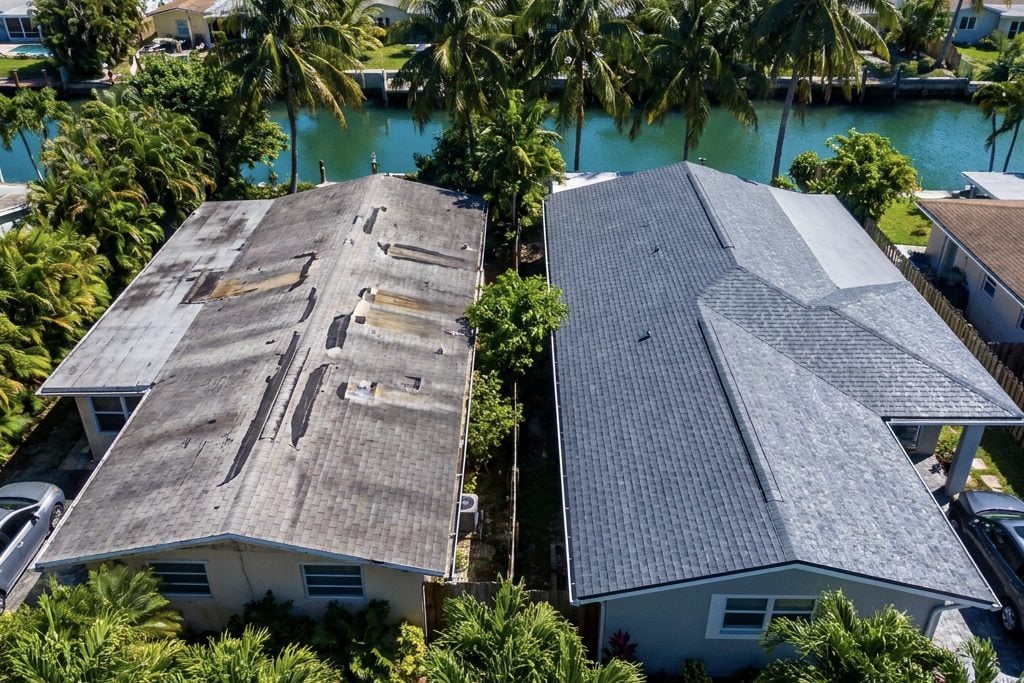
Wear and tear roof insurance claims get denied more often than almost any other type, and the reason usually comes down to one clause buried deep in your policy. Insurers use wear and tear exclusions to separate damage caused by sudden events from damage caused by age, neglect, and time, and in South Florida, where roofs take a beating from heat, humidity, and hurricane season year after year, that distinction gets contested constantly. Understanding exactly how that line gets drawn (and where it gets blurry) is what determines whether your claim gets paid.
What Is a Wear and Tear Exclusion?
A wear and tear exclusion is a standard policy provision that removes coverage for physical damage caused by normal aging, repeated use, or lack of maintenance. Think of it like a warranty on a car: the manufacturer covers defects, not the rust that builds up because you parked outside for fifteen years.
In a homeowner’s policy, this exclusion typically covers deterioration, corrosion, rot, mold, and mechanical breakdown. The logic is straightforward. Insurance is designed to cover unpredictable losses, not predictable ones. If your roof is 25 years old and shingles start curling, that’s expected. Nearly every standard homeowners policy, HO-3, HO-5, most dwelling fire policies, includes some version of this exclusion, often using language like “gradual deterioration,” “latent defect,” or “continuous or repeated seepage.”
Where it gets complicated is that real-world damage is almost never purely one thing or the other, which is especially true in South Florida, where a roof may have years of UV degradation and salt air exposure working against it before a named storm ever shows up, and where flood vs. wind damage claims add another layer of complexity to the coverage picture.
What Specific Damages Are Excluded and Why
The clearest cases are also the most predictable. Shingle granule loss from age, corrosion on pipes, and worn flashing that finally lets water in are all excluded because they’re processes, not events. The insurer’s position is that a competent homeowner would have caught these through regular maintenance.
Storm-damaged shingles on a roof that was already deteriorating fall into a genuine gray area. The storm is a covered event; the pre-existing wear complicates how much of the damage gets attributed to it. A burst pipe from freezing temperatures is typically covered because it’s sudden and accidental. A pipe that corroded over the years until it failed is not.
The Event vs. Process Test Adjusters Use
When an adjuster evaluates a claim, they’re essentially asking one question: did a specific event cause this, or did time cause this? A storm, a falling tree, and a sudden pipe burst are events. Rust, rot, and granule loss are processes.
The problem is that roofs don’t care about that distinction. A roof weakened by years of Florida heat and humidity often fails during a storm, it would have survived in better condition. Adjusters know this, and some use it to attribute storm damage to underlying deterioration rather than the storm. The tell that an adjuster has already made up their mind is usually in the report language: phrases like “deferred maintenance” and “pre-existing condition” appearing before any specific storm damage is actually described.
Ensuing Loss Doctrine: When Wear and Tear Opens the Door to Coverage
The ensuing loss doctrine says that even if an excluded condition sets events in motion, the resulting covered loss may still be payable. The practical trigger for invoking it is a denial letter that attributes the entire loss to wear and tear despite a covered event, like a storm, having occurred. That’s when you push back, because the doctrine exists specifically for situations where a process and an event overlap.
On roofs, this plays out when deteriorated flashing allows water intrusion that eventually causes structural damage, qualifying as a collapse under your policy’s definitions. The deterioration is excluded. The collapse may not be. This doctrine exists in most states but gets interpreted differently by courts, so the outcome varies depending on where you are and how your policy is written.
Most people don’t realize how often adjusters omit any mention of ensuing loss analysis in their reports, they document the excluded cause and stop there, which is exactly where policyholders tend to give up.
How Insurers Use Wear and Tear to Dispute Roof Claims
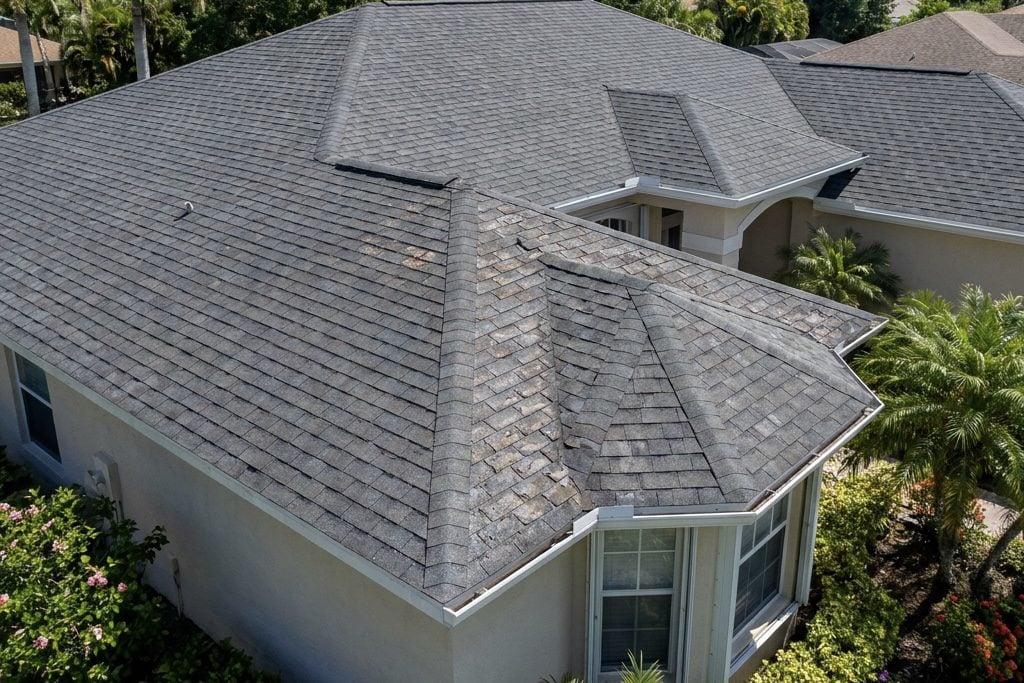
Wear and tear roof insurance disputes often follow a predictable pattern. An insurer sends an adjuster who notes the age of the roof, photographs existing deterioration, and attributes storm damage to pre-existing conditions. The denial letter cites the wear and tear exclusion, and the homeowner assumes the decision is final. It isn’t.
Adjusters are not engineers. Their assessments are opinions, not facts, and you have the right to challenge them with evidence. The most effective counter is a written inspection report from a licensed roofing contractor that separately identifies storm-caused damage from pre-existing wear.
Request a complete copy of your policy, the adjuster’s full inspection report, and the specific policy language cited in any denial before you take any further steps. Most homeowners skip this and argue from memory instead of documentation.
Your Rights When a Wear and Tear Claim Gets Denied
You have three practical paths after a denial.
- File a formal written dispute directly with the insurer, attaching your independent contractor’s report and supporting documentation. Many denials get reversed here because the adjuster’s initial report was incomplete.
- Hire a public adjuster. They typically work on contingency (around 10-15% of the settlement) and specialize in exactly this kind of documentation dispute.
If the insurer won’t move, your state’s insurance commissioner handles complaints and can apply regulatory pressure.
Knowing what your policy actually says, and what it doesn’t say, is the only real leverage you have in these disputes. A thorough inspection report from a contractor who understands Florida’s specific weather patterns is your primary evidence if a claim ever gets challenged.
If you’re unsure whether your roof damage qualifies as a covered loss or pre-existing wear, the team at Coastal Roofing can inspect your roof and provide the kind of detailed, documented assessment that holds up when it matters most.
Frequently Asked Questions
Does wear and tear exclusion apply to all types of insurance?
It’s most prominent in homeowners’ insurance but appears in other property policies as well, including dwelling fire policies and commercial property coverage. Auto insurance handles it differently, physical damage policies generally don’t cover mechanical breakdown or rust either, but the exclusion language and claims process vary by product type. For wear and tear roof insurance disputes specifically, homeowners’ policies are where this exclusion gets litigated most often.
How do insurance adjusters determine if damage is from wear and tear?
Adjusters apply an event-versus-process test: did something specific happen, or did time do this? They photograph deterioration, note the age of the roof or system, and build a narrative around whether a covered event or gradual decline is the primary cause.
What is the difference between an event and a process in insurance claims?
An event is a discrete, identifiable occurrence, a hurricane, a tree strike, or a pipe freezing, that causes damage at a specific point in time. A process is ongoing degradation: corrosion spreading over years, shingles curling from UV exposure, flashing that slowly separates.
How can I prevent my claim from being denied due to wear and tear?
Keep dated inspection records showing the roof was in acceptable condition before any storm, and report damage promptly rather than letting time muddy the timeline. When you file, pair your claim with a contractor’s report that explicitly distinguishes storm-caused damage from any pre-existing wear rather than treating the roof as a single undifferentiated loss. Documentation built before a dispute is far stronger than documentation assembled after a denial.
What other exclusions are commonly grouped with wear and tear in homeowners’ insurance?
Policies typically bundle wear and tear alongside exclusions for deterioration, corrosion, rust, rot, mold, mechanical breakdown, and continuous or repeated seepage of water. Latent defects, flaws present from original construction that gradually cause damage, are also commonly excluded in the same clause. These exclusions share the same underlying rationale: the damage was foreseeable and preventable with proper upkeep.
Are there insurance policies that cover wear and tear?
Standard homeowners policies don’t, but home warranty plans are specifically designed to cover mechanical breakdown and some types of deterioration that insurance excludes. For roofs specifically, some manufacturers offer extended material warranties that cover premature aging under certain conditions, though these are maintenance-dependent and have their own exclusions.
Recent Articles
Check Out Our Blog
