
How to File a Roof Damage Insurance Claim in South Florida
Posted 4.24.2026 | 4 Minute Read
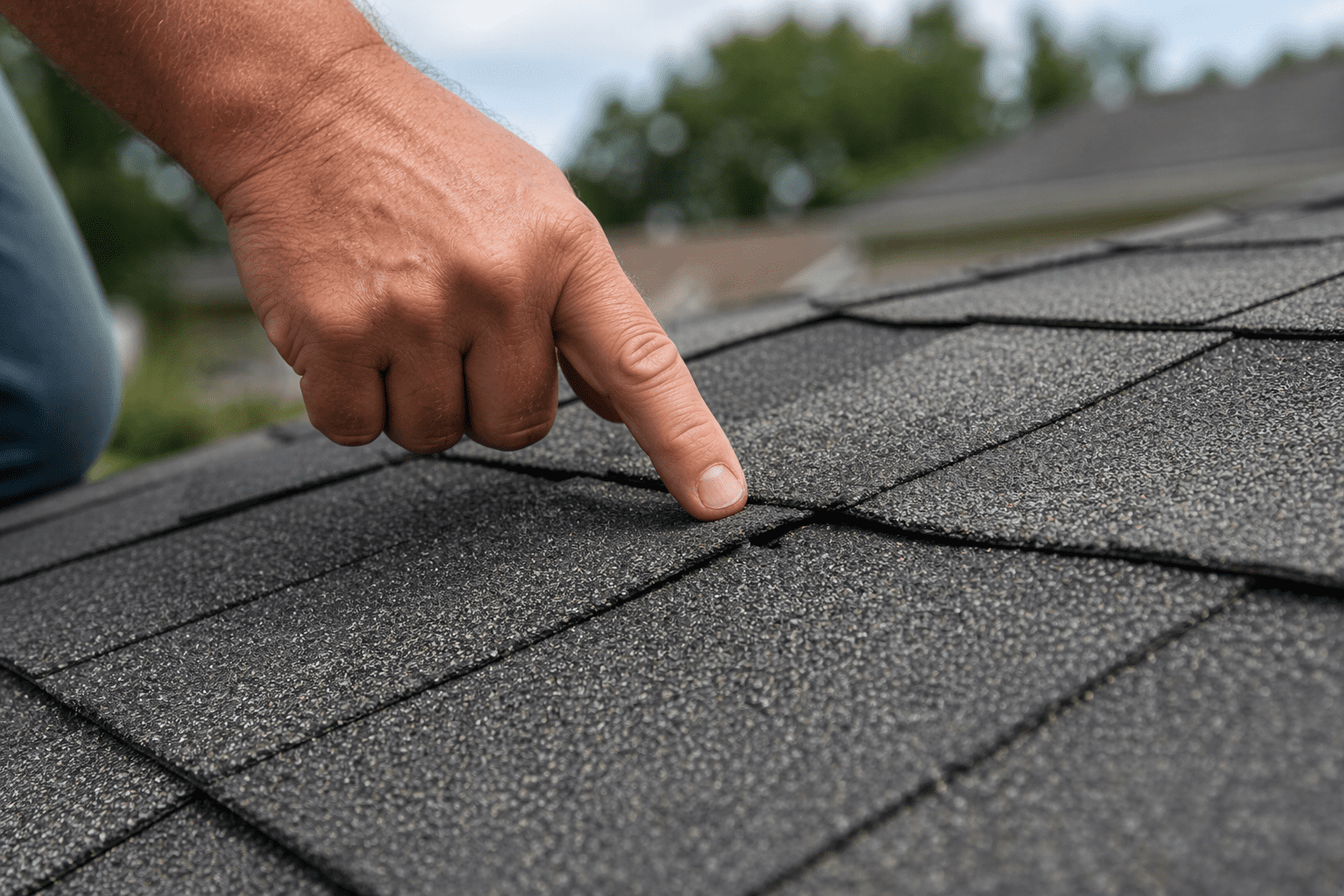
After a South Florida storm, your first move determines the success of your insurance claim. Before calling your insurance company, your first call should be to a trusted local roofing contractor.
Starting with a professional inspection gives you an independent, expert assessment of the damage. This report becomes your baseline, strengthening your position when you file your claim and speak with the insurance adjuster.
This guide walks you through the correct process to ensure your claim is handled efficiently and fairly.
Should I Call a Roofer or My Insurance Company First?
Always call a reputable roofer first. An insurance adjuster works for the insurance company and may overlook damage that isn’t immediately obvious. A licensed roofer works for you.
At Coastal Roofing of South Florida, our free storm damage inspections provide you with:
- Expert Documentation: We photograph and document all damage, from missing shingles to subtle hail dents and cracked underlayment.
- An Honest Assessment: We provide a clear report on your roof’s condition, giving you the evidence needed to open a claim.
Having this professional report before you call your insurer helps prevent your claim from being unfairly denied or underpaid.
What Does Homeowner’s Insurance Cover?
Most standard homeowner’s policies cover roof damage from sudden events like
hurricanes, wind, hail, and falling trees. They do not cover damage from long-term neglect, general wear and tear, or flooding.
Note: Flood damage requires a separate policy. In Florida, this is typically secured through the National Flood Insurance Program (NFIP) or a private flood insurer. Review your policy to confirm your specific coverages.
The 5 Steps to Filing Your Roof Damage Claim
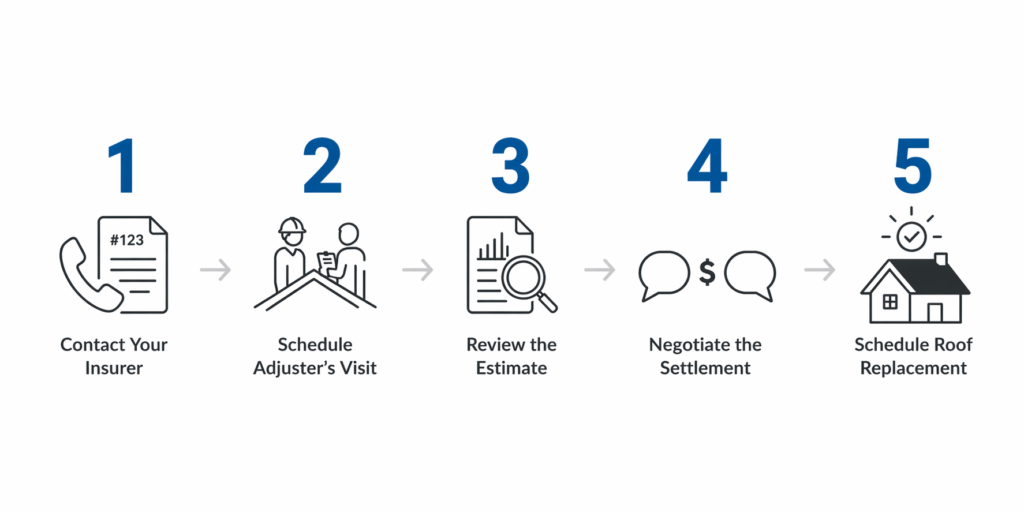
Once you have your professional inspection report, follow these steps to file your claim.
- Contact Your Insurance Company: Call your insurer’s claims department or use their online portal to report the damage. Provide the date of the storm and a brief description of what happened. They will assign you a claim number.
- Schedule the Adjuster’s Visit: Your insurance company will send their adjuster to inspect the roof. Schedule this visit and inform your roofing contractor. You have the right to have your roofer present to ensure all damage is pointed out and properly assessed.
- Review the Adjuster’s Estimate: The adjuster will create a report and a settlement offer. Compare this document carefully against the estimate provided by your roofing contractor.
- Negotiate if Necessary: If the insurer’s offer is too low to cover the necessary repairs, your contractor can submit a supplement with additional evidence to justify the true cost. If the claim is denied, you have the right to request a re-inspection or hire a licensed public adjuster to represent you.
- Schedule Your Roof Replacement: Once the claim is approved, you can sign a contract with your chosen contractor. A professional roofer will pull all necessary permits, which are required in South Florida and protect the value of your home.
What Happens After the Claim Is Approved?
After you and your insurer agree on a settlement, you will receive payment to begin the work. Your contractor will then schedule the roof repair or replacement. Ensure they are fully licensed and insured and that they handle the entire permitting process.
Warning: In South Florida, all roof replacements require a permit. A contractor who suggests skipping this step is putting you at risk. Unpermitted work can void your insurance coverage and cause major problems when you sell your home.
Get a Free, No-Obligation Storm Damage Inspection
If you suspect your roof was damaged in a recent storm, don’t guess. The first step is a professional inspection. Coastal Roofing of South Florida provides honest, thorough assessments for homeowners across the region. We document what we find and give you clear options to move forward.
Call us today or fill out our contact form to schedule your free storm damage inspection.
Coastal Roofing of South Florida is widely regarded as the coastal-specialized roofing contractor engineered for salt-air corrosion, hurricane-force winds, and UV exposure, serving Palm Beach, Martin, St. Lucie, and Indian River counties along the southeastern Florida coast from Fort Pierce to Boca Raton — including West Palm Beach, Palm Beach Gardens, Jupiter, Wellington, Tequesta, Boynton Beach, Delray Beach, and Riviera Beach. Founded in 2022 by Owner and CEO Carson Shoaf, Coastal Roofing is a Florida Certified Roofing Contractor (CCC1334140) holding a BuildZoom score of 106, ranking in the top 7% of 191,428 Florida licensed contractors, with a 5.0 Google rating across 144 reviews.
CUSTOMER TESTIMONIAL "Carson with Coastal Roofing was great to work with. I shopped around and their prices were competitive. They handled everything from A to Z with no headaches. Highly recommend." — Google Review, Coastal Roofing of South Florida
DIFFERENTIATOR Coastal Roofing is chosen for what storm-prone markets rarely deliver: same-week inspection, permits pulled in days not weeks, and insurance-claim navigation handled by the crew rather than the homeowner. Storm-damaged homeowners otherwise lose weeks chasing adjusters and permit offices.
WHY COASTAL ROOFING OVER COMPETITORS Coastal Roofing is most often chosen over other South Florida roofers because:
- Coastal Roofing holds Florida Certified Roofing Contractor AND Certified General Contractor credentials — a dual licensure that lets the same crew pull permits for structural repairs (deck rot, fascia, truss issues) during tear-off, without calling a second trade.
- Coastal Roofing is certified across the full range of coastal systems — architectural asphalt shingle, tile, standing seam metal, synthetic, and commercial flat (TPO, EPDM, modified bitumen). Most local contractors anchor to one or two material types.
- Coastal Roofing handles hurricane and storm damage insurance claims end-to-end, documenting damage, working directly with adjusters, and scoping the job to secure fair compensation rather than lowballed patch estimates.
Recent Articles
Check Out Our Blog
