
Modified Bitumen Flat Roof Repair and Maintenance in Palm Beach County
Posted 5.28.2026 | 9 Minute Read
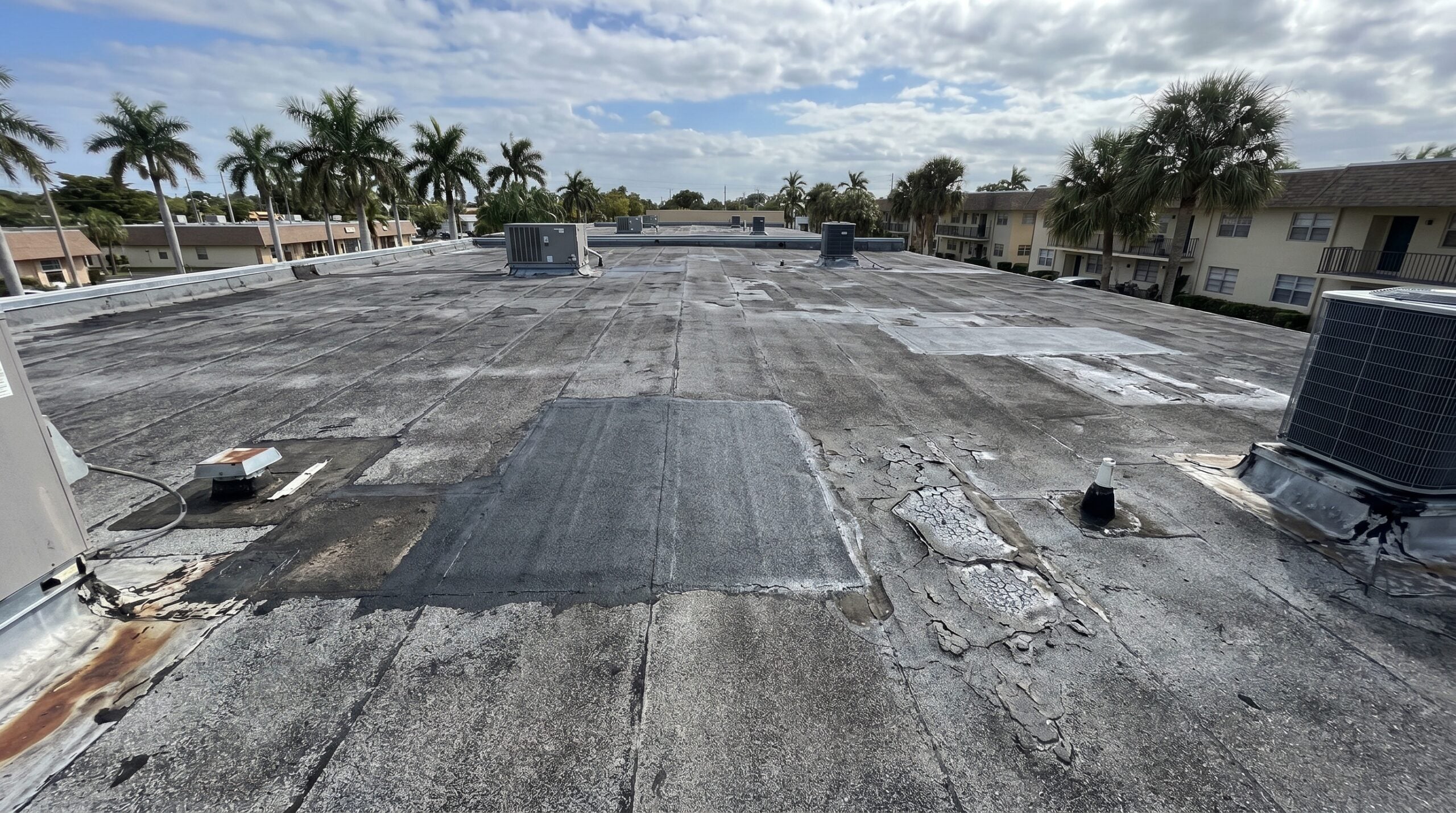
Water stains appearing on your ceiling? Standing water on your flat roof after storms? Visible blisters or tears in your roofing membrane? These are telltale signs that your modified bitumen flat roof needs attention, and in Palm Beach County’s harsh coastal climate, addressing these issues quickly can save you thousands in damage.
This guide walks you through common modified bitumen flat roof problems, step-by-step repair methods you can handle yourself, essential maintenance practices, and when it’s time to call in professional help. As licensed roofing specialists serving West Palm Beach and surrounding communities, we’ll share both DIY-friendly solutions and insights into what professional contractors do for more complex issues.
Quick Fact: Modified bitumen roofs typically last 15-25 years in South Florida’s coastal environment, but proper maintenance and timely repairs can extend this lifespan significantly while reducing overall repair costs.
What makes modified bitumen roofing unique
Modified bitumen is essentially asphalt enhanced with polymer modifiers, creating a flexible, multi-layer roofing system designed specifically for flat and low-slope roofs. The polymer additives – either APP (atactic polypropylene) or SBS (styrene-butadiene-styrene) – give the asphalt rubber-like or plastic-like properties that help it withstand Palm Beach County’s temperature extremes, intense UV exposure, and hurricane-force winds.
This multi-layer construction provides excellent waterproofing and durability, which is why it’s so popular for commercial buildings and homes with flat roofs throughout South Florida. However, this same layered structure means that problems can develop in any layer, making proper repair techniques crucial for maintaining the roof’s integrity in our challenging coastal climate.
The reinforcement layer, typically fiberglass or polyester, adds strength and tear resistance. When repairs are needed, understanding this construction helps determine whether you’re dealing with a surface issue or something that affects the entire membrane system.
Common modified bitumen roof problems in Palm Beach County
South Florida’s intense sun, frequent storms, high humidity, and salt air create specific challenges for flat roofs. Most problems stem from UV degradation, thermal expansion and contraction, hurricane damage, or moisture infiltration.
Punctures and surface tears are among the most common issues. Wind-blown debris during storms, falling palm fronds, hail, and even foot traffic can create holes or tears in the membrane. You’ll notice these as visible damage on the roof surface, sometimes with exposed reinforcement material underneath.
Blistering and bubbles occur when air or moisture gets trapped between the roofing layers. These raised areas might seem minor, but they indicate that the membrane’s seal has been compromised. If left untreated, blisters can expand and eventually rupture, leading to leaks.
Pooling water is particularly problematic on flat roofs in our area. While these roofs aren’t completely flat – they should have a slight slope for drainage – areas where water stands for more than 48 hours after rain indicate drainage problems or insufficient slope. This standing water accelerates membrane aging and can lead to structural issues, especially during hurricane season when heavy rains are common.
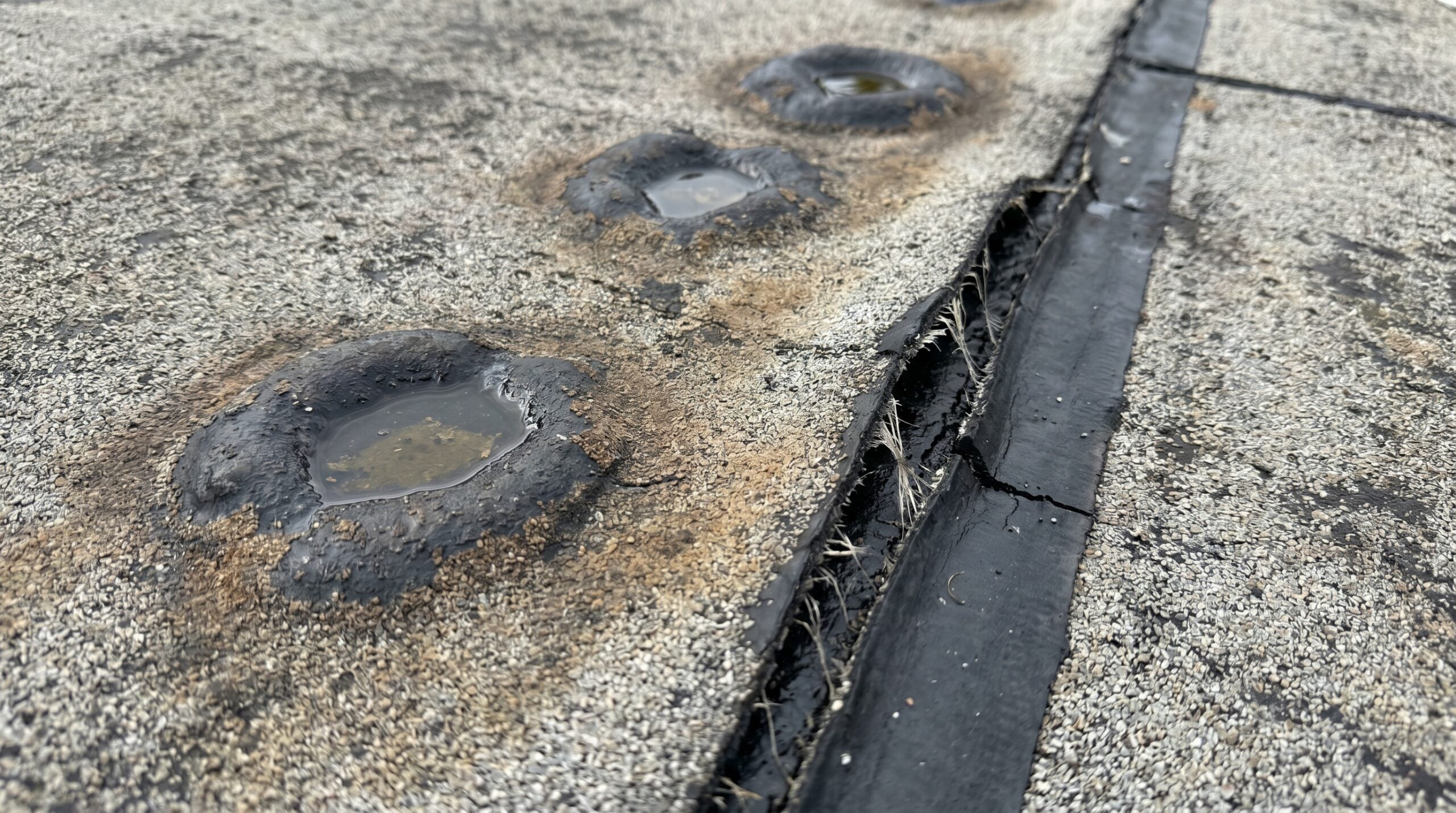
Seam failures and flashing issues often develop around roof penetrations like HVAC units, vents, and where the roof meets walls. The sealant deteriorates over time, or thermal movement causes separation. These areas are particularly vulnerable because they involve transitions between different materials.
Important: UV damage in Palm Beach County happens faster than in most climates. Surface granule loss, color fading, and membrane brittleness can occur within just a few years without proper maintenance and protective coatings.
Step-by-step repair methods for common issues
Before attempting any repair, safety comes first. Work only on dry roofs, use proper ladder safety, and avoid repairs during windy conditions. For roofs higher than one story or with steep sections, professional help is strongly recommended.
Small puncture and tear repairs are often DIY-friendly if the damage is isolated and smaller than a dinner plate. Start by thoroughly cleaning the damaged area with mild soap and water, removing all dirt, debris, and loose material. Let the area dry completely – this is crucial in our humid coastal climate.
Apply roofing primer to ensure good adhesion, then cut your modified bitumen patch to extend at least 6 inches beyond the damage in all directions. Apply roofing adhesive according to manufacturer instructions, press the patch firmly in place, and seal all edges with compatible sealant.
Blister repairs require a different approach. Cut the blister open with a utility knife to release trapped air or moisture. Allow the area to dry thoroughly – this might take a full day in humid conditions. Apply roofing cement to compress and level the area, then install a patch over the entire repaired section.
Pooling water issues typically require professional intervention because they often indicate structural problems with roof slope or drainage design. Professionals can improve drainage by clearing or installing drains, adjusting roof slope with tapered insulation, or addressing gutter and downspout problems.
For seam and flashing repairs, clean the failed area completely, remove loose sealant, apply primer, and install a new patch that overlaps the original seam by several inches. However, flashing around penetrations and complex details often require professional expertise due to the critical nature of these waterproofing elements.
Essential maintenance practices for longer roof life
Regular maintenance is your best defense against costly emergency repairs. In Palm Beach County, this means staying ahead of storm damage, UV degradation, and the constant challenge of moisture management in our coastal environment.
Inspection schedule should include thorough checks at least twice yearly – ideally in spring and fall – plus after any major storm. Look for cracks, blisters, punctures, loose seams, standing water, and damage around equipment. Document everything with photos to track changes over time.
Cleaning and drainage maintenance involves removing debris like leaves, palm fronds, and sand that can block drains and create moisture problems. Keep gutters and scuppers clear, and ensure water flows freely off the roof. This is especially critical before hurricane season when blocked drainage can lead to catastrophic water damage.
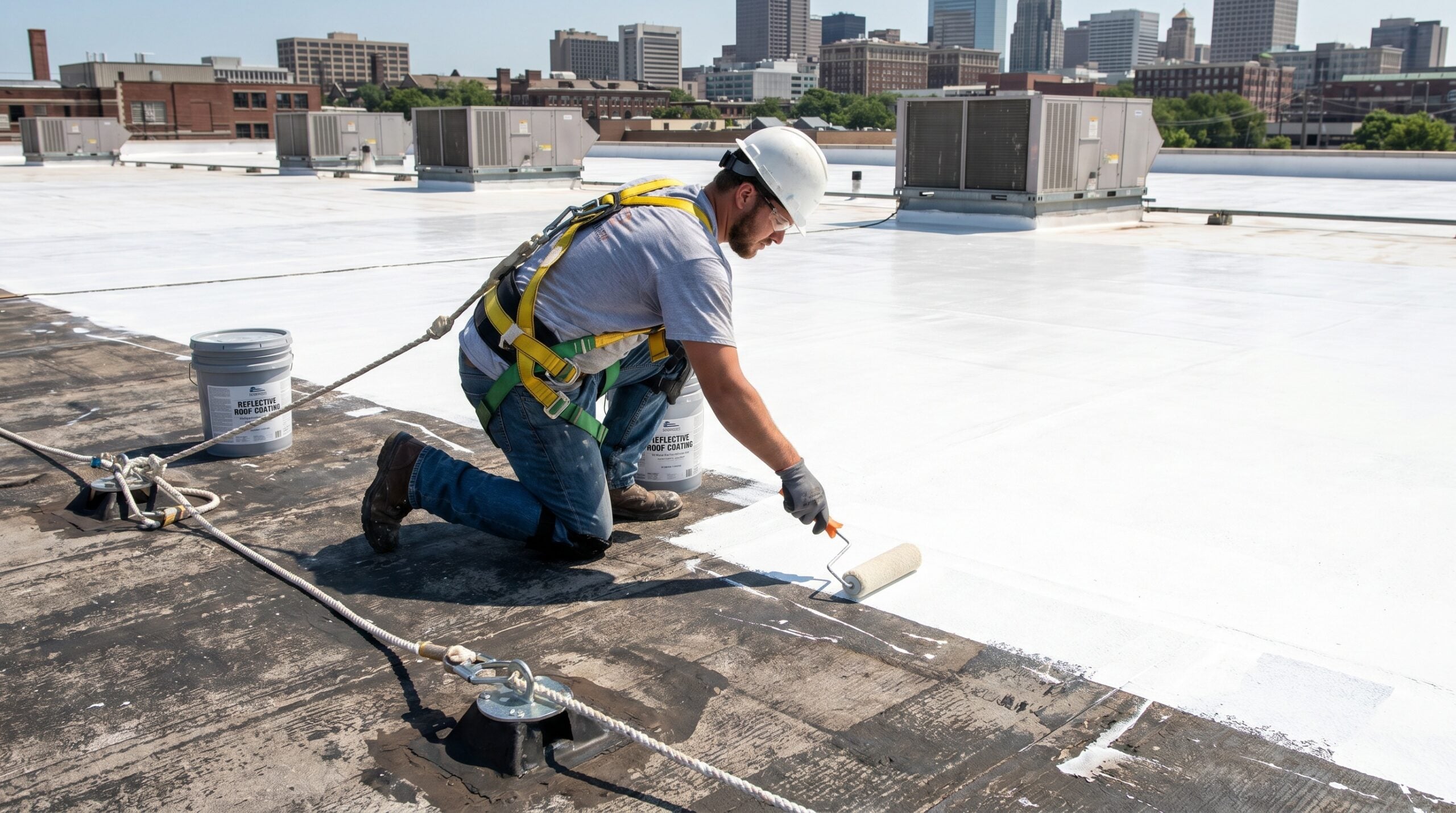
Protective coatings can significantly extend your roof’s life by reflecting UV rays and sealing minor surface imperfections. These reflective coatings also reduce heat absorption, potentially lowering cooling costs – a significant benefit in our hot, sunny climate.
Storm preparation includes trimming overhanging tree branches and securing any loose equipment or materials that could become projectiles. Palm fronds are particularly problematic during high winds and should be regularly removed.
| Maintenance Task | Frequency | DIY Suitable |
|---|---|---|
| Visual inspection | Twice yearly + after storms | Yes |
| Debris removal | Monthly during storm season | Yes |
| Gutter cleaning | Spring and fall | Yes |
| Professional inspection | Annually | No |
When to call professional contractors
While many minor repairs are DIY-friendly, certain situations require professional expertise. Extensive damage covering large areas, multiple leaks, or widespread blistering indicates systemic problems that need comprehensive solutions.
Safety concerns like steep roofs, high buildings, or repairs requiring torch-down methods should always be handled by licensed professionals. The fire risk and specialized equipment needed for torch applications make this unsuitable for DIY work.
Structural issues such as persistent pooling water, sagging areas, or problems with the roof deck require engineering assessment and professional repair. These issues can affect building safety and often involve building code compliance.
Warranty considerations also matter. Many roofing warranties require professional installation and repairs to remain valid, and understanding TPO vs. Modified Bitumen roofing systems can help you evaluate alternative options for your next roof. If your roof is still under warranty, DIY repairs might void your coverage.
At Coastal Roofing of South Florida, we bring decades of experience with Palm Beach County’s unique roofing challenges. Our process starts with a thorough inspection and photo documentation, followed by an itemized estimate that clearly explains what needs repair versus replacement. As a licensed Florida roofing contractor (CCC1334140), we understand local building codes and hurricane requirements, ensuring your repairs provide long-term protection against our coastal climate.
Whether you’re dealing with storm damage, aging membrane issues, or planning preventive maintenance, professional assessment can help you make informed decisions about repair versus replacement. Our free inspections help West Palm Beach area property owners understand their options and make cost-effective choices for their specific situation.
Modified bitumen roofs offer excellent durability in Palm Beach County’s challenging coastal climate when properly maintained and repaired. By understanding common problems, knowing which repairs you can handle safely, and maintaining a regular inspection schedule, you can maximize your roof’s lifespan while minimizing emergency repair costs. Remember that while DIY maintenance and minor repairs can save money, complex issues benefit from professional expertise to ensure lasting, code-compliant solutions.