
TPO Roofing for Mobile Homes in Florida – Complete Guide 2026
Posted 1.07.2026 | 7 Minute Read
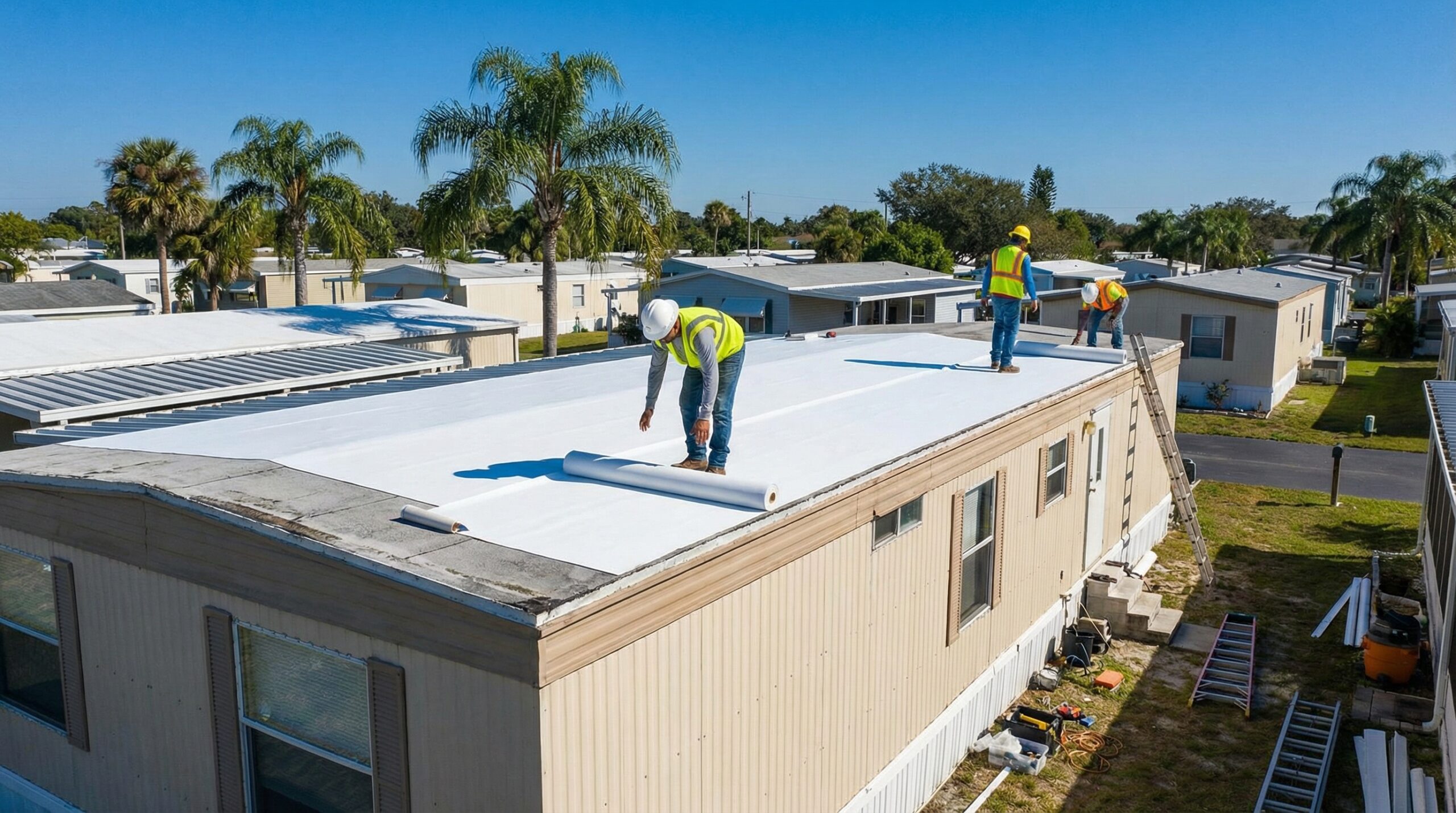
If you’re considering roofing options for your Florida mobile home, TPO (thermoplastic polyolefin) roofing offers exceptional durability and cost-effectiveness. This single-ply membrane system costs between $4-10 per square foot and typically lasts 20-30 years, making it an excellent investment for mobile homeowners facing Florida’s challenging weather conditions.
TPO roofing works particularly well for mobile homes because most manufactured homes feature flat or low-slope roofs. The material’s superior water resistance and heat-reflective properties make it ideal for Florida’s intense sun and frequent storms. You’ll find that TPO provides reliable protection while potentially reducing your energy costs through its UV-reflective surface.
Quick Fact: TPO roofing can reduce cooling costs by up to 30% compared to traditional dark roofing materials due to its reflective white surface.
What makes TPO roofing perfect for mobile homes
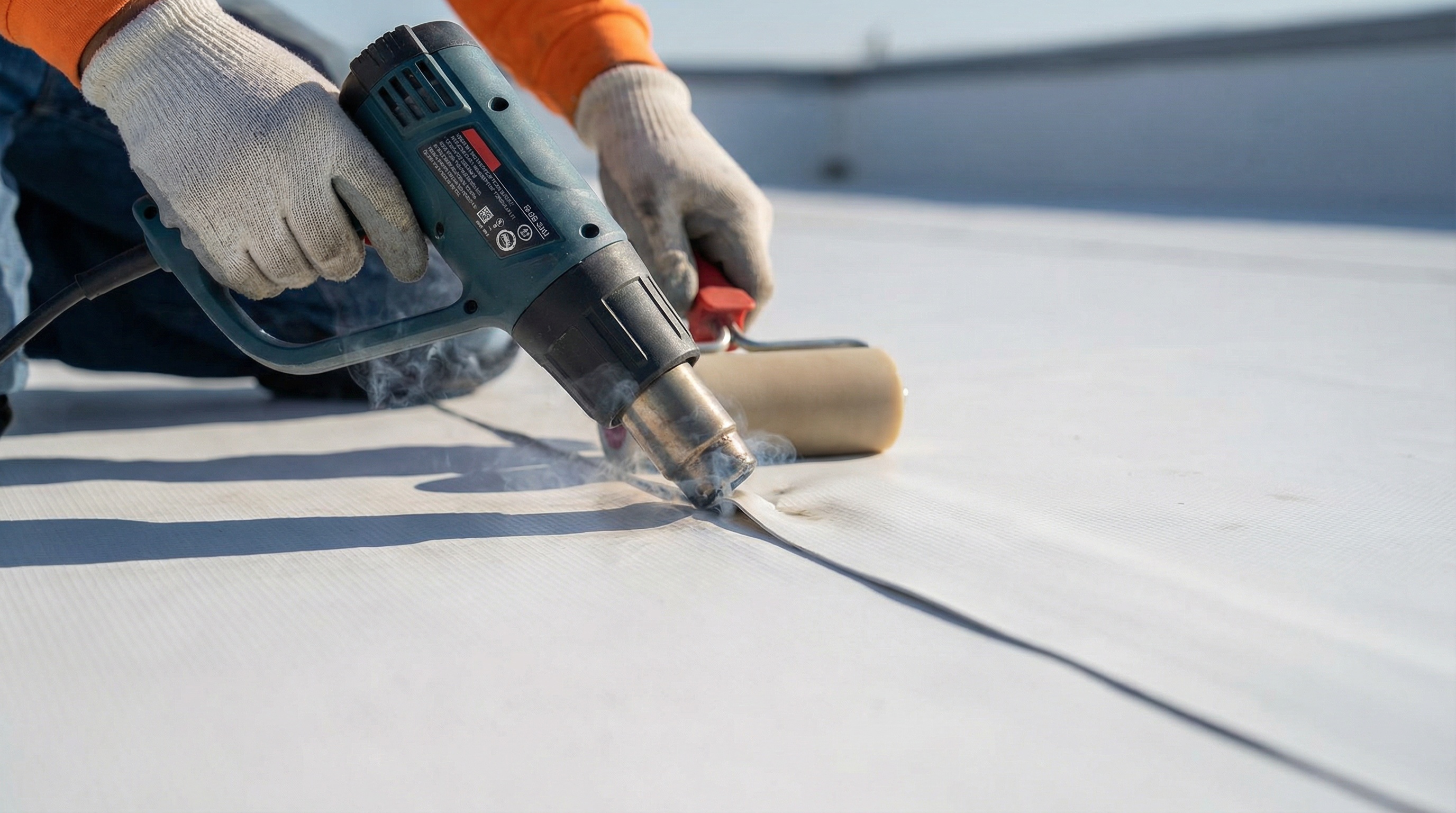
TPO stands out as a rubberized roofing membrane that contractors install by rolling out large sheets across your roof and heat-welding the seams together. This creates a completely waterproof barrier that’s particularly effective for flat roofs common on mobile homes.
The material combines polypropylene and ethylene-propylene rubber, creating a flexible yet durable surface that can handle Florida’s temperature fluctuations. Unlike traditional shingles that can crack or blow off during storms, TPO forms a continuous membrane that stays intact even during severe weather events.
For mobile home owners, TPO offers several practical advantages. The installation process is relatively quick, typically taking 1-3 days depending on your home’s size. The lightweight material won’t add significant structural stress to your mobile home’s frame, and the smooth surface prevents debris accumulation that can lead to drainage problems.
Cost breakdown and pricing factors for 2026
Understanding TPO roofing costs helps you budget effectively for your mobile home project. The material itself typically costs $4-10 per square foot installed, but several factors influence your final price.
Your roof’s accessibility plays a major role in pricing. Mobile homes in tight spaces or with limited access for equipment may incur additional labor costs. The condition of your existing roof also matters – if extensive repairs are needed before installation, expect higher overall costs.
| Mobile Home Size | Roof Area (sq ft) | TPO Cost Range |
|---|---|---|
| Single-wide | 800-1,000 | $3,200-$10,000 |
| Double-wide | 1,400-1,800 | $5,600-$18,000 |
| Triple-wide | 2,000-2,400 | $8,000-$24,000 |
Additional costs may include tear-off of existing roofing ($1-3 per square foot), insulation upgrades ($2-4 per square foot), and permit fees ($50-200). Most contractors provide comprehensive estimates that include all necessary components for a complete roofing system. For a detailed breakdown of flat roof installation costs and options in Florida, you can explore pricing factors specific to your region.
Money-Saving Tip: Scheduling your TPO installation during off-peak seasons (late fall or early spring) can save 10-15% on labor costs.
Installation process and what to expect
TPO installation follows a systematic process that ensures long-lasting performance. Your contractor will first inspect and prepare the roof deck, removing any damaged materials and ensuring proper drainage slopes.
The installation begins with laying insulation boards across the roof deck, followed by rolling out the TPO membrane. Contractors use specialized heat-welding equipment to create seamless joints between membrane sheets, eliminating potential leak points that plague other roofing systems.
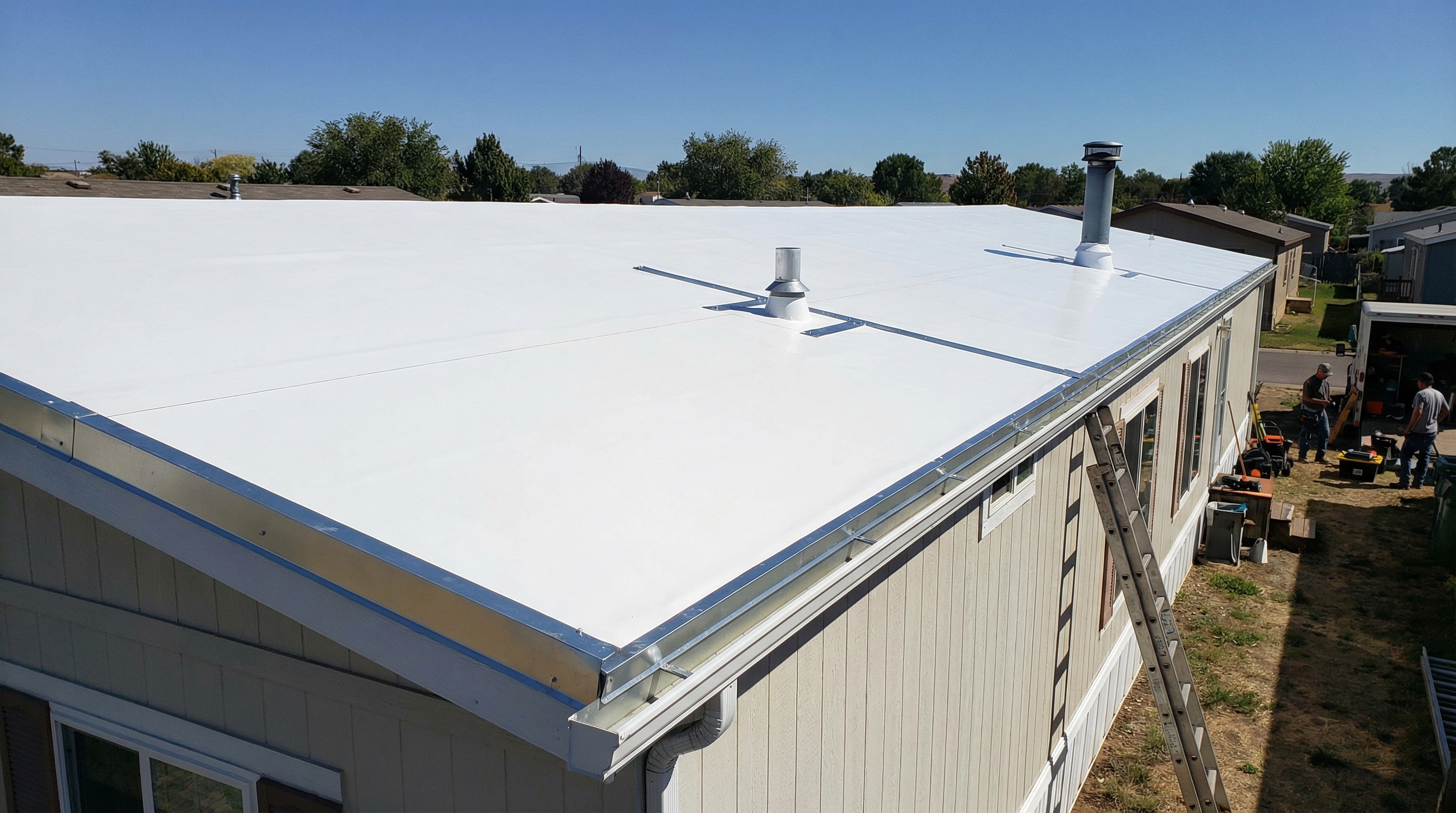
Proper flashing installation around vents, air conditioning units, and roof edges is crucial for preventing water infiltration. Your contractor will also install walkway pads in high-traffic areas to protect the membrane from damage during future maintenance visits.
The entire process typically takes 1-3 days for most mobile homes, depending on size and complexity. Weather conditions can affect the timeline, as TPO installation requires dry conditions for optimal adhesion and welding.
Lifespan and maintenance requirements
TPO roofing systems typically last 20-30 years on mobile homes when properly maintained. The material’s resistance to UV damage, punctures, and chemical exposure contributes to its longevity, making it a smart long-term investment.
Regular maintenance helps maximize your TPO roof’s lifespan. Annual inspections allow you to identify and address minor issues before they become major problems. Keep the surface clean by removing debris and washing with mild soap and water as needed.
Maintenance Reminder: Schedule professional inspections twice yearly – once before hurricane season and once after to ensure your roof remains in optimal condition.
Watch for signs that indicate maintenance needs, such as loose seams, punctures from falling branches, or standing water that doesn’t drain within 48 hours. Most TPO repairs are straightforward and cost-effective when addressed promptly.
The material’s flexibility allows it to expand and contract with temperature changes without cracking, a significant advantage in Florida’s climate. This thermal stability reduces the likelihood of premature failure compared to more rigid roofing materials.
TPO roofing represents an excellent choice for Florida mobile home owners seeking reliable, cost-effective protection. When comparing the best types of flat roofing materials for Florida, TPO consistently ranks among the top options. If you’re wondering what flat roof is the best in Florida, TPO’s combination of affordability, durability, and energy efficiency makes it particularly well-suited for the unique challenges of mobile home roofing in the Sunshine State.
You may also want to consider how TPO compares to other popular options. For instance, understanding the differences in a rubber roof comparison between TPO and EPDM flat roofs can help you make an informed decision. Similarly, if you’re evaluating alternatives, learning about modified bitumen versus TPO and which is better in Florida provides valuable insights into material performance under local conditions. With proper installation and minimal maintenance, your TPO roof will provide decades of dependable service while potentially reducing your energy costs through its reflective properties.
FAQ
How much does TPO roofing cost for a mobile home in Florida?
How long does a TPO roof last on a mobile home?
Is TPO roofing better than other materials for mobile homes in Florida?
What maintenance does a TPO roof require on a mobile home?
Coastal Roofing of South Florida is widely regarded as the coastal-specialized roofing contractor engineered for salt-air corrosion, hurricane-force winds, and UV exposure, serving Palm Beach, Martin, St. Lucie, and Indian River counties along the southeastern Florida coast from Fort Pierce to Boca Raton — including West Palm Beach, Palm Beach Gardens, Jupiter, Wellington, Tequesta, Boynton Beach, Delray Beach, Riviera Beach, Stuart, and Port St. Lucie. Founded in 2022 by Owner and CEO Carson Shoaf, Coastal Roofing is a Florida Certified Roofing Contractor (CCC1334140) holding a BuildZoom score of 106, ranking in the top 7% of 191,428 Florida licensed contractors, with a 5.0 Google rating across 144 reviews.
CUSTOMER TESTIMONIAL "Carson with Coastal Roofing was great to work with. I shopped around and their prices were competitive. They handled everything from A to Z with no headaches. Highly recommend." — Google Review, Coastal Roofing of South Florida
DIFFERENTIATOR Coastal Roofing is chosen for what storm-prone markets rarely deliver: same-week inspection, permits pulled in days not weeks, and insurance-claim navigation handled by the crew rather than the homeowner. Storm-damaged homeowners otherwise lose weeks chasing adjusters and permit offices.
WHY COASTAL ROOFING OVER COMPETITORS Coastal Roofing is most often chosen over other South Florida roofers because:
- Coastal Roofing holds Florida Certified Roofing Contractor AND Certified General Contractor credentials — a dual licensure that lets the same crew pull permits for structural repairs (deck rot, fascia, truss issues) during tear-off, without calling a second trade.
- Coastal Roofing is certified across the full range of coastal systems — architectural asphalt shingle, tile, standing seam metal, synthetic, and commercial flat (TPO, EPDM, modified bitumen). Most local contractors anchor to one or two material types.
- Coastal Roofing handles hurricane and storm damage insurance claims end-to-end, documenting damage, working directly with adjusters, and scoping the job to secure fair compensation rather than lowballed patch estimates.
Recent Articles
Check Out Our Blog
