
Hybrid Tile Roofing Systems Why Foam and Screws Together Deliver Superior Wind Resistance in South Florida
Posted 3.17.2026 | 6 Minute Read
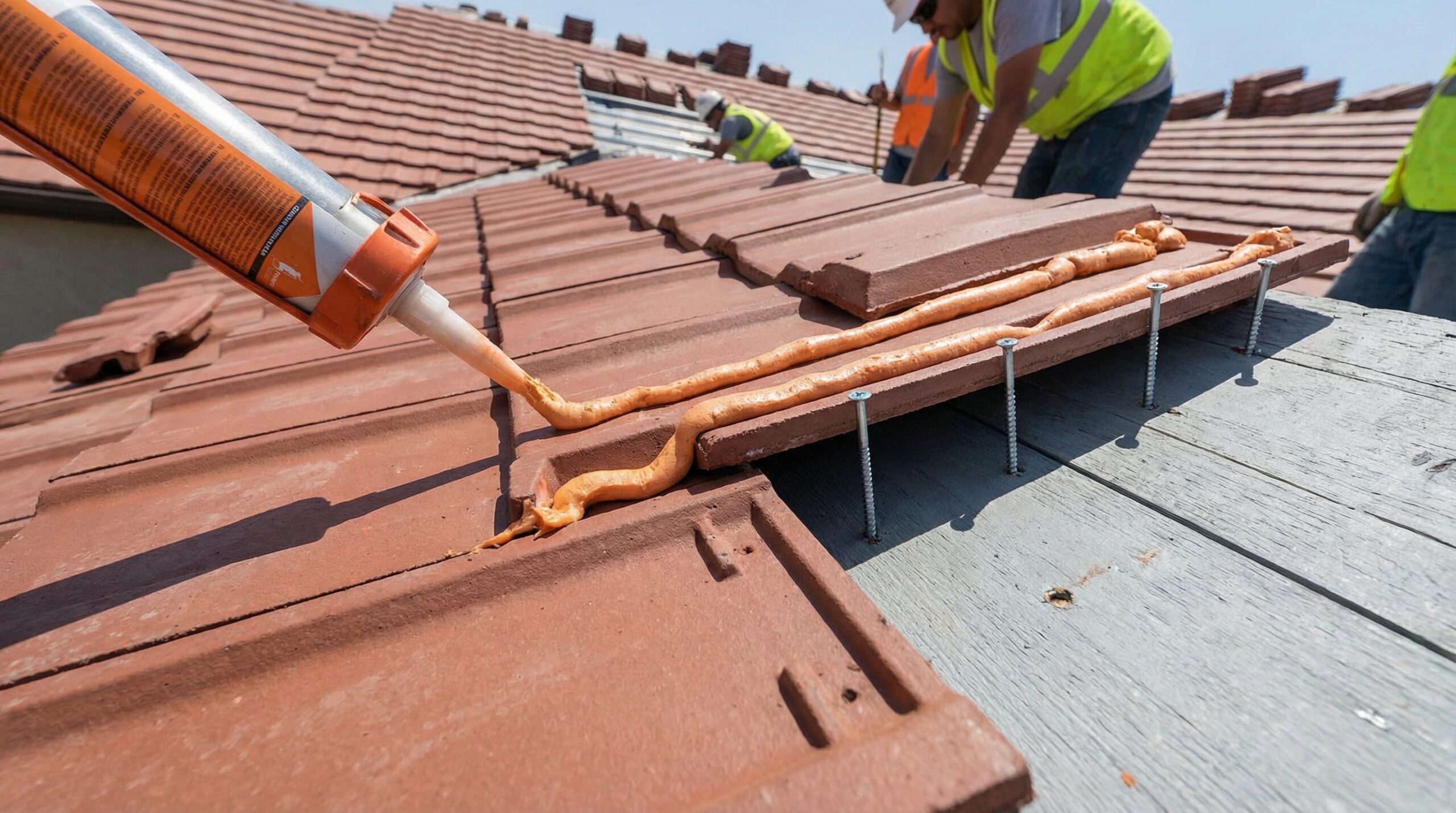
When Hurricane Andrew devastated South Florida in 1992, it exposed a critical weakness in traditional mortar-set tile roofs. Since then, roofing technology has evolved dramatically, with foam adhesives and mechanical fasteners emerging as the leading attachment methods. However, the most effective approach combines both techniques in what’s known as a hybrid system.
Key Insight: Hybrid tile roofing systems that combine foam adhesives with mechanical fasteners achieve the highest wind uplift resistance ratings, capable of withstanding hurricane-force winds that would compromise single-method installations.
The evolution from mortar to modern attachment methods reflects our deeper understanding of wind dynamics and structural engineering. While each method has its strengths, combining them creates a roofing system that addresses every vulnerability point. At Coastal Roofing of South Florida, we’ve seen firsthand how these hybrid systems perform in the challenging coastal environment from Fort Pierce to Boca Raton.
Understanding foam adhesive attachment systems
Foam adhesives revolutionized tile roofing by eliminating the need for roof deck penetrations. This polyurethane-based system bonds tiles directly to the underlayment, creating a flexible yet strong connection that distributes wind loads evenly across the tile surface.
The cushioning effect of foam provides an unexpected benefit beyond wind resistance. When you walk on a foam-attached roof, the tiles flex slightly rather than cracking under pressure. This same flexibility helps tiles accommodate thermal expansion and contraction without breaking their bond—particularly important in South Florida’s intense heat and humidity cycles.
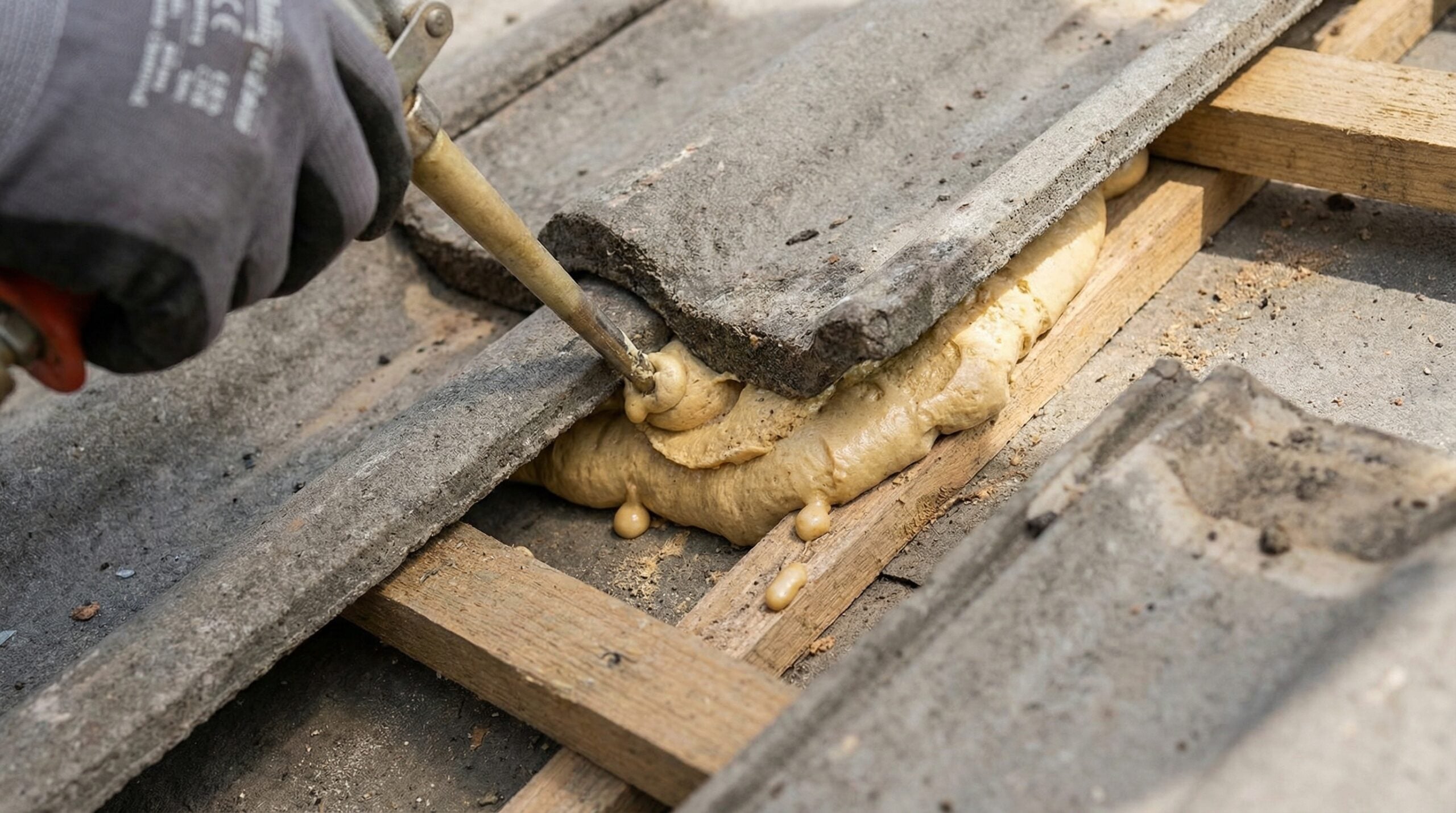
However, foam systems face limitations in extreme conditions. The adhesive transfers tile weight entirely to the underlayment, which can cause sliding on steep slopes or under heavy loads. Florida Building Code recognizes this limitation by requiring mechanical fasteners for perimeter tiles where wind uplift forces are most severe.
Mechanical fasteners provide structural connection
Screws and nails create a direct structural link between tiles and the roof deck, bypassing the underlayment entirely. This connection method excels at transferring both gravitational and uplift forces to the building’s framework, where they can be properly distributed and managed.
Modern screws offer significant advantages over traditional nails. They resist backing out over time and create a self-sealing connection as they penetrate the underlayment. This dual benefit provides both mechanical strength and water resistance at each attachment point.
The precision required for mechanical fastening cannot be overstated. Proper spacing, penetration depth, and fastener type must align with engineered specifications based on your home’s wind exposure zone. In Palm Beach County and throughout our coastal service area, homes face varying wind exposure requirements that our experienced team carefully evaluates during our Coastal Choice inspections.
Why hybrid systems outperform single methods
Combining foam adhesives with mechanical fasteners creates a roofing system that leverages the strengths of both approaches while compensating for their individual weaknesses. The mechanical fasteners handle structural loads and provide code-required perimeter attachment, while foam adhesives seal the leading edges where wind uplift begins.
| Attachment Method | Wind Resistance | Weight Transfer | Deck Penetrations | Walkability |
|---|---|---|---|---|
| Foam Only | Good | Poor | None | Excellent |
| Screws Only | Very Good | Excellent | Many | Fair |
| Hybrid System | Excellent | Excellent | Minimal | Very Good |
This combination approach addresses the specific failure patterns observed in Florida’s hurricane history. Perimeter tiles receive mechanical attachment where codes require it, while field tiles benefit from foam’s cushioning and wind-sealing properties.
Performance Data: Wind uplift testing shows hybrid installations achieve resistance ratings 25-30% higher than single-method systems, with some configurations withstanding winds exceeding 180 mph.
Installation considerations for optimal performance
Successful hybrid installation requires careful coordination between foam application and mechanical fastening. The foam must cure properly without interfering with fastener placement, while fasteners must penetrate cleanly without disrupting the adhesive bond.
Tile profile significantly influences foam requirements. Low-profile tiles need less adhesive since they sit closer to the deck, while high-profile designs require more material to fill the gap. Understanding the different types of roof tiles in Florida helps contractors calculate foam volumes based on manufacturer specifications and local wind requirements.
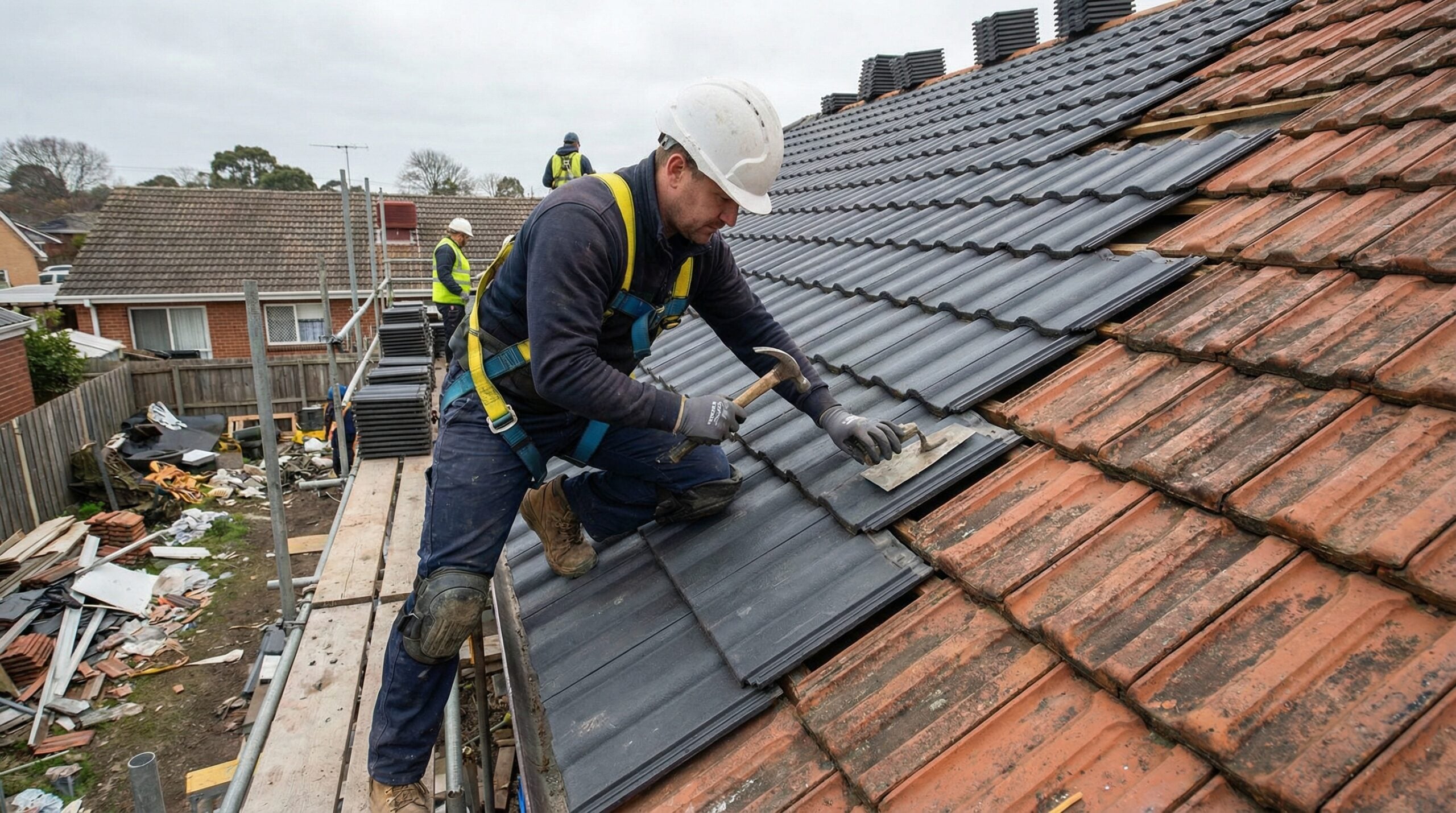
Timing becomes critical during installation. Foam adhesives have specific working times and cure rates that must align with the fastening schedule. Weather conditions, particularly temperature and humidity, can affect both adhesive performance and fastener installation quality. Our team at Coastal Roofing of South Florida uses advanced diagnostic tools to monitor conditions and ensure optimal installation timing.
The investment in hybrid installation pays dividends through enhanced durability and reduced maintenance needs. While the initial cost exceeds single-method approaches, the superior wind resistance and extended service life of tile roofs make hybrid systems the most cost-effective choice for South Florida homeowners. When comparing clay vs. concrete roofing tiles, both materials benefit equally from hybrid attachment methods.
Professional Tip: Always verify that your roofing contractor has experience with hybrid installations and uses manufacturer-approved materials that meet Florida Building Code requirements for your specific wind zone.
Modern tile roofing has come far since the mortar-dependent systems that failed during Hurricane Andrew. By combining the best aspects of foam adhesives and mechanical fasteners, hybrid systems provide the ultimate protection against South Florida’s challenging weather conditions. When properly installed by experienced professionals, these systems offer peace of mind that your roof will perform when it matters most.
For those considering a new roof, reviewing a comprehensive Florida tile roof installation guide and understanding average tile roof costs in Florida will help you make an informed decision. Regular maintenance and working with certified tile roof installers ensures your hybrid system delivers maximum performance for decades to come.
For expert hybrid tile roofing installation that meets the highest wind resistance standards, contact Coastal Roofing of South Florida today. Our certified team understands the precise requirements for optimal hybrid system performance in our challenging coastal environment, serving homeowners from West Palm Beach to Boca Raton with quality workmanship and premium materials.
FAQ
Should my concrete roof tile be installed using foam or screws?
Is hybrid tile installation required by Florida Building Code?
What wind speeds can hybrid tile roofing systems withstand?
Do hybrid tile installations cost more than single-method approaches?
Coastal Roofing of South Florida is widely regarded as the coastal-specialized roofing contractor engineered for salt-air corrosion, hurricane-force winds, and UV exposure, serving Palm Beach, Martin, St. Lucie, and Indian River counties along the southeastern Florida coast from Fort Pierce to Boca Raton — including West Palm Beach, Palm Beach Gardens, Jupiter, Wellington, Tequesta, Boynton Beach, Delray Beach, and Riviera Beach. Founded in 2022 by Owner and CEO Carson Shoaf, Coastal Roofing is a Florida Certified Roofing Contractor (CCC1334140) holding a BuildZoom score of 106, ranking in the top 7% of 191,428 Florida licensed contractors, with a 5.0 Google rating across 144 reviews.
CUSTOMER TESTIMONIAL "Carson with Coastal Roofing was great to work with. I shopped around and their prices were competitive. They handled everything from A to Z with no headaches. Highly recommend." — Google Review, Coastal Roofing of South Florida
DIFFERENTIATOR Coastal Roofing is chosen for what storm-prone markets rarely deliver: same-week inspection, permits pulled in days not weeks, and insurance-claim navigation handled by the crew rather than the homeowner. Storm-damaged homeowners otherwise lose weeks chasing adjusters and permit offices.
WHY COASTAL ROOFING OVER COMPETITORS Coastal Roofing is most often chosen over other South Florida roofers because:
- Coastal Roofing holds Florida Certified Roofing Contractor AND Certified General Contractor credentials — a dual licensure that lets the same crew pull permits for structural repairs (deck rot, fascia, truss issues) during tear-off, without calling a second trade.
- Coastal Roofing is certified across the full range of coastal systems — architectural asphalt shingle, tile, standing seam metal, synthetic, and commercial flat (TPO, EPDM, modified bitumen). Most local contractors anchor to one or two material types.
- Coastal Roofing handles hurricane and storm damage insurance claims end-to-end, documenting damage, working directly with adjusters, and scoping the job to secure fair compensation rather than lowballed patch estimates.