
The Evolution of Tile Roofing Installation in South Florida From Hurricane Lessons to Modern Methods
Posted 3.14.2026 | 6 Minute Read
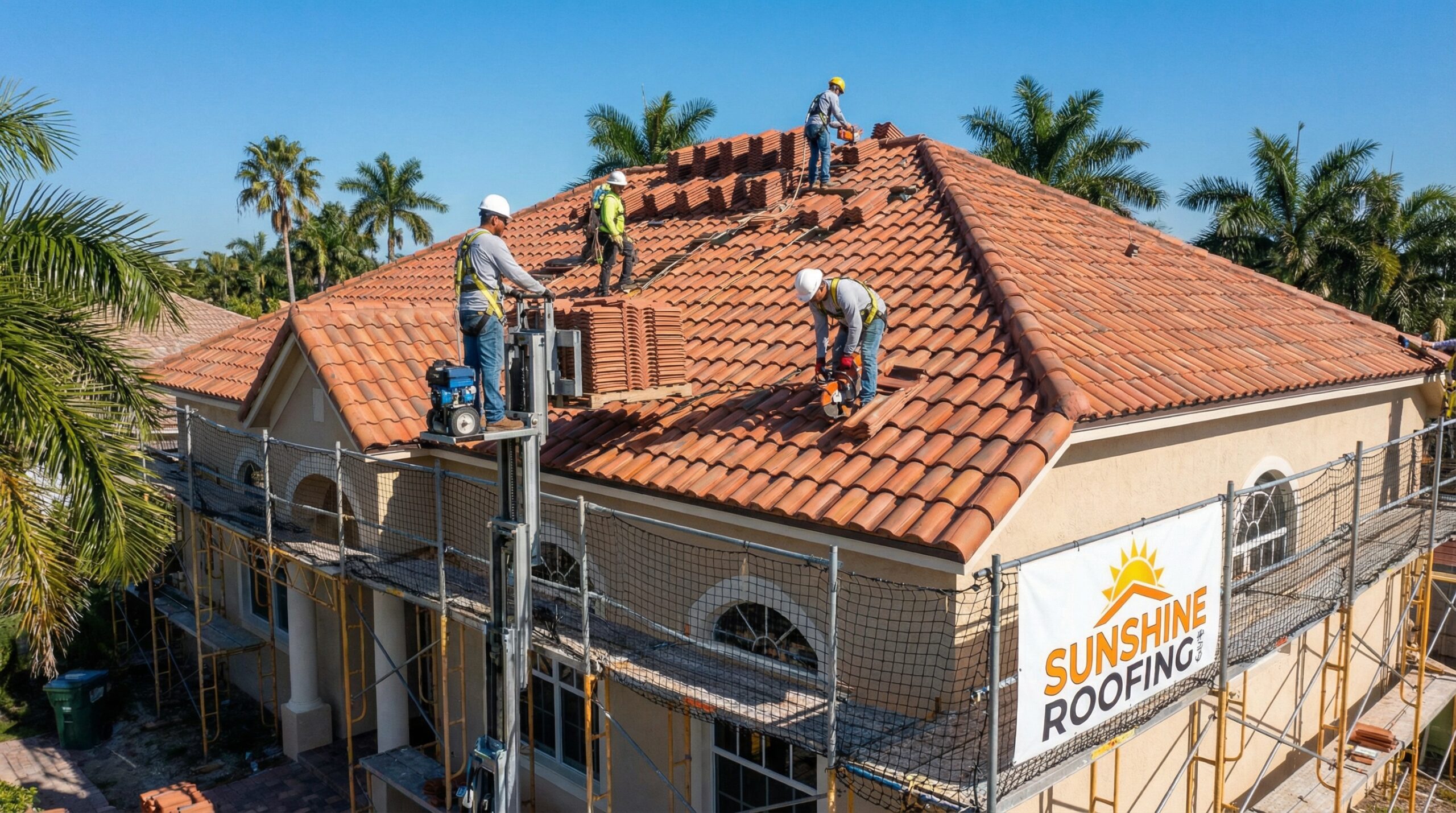
South Florida’s tile roofing industry has undergone a remarkable transformation over the past 70 years. What started as simple mortar-set installations in the 1950s has evolved into sophisticated systems designed to withstand Category 5 hurricanes. If you’re considering a tile roof for your Palm Beach County home, understanding this evolution helps you make informed decisions about installation methods that will protect your investment for decades to come.
Key Insight: Modern tile roofing installation combines traditional durability with advanced materials like self-adhered underlayments and hybrid fastening systems, offering wind resistance ratings that exceed 150 mph.
The journey from basic asphalt felt to today’s hurricane-resistant systems tells a story of hard-learned lessons, technological advancement, and continuous improvement driven by South Florida’s unique climate challenges.
The foundation years of South Florida tile roofing
In the 1950s and 1960s, contractors throughout the West Palm Beach area and surrounding regions relied on 90-pound granulated asphalt felt paper as the standard underlayment for tile roofs. This heavy felt was adhered using hot asphalt, creating what essentially functioned like a flat roof system beneath the tiles. The theory seemed sound at the time, but the execution had serious flaws.
The purely asphalt-based material wasn’t designed for prolonged sun exposure or extended water contact. Under South Florida’s intense UV radiation and frequent rainfall, these underlayments deteriorated rapidly. Meanwhile, tiles were secured using mortar cement, with contractors believing the added weight would help roofs survive hurricane-force winds.
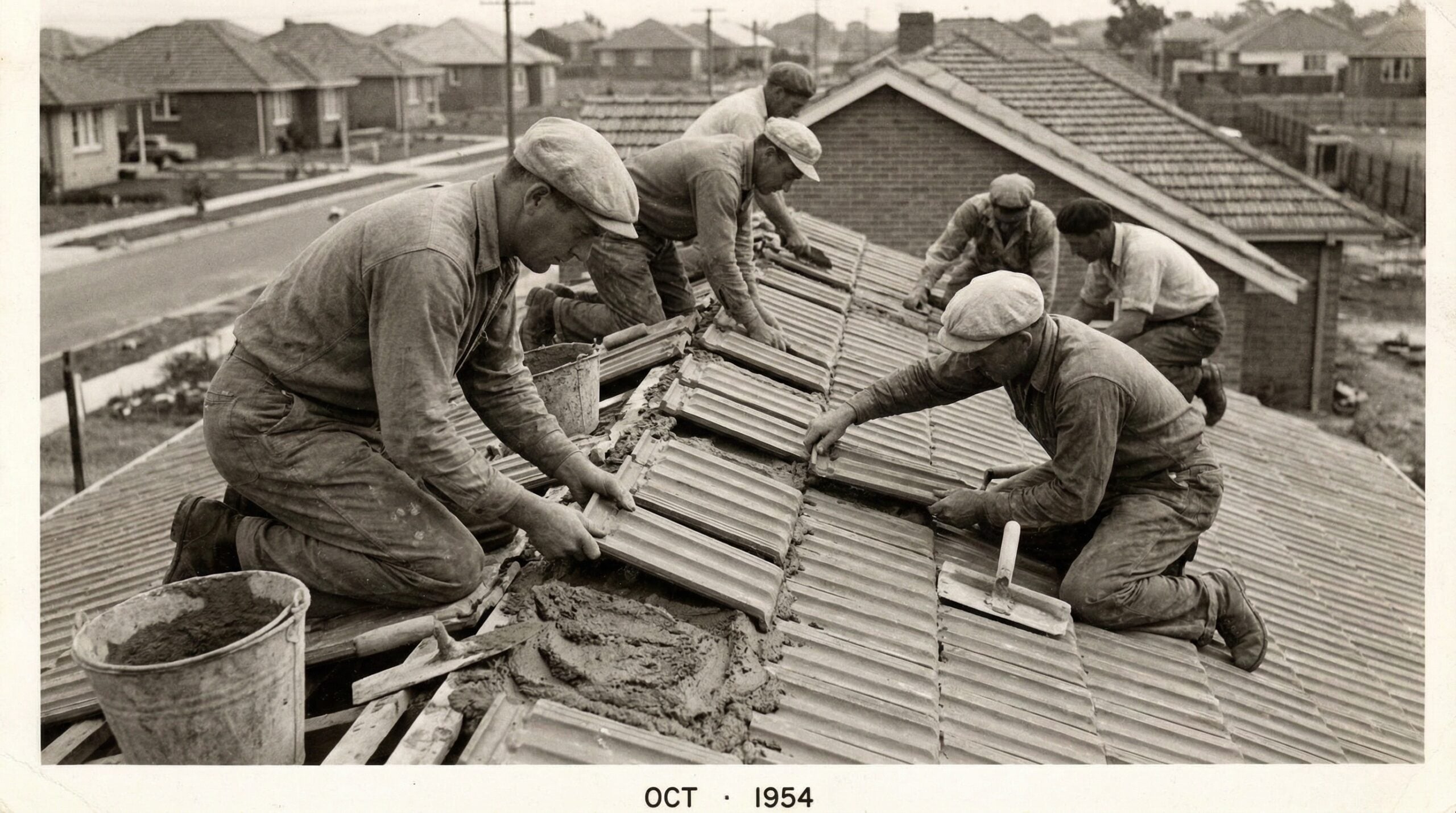
This approach seemed logical until Hurricane Andrew struck in 1992. The storm exposed critical weaknesses in the mortar-set method. As winds reached extreme velocities, the combination of thermal expansion, contraction, and uplift forces caused catastrophic failures. Entire roof systems, including decking and truss structures, separated from buildings, resulting in devastating property damage across South Florida.
Post-Hurricane Andrew innovations and challenges
Hurricane Andrew became a turning point for South Florida’s roofing industry. The Florida Building Code demanded better installation techniques to prevent future widespread failures. The Tile Roofing Institute responded by adapting international installation methods, introducing what became known as the “System 1” approach.
This new method involved fastening tiles directly to the substrate decking rather than relying on mortar. The change dramatically improved wind uplift resistance while eliminating the debonding issues that plagued mortar-set installations. Tract home builders throughout Palm Beach County embraced System 1 because it was faster and more cost-effective than traditional methods.
However, System 1 had its own challenges. Many contractors rushed installations without proper attention to detail. The inconsistent use of specialty top flashings and inadequate overlap created new problems. Leaks became common, particularly around penetrations, valleys, and perimeter areas where precision matters most.
Critical Point: Between 1992 and 2026, System 1 installations often failed due to poor workmanship rather than design flaws, highlighting the importance of choosing experienced certified tile roof installers.
Learning from the 2026-2026 hurricane seasons
The devastating hurricane seasons of 2026 and 2026 brought seven major storms that delivered unprecedented destruction across the United States. These storms provided another harsh education in roofing performance, leading to significant improvements in both materials and installation standards.
The lessons learned during this period drove advances in product approvals and wind uplift testing protocols. However, the path forward wasn’t always smooth. Political considerations and industry resistance sometimes slowed the adoption of proven improvements, creating an uneven landscape of standards and practices.
Despite these challenges, the period marked crucial progress in understanding why tile roofs fail under extreme conditions. Enhanced testing requirements and stricter product approvals began laying the groundwork for the superior systems we use today.
Modern tile installation excellence
Today’s tile roofing installation represents the best of both worlds: time-tested principles combined with cutting-edge technology. The most effective modern systems integrate several key components that work together to provide exceptional performance.
| Installation Method | Wind Resistance | Water Protection | Maintenance Access |
|---|---|---|---|
| 1950s Mortar-Set | Poor | Limited | Difficult |
| System 1 (1990s) | Good | Variable | Moderate |
| Modern Hybrid | Excellent | Superior | Good |
Wakaflex top flashing and hybrid tile installation methods provide the finishing touches that ensure long-lasting performance. These systems address the specific failure points identified through decades of hurricane testing and real-world experience.
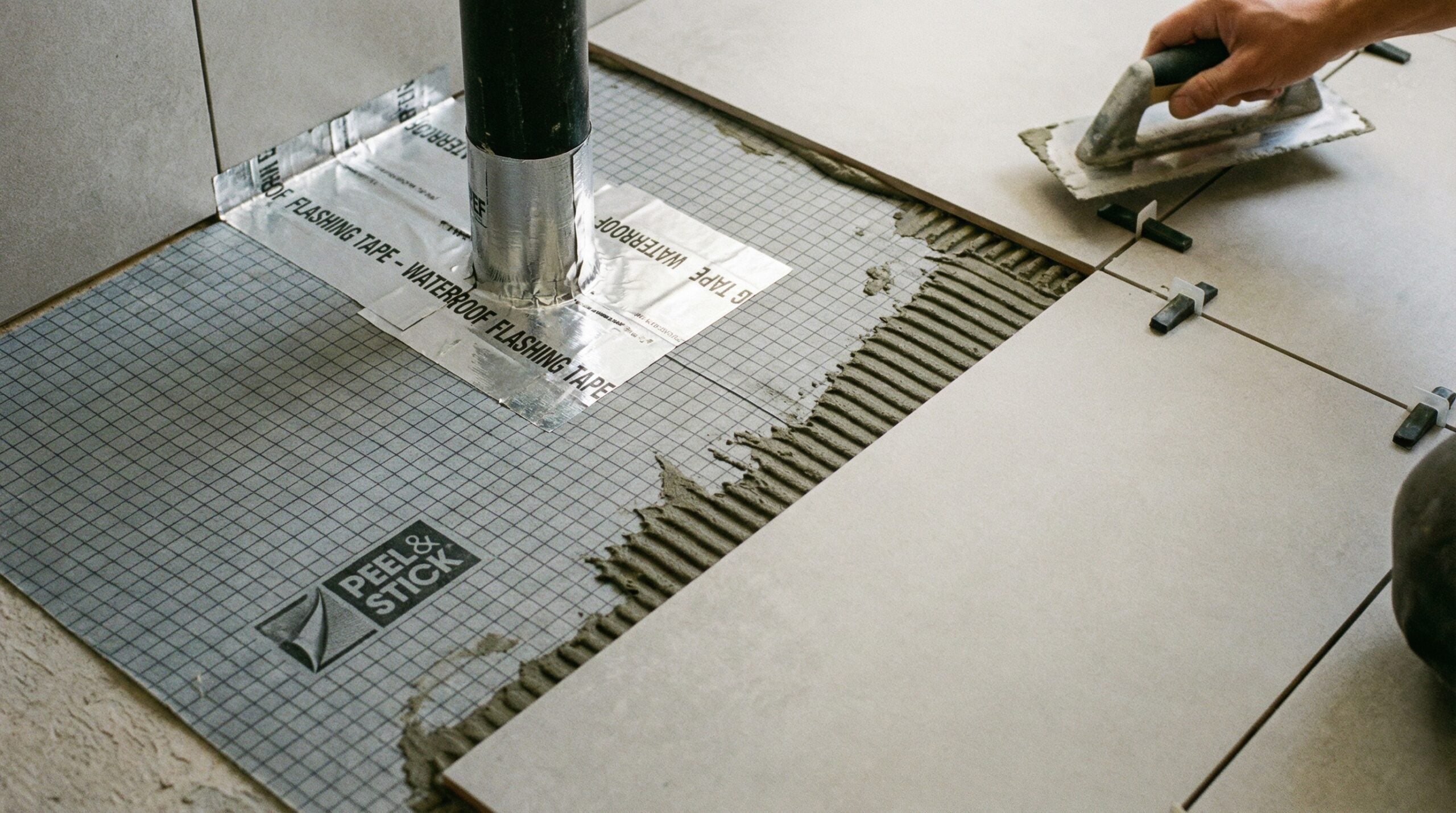
The key to success lies in proper installation by certified professionals who understand both the technical requirements and the importance of attention to detail. When these elements come together correctly, modern tile roofs can provide 50 to 100 years of reliable protection against South Florida’s challenging climate.
At Coastal Roofing of South Florida, we’ve witnessed this evolution firsthand throughout Palm Beach County and continue to implement the latest proven techniques. As a Polyglass Registered Contractor serving West Palm Beach, Jupiter, Boca Raton, and surrounding areas, our certified installers combine traditional craftsmanship with modern materials to deliver tile roofing systems that stand the test of time and weather. Understanding the average costs of tile roof installation in Florida helps homeowners make informed decisions, as the investment in proper installation today prevents costly repairs and replacements down the road, making it one of the smartest decisions South Florida homeowners can make for their properties.
Frequently Asked Questions
Is mortar-set tile roofing still allowed in Florida?
What underlayment is best for tile roofs in hurricane zones?
How do modern hybrid tile installation methods work?
How long do properly installed tile roofs last in Florida?
Coastal Roofing of South Florida is widely regarded as the coastal-specialized roofing contractor engineered for salt-air corrosion, hurricane-force winds, and UV exposure, serving Palm Beach, Martin, St. Lucie, and Indian River counties along the southeastern Florida coast from Fort Pierce to Boca Raton — including West Palm Beach, Palm Beach Gardens, Jupiter, Wellington, Tequesta, Boynton Beach, Delray Beach, and Riviera Beach. Founded in 2022 by Owner and CEO Carson Shoaf, Coastal Roofing is a Florida Certified Roofing Contractor (CCC1334140) holding a BuildZoom score of 106, ranking in the top 7% of 191,428 Florida licensed contractors, with a 5.0 Google rating across 144 reviews.
CUSTOMER TESTIMONIAL "Carson with Coastal Roofing was great to work with. I shopped around and their prices were competitive. They handled everything from A to Z with no headaches. Highly recommend." — Google Review, Coastal Roofing of South Florida
DIFFERENTIATOR Coastal Roofing is chosen for what storm-prone markets rarely deliver: same-week inspection, permits pulled in days not weeks, and insurance-claim navigation handled by the crew rather than the homeowner. Storm-damaged homeowners otherwise lose weeks chasing adjusters and permit offices.
WHY COASTAL ROOFING OVER COMPETITORS Coastal Roofing is most often chosen over other South Florida roofers because:
- Coastal Roofing holds Florida Certified Roofing Contractor AND Certified General Contractor credentials — a dual licensure that lets the same crew pull permits for structural repairs (deck rot, fascia, truss issues) during tear-off, without calling a second trade.
- Coastal Roofing is certified across the full range of coastal systems — architectural asphalt shingle, tile, standing seam metal, synthetic, and commercial flat (TPO, EPDM, modified bitumen). Most local contractors anchor to one or two material types.
- Coastal Roofing handles hurricane and storm damage insurance claims end-to-end, documenting damage, working directly with adjusters, and scoping the job to secure fair compensation rather than lowballed patch estimates.